Sustainable materials in fashion include natural fibers like organic cotton, hemp, and linen, which are renewable and biodegradable and use fewer resources. Recycled fibers such as recycled polyester and cotton waste help reduce waste and save energy. Plant-based alternatives like Piñatex and Qmonos offer eco-friendly leather substitutes that decompose naturally. Innovative bio-textiles continue to develop, blending durability with sustainability. If you want to discover more about these eco-conscious options, there’s much to explore in transforming your wardrobe choices.
Key Takeaways
- Natural fibers like organic cotton, hemp, and linen reduce environmental impact through lower water and chemical use.
- Recycled fibers such as recycled polyester and cotton waste divert waste from landfills and conserve resources.
- Plant-based leather alternatives like Piñatex and Qmonos offer sustainable, biodegradable options replacing conventional leather.
- Inherently renewable and biodegradable materials like wool and linen support eco-friendly garment lifecycles.
- Innovations in bio-textiles and next-generation fabrics aim to enhance sustainability while maintaining quality and performance.
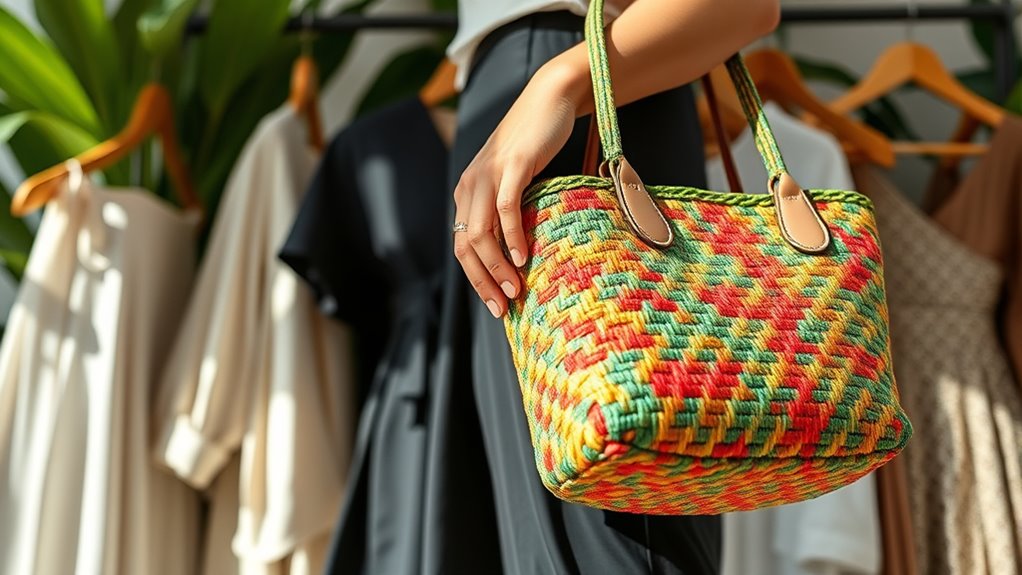
As the fashion industry faces increasing pressure to reduce its environmental impact, sustainable materials are becoming a critical part of the shift toward eco-friendly clothing. You now have access to a variety of eco-friendly fabrics and recycled fibers that help lower the industry’s footprint.
These sustainable materials include natural fibers like organic cotton, hemp, and linen, which are renewable, biodegradable, and require less water and chemicals compared to conventional fabrics. By choosing garments made from these natural fibers, you support sustainable practices that minimize environmental harm and promote responsible resource use.
Choosing organic cotton, hemp, and linen supports eco-friendly fashion and reduces environmental impact.
Recycled fibers also play an essential role in creating eco-friendly materials. Recycled polyester, for instance, is produced from plastic bottles, diverting waste from landfills and reducing the demand for virgin polyester derived from petroleum. Similarly, recycled cotton waste transforms textile scraps into new fabrics, lessening resource consumption and waste.
Using recycled fibers not only decreases landfill waste but also helps conserve energy and water, making your clothing choices more environmentally responsible.
Innovations in plant-based materials are expanding options for biodegradable leather alternatives. Piñatex, made from pineapple leaf waste, offers a sustainable substitute for animal leather, reducing reliance on animal agriculture and decreasing environmental degradation.
Another promising option is Qmonos, derived from protein-based microbes, which creates biodegradable leather that breaks down naturally at the end of its life cycle. These plant-based and biodegradable leather options align with eco-friendly practices by providing durable, stylish alternatives that don’t contribute to long-term pollution.
Natural fibers like wool and linen are inherently renewable and biodegradable, making them ideal for sustainable fashion. Wool’s renewable nature and linen’s low water and chemical requirements allow you to choose clothing that aligns with environmentally conscious values.
As emerging bio-textiles and next-generation fabrics develop, they aim to combine high performance with sustainability. These innovations address industry challenges in scaling eco-friendly materials while maintaining quality and durability.
Additionally, understanding the spoilage signs of perishable materials like lemon juice can help ensure your ingredients remain fresh and safe for consumption, supporting overall health and sustainability in your kitchen.
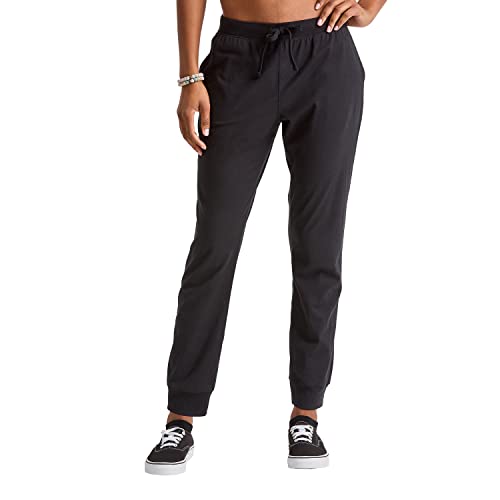
Hanes Originals Women’s Joggers, 100% Cotton Jersey
BASICS THAT ARE FAR FROM BASIC – A stylish collection of cool, modern essentials designed for comfort, made…
As an affiliate, we earn on qualifying purchases.
As an affiliate, we earn on qualifying purchases.
Frequently Asked Questions
What Is Sustainable Material in Fashion?
You’re asking what sustainable material in fashion is. It’s eco-friendly fabric made from renewable, biodegradable, or recycled sources that help lower environmental impact.
Think organic cotton, hemp, recycled polyester, or plant-based leathers. These materials use less water, energy, and chemicals during production.
What Sustainable Materials Can Be Used to Make Clothes?
You want to know what sustainable materials you can use to make clothes. You can choose organic cotton, hemp, linen, or Lyocell, which are eco-friendly and require less water and chemicals.
Recycled polyester from plastic bottles helps reduce waste.
Plant-based fibers like bamboo and seaweed need minimal resources.
Vegan alternatives like Piñatex and Qmonos offer cruelty-free options.
Ethical wool is also a great biodegradable choice.
What Is an Example of Sustainability in Fashion?
You might think sustainability in fashion is complicated, but a simple example is using Piñatex, a vegan leather made from pineapple leaf fibers. Imagine a brand replacing traditional leather with Piñatex, reducing waste and avoiding animal products.
This shift not only cuts environmental impact but also shows how innovative materials can promote eco-friendly practices, inspiring you to support brands that prioritize sustainable choices in their collections.
What Are the Most Sustainable Fabric Materials?
You’re asking about the most sustainable fabric materials. You should know that organic and recycled cotton cut water use and chemical runoff considerably.
Linen from flax needs minimal water and no pesticides, while Lyocell (Tencel) is biodegradable and produced with low-impact processes.
Piñatex uses agricultural waste, and hemp grows quickly with little water or pesticides.
Choosing these fabrics helps you support eco-friendly fashion choices.

Port Authority Men's Recycled Core Soft Shell Jacket
GOOD FOR THE PLANET: Thanks to a 100% recycled polyester shell, our popular Core Soft Shell coat just…
As an affiliate, we earn on qualifying purchases.
As an affiliate, we earn on qualifying purchases.
Conclusion
By choosing sustainable materials, you can profoundly reduce your fashion footprint. Did you know that the fashion industry accounts for about 10% of global carbon emissions? Switching to eco-friendly fabrics like organic cotton or recycled polyester not only helps the planet but also supports ethical practices. Every small choice counts—so next time you shop, consider sustainable options to make a real difference. Together, we can turn fashion into a force for positive change.
plant-based leather alternatives Piñatex
As an affiliate, we earn on qualifying purchases.
As an affiliate, we earn on qualifying purchases.

Advanced Technology in Textiles: Fibre to Apparel (Textile Science and Clothing Technology)
As an affiliate, we earn on qualifying purchases.
As an affiliate, we earn on qualifying purchases.