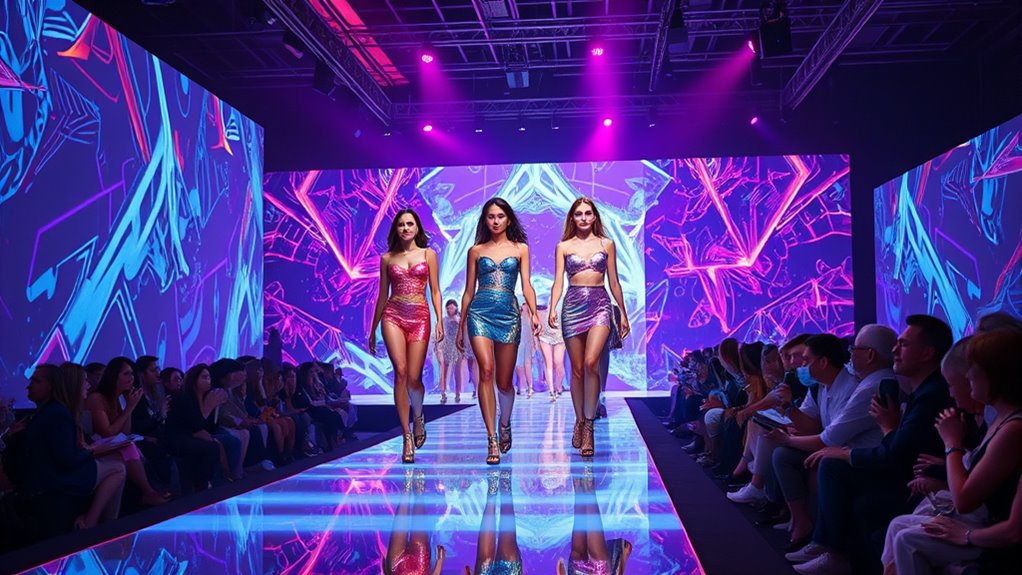
In the digital age, fashion weeks are transforming into immersive experiences thanks to live streaming, virtual runways, and augmented reality. You can easily access global shows from anywhere, interact with content in real time, and enjoy personalized features that bring collections to life. Brands like Dior and Balenciaga are reaching millions through innovative digital formats, making fashion more inclusive and sustainable. If you stay curious, you’ll discover how these changes are shaping the future of fashion events.

Get the latest gadgets delivered free — and shop member deals
- Fast, free delivery on millions of items
- Access to Prime Big Deal Days deals on October 6–7
- Prime Video, Amazon Music and more included
Key Takeaways
- Digital fashion weeks leverage live streaming, virtual runways, and 3D collections to reach global audiences and increase accessibility.
- Audience interaction is enhanced through social media, VR, and AR, enabling real-time comments and immersive experiences.
- Advanced technologies like holographs and AR storytelling create innovative, personalized, and experiential fashion presentations.
- Digital formats reduce environmental impact by cutting logistics, waste, and resource use associated with physical shows.
- The industry is becoming more inclusive, sustainable, and innovative, with digital trends shaping the future of fashion events.
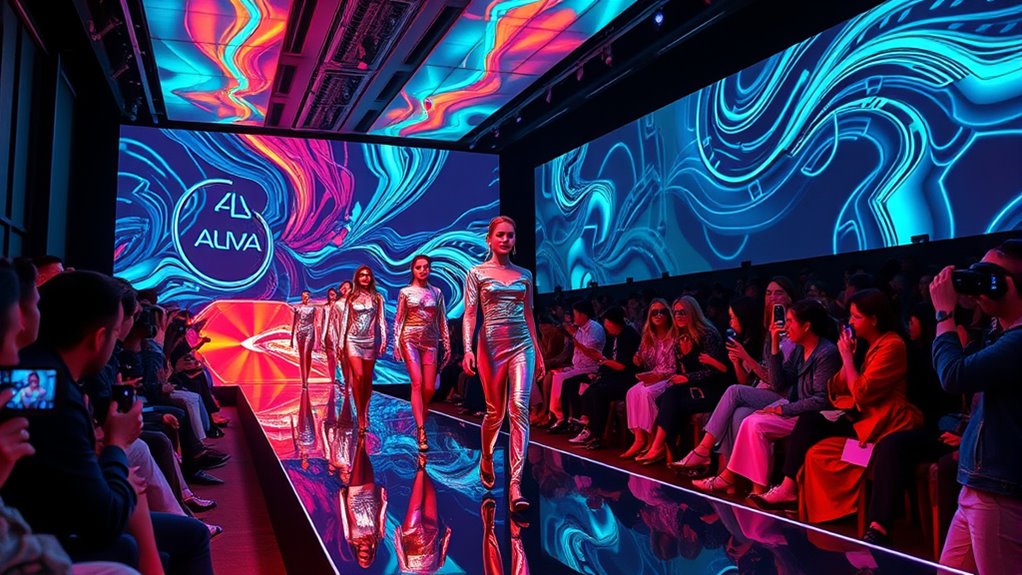
Fashion Week in the Digital Age is transforming how designers showcase their collections and how audiences experience them. Gone are the days when attending a physical runway was the only way to see the latest trends. Instead, digital fashion weeks, like those held in London and Helsinki, leverage live streaming, virtual runways, and 3D digital collections to connect globally.
Digital fashion weeks are transforming shows with live streaming, virtual runways, and 3D collections for a global audience.
With just a click, you can access these events from anywhere, making fashion more inclusive and accessible than ever before. The digital shift also encourages innovation in content creation, allowing designers to experiment with new storytelling formats that resonate with modern audiences.
Major brands such as Dior and Balenciaga have embraced the digital shift, achieving viewership numbers exceeding 95 million through immersive digital content. These brands use social media and live streaming to broadcast their shows in real-time, allowing millions of viewers to witness the unveiling of new collections simultaneously.
This approach not only broadens reach but also enhances engagement, as audiences can comment, share, and interact during the shows. Virtual reality and augmented reality take this interaction further, offering immersive experiences that make you feel like you’re right there on the virtual runway or trying on virtual garments through AR fittings.
Virtual formats open a new domain for storytelling in the fashion industry. Instead of static runway presentations, designers experiment with holographic displays, VR environments, and augmented reality experiences that deepen your connection with the collections.
These innovations foster a sense of participation, immersing you in the creative process and allowing for personalized interactions. As a result, fashion becomes more than just visual; it’s an experience you can explore interactively through your device. Embracing digital innovation is crucial for brands aiming to stay relevant in this rapidly evolving landscape.
One of the most significant advantages of digital fashion weeks is their contribution to environmental sustainability. By shifting away from traditional physical shows, brands reduce logistics, waste, and resource consumption linked to transportation, staging, and production. Incorporating sustainable practices also encourages brands to prioritize eco-friendly materials and transparent supply chains, which resonate with environmentally conscious consumers.
This eco-friendly approach aligns with growing consumer demands for sustainable practices, making fashion more responsible. Hybrid fashion shows, combining physical events with digital elements, are emerging as a sustainable solution.
They allow brands to maintain the glamour of physical presentations while expanding access through digital platforms.
Additionally, this shift is supported by advancements in digital content creation and dissemination techniques, which continue to evolve rapidly.
Ultimately, digital fashion weeks are reshaping the fashion industry by making it more innovative, inclusive, and sustainable. With immersive digital content, social media integration, and cutting-edge technologies like virtual reality and augmented reality, you’re invited to experience fashion in a way that’s more interactive and environmentally conscious.
This evolution guarantees that fashion remains relevant and exciting in the digital age, connecting designers and audiences across borders in ways never before possible.
virtual reality fashion try-on headset
As an affiliate, we earn on qualifying purchases.
As an affiliate, we earn on qualifying purchases.
Frequently Asked Questions
How Is Fashion Evolving in the Digital Age?
You see fashion evolving rapidly through digital platforms, making shows more accessible worldwide. Livestreams, virtual couture, and holographic displays let you experience runway moments from anywhere.
Technologies like VR and AR create immersive, interactive experiences, while digital and hybrid events promote sustainability.
You can explore innovative designs in virtual environments, breaking traditional boundaries and democratizing fashion, making it more inclusive, environmentally friendly, and creatively limitless for everyone involved.
What Is a Digital Fashion Show?
A digital fashion show is an online event where designers showcase their collections using virtual platforms, holograms, and augmented reality. You can watch virtual models and immersive environments that bring clothing to life in ways physical runways can’t match.
It’s accessible worldwide through livestreams or on-demand videos. This format lets you explore intricate designs digitally, reduces environmental impact, and offers a more interactive, innovative experience for fashion enthusiasts like you.
Is Digital Clothing the Future of Fashion?
You might think digital clothing is just a trend, but it’s actually revolutionizing fashion as we understand it. With incredible detail, realism, and endless customization, digital fashion is transforming how you express yourself online.
It’s eco-friendly, innovative, and perfectly suited to our digital lives. As virtual worlds grow, you’ll find digital clothing becoming an essential part of your wardrobe—making it clear that the future of fashion is digital and unstoppable.
What Are the 4 Major Fashion Weeks?
You’re asking about the four major fashion weeks. They’re New York, Paris, Milan, and London Fashion Weeks. These events happen twice a year and showcase the latest collections for each season.
They attract global media, buyers, and top designers, setting trends worldwide. Both high-profile brands and emerging talents debut their work here.
Recently, digital elements like livestreams and virtual shows have become part of these iconic fashion weeks.
Conclusion
As you immerse yourself in the vibrant buzz of digital Fashion Week, you feel the pulse of flashing screens and shimmering runways right at your fingertips. Virtual front rows reveal intricate designs glowing like stars, while live streams paint a vivid tapestry of creativity. In this digital age, fashion transcends borders, wrapping you in a whirlwind of color, innovation, and possibility. You’re not just watching—you’re part of a global runway, where imagination and technology collide in dazzling harmony.
Fall Picks
fall essentials
As an affiliate, we earn on qualifying purchases.