Space tourism is becoming a reality thanks to advanced spacecraft design and extensive training programs. Engineers focus on creating safe, efficient, and comfortable vehicles with lightweight, durable materials and cutting-edge technology. This helps travelers adapt to microgravity and handle emergencies more easily. As the industry grows, more people will have the chance to experience space firsthand. Keep exploring to discover how innovation and training are turning space travel into an accessible adventure for all.

Get the latest gadgets delivered free — and shop member deals
- Fast, free delivery on millions of items
- Access to Prime Big Deal Days deals on October 6–7
- Prime Video, Amazon Music and more included
Key Takeaways
- Advancements in spacecraft design improve safety, comfort, and accessibility for commercial space travelers.
- Cutting-edge materials and technology enable spacecraft to withstand harsh space environments.
- Comprehensive training programs prepare tourists for microgravity, emergencies, and spacecraft systems.
- Enhanced cabin layouts and sensory cues facilitate easier adaptation and task performance during spaceflight.
- The evolution of space tourism aims to make space travel more affordable and available to the general public.

Have you ever wondered what it would be like to travel beyond Earth’s atmosphere? For years, space tourism was a distant dream, but now it’s becoming a real possibility. The journey begins long before you strap into a spacecraft; it starts with the meticulous design of the vehicle itself. Spacecraft design isn’t just about making something that looks impressive—it’s about safety, efficiency, and comfort. Engineers develop lightweight yet durable materials to withstand the harsh conditions of space, ensuring your trip is as smooth as possible. Every component, from life support systems to propulsion, is carefully engineered to protect you and provide the necessary environment for the journey. This design process involves cutting-edge technology, blending aerodynamics, materials science, and advanced robotics. The design of the spacecraft directly influences your training, as well-designed cabins can help mitigate issues like disorientation caused by microgravity. Once the spacecraft is built, it’s time for astronaut training, which is more rigorous than most people imagine. You don’t just learn how to operate the controls; you undergo thorough preparation to handle the physical, mental, and emotional challenges of space travel. Training sessions include simulated spacewalks, centrifuge rides that mimic the g-forces of launch and re-entry, and lessons on emergency procedures. You’ll also learn to adapt to microgravity, which can cause disorientation and motion sickness. The goal is to make sure you’re confident and prepared for every aspect of the trip, from launch to landing. This training is essential, as it helps you understand the spacecraft’s systems and boosts your confidence in handling unexpected situations. Additionally, understanding ear wax odor or other sensory cues can be helpful in recognizing environmental changes during spaceflight. The design of the spacecraft directly influences your training. For example, a well-designed cabin prioritizes comfort and safety, making it easier for you to adapt to microgravity. The layout affects how quickly you can move and perform tasks, which becomes vital during emergencies. Astronaut training also includes familiarization with the spacecraft’s controls, ensuring you’re comfortable maneuvering the environment. This combination of sophisticated spacecraft design and thorough training makes space tourism safer and more accessible than ever before. It’s no longer just about scientists and astronauts; now, everyday travelers are getting the chance to experience space firsthand. As you prepare for your trip, you realize that space tourism isn’t just about reaching space; it’s about the intricate blend of engineering, science, and training that makes it possible. With each step, from the design of the craft to the rigorous training, you’re becoming part of a new era—one where space travel is no longer exclusive but within your reach. The future of tourism is truly out there, waiting for you to take that leap beyond Earth’s atmosphere.
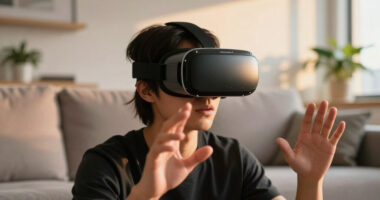
space tourism training simulator
As an affiliate, we earn on qualifying purchases.
As an affiliate, we earn on qualifying purchases.
Frequently Asked Questions
What Are the Long-Term Health Effects of Space Travel?
You might face long-term health effects like increased risks from space radiation, which can damage your DNA and heighten cancer chances. Muscle atrophy could also occur due to reduced gravity, weakening your muscles and bones over time. These effects pose challenges for space tourists, so ongoing research aims to develop protective measures, ensuring your health stays safer during extended space journeys.
How Do Space Tourists Prepare Physically and Mentally?
Think of your journey like training to be an astronaut. You prepare physically through rigorous routines—strength training, cardiovascular exercises, and flexibility drills—to build resilience. Mentally, you foster mental resilience by practicing mindfulness and stress management, like tuning a musical instrument for harmony. These preparations help you stay focused, calm, and ready to face the weightlessness and challenges of space, ensuring you can enjoy the adventure safely and fully.
What Safety Measures Are in Place During Space Trips?
During your space trip, spacecraft safety is a top priority, with rigorous engineering and regular maintenance ensuring reliable performance. Emergency protocols are in place, so you know exactly what to do if something goes wrong, including escape procedures and communication systems. Your training also covers safety measures, so you feel prepared and confident. These safeguards work together to minimize risks and keep you secure throughout your incredible journey.
How Accessible Is Space Tourism for Different Income Levels?
Space tourism remains largely inaccessible to most due to affordability challenges that widen socioeconomic disparities. You might find prices are extremely high, limiting opportunities to wealthy individuals or corporations. Although companies are working on reducing costs and developing more affordable options, it’s still a niche market. For now, space tourism isn’t yet within reach for the average person, but ongoing advancements could someday make it more accessible to a broader range of income levels.
What Are the Environmental Impacts of Space Tourism?
You might be concerned about space tourism’s environmental impacts, and they can be significant. Spacecraft emissions contribute to atmospheric pollution and climate change. However, companies are adopting sustainable practices and adhering to environmental regulations to minimize these effects. By supporting these efforts, you help promote responsible space travel that balances exploration with environmental preservation. Your awareness can encourage industry improvements, making space tourism more eco-friendly in the future.
Conclusion
As you step aboard this cosmic voyage, think of space tourism as opening a door to a new universe—your own tiny galaxy amid the stars. What was once a distant dream now beckons like a shining beacon, inviting you to explore uncharted worlds. With each launch, you’re not just a passenger—you’re an explorer charting a course through the vast, wondrous ocean of the cosmos. Embrace this journey; your adventure among the stars has just begun.
Fall Picks
fall essentials
As an affiliate, we earn on qualifying purchases.