Thermal imaging cameras are practical tools used across many industries. They help you identify insulation leaks, electrical faults, and hidden issues easily. In security, they let you monitor areas without lights, even in fog or smoke. Outdoors, they track animals silently in low light. Emergency services use them to find missing or injured people in tough conditions. If you want to discover more about their versatile applications, keep exploring how these tools can benefit you.

Get the latest gadgets delivered free with Prime
- Fast, free delivery on millions of items
- Prime Video, Amazon Music and more included
- Member-only deals all year
Key Takeaways
- They identify insulation issues and electrical faults, preventing costly repairs and enhancing safety in buildings.
- Used in security to monitor large areas, detect intruders, and operate effectively in darkness or adverse weather.
- Facilitate wildlife observation by tracking animals in low-light conditions without disturbance.
- Aid search and rescue missions by locating missing persons or injured individuals in challenging environments.
- Support maintenance and safety inspections by revealing hidden heat-related problems in structures and equipment.
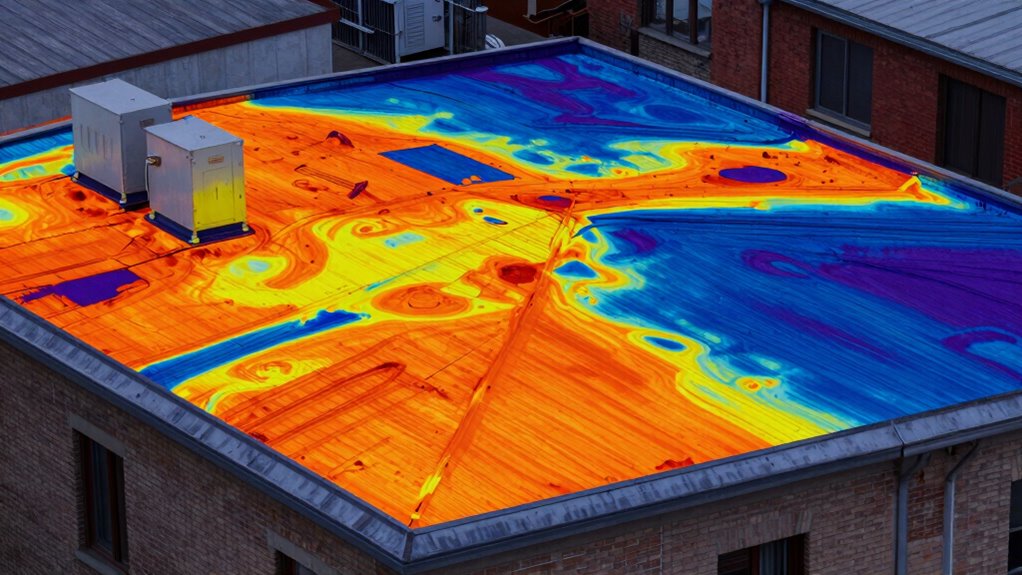
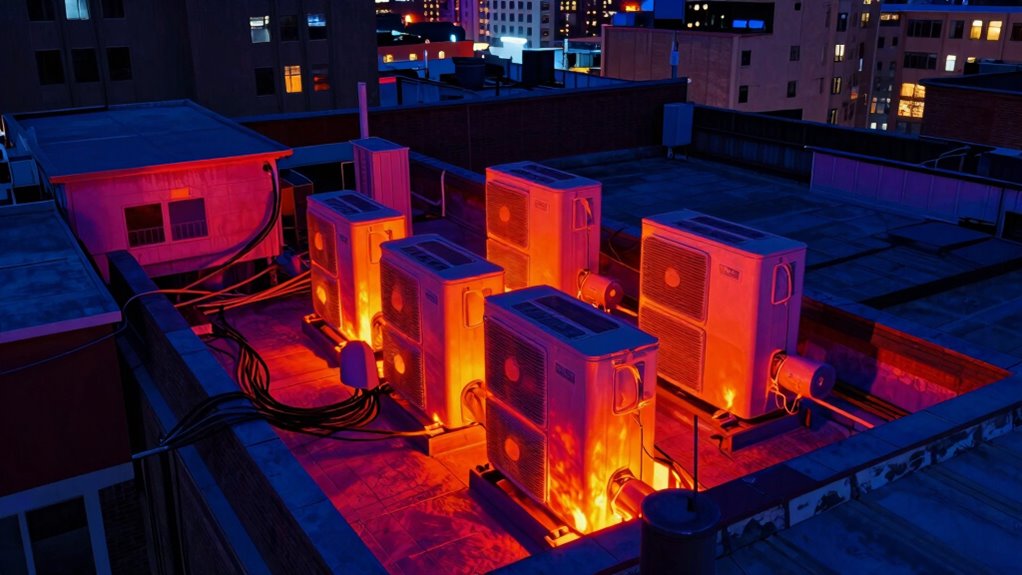
Thermal imaging cameras are powerful tools that detect heat and translate it into visible images, allowing you to see what’s hidden to the naked eye. They use infrared detection to identify temperature differences, making them invaluable in situations where visibility is limited or where hidden issues need uncovering. Unlike conventional cameras, which rely on visible light, thermal imaging cameras work regardless of lighting conditions, providing real-time images based solely on heat emissions. This capability makes them essential for night vision, giving you a clear view in complete darkness, fog, or smoke.
When you’re using thermal imaging cameras for infrared detection, you gain the ability to spot things that would otherwise remain concealed. For example, in building inspections, you can quickly identify insulation gaps, leaks, or electrical faults by observing heat patterns. This helps you address problems early, preventing costly repairs or dangerous failures. In the context of security, these cameras allow you to monitor large areas without the need for external lighting, making them ideal for nighttime surveillance. You can detect intruders, animals, or unauthorized activity even when visibility would normally be impossible.
In outdoor pursuits like hunting or wildlife observation, thermal imaging offers a significant advantage. It allows you to track animals in low-light conditions or dense foliage by sensing their body heat, giving you a clear advantage over traditional night vision equipment. While night vision amplifies existing light, thermal imaging provides a direct readout of heat signatures, making it more effective in complete darkness or obscured environments. This makes your monitoring more reliable and precise, especially when quick decisions are necessary. Additionally, the ability to detect heat signatures can aid in studying and protecting wildlife by observing animal behavior without disturbing their natural habitat.
In emergency situations, thermal imaging cameras become life-saving devices. Search and rescue teams depend on them to locate missing persons or injured individuals hidden by darkness, debris, or adverse weather. Because they don’t depend on visible light, you can scan large areas rapidly and accurately. This ability to detect subtle heat differences can mean the difference between life and death, especially in challenging conditions where traditional visibility tools fall short.
thermal imaging camera for home inspection
As an affiliate, we earn on qualifying purchases.
As an affiliate, we earn on qualifying purchases.
Frequently Asked Questions
How Accurate Are Thermal Imaging Cameras in Different Environmental Conditions?
Thermal imaging cameras’ accuracy varies depending on environmental interference and calibration challenges. You might notice less precision in humid, windy, or rainy conditions, as moisture and air currents affect readings. Regular calibration helps improve accuracy, but environmental factors can still cause discrepancies. You should consider these limitations when using thermal cameras outdoors or in complex environments, ensuring you interpret thermal images carefully to avoid misjudging temperature differences.
What Is the Typical Lifespan of a Thermal Imaging Camera?
You can expect a thermal imaging camera to last around 5 to 10 years, depending on usage and maintenance. Regular calibration procedures guarantee consistent accuracy over time, while good battery longevity depends on the model and how often you use it. Proper care, like storing it in a cool environment and performing routine checks, can extend your camera’s lifespan, helping you get reliable thermal imaging for years to come.
Are There Any Safety Concerns When Using Thermal Cameras?
Sure, there’s no need to panic—thermal cameras are generally safe when you follow safety protocols and get proper user training. The real danger lies in overlooking basic precautions, like avoiding direct eye exposure to intense heat sources or mishandling equipment. So, stay alert, read the manual, and practice responsible use. That way, you can enjoy the cool tech without risking unintended burns or mishaps.
How Do Thermal Imaging Cameras Differ From Infrared Thermometers?
You’ll find thermal imaging cameras differ from infrared thermometers mainly in how they measure temperature. Cameras provide a full thermal image, showing temperature variations with color accuracy, while thermometers give a single point reading. To guarantee reliable results, you need to follow proper calibration procedures regularly. Thermal cameras require calibration for color accuracy across the entire image, whereas infrared thermometers typically need less frequent calibration.
What Maintenance Is Required to Keep Thermal Cameras Operational?
Imagine your thermal camera as a vigilant guardian, always ready to detect temperature changes. To keep it operational, you need to regularly perform calibration procedures to guarantee accuracy and check for any misalignments. Additionally, you should maintain the battery by charging it properly and replacing it when needed. Regular cleaning of the lens also helps prevent dirt and smudges from interfering with image quality, ensuring your camera stays reliable and precise.
Conclusion
As you hold a thermal imaging camera, you’re wielding a lantern in the darkness—illuminating unseen worlds and revealing hidden truths. It’s more than a gadget; it’s a beacon guiding you through the shadows of uncertainty, helping you see what’s otherwise invisible. Embrace its symbolism, and let it serve as a reminder that sometimes, the greatest insights come from shining light where darkness once prevailed, transforming the unseen into clarity.
Halloween Picks
halloween
As an affiliate, we earn on qualifying purchases.