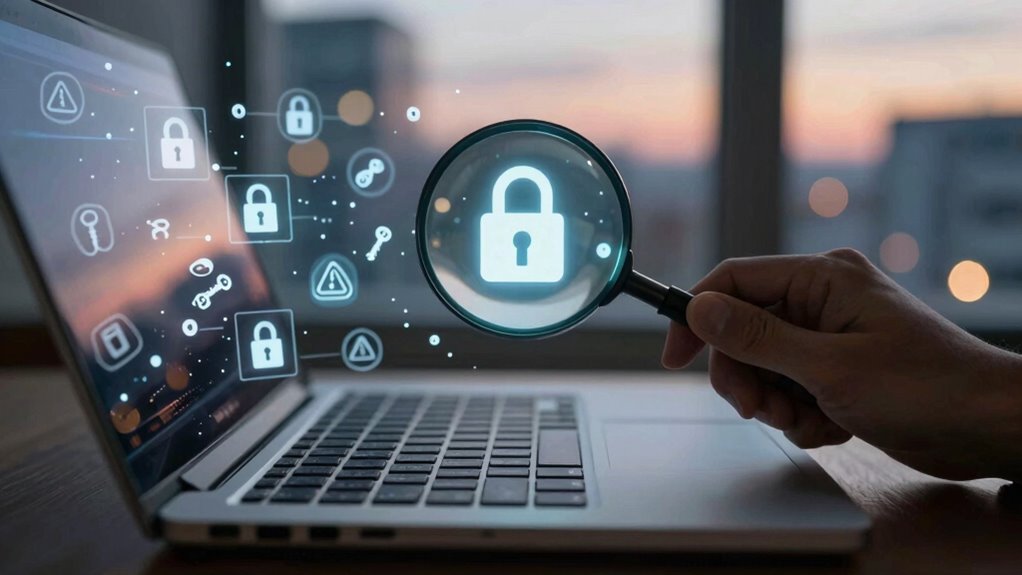

After a data breach, act quickly to assess what information was compromised, and immediately change affected passwords using a strong, unique one. Enable two-factor authentication and monitor your financial accounts regularly for suspicious activity. Consider placing a fraud alert or credit freeze to prevent unauthorized accounts. Stay vigilant about phishing scams and avoid suspicious links or attachments. Keep your security software up to date and educate yourself on common cyber threats—if you keep informed, you’ll better protect your identity long-term.

Get the latest gadgets delivered free with Prime
- Fast, free delivery on millions of items
- Prime Video, Amazon Music and more included
- Member-only deals all year
Key Takeaways
- Change passwords immediately for affected accounts and enable two-factor authentication for added security.
- Regularly review credit reports and financial statements for suspicious activity.
- Place a fraud alert or credit freeze to prevent unauthorized account openings.
- Monitor accounts actively and report any suspicious transactions promptly.
- Educate yourself on common scams and cybersecurity best practices to avoid future breaches.
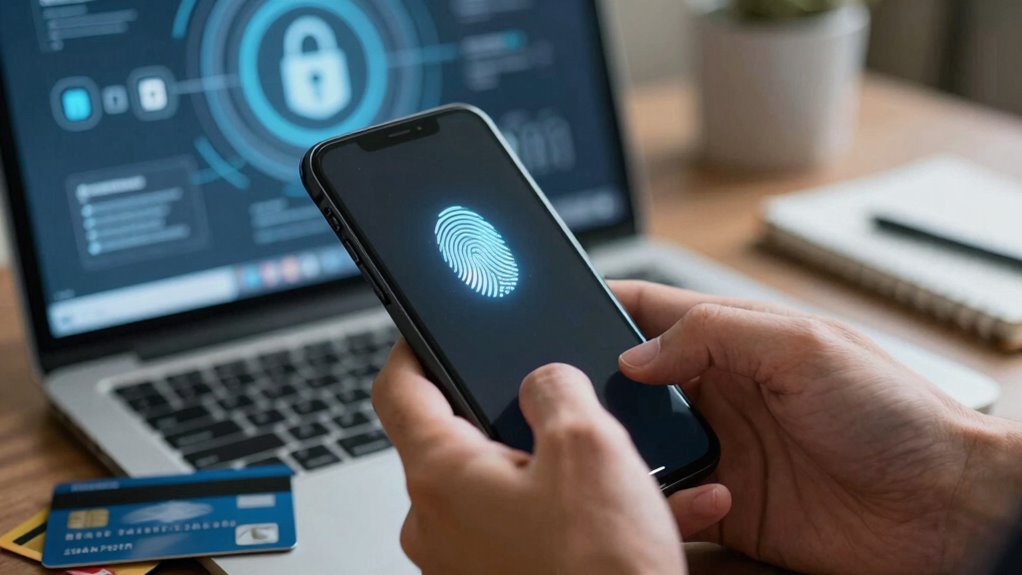
When a data breach occurs, it’s essential to act quickly to protect your personal information from being exploited. Your first priority is to assess the situation and understand what information may have been compromised. Cybersecurity awareness becomes crucial here—knowing which details are most vulnerable helps you respond effectively. For instance, if your social security number or bank details were exposed, you’ll need to take immediate steps to prevent identity theft. Staying informed about Cybersecurity awareness and common tactics used by cybercriminals can also help you recognize suspicious activity early. Implementing password security best practices can further strengthen your defenses against future threats.
Once you’ve identified the breach, you should change your passwords for affected accounts and any others that share similar login details. Use strong, unique passwords for each account, ideally generated by a password manager. Enable two-factor authentication whenever possible, adding an extra layer of security. These fraud prevention techniques make it more difficult for hackers to access your accounts, even if they have your login information. Be cautious about clicking links or opening attachments from unknown sources, as phishing scams often increase after a breach, attempting to trick you into revealing more personal data.
Change passwords, enable two-factor authentication, and beware of phishing scams to protect your accounts after a breach.
Monitoring your financial statements and credit reports regularly becomes essential in detecting fraudulent activity early. Look for unfamiliar transactions or accounts you didn’t open. Many credit bureaus offer free monitoring services that can alert you to suspicious activity. If you notice anything unusual, report it immediately to your bank or credit card company and consider placing a fraud alert or credit freeze on your files. This limits the ability of anyone to open new accounts in your name without your approval. Additionally, understanding cyberattack techniques can help you better recognize potential threats and avoid falling victim to them. Educating yourself about emerging cybersecurity threats is equally important, as cybercriminals constantly adapt their methods. Staying updated on security breaches and their impact can prepare you to respond more effectively in the future.
It’s also wise to notify relevant institutions about the breach, especially if your financial or personal information was compromised. They can guide you through additional protective measures, such as issuing new accounts or cards. Educate yourself further on cybersecurity awareness—understanding common scams and security best practices helps you avoid falling victim to future attacks. Always stay vigilant, and remember that proactive steps are your best defense. Crises like data breaches can feel overwhelming, but acting swiftly with informed decisions significantly reduces your risk of identity theft and financial loss. Keep your security measures up-to-date and remain cautious about sharing personal information online. By staying aware and practicing fraud prevention techniques, you can better safeguard your identity against evolving cyber threats.
As an affiliate, we earn on qualifying purchases.
Frequently Asked Questions
Can I Completely Erase My Online Presence After a Breach?
You can’t completely erase your online presence, but you can substantially minimize your digital footprint. Start by reviewing and adjusting your privacy settings on social media and other platforms, limiting who can see your information. Delete unnecessary accounts and remove outdated or sensitive content. Use tools like data removal services to request your information be taken down. While total eradication isn’t always possible, these steps help protect your privacy and reduce your online exposure after a breach.
How Long Does It Typically Take to Recover From Identity Theft?
Recovering from identity theft is like climbing a steep mountain—you might stumble at first, but with persistence, you’ll reach the summit. It typically takes several months to a year, depending on the damage. During this climb, credit monitoring helps you spot issues early, while dedicated identity restoration efforts serve as your safety rope. Stay vigilant, and gradually, you’ll rebuild your financial fortress stronger than before.
Are There Specific Signs That Indicate My Identity Has Been Stolen?
Yes, you can spot signs of identity theft through financial fraud or suspicious activity. Look out for unfamiliar charges on your bank or credit card statements, unexpected alerts from your financial institutions, or accounts you didn’t open. Also, monitor your credit reports for unfamiliar accounts or inquiries. If you notice any of these signs, act quickly by reporting the fraud to your bank and credit bureaus to minimize damage.
Should I Change All My Passwords Immediately After a Breach?
Yes, you should change all your passwords immediately after a breach. Prioritize updating passwords for your most sensitive accounts, like banking and email, using strong, unique passwords. Use a password management tool to keep track of new passwords easily. Additionally, review your accounts for suspicious activity and make sure you implement security updates. Regularly updating passwords and maintaining good password management practices help protect your identity and prevent further damage.
How Can I Prevent Future Data Breaches at My Workplace?
Isn’t preventing future data breaches a top priority? You can achieve this by implementing thorough employee training to raise awareness about security risks and best practices. Additionally, tighten access controls, ensuring only authorized personnel can reach sensitive information. Regularly updating security protocols and monitoring systems also helps. By fostering a security-minded culture and enforcing strict controls, you greatly reduce the risk of breaches at your workplace.
Conclusion
So, after your info’s been splashed all over the digital town square, what’s next? Shield your identity like a secret agent—change passwords, monitor accounts, and stay vigilant. Because nothing says “fun” like chasing down hackers in the wild west of the internet. Remember, your data’s more fragile than a soap bubble—so protect it fiercely, laugh at the chaos, and keep your digital life as secure as Fort Knox, minus the gold.
Halloween Picks
halloween
As an affiliate, we earn on qualifying purchases.