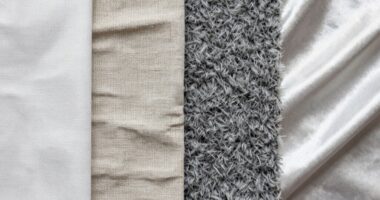
To extend the life of your garments, you can master simple DIY repairs like sewing small tears, patching holes, or fixing broken zippers. Use basic sewing tools and match thread colors for seamless fixes. Reinforcing worn areas and replacing zippers quickly can prevent further damage. With patience and practice, you’ll be able to make effective repairs, saving money and reducing waste. Keep exploring these techniques, and you’ll find even more ways to keep your clothes looking great.

Get the latest gadgets delivered free — and shop member deals
- Fast, free delivery on millions of items
- Access to Prime Big Deal Days deals on October 6–7
- Prime Video, Amazon Music and more included
Key Takeaways
- Assess damage carefully to choose appropriate repair methods, such as hand stitching or patching.
- Use matching thread and fabric patches for seamless, durable repairs.
- Reinforce tears with patches or sewing techniques to prevent further damage.
- Reattach or replace zippers using basic sewing tools and repair kits for quick fixes.
- Developing basic sewing skills helps extend garment lifespan and promotes sustainable clothing habits.

Have you ever hesitated to repair a torn shirt or a broken zipper, thinking it’s too complicated or time-consuming? Many people feel the same way, but the truth is, with a little practice, fabric mending becomes straightforward, and you can breathe new life into your favorite clothes. The key lies in understanding basic sewing techniques that are easy to learn and effective. You don’t need to be a professional seamstress; just a bit of patience and the right tools, and you’re set to restore garments quickly and cheaply.
When it comes to fabric mending, the first step is evaluating the damage. For small tears or holes, a simple hand stitch can be enough to fix the problem. Using a needle and thread that matches your fabric, you can sew around the edges of the tear, pulling the fabric together seamlessly. For larger tears, you might need to reinforce the repair with a patch on the inside of the garment. This not only covers the hole but also adds strength, preventing further damage. You can cut a piece of fabric from an old shirt or buy a matching patch, then sew it securely over the tear using basic sewing techniques like zigzag stitches or straight stitches.
If you’re dealing with a broken zipper, don’t rush to replace the entire thing. Often, the fix is simple: reattaching the slider or replacing the zipper stop. To do this, you’ll need a zipper repair kit or a few basic sewing supplies. Using your sewing skills, you can sew along the zipper tape to secure the slider back in place. If the zipper teeth are misaligned or broken, replacing the entire zipper with a new one can be a quick and cost-effective fix. All you need is a good seam ripper to remove the old zipper, then sew in the new one with steady, even stitches. This process is a perfect example of how mastering basic sewing techniques can save you money and extend the life of your wardrobe. Additionally, understanding how to recognize common garment damages can help you identify repair needs early and prolong your clothing’s usability.
As an affiliate, we earn on qualifying purchases.
Frequently Asked Questions
What Tools Are Essential for Basic Clothing Repairs?
You’ll need a needle and thread for basic repairs like sewing seams or fixing hems. A sewing machine can speed things up, but remember to maintain it properly with regular sewing machine maintenance. Keep fabric care tips in mind to choose the right thread and needle for different fabrics. Scissors, pins, and a seam ripper are also essential to make your repairs precise and easy, extending your garments’ lifespan.
How Do I Choose the Right Thread Color for Repairs?
To choose the right thread color for repairs, focus on color matching your garment. Pick a thread that closely resembles the fabric’s shade for a seamless look. If you’re unsure, opt for a slightly darker hue, which can hide small imperfections better. When selecting thread, consider the fabric type and use thread selection that offers durability. Test the color on an inconspicuous area first to make certain of a perfect match.
Can I Fix All Types of Fabric at Home?
Think of your fabric like a garden; some plants thrive with gentle care, others require special attention. You can fix many fabric types at home, but some, like silk or delicate lace, need specific repair techniques or professional help. For sturdy denim or cotton, simple sewing can do the trick. Always assess your fabric types first, then choose the right repair techniques to guarantee your garment stays beautiful and durable.
How Long Do DIY Clothing Repairs Typically Last?
DIY clothing repairs usually last several months to years, depending on fabric type and repair quality. Thinner or delicate fabrics may have reduced fabric longevity, leading to shorter repair durability. Stronger, durable fabrics tend to hold up longer after repair. Proper techniques and materials can notably improve repair durability, helping your garments last longer. Regular care and timely fixes also boost the longevity, ensuring your DIY repairs stay intact for as long as possible.
When Should I Seek Professional Help Instead of DIY?
When repairs become complex, when fabrics fray, or when your stitches falter, it’s time to seek professional help instead of DIY. Professional consultation guarantees your garments get the expert touch they require, preventing further damage and extending their life. Don’t risk ruining your favorite pieces—trust specialists for complex repairs, intricate sewing, or delicate fabrics. Knowing when to step back saves time, money, and your wardrobe’s longevity.
Conclusion
By learning to mend your clothes, you not only save money but also embrace a timeless skill, much like the artisans of old who cherished their crafts. Every stitch you make extends the life of your garments, turning what might be trash into treasure. Remember, in a world racing toward disposability, your dedication to repair shows that you value sustainability and craftsmanship—because some lessons, like the art of sewing, are truly timeless.
Fall Picks
fall essentials
As an affiliate, we earn on qualifying purchases.