
TL;DR
A hobbyist has developed a custom x86 BIOS from scratch and successfully booted MS-DOS on the Behringer DDX3216, which uses an AMD Elan SC300 386 processor. This showcases the device’s hardware flexibility and opens possibilities for custom firmware development.
A hobbyist has successfully developed a custom x86 BIOS from scratch and booted MS-DOS on the Behringer DDX3216, a device powered by an AMD Elan SC300 386 processor. This achievement demonstrates the hardware’s compatibility with legacy operating systems and opens new avenues for DIY firmware projects on audio equipment.
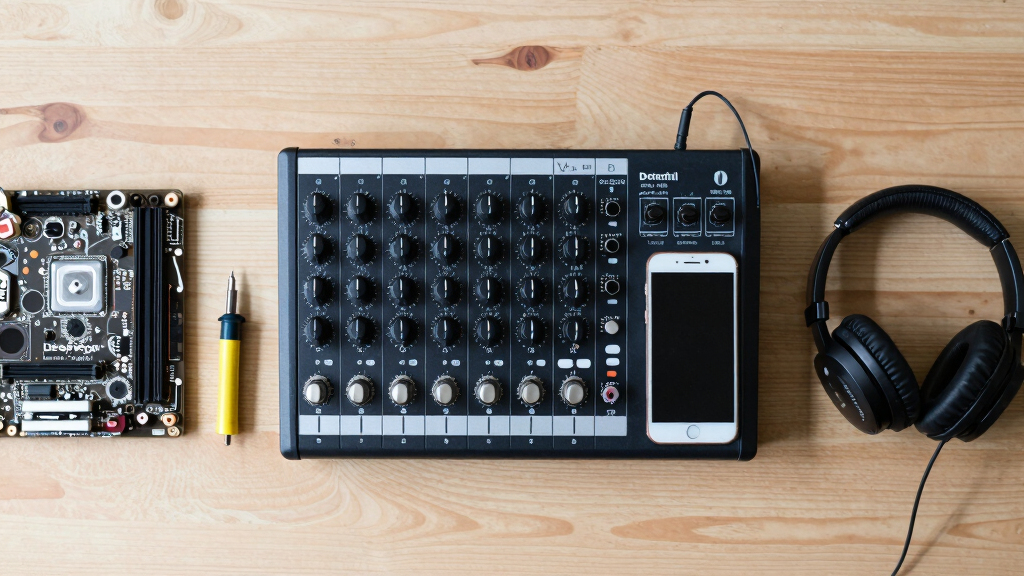
The Behringer DDX3216, a digital mixer, contains a built-in AMD Elan SC300 386 processor, which is capable of running x86-compatible software. The creator, whose work is documented on Hacker News, designed a custom BIOS starting from the reset vector, implementing real-mode x86 code to initialize the processor and load an operating system.
Using reverse-engineered details and programming in assembly, the developer crafted a reset vector at the end of the ROM (0xFFF0) that disables interrupts and jumps to the BIOS startup code. After developing and flashing this BIOS, they successfully booted MS-DOS 6.22 and FreeDOS 1.4, confirming the hardware’s compatibility with these legacy systems.
This process involved extensive low-level programming, including handling the x86 segmentation model, implementing interrupt functions, and managing hardware initialization routines. The effort underscores the potential for repurposing audio equipment and embedded devices with x86 architecture for custom computing tasks.
Potential for Legacy OS and Hardware Hacking
This development highlights the hardware flexibility of the Behringer DDX3216, showing that even specialized audio equipment can host full x86 operating systems like MS-DOS or FreeDOS. It opens possibilities for hobbyists and engineers to experiment with embedded systems, custom firmware, and legacy software on modern or specialized hardware. Such projects can lead to enhanced device capabilities, educational opportunities, and innovative uses of existing hardware platforms.
As an affiliate, we earn on qualifying purchases.
Hardware Details and BIOS Development Challenges
The DDX3216 is built around an AMD Elan SC300 386 SoC, a chip compatible with early x86 processors. Its hardware includes ROM, RAM, and interfaces suitable for running a basic operating system. The challenge was to develop a BIOS that could initialize this hardware and facilitate booting an x86 OS. The developer explored existing BIOS sources, contacted companies like PC Engines and Phoenix, but ultimately decided to create a custom BIOS from scratch, focusing on the reset vector and real-mode startup routines.
Previous efforts to find a compatible BIOS failed due to the age and proprietary nature of the hardware. The process involved understanding x86 boot procedures, segment addressing, and low-level hardware control, culminating in a working BIOS that loads DOS from a connected storage device.
“Developing a custom BIOS for the SC300 and booting MS-DOS demonstrates the hardware’s compatibility with legacy x86 software, opening new possibilities for embedded device hacking.”
— Hacker News contributor
Remaining Technical Challenges and Hardware Limitations
While the developer successfully booted MS-DOS and FreeDOS, it is not yet clear whether all hardware components of the DDX3216, such as audio interfaces and special I/O, are fully functional under the custom BIOS. Compatibility with more modern or complex software environments remains untested, and stability over extended operation is still unknown.
Further, replicating this process on other units or hardware revisions may present additional challenges due to hardware variations or undocumented features.
Next Steps for Hardware Integration and Software Expansion
The developer plans to refine the BIOS for better hardware support, including audio and control interfaces. They also aim to explore booting other operating systems or custom firmware, potentially transforming the DDX3216 into a general-purpose embedded computer. Sharing detailed documentation and source code is likely to encourage community involvement and further experimentation.
Future milestones include achieving stable long-term operation, enabling user-friendly interfaces, and possibly porting additional legacy or modern OSes.
Key Questions
Can this method be applied to other audio hardware?
Potentially, if the hardware uses an x86-compatible processor and similar ROM/BIOS architecture, similar BIOS development and booting methods could be attempted.
Does booting DOS improve the DDX3216’s capabilities?
Booting DOS mainly demonstrates hardware compatibility; it does not inherently enhance device features but allows for custom firmware development and experimentation.
Is this process safe for the device?
Modifying firmware always carries risks, including bricking the device. It should only be attempted by experienced users with proper backups and precautions.
Will this work on newer versions or models?
This depends on hardware compatibility. The specific process is tailored to the AMD Elan SC300-based hardware of the DDX3216 and may not directly apply to newer models without modifications.
Source: Hacker News