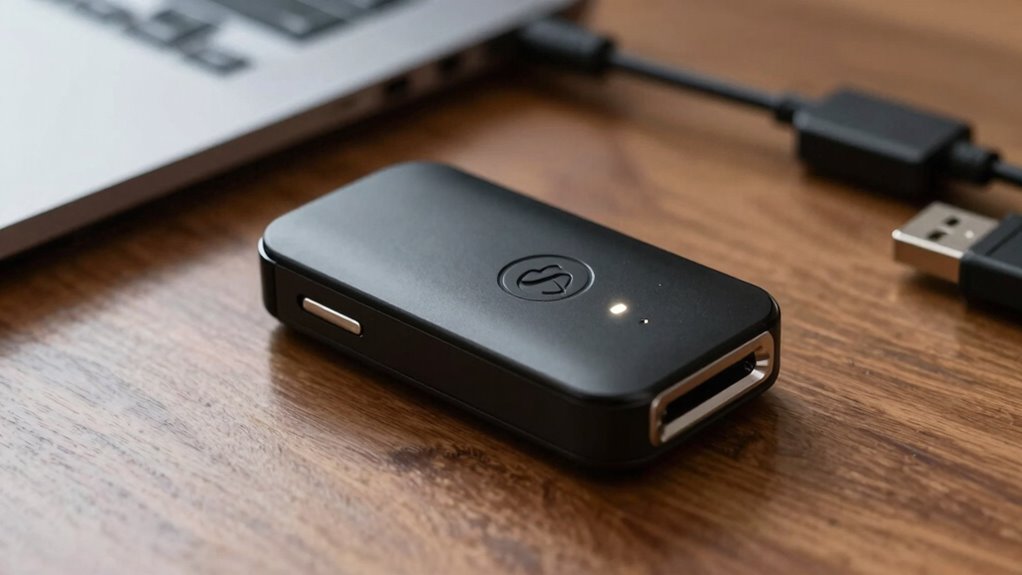

Hardware security keys are worth it if you handle sensitive information or want the highest level of online protection, since they require physical proximity and store cryptographic keys offline. They’re more secure than biometrics, less vulnerable to spoofing, and compatible with many services. While they cost around $20-$60, they’re a great investment for peace of mind. To learn which situations make them essential and how to choose the right one, keep exploring the key benefits.

Get the latest gadgets delivered free with Prime
- Fast, free delivery on millions of items
- Prime Video, Amazon Music and more included
- Member-only deals all year
Key Takeaways
- They are worth it for high-security needs, preventing remote hacking and unauthorized access.
- Ideal when managing sensitive or confidential information requiring maximum protection.
- Useful if you prioritize physical, tamper-resistant authentication over biometric options.
- Cost-effective for frequent access to critical accounts, justifying the investment.
- Best suited for users with privacy concerns or those wary of biometric vulnerabilities.
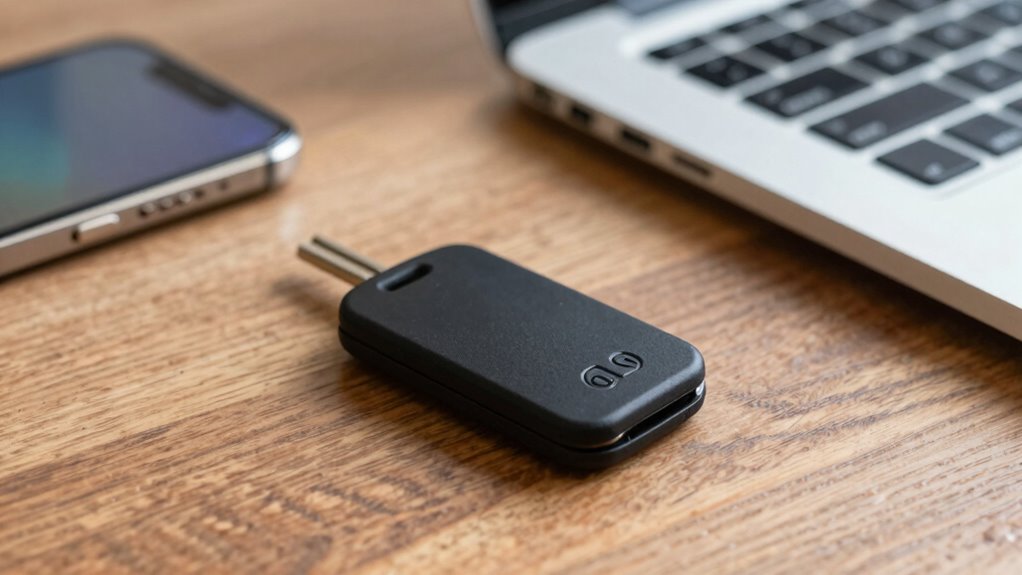
Hardware security keys are often more secure than biometric alternatives, such as fingerprint scanners or facial recognition, because they require physical possession. Biometrics can sometimes be fooled or hacked, especially with advanced spoofing techniques, whereas a hardware key offers a tangible, difficult-to-duplicate token. This makes them a reliable choice for individuals who prioritize security above convenience. Additionally, their ability to provide a physical security layer] is a key advantage in protecting sensitive accounts. However, they do come with a cost—usually ranging from $20 to $60 per device—so you’ll want to evaluate whether that expense is justified for your needs.
The benefits of hardware security keys go beyond security. They’re easy to use once set up, often working with multiple services like Google, Microsoft, and many others. Plus, they provide a quick, straightforward login process, which can be more convenient than remembering complex passwords or dealing with biometric failures. However, they do require you to carry the device with you, and if lost, you’ll need backup options like recovery codes. That’s why a thorough cost benefit analysis is crucial. You should consider how often you access sensitive accounts, your risk tolerance, and whether the added security outweighs the potential inconvenience or cost.
For some, biometric alternatives may seem more appealing due to their convenience; you unlock accounts with a fingerprint or face scan, which feels seamless. But these methods are not always foolproof, and some might worry about privacy concerns or data breaches involving biometric data. Hardware security keys, in contrast, store cryptographic keys offline, making them less vulnerable to remote hacking attempts. This physical security aspect can be particularly appealing for professionals handling confidential information or anyone looking for the highest level of account protection. Additionally, understanding the security benefits of hardware keys can help you make an informed decision about their value.
hardware security keys for online accounts
As an affiliate, we earn on qualifying purchases.
As an affiliate, we earn on qualifying purchases.
Frequently Asked Questions
Are Hardware Security Keys Compatible With All Devices and Operating Systems?
Hardware security keys are generally compatible with most devices and operating systems, but you should check specific device compatibility and operating system support first. Many keys work with Windows, macOS, Linux, Android, and iOS, but some may require adapters or specific software. Confirm your device has the necessary ports (USB, NFC, Bluetooth) and that the key supports your OS to guarantee seamless integration and security.
What Is the Cost Comparison Between Hardware Security Keys and Software Solutions?
Security key pricing usually ranges from $20 to $50 per device, making them a one-time investment. In contrast, software solution costs can vary widely, often requiring monthly or annual subscriptions that add up over time. While hardware keys might seem pricier initially, they offer more robust security. You should weigh the upfront cost against ongoing software expenses to determine what best fits your budget and security needs.
How Do Hardware Security Keys Protect Against Phishing Attacks?
Hardware security keys protect against phishing attacks by enabling strong, two-factor authentication that intercepts malicious login attempts. When you try to access your account, the key verifies your identity based on security protocols, ensuring only you can log in. This prevents phishing prevention methods from tricking you into revealing passwords, making your accounts far more secure. By using a hardware key, you add an extra layer of protection against sophisticated phishing schemes.
Can Hardware Security Keys Be Lost or Stolen, and What Then?
Yes, hardware security keys can be lost or stolen. To prevent theft, choose a secure storage method and activate two-factor authentication. If it happens, your recovery options are vital—many services allow you to set backup methods like backup keys or alternative authentication options. Regularly updating your security settings and promptly reporting a lost key help protect your accounts from unauthorized access. Always stay vigilant to guarantee theft prevention and easy recovery.
Are Hardware Security Keys Necessary for Casual Internet Users?
Sure, hardware security keys might seem like overkill for casual internet users, but they’re a small price for safeguarding your user privacy. You could enjoy the convenience trade-offs, like carrying around a tiny device, or risk your accounts being compromised. Think about it: is a little extra security worth the hassle? For most, the peace of mind from a hardware key outweighs the inconvenience, making it a smart choice.
Conclusion
In the world of web security, hardware security keys hold high-value help for hackers’ havoc. If you’re after airtight access, absolute assurance, and absolute ease, investing in these innovative keys makes sense. They provide a sturdy shield, safeguarding your sensitive data with simple security solutions. So, weigh the worth of these wonderful, wearable wonders—because protecting your privacy is practically priceless, and hardware keys could be your best bet for bulletproof protection.
Halloween Picks
halloween
As an affiliate, we earn on qualifying purchases.