
Biometric technology makes your life easier by offering fast, secure access to devices and services. However, it raises privacy concerns because your biometric data, once stolen, can’t be changed like a password. Security breaches can lead to misuse, identity theft, and unauthorized surveillance. Laws like GDPR regulate how your data is handled, but risks still exist. To better understand how to protect yourself and the technology, explore the key issues involved.

Get the latest gadgets delivered free — and shop member deals
- Fast, free delivery on millions of items
- Access to Prime Big Deal Days deals on October 6–7
- Prime Video, Amazon Music and more included
Key Takeaways
- Biometric data is immutable, making breaches irreversible and increasing long-term privacy risks.
- Proper encryption and secure storage are essential to prevent unauthorized access to sensitive biometric information.
- Regulatory frameworks like GDPR and Illinois Biometric Privacy Act mandate informed consent and limit data usage.
- Biometric systems are vulnerable to hacking, spoofing, and false positives, raising security concerns.
- Embedded biases and misuse can lead to discrimination and unauthorized surveillance, impacting personal freedoms.
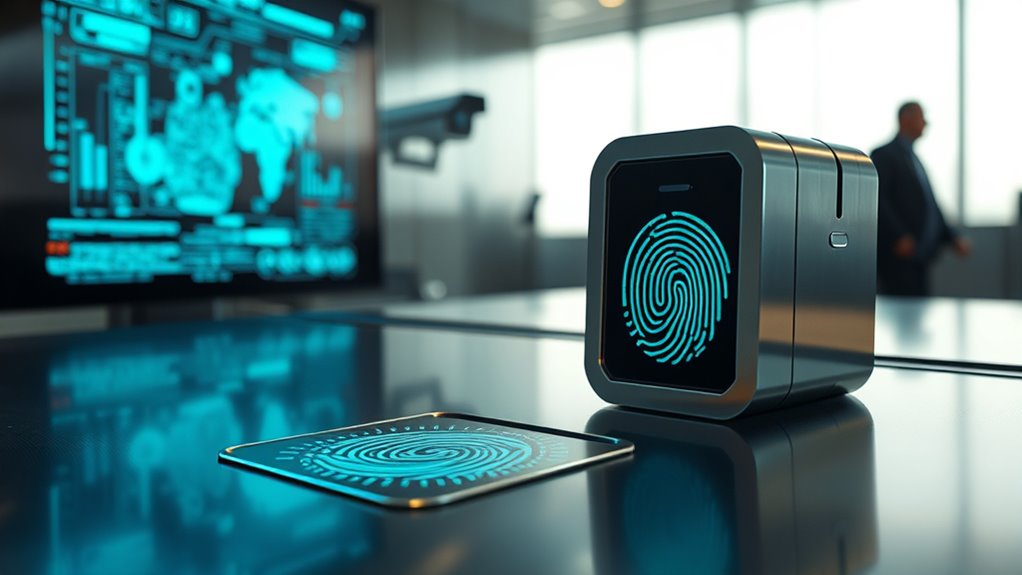
Have you ever wondered how your phone opens instantly with just a fingerprint or face scan? It’s all thanks to biometric technology, which uses your unique physical and behavioral traits—like fingerprints, facial features, iris patterns, or voice recognition—for identification and authentication.
Biometric systems have become so common that over 50% of tech users now rely on biometric data daily, drawn by their convenience and the perception of enhanced security. When you use facial recognition to unlock your device or authenticate a purchase, you’re engaging in biometric authentication, a process that leverages biometric data to verify your identity quickly and accurately.
However, as you become more dependent on biometric systems, concerns about data security and privacy grow. Unlike passwords, biometric data is immutable—meaning, if your fingerprint or facial scan gets stolen, you can’t change it like you can a password. Additionally, the security of biometric data is crucial because breaches can be difficult to remediate once sensitive information is compromised.
Data breaches involving biometric information pose serious risks because stolen biometric data can be misused for identity theft or unauthorized surveillance. Unlike traditional data, biometric information is highly sensitive, and once compromised, it can’t be reset, which raises significant privacy concerns. Ensuring proper encryption and storage protocols is essential to protect this data from unauthorized access. A thorough understanding of biometric data security measures is vital for safeguarding personal information. Implementing robust security protocols can further help prevent unauthorized access and misuse of biometric data.
Regulatory frameworks such as the GDPR in Europe and the Illinois Biometric Privacy Act in the United States aim to address these issues by setting rules for the collection, storage, and use of biometric data. These laws are designed to protect your biometric privacy by requiring informed consent and limiting how organizations can handle your biometric information.
Still, lapses and breaches occur, exposing millions to potential misuse. When biometric systems are hacked, the stolen data may be exploited for fraudulent activities, making the security of biometric technology a critical issue.
Privacy concerns go beyond data breaches. There’s the risk of misuse and unauthorized surveillance, which can infringe on your personal freedoms. Facial recognition technology, for instance, has been criticized for its potential to track individuals without their knowledge, raising fears of mass monitoring.
Additionally, biases embedded in some biometric systems can lead to inaccuracies or discrimination, especially against certain racial or ethnic groups. These issues highlight the importance of strong data security measures and exhaustive privacy protections to guarantee that your biometric data remains safe and used ethically.
Furthermore, understanding the role of attention in the effective use of biometric technology can improve its accuracy; focused and deliberate engagement ensures better recognition results and reduces errors. This underscores the need for users to be aware of how their interaction impacts recognition accuracy, especially in high-stakes situations.
biometric data encryption device
As an affiliate, we earn on qualifying purchases.
As an affiliate, we earn on qualifying purchases.
Frequently Asked Questions
What Are the Privacy Concerns and Issues With Biometrics?
You’re concerned about the privacy issues with biometrics because once your data is compromised, you can’t change it like a password.
Large databases attract hackers, risking exposure of personal details like health or beliefs.
Unauthorized collection often happens without your knowledge, and breaches can reveal sensitive info.
Without clear rules, your biometric data faces misuse, making it essential to push for better safeguards and transparency to protect your privacy.
What Are the Concerns of Biometric Security?
When considering biometric security, you should be aware of the risks involved. Data breaches can expose your fingerprints or facial scans forever, since these can’t be changed.
You might also face spoofing or deepfake attacks that trick systems. Additionally, unauthorized collection or misuse of your biometric data raises privacy concerns.
Inaccurate systems can deny access or wrongly grant it, leading to security issues and potential identity theft.
What Are the Security Implications of Biometrics?
You might think biometrics are foolproof, but they actually pose significant security risks. Hackers can exploit vulnerabilities in systems like BioStar 2, exposing millions of records.
Since biometric data can’t be altered if stolen, your fingerprints or facial features could be permanently compromised.
Deepfake tech also threatens authentication integrity.
To stay protected, guarantee robust encryption, regular security checks, and vigilant vendor assessments.
What Are the Ethical Concerns of Biometric System?
You should consider the ethical concerns of biometric systems, as they can violate your privacy rights and enable unauthorized surveillance without your consent. These systems may misuse your data, leading to tracking beyond your control.
Biases in algorithms can discriminate against certain groups, and once your biometric data is compromised, it’s permanent. Lack of transparency and consent also threaten your autonomy, raising serious ethical issues you need to be aware of.
Conclusion
Just like locking your front door keeps intruders out, biometric tech promises security—yet, a stolen fingerprint can open more than just your device. Imagine losing control of your identity overnight; it’s like handing over your keys to a stranger. As you embrace these tools, remember that your privacy is the vault, and safeguarding it requires vigilance. Stay informed and cautious, because the true key to security lies in understanding both its power and its perils.
Fall Picks
fall essentials
As an affiliate, we earn on qualifying purchases.