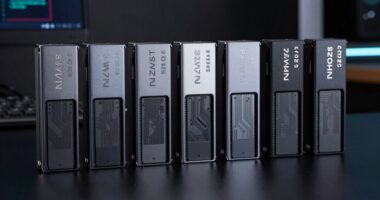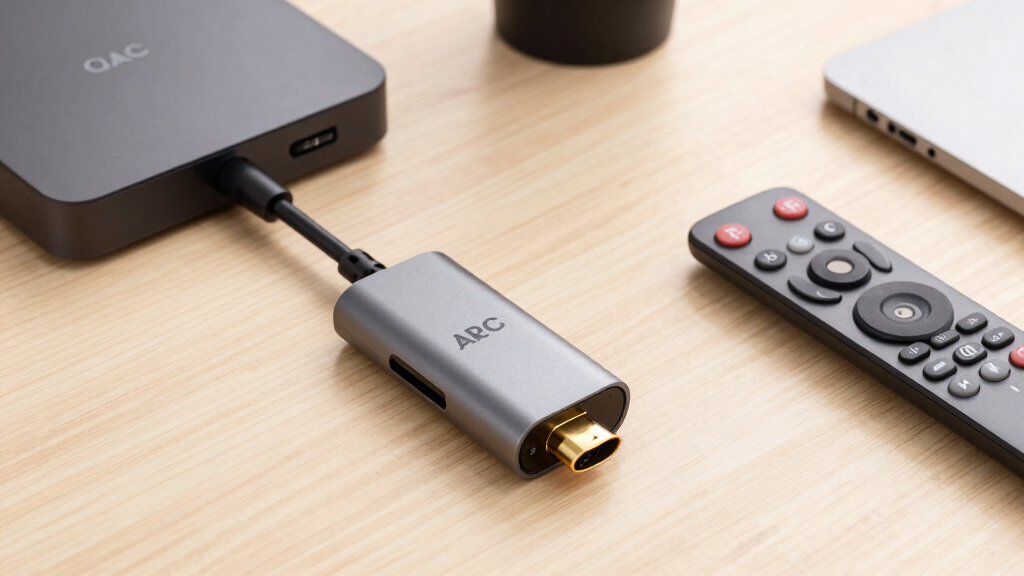

Finding the best eARC HDMI audio extractor can be challenging with so many options available. The OREI eARC 4K 60Hz Audio Extractor stands out as a versatile overall pick, offering broad compatibility and high-quality passthrough. For those prioritizing value, the Cable Matters HDMI 2.1 Audio Extractor delivers impressive features at a more accessible price point. Meanwhile, the J-Tech Digital 8K HDMI Audio Extractor appeals to users with 8K setups and future-proofing needs. The main tradeoffs involve balancing audio quality, compatibility, ease of setup, and price—knowing what matters most will help narrow your choices. Continue reading for a detailed comparison to find the best fit for your needs.
Key Takeaways
- Top picks are distinguished by compatibility with the latest HDMI standards and broad format support, especially Dolby Atmos and DTS.
- Most high-end models focus on 8K and 4K@120Hz passthrough, but these often come with a higher price and more complex setup.
- Affordable options tend to support fewer formats or have limited output options but still handle essential audio extraction well.
- Build quality and ease of installation vary significantly; premium units usually offer more robust construction and straightforward interfaces.
- The best choice depends on your specific setup—whether you prioritize video fidelity, audio quality, or a simple plug-and-play experience.




More Details on Our Top Picks
OREI eARC 4K 60Hz Audio Extractor Converter 18G HDMI 2.0 ARC Support – HDCP 2.2 – Dolby Digital/DTS Passthrough CEC, HDR, Dolby Vision Supported (HDA-927)
This OREI model stands out for its straightforward, stable performance when extracting eARC audio from 4K sources, making it ideal for users tired of dropouts and white noise issues seen with higher-priced alternatives like the ThenAudio Zone2Pro. Compared with the more expensive options, it offers consistent audio pass-through without sacrificing picture quality, though it doesn’t support Dolby Atmos or DTS:X, which limits its appeal for immersive sound setups. The device supports resolutions up to 4K@60Hz with HDR and Dolby Vision, ensuring high-quality video alongside audio extraction. Its simple HDMI ARC support and EDID management make it easy to set up, but it does not work with eARC soundbars like Sonos or Bose, which could be a drawback for some. This pick makes the most sense for users seeking a dependable, budget-friendly eARC extractor without the need for multi-channel or Atmos support.
Pros:- Stable, drop-out free eARC audio extraction
- Supports 4K@60Hz with HDR and Dolby Vision
- Simple plug-and-play setup with EDID management
Cons:- Does not support Dolby Atmos or DTS:X
- Incompatible with eARC soundbars like Sonos or Bose
Best for: Home theater enthusiasts who want reliable audio extraction without complex features or high cost.
Not ideal for: Users with high-end Atmos or DTS:X sound systems, or those using eARC soundbars like Bose or Sonos, since it doesn’t support these formats.
- Supports video resolution:4K@60Hz
- Supports HDR formats:HDR, Dolby Vision
- Supports HDCP:HDCP 2.2
- Audio passthrough:Dolby Digital, DTS
- Supports eARC/ARC:Yes
- Connection interface:HDMI 2.0
- Supported HDCP:2.2
- Weight:83 grams
Bottom line: Ideal for budget-conscious buyers needing dependable eARC extraction without immersive audio formats.
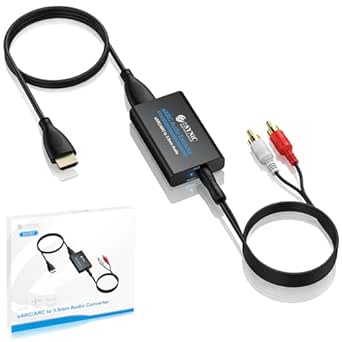
OREI HDMI eARC & ARC Audio Extractor Converter – HDMI ARC to RCA L/R Converter with 3.5mm Jack – ARC/eARC Audio Converter for Speaker, Headphone, Home Theater (DA25)
This OREI model is a versatile, easy-to-use converter that transforms HDMI ARC/eARC signals into analog stereo outputs, making it a good choice for users with older speakers or headphones. Unlike the higher-end HDMI 2.1 options, it only supports stereo audio (PCM/LPCM 2.0 up to 192kHz), which limits its use for surround sound or immersive formats. Compared to more advanced extractors like the Cable Matters HDMI 2.1 model, it lacks support for Dolby Atmos or DTS:X, but excels at simple stereo setups with plug-and-play operation. Its compact design and straightforward power switch make it accessible for less tech-savvy users who just need basic audio output from their TV’s ARC port. Perfect for those who prioritize simplicity over multi-channel audio support.
Pros:- Simple, plug-and-play operation
- Supports HDMI ARC/eARC to stereo RCA and 3.5mm outputs simultaneously
- Compact, lightweight design
Cons:- Limited to stereo audio only, no surround formats
- Does not support Dolby or DTS multi-channel audio
Best for: Consumers with older audio equipment or basic stereo sound requirements looking for a straightforward HDMI ARC to analog converter.
Not ideal for: Audiophiles or home theater enthusiasts needing surround sound formats like Dolby Atmos or DTS:X, since it only supports stereo audio.
- Maximum HDMI input:HDMI ARC/eARC
- Audio output modes:RCA L/R, 3.5mm stereo
- Supports audio formats:PCM, LPCM
- Maximum sampling rate:192kHz
- Power supply:5V DC
- Dimensions:2.05″ x 2.05″
Bottom line: Best suited for users who need basic stereo audio extraction from HDMI ARC/eARC sources without extra features.
4K@120Hz HDMI 2.1 eARC Audio Extractor 1 in 1 Out Support VRR ALLM HDCP2.3 ARC eARC HDR CEC SPDlF Optical Audio Out Digital EDID for PS5 Xbox NVIDIA AMD
This HDMI 2.1 eARC audio extractor is designed for gamers and high-end AV setups, supporting resolutions up to 8K@60Hz and 4K@120Hz with VRR, ALLM, HDR, and HDCP 2.3. Compared to the more basic 4K@60Hz models like the OREI HDA-927, it offers greater bandwidth and supports 120Hz refresh rates essential for smooth gaming on consoles like PS5 and Xbox Series X. It also includes optical audio out for surround sound formats like Dolby Atmos and DTS:X, making it ideal for premium home theater systems. However, its complexity and advanced features can be overkill for users just looking for simple eARC extraction. Compatibility issues with older or non-4K sources are possible, and setup requires attention to HDMI cables and power. This unit is best for gamers or enthusiasts with demanding video and audio needs.
Pros:- Supports 8K@60Hz and 4K@120Hz with VRR and HDR
- Supports Dolby Atmos, DTS:X, and LPCM 7.1
- Includes optical audio output for surround sound
Cons:- Complex setup requiring attention to HDMI cables and compatibility
- Overkill for users with standard 4K@60Hz sources and simple audio needs
Best for: High-end gamers and AV enthusiasts needing 8K/4K 120Hz support with immersive audio formats.
Not ideal for: Casual users or those with only 4K@60Hz sources and basic audio needs, as its advanced features may not be necessary.
- Supports resolution:8K@60Hz, 4K@120Hz
- HDMI version:2.1
- Supports HDR:HDR, Dolby Vision
- Audio formats:DTS:X, Dolby Atmos, LPCM 7.1
- HDCP version:2.3
- Optical output:Yes
- Supports VRR and ALLM:Yes
- Power supply:5V/2A
Bottom line: Best for users with high-performance gaming setups or advanced AV systems needing 8K/4K120Hz support and immersive audio.
OREI eARC 8K Audio Extractor for Monitors, Extract Dolby Atmos to Convert Sound bar 4K @ 120hz 18G HDMI 2.0 ARC Support HDCP 2.2 Perfect for 8K Monitors, CEC, Dolby Vision, HDR10 Support Sonos Bose
This OREI eARC 8K audio extractor is tailored for gamers using high-refresh-rate monitors, supporting 4K@120Hz and HDR10, with eARC capability for extracting Dolby Atmos to compatible soundbars or audio systems. Compared to traditional AV receivers, it offers a convenient solution for gaming setups where output to a soundbar is desired without sacrificing high frame rates or resolution. Its support for HDMI 2.0 and HDCP 2.2 makes it compatible with most gaming consoles and high-end PCs, but it does not support HDMI 2.1 features like VRR or 8K@60Hz, limiting its future-proofing. The device is easy to connect but requires attention to HDMI cable quality and proper configuration of TV and soundbar settings. It’s an excellent choice for gamers wanting minimal latency and immersive audio on high-performance monitors.
Pros:- Supports 4K@120Hz, HDR10, and Dolby Vision
- Extracts Dolby Atmos for soundbars
- Supports HDMI 2.0 with HDCP 2.2
Cons:- Limited to HDMI 2.0 features, no HDMI 2.1 support
- Designed primarily for gaming monitors, not full AV systems
Best for: Gamers using 8K monitors or high-refresh-rate displays who want Dolby Atmos audio passthrough to soundbars.
Not ideal for: Users seeking HDMI 2.1 features like 8K@60Hz or VRR, or those with non-Atmos sound systems, since it’s optimized for Dolby Atmos pass-through.
- Supports resolution:4K@120Hz
- Supports HDR:HDR10, Dolby Vision
- Supports audio:Dolby Atmos, LPCM 7.1
- HDMI version:2.0
- Supports HDCP:2.2
- Optical out:Yes
- Supports VRR:No
- Power supply:100-240V
Bottom line: Perfect for gamers wanting Dolby Atmos on high-refresh-rate 8K/4K monitors, with minimal latency and easy setup.
OREI eARC 8K Audio Extractor for Monitors, Extract Dolby Atmos to Convert Sound bar 4K @ 120hz 18G HDMI 2.0 ARC Support HDCP 2.2 Perfect for 8K Monitors, CEC, Dolby Vision, HDR10 Support Sonos Bose
This OREI eARC 8K audio extractor is tailored for gamers using high-refresh-rate monitors, supporting 4K@120Hz and HDR10, with eARC capability for extracting Dolby Atmos to compatible soundbars or audio systems. Compared to traditional AV receivers, it offers a convenient solution for gaming setups where output to a soundbar is desired without sacrificing high frame rates or resolution. Its support for HDMI 2.0 and HDCP 2.2 makes it compatible with most gaming consoles and high-end PCs, but it does not support HDMI 2.1 features like VRR or 8K@60Hz, limiting its future-proofing. The device is easy to connect but requires attention to HDMI cable quality and proper configuration of TV and soundbar settings. It’s an excellent choice for gamers wanting minimal latency and immersive audio on high-performance monitors.
Pros:- Supports 4K@120Hz, HDR10, Dolby Vision
- Extracts Dolby Atmos for soundbars
- Supports HDMI 2.0 with HDCP 2.2
Cons:- Limited to HDMI 2.0 features, no HDMI 2.1 support
- Primarily designed for gaming monitors, not full AV systems
Best for: Gamers using high-refresh-rate 8K or 4K monitors seeking Dolby Atmos pass-through for soundbars.
Not ideal for: Home theater enthusiasts needing full HDMI 2.1 support or higher resolutions beyond 4K@120Hz, as this device is optimized for gaming monitors.
- Supports resolution:4K@120Hz
- Supports HDR:HDR10, Dolby Vision
- Supports audio:Dolby Atmos, LPCM 7.1
- HDMI version:2.0
- Supports HDCP:2.2
- Optical out:Yes
- Supports VRR:No
- Power supply:100-240V
Bottom line: Ideal for gamers with high-refresh-rate monitors seeking Dolby Atmos audio pass-through, with minimal latency.
eSynic Professional eARC Audio Extractor-Only Work for HDTV ARC/eARC Ports-192KHZ ARC to Optical Audio Adapter-Easy to Setup-7ft Long-Dolby5.1 & DTS 5.1 Formats-from HDTV to Optical Soundbar-No CEC
This eSynic model stands out for its straightforward plug-and-play setup and support for high sampling rates up to 192KHz, making it ideal for users who primarily need to connect their HDTV to an optical soundbar or headphones. Compared to the VPFET, it lacks multiple output options like coaxial and analog, which limits flexibility but keeps costs lower. It supports Dolby 5.1 and DTS 5.1, ensuring decent surround sound quality, though it doesn’t handle advanced formats like Dolby Atmos. Its 7ft cable length is convenient, but the absence of CEC volume control means volume adjustments must be made on the sound system itself. This pick makes the most sense for users with basic audio needs and compatible HDTVs that only support ARC/eARC.
Pros:- Supports high sampling rates up to 192KHz for clear audio.
- Plug-and-play design with no drivers required.
- Supports Dolby 5.1 and DTS 5.1 formats, ensuring good surround sound.
Cons:- Limited to optical output without coaxial or analog options.
- No CEC remote volume control support.
- Only compatible with HDTV ARC/eARC ports, not general HDMI devices.
Best for: Budget-conscious users with HDTVs supporting ARC/eARC who need a simple optical output connection.
Not ideal for: Audiophiles or advanced home theater setups requiring multiple output formats or CEC control.
- Sampling Rate Support:192KHz
- Audio Formats Supported:Dolby 5.1, DTS 5.1
- Cable Length:7ft
- Interface:HDMI ARC/eARC to Optical
- Power Supply:USB
- Compatibility:HDTV ARC/eARC ports
Bottom line: This is ideal for users seeking an affordable, simple solution for converting eARC/ARC to optical audio without advanced features.
J-Tech Digital 8K HDMI Audio Extractor with eARC ARC 8K 60Hz 4K 120Hz, HDMI to Optical L/R Converter Adapter, HDCP 2.3 HDR CEC EDID [JTECH-8KAE]
” image=”https://m.media-amazon.com/images/I/31V94vBBJHL._SX342_SY445_QL70_FMwebp_.jpg” link=”0″]Best for 8K/4K High-Resolution Home Theaters
View Latest PriceThis J-Tech Digital model makes a compelling case for users with high-end 8K or 4K setups, supporting HDMI 2.1 standards with 8K@60Hz and 4K@120Hz pass-through. Unlike the simpler eSynic, it handles the latest video formats and HDR, making it suitable for gaming consoles and premium media players. Its eARC/ARC extraction supports multi-channel audio up to 7.1ch, offering richer sound quality for immersive home theaters. The DIP switch for EDID management enhances compatibility across various devices, and CEC support allows volume control synchronization with compatible TVs. However, its size and complexity might be overkill for basic setups, and its higher price reflects its advanced capabilities. This device is perfect for enthusiasts upgrading to 8K or demanding high-resolution audio and video.
Pros:- Supports HDMI 2.1 with 8K@60Hz and 4K@120Hz pass-through.
- Handles Dolby Vision, HDR10+, and HLG for superior video quality.
- Supports up to 7.1ch audio with HDMI, optical, and L/R outputs.
Cons:- Relatively expensive and larger size.
- Overkill for simple audio-only applications.
- Requires manual EDID management via DIP switch, adding setup complexity.
Best for: Home theater enthusiasts with 8K or 4K HDMI sources seeking high-resolution and multi-channel audio support.
Not ideal for: Casual users with basic audio needs or older HD devices not supporting HDMI 2.1.
- Video Resolution Support:8K@60Hz, 4K@120Hz
- HDR Support:HDR10+, Dolby Vision, HLG
- Audio Out:Dolby 7.1, L/R, Optical
- HDMI Version:HDMI 2.1
- HDCP Support:2.3
- EDID Management:DIP Switch
Bottom line: Best suited for users with high-end 8K/4K setups who need both premium video and multi-channel audio support.
VPFET HDMI eARC Audio Extractor Only Work for HDTV ARC/eARC Audio Adapter Converter HDTV Audio Transmitted via Toslink+Coaxial ports Support 192KHZ for Soundbars Home Theaters and Audio Systems No CEC
Compared with the simpler eSynic, the VPFET offers dual output ports—Toslink and Coaxial—which makes it highly versatile for connecting to various audio systems. Its support for high sampling rates up to 192KHz ensures detailed, lossless audio reproduction, ideal for audiophiles. Its compact, durable design makes it easy to install in a variety of home theater setups. The device’s limitation is its exclusive focus on digital outputs without analog options or CEC control, making it less flexible for users who want volume control via remote or need multiple connection types. It’s perfect for those who want high-quality digital audio conversion in a straightforward, reliable package.
Pros:- Supports high sampling rates up to 192KHz for lossless sound.
- Dual output ports: Toslink and Coaxial for versatile connections.
- Compact and durable build for easy integration.
Cons:- No analog or 3.5mm outputs for headphones or stereo systems.
- Lacks CEC volume control support.
- Limited to digital outputs and specific to ARC/eARC ports.
Best for: Audiophiles or home theater users needing high-fidelity digital audio output via Toslink and coaxial ports.
Not ideal for: Users requiring analog audio outputs or remote volume control features.
- Sampling Rate:192KHz
- Outputs:Toslink and Coaxial
- Supported Formats:PCM, Dolby Digital 5.1
- Input Compatibility:HDMI ARC/eARC
- Power:Plug-in
- Size:Compact
Bottom line: Ideal for audiophiles seeking high-quality digital audio conversion with multiple digital output options.
eARC Audio Extractor HDMI ARC Audio Converter eARC to HDMI Audio Optical/SPDIF RCA L/R 3.5mm Jack Digital to Analog Adapter DAC Converter
This eARC converter excels at bridging newer HDMI eARC devices with legacy audio equipment, supporting optical, RCA L/R, and 3.5mm outputs. Unlike the previous digital-only options, it provides both digital and analog outputs, making it suitable for connecting to a variety of older amplifiers and headphones. Its support for multiple formats, including Dolby 5.1 and DTS 5.1, ensures immersive sound. The device’s primary limitation is its focus on eARC to analog/digital conversion, which means it cannot pass through video signals. It’s an excellent choice for users needing to upgrade their audio systems without replacing existing hardware.
Pros:- Supports Dolby 5.1 and DTS 5.1 audio formats.
- Multiple output options: Optical, RCA L/R, 3.5mm.
- Good for legacy audio systems and headphones.
Cons:- Does not support video pass-through, limited to audio.
- Requires manual setup for different output configurations.
- No support for advanced formats like Dolby Atmos.
Best for: Users with eARC-enabled HDTVs wanting to connect to older audio systems or headphones with multiple output options.
Not ideal for: Users seeking video pass-through or high-resolution multi-channel audio in a single device.
- Supported Formats:Dolby 5.1, DTS 5.1
- Outputs:Optical, RCA L/R, 3.5mm
- Input:eARC/ARC HDMI
- Support:Digital and analog audio
- Video Support:No
- Power:Plug-in
Bottom line: Perfect for those upgrading to eARC with legacy audio devices needing multiple connection types.
HDMI eARC/ARC Audio Extractor, 192KHz HDMI ARC/eARC to Optical Audio Adapter Converter to Optical+ Coaxial and Analog 3.5mm for HDTV Soundbars, Home Theaters-PCM/ Dolby5.1 & DTS 5.1 Formats
This HDMI eARC/ARC extractor offers a broad range of outputs—optical, coaxial, and 3.5mm—making it highly adaptable for various audio setups. Its support for 192KHz/24-bit high sampling rates ensures high-fidelity sound, matching the capabilities of the VPFET but with more output options. It is straightforward to operate, with no drivers needed, and supports Dolby 5.1 and DTS 5.1 for immersive sound. Unlike some other models, it emphasizes compatibility with multiple output types, but it does not support video pass-through, limiting its use to audio only. Its versatility makes it ideal for users with different audio equipment.
Pros:- Supports 192KHz high sampling rate for lossless audio.
- Multiple outputs: Optical, coaxial, and 3.5mm.
- Supports Dolby 5.1 and DTS 5.1 formats.
Cons:- No video pass-through; only extracts audio.
- No CEC volume control support.
- Requires compatible eARC/ARC HDMI port.
Best for: Home theater users needing flexible digital audio outputs from HDMI eARC/ARC sources.
Not ideal for: Users looking for combined audio and video pass-through or more complex EDID management.
- Sampling Rate:192KHz
- Outputs:Optical, Coaxial, 3.5mm
- Supported Formats:PCM, Dolby 5.1, DTS 5.1
- HDMI Version:HDMI ARC/eARC
- Power:Plug-in
- Compatibility:HDMI ARC/eARC ports
Bottom line: A versatile choice for home theater setups that require high-resolution digital audio outputs from HDMI sources.
eSynic 7 FT Long eARC/ARC Audio Extractor-Plug & Play-Only Work For HDTV ARC/eARC Interface-192KHZ ARC to RCA&3.5MM Aux Adapter From HDTV to 3.5MM Headphone&L/R Stereo Audio System-No Optical Soundbar
This eSynic ARC/eARC to 3.5mm adapter stands out for its straightforward plug-and-play setup, making it an excellent choice for users who need reliable audio extraction from HDTVs with eARC/ARC ports. Compared with the OREI 8K eARC HDMI Audio Extractor, it offers a simpler interface focused solely on PCM and stereo audio, which simplifies compatibility but limits high-end surround sound formats. Its 192KHz sampling rate ensures clear, high-quality audio, while its 7-foot cable offers flexibility in setup. The device is powered via USB with no drivers required, making it ideal for non-technical users. However, it only supports PCM and does not handle Dolby or DTS formats, which could be a limitation for home theater enthusiasts. This model makes the most sense for those prioritizing ease over advanced surround sound features, especially if they use older stereo systems or headphones.Pros:- Plug-and-play design with no drivers needed
- Supports high sampling rate up to 192KHz for high-quality audio
- Long 7-foot cable for flexible placement
Cons:- Limited to PCM and stereo audio formats, excluding Dolby and DTS surround sound
- No optical or HDMI output, restricting use to analog connections
- Not compatible with non-eARC/ARC HDMI devices
Best for: Home users with HDTVs supporting eARC/ARC who want simple connection to stereo or headphone systems without complex setup.
Not ideal for: Audiophiles or home theater users wanting Dolby Atmos, DTS:X, or multi-channel surround sound formats, as this device only supports PCM and stereo audio.
- Interface:eARC/ARC to 3.5MM or L/R
- Channels:2
- Sampling Rate:192KHz
- Power Supply:USB powered
- Supported Formats:PCM & PCM 2.0
- Cable Length:7 feet
- Material:ABS
- Compatibility:HDTV eARC/ARC port
Bottom line: This is a solid choice for users seeking a straightforward, high-quality audio extractor from HDTVs with eARC/ARC, who don’t need surround sound formats.
Tendak 192KHz eARC/ARC Audio Extractor, Digital to Analog Audio Converter, HDMI eARC/ARC + Optical to HDMI + Optical + L/R + 3.5MM Stereo for HDTV Soundbar Speaker Amplifier Headphones
The Tendak ARC/eARC audio extractor offers a versatile set of outputs, including HDMI, optical, RCA, and 3.5mm, making it ideal for users with mixed legacy systems or multiple listening options. Unlike the eSynic model, which focuses solely on PCM stereo, Tendak supports a broad array of audio formats like Dolby Digital, DTS, and 24-bit 192KHz sampling, providing richer sound experiences. Its multiple output modes allow connection to soundbars, amplifiers, headphones, and speakers simultaneously, although it cannot output multi-channel surround sound at once. The device is plug-and-play with no software needed, making it accessible for most users. A notable drawback is its limited support for multi-channel audio through simultaneous outputs, which might restrict advanced home theater setups. This device makes sense for those who need high compatibility and multiple connection options on a budget.Pros:- Supports a wide range of audio formats including Dolby Digital and DTS
- Multiple output options: HDMI, optical, RCA, 3.5mm
- Supports high sampling rate up to 192KHz
Cons:- Does not support multi-channel surround sound at the same time
- Limited to PCM stereo for some outputs in certain modes
- No HDMI pass-through for video, only audio extraction
Best for: Home theater enthusiasts with legacy systems or varied audio devices needing multiple output options from HDTVs supporting eARC/ARC.
Not ideal for: High-end audiophiles seeking full surround sound formats like Dolby Atmos or DTS:X through a single device, since multi-channel support is limited.
- Input:HDMI eARC/ARC
- Outputs:HDMI, Optical, RCA, 3.5mm
- Sampling Rate:192KHz
- Supported Formats:PCM, Dolby Digital, DTS
- Power:Plug-and-play (USB included)
- Compatibility:HDMI eARC/ARC HDTVs
Bottom line: Ideal for users needing flexible, multi-device audio output from HDTVs with eARC/ARC, especially those with legacy audio equipment.
8K eARC HDMI Audio Extractor Converter, 4K@120Hz ARC HDMI Adapter to Optical/SPDIF RCA 3.5mm AUX Audio Adapter Converter Splitter Support LPCM 5.1/DTS/DSD for Laptop/TV Box/DVD/PS5/Soundbar/Speaker
This 8K HDMI eARC audio extractor supports ultra-high resolutions up to 8K at 60Hz and 4K at 120Hz, making it the perfect choice for gamers and content creators with high-end devices. Unlike the Tendak model, which focuses on audio compatibility, this device emphasizes video resolution support along with audio extraction, ensuring no compromise on picture quality. It supports advanced formats like DSD and LPCM, which appeal to audiophiles seeking detailed surround sound. Its triple mode support allows connection to different audio setups, but only PCM audio works across all outputs simultaneously, which could limit surround sound options. The device requires a powered connection via Type-C, adding a layer of complexity for some users. This pick is best for users who want both high-resolution video and high-fidelity audio extraction in a single device.Pros:- Supports up to 8K@60Hz and 4K@120Hz resolutions
- Supports a variety of high-fidelity audio formats including DSD and LPCM
- Triple mode for flexible output options: pass, L/R, and optical
Cons:- Requires Type-C power connection, adding setup complexity
- Limited to PCM for full multi-channel output across all ports
- Higher cost and more complex configuration compared to simpler extractors
Best for: High-end gamers, content creators, and audiovisual professionals needing 8K/4K@120Hz support alongside multi-format audio extraction.
Not ideal for: Average users or those with standard HD setups, since it requires specific cables and higher compatibility for its high resolution features.
- Resolution Support:8K@60Hz, 4K@120Hz
- Audio Formats:LPCM, DSD, DTS, Dolby
- Inputs/Outputs:HDMI, Optical, 3.5mm
- Power Supply:Type-C
- Supported Video:HDMI 2.1
- Channels:Supports 5.1, 7.1, DSD
- Compatibility:Gaming consoles, high-end PCs, AV receivers
Bottom line: Best suited for users with high-resolution devices who need advanced audio extraction with minimal compromise on picture quality.
OREI 8K eARC HDMI Audio Extractor Converter ARC Support 48Gbps 4K @ 120hz – Dolby Digital/DTS Passthrough CEC, HDR, Dolby Vision, Atmos Supported – Send eARC Signal to Old AV Receiver (BK-927)
The OREI BK-927 excels in supporting high-resolution 8K and 4K@120Hz video alongside full eARC audio extraction, making it ideal for users with older AV receivers that lack eARC support. Unlike the 8K eARC HDMI device which emphasizes high resolution and formats, this model focuses on compatibility with legacy equipment, providing a dedicated HDMI audio output that supports Dolby Atmos and other surround formats. Its support for HDR and Dolby Vision ensures high-quality video passthrough, but it does not extract eARC signals to external soundbars, which limits its use in some setups. The device features full support for HDMI 2.1 features and HDR, but it does not handle multi-channel audio over all outputs simultaneously—only PCM stereo on some. It’s best for users who need to upgrade their AV receiver’s audio capabilities without replacing their existing setup.Pros:- Supports 8K@60Hz and 4K@120Hz resolutions
- Full eARC support for high-quality audio extraction
- Compatible with HDR, Dolby Vision, and Atmos
Cons:- Does not support multi-channel audio on all outputs simultaneously
- Limited to passthrough for some high-bitrate formats
- Primarily designed for upgrading older AV receivers, not ideal for new multi-channel setups
Best for: Users with older AV receivers needing full 8K/4K video support and eARC audio extraction for legacy home theater systems.
Not ideal for: Modern home theater users seeking multi-channel surround sound on all outputs simultaneously, since it primarily supports PCM stereo in some modes.
- Resolution Support:8K@60Hz, 4K@120Hz
- Audio Support:Dolby Atmos, Dolby True HD, DTS
- HDMI Version:HDMI 2.1
- HDR Support:HDR, Dolby Vision
- eARC Support:Yes
- Video Bitrate Support:48Gbps
Bottom line: Perfect for users with legacy AV equipment who need to support high resolutions and full eARC audio extraction without replacing their receivers.
How We Picked
These products were selected based on their ability to handle the latest HDMI standards, including eARC and ARC, along with support for advanced audio formats like Dolby Atmos and DTS:X. We prioritized models with reliable build quality, straightforward setup, and broad compatibility with various devices such as gaming consoles, soundbars, and AV receivers. Value was also a key factor; we aimed to include options across different price ranges without sacrificing core functionality. Ultimately, the ranking reflects which units offer the best combination of performance, usability, and future-proofing for typical home theater setups.Factors to Consider When Choosing Best EARC HDMI Audio Extractor
Choosing the right eARC HDMI audio extractor involves understanding several key factors that influence performance and compatibility. Not all extractors are created equal, and making an informed decision can save you time and money while ensuring your home theater functions flawlessly. Here are the main considerations to keep in mind:Compatibility with HDMI Standards and Formats
Ensure the extractor supports HDMI 2.1 or at least HDMI 2.0 with eARC capabilities if you have a modern setup. Support for popular audio formats like Dolby Atmos, DTS:X, and PCM is essential for immersive sound. Failing to verify format support can lead to audio dropouts or limited sound quality, especially with high-definition content. Check the device’s specifications carefully to match your current and future devices.
Output Options and Connectivity
Consider what outputs you need—optical, coaxial, RCA, or 3.5mm jacks—based on your sound system. Some extractors include multiple outputs, giving flexibility to connect different devices simultaneously. Also, verify if the unit supports HDCP compliance and HDR passthrough, which are vital for seamless playback of protected content. Choosing an extractor with ample outputs prevents the need for additional adapters or splitters later.
Video Resolution and Refresh Rate Support
Matching the extractor’s video capabilities to your source devices ensures full 4K or 8K content transmission. Look for models that support 4K@120Hz or 8K@60Hz if you use high-refresh-rate gaming or streaming. Limited resolution support can bottleneck your setup, causing scaling issues or reduced visual quality. A future-proof extractor should handle the highest resolutions and refresh rates your devices offer.
Ease of Setup and Build Quality
An extractor with straightforward plug-and-play setup reduces frustration, especially for users unfamiliar with complex AV equipment. Robust build quality minimizes signal degradation, especially over longer cable runs. Consider models with clear labeling, sturdy connectors, and good reviews on durability. Cheaper units might save money upfront but could require frequent replacements or troubleshooting.
Price and Value
High-end extractors often come with advanced features, but they come at a premium. Balance your budget with your specific needs—if you only need basic audio extraction, a less expensive model may suffice. However, investing in a slightly more expensive unit can provide better compatibility, longer durability, and future-proofing. Remember, the cheapest option isn’t always the best if it compromises essential features or reliability.
Frequently Asked Questions
Will an eARC HDMI audio extractor work with my older AV receiver?
It depends on the specific model and the compatibility of your AV receiver. Many eARC extractors are designed to work with newer HDMI standards and may not be compatible with older receivers lacking eARC or ARC support. To ensure proper operation, check your receiver’s specifications and the extractor’s supported standards. Sometimes, an older device can still work with basic ARC functionality, but advanced features like Dolby Atmos may be limited or unavailable.
Can I connect multiple speakers or soundbars with a single eARC extractor?
Most eARC extractors output to a single audio device, such as a soundbar or AV receiver. If you want to connect multiple speakers, you’ll typically need an additional audio splitter or a compatible multi-channel receiver. Some models support multiple outputs directly, but these are less common. Always verify the output options and whether they support multi-channel audio to match your setup’s complexity.
Is it necessary to upgrade my HDMI cables when using an eARC extractor?
Yes, using high-quality HDMI cables rated for HDMI 2.1 or at least HDMI 2.0 is recommended to fully support 4K@120Hz or 8K resolutions and high-bandwidth audio formats. Poor-quality cables can cause signal degradation, resulting in flickering, audio dropouts, or no picture at all. Investing in certified high-speed HDMI cables is a wise choice to ensure reliable performance and avoid future compatibility issues.
What should I do if my audio isn’t coming through after installation?
If you’re not getting audio, first verify that your source device, extractor, and output device all support the same audio formats. Double-check connections and ensure the correct input/output settings are selected on your equipment. Firmware updates may also improve compatibility; consult the manufacturer’s instructions. If problems persist, try testing with different cables or outputs to isolate the issue—sometimes, a faulty cable or port can be the cause.
How do I know if an extractor supports 8K content?
Check the product specifications for support of 8K resolution at 60Hz or 120Hz, along with HDMI 2.1 compliance. Support for 8K also includes bandwidth capabilities of at least 48Gbps and compatibility with HDR and high refresh rates. If future-proofing is a priority, selecting an extractor explicitly designed for 8K ensures your setup can handle the latest content without needing an upgrade soon.
Conclusion
For most users seeking an all-around reliable solution, the OREI eARC 4K 60Hz Audio Extractor offers a balanced mix of compatibility, build quality, and value, making it the best overall choice. If budget is a primary concern, the Cable Matters HDMI 2.1 Audio Extractor provides excellent performance without a hefty price tag. Those with advanced or future-proof setups should consider the J-Tech Digital 8K HDMI Audio Extractor, especially if 8K content is on your horizon. Beginners or casual users will appreciate straightforward models with simple plug-and-play features, while audiophiles needing maximum format support should look at premium options. Matching your specific needs with the right features will lead to a satisfying setup.