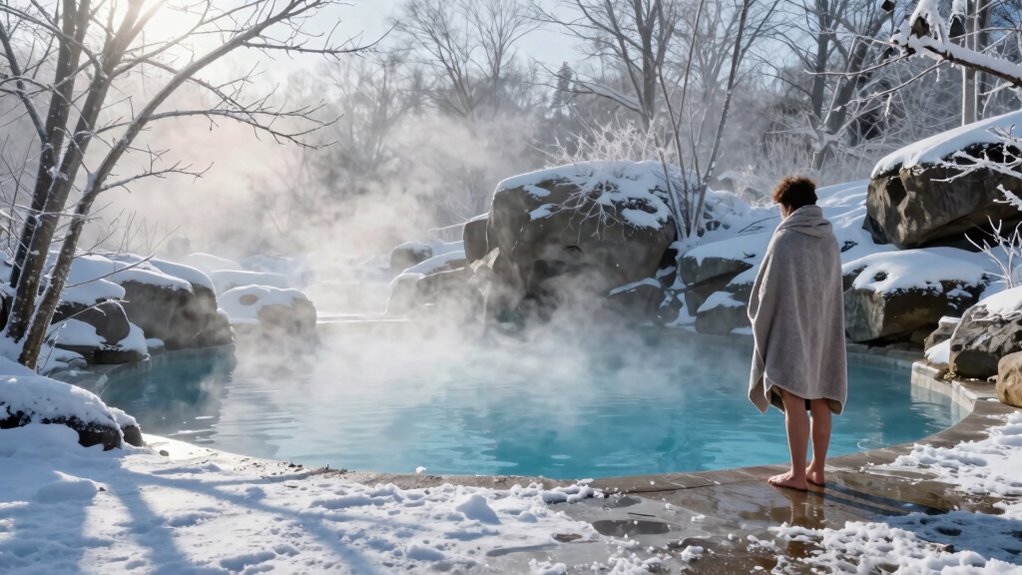

For safe cold plunges, keep the water temperature between 50°F and 59°F (10°C to 15°C) and limit sessions to 3-5 minutes, gradually increasing as you build tolerance. Avoid staying in if you feel unwell or overly cold to prevent hypothermia. People with cardiovascular issues, blood pressure problems, or certain medical conditions should consult a healthcare professional before trying cold plunges, as safety is key. There’s more to discover for ideal and secure experiences when you explore further.

Get the latest gadgets delivered free — and shop member deals
- Fast, free delivery on millions of items
- Access to Prime Big Deal Days deals on October 6–7
- Prime Video, Amazon Music and more included
Key Takeaways
- Ideal temperature range for cold plunges is 50°F to 59°F (10°C to 15°C) for safety and effectiveness.
- Beginners should start with 3-5 minute sessions and gradually increase duration.
- Avoid cold plunges if feeling unwell, overly cold, or experiencing numbness or dizziness.
- People with cardiovascular issues or cold sensitivity should consult a healthcare provider before plunging.
- Prolonged exposure beyond 10-15 minutes increases risk of hypothermia and should be avoided.
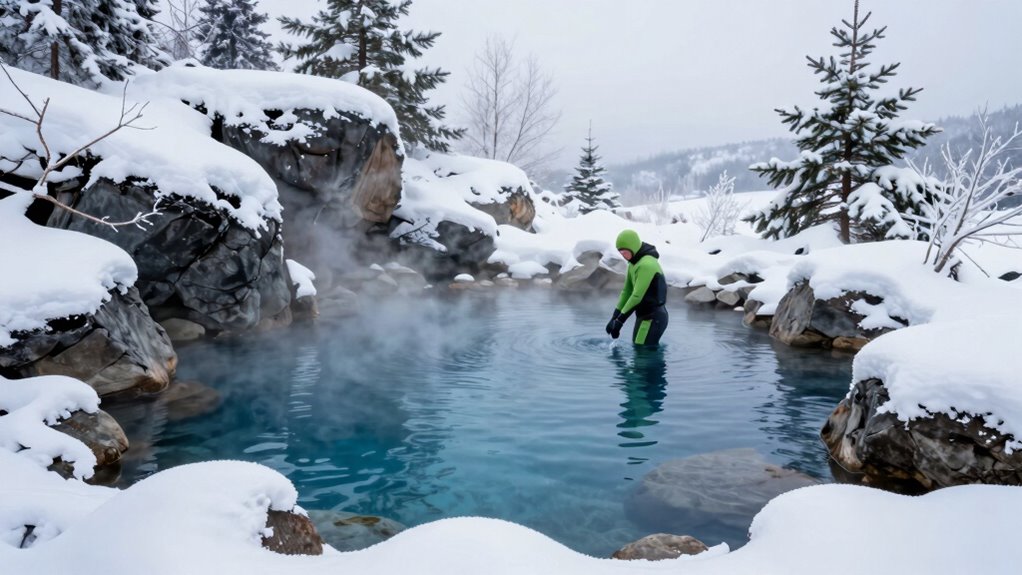
Cold plunges have gained popularity as a quick and effective way to boost recovery, improve circulation, and enhance mental clarity. When you immerse yourself in an ice-cold bath, you’re tapping into the powerful benefits of cold exposure. Ice bath benefits include reducing inflammation, easing muscle soreness, and speeding up recovery after intense workouts. Many athletes swear by cold plunges to feel refreshed and ready sooner. Additionally, cold exposure can sharpen your mental focus, boost your mood, and improve your resilience to stress. However, it’s essential to understand both the benefits and the risks before diving in.
Cold plunges boost recovery, circulation, mental clarity, and resilience—quickly enhancing your overall well-being.
The temperature of your cold plunge matters. Typically, experts recommend temperatures between 50°F and 59°F (10°C to 15°C). Going colder than that might increase the risk of cold exposure risks, especially if you’re not accustomed to it. Prolonged exposure to extremely cold water can lead to hypothermia, a dangerous condition where your body loses heat faster than it can produce it. That’s why limiting your time is vital. Most guidelines suggest staying in an ice bath for no longer than 10 to 15 minutes. If you start feeling numb, dizzy, or excessively shivery, it’s time to get out. Listening to your body is key to avoiding cold exposure risks.
Your ideal cold plunge duration depends on your experience and comfort level. Beginners should start with shorter sessions—around 3 to 5 minutes—and gradually increase as they adapt. Remember, cold exposure benefits are maximized when you strike a balance between enough time to stimulate recovery and not so long that you risk adverse effects. Never push yourself to stay in if you feel unwell or overly cold, and always have a warm space or towel nearby for quick warming afterward. It’s also helpful to understand the benefits of cold exposure and how they relate to overall health and recovery. Incorporating biodiversity principles by choosing natural cold water sources, like lakes or mountain streams, can also enhance the experience and connection to nature. Exploring these natural cold sources can boost your mental wellbeing and provide a more enriching cold plunge experience. Additionally, being aware of cold water safety practices is crucial for a safe and enjoyable experience. Furthermore, understanding the physiological effects of cold exposure can help you optimize your cold plunge routines for better results.
As an affiliate, we earn on qualifying purchases.
Frequently Asked Questions
Can Cold Plunges Help With Mental Health Issues?
Cold plunges can boost your mental health by improving mood and reducing stress, thanks to their mental health benefits. They help increase your emotional resilience by challenging your comfort zone and promoting mental clarity. Regular cold exposure can trigger endorphin release, making you feel more energized and positive. If you’re open to it, cold plunges may become a helpful addition to your mental wellness routine, supporting emotional strength over time.
What Equipment Is Needed for Safe Cold Plunging?
To safely cold plunge, you need basic equipment like a sturdy tub or designated cold plunge pool filled with cold water. Wear safety gear such as waterproof gloves or shoes if necessary to prevent slipping, and consider a thermometer to monitor water temperature. Having a timer helps you stay within recommended durations. Always make certain someone is nearby in case you need assistance, and consult a healthcare professional if you have health concerns.
How Often Should Beginners Try Cold Plunges?
Like a cautious explorer venturing into uncharted waters, you should start with cold exposure a few times a week. Keep immersion duration short—around 2 to 3 minutes—and gradually increase as your body adapts. For beginners, twice weekly is ideal to prevent shock or overstress. Listen to your body, and don’t push beyond comfort. Over time, you’ll build resilience, just as a seasoned sailor becomes adept at steering icy seas.
Are There Any Long-Term Health Risks Associated With Cold Plunges?
Long-term effects of cold plunges are generally minimal if you practice risk assessment and listen to your body. However, potential risks include hypothermia, especially with prolonged exposure, and cardiovascular stress for those with existing heart conditions. You might also experience nerve or tissue damage if done excessively. To stay safe, start slowly, limit exposure time, and consult a healthcare professional if you have health concerns or experience adverse symptoms.
How Do Cold Plunges Compare to Other Recovery Methods?
Cold plunges are often more effective than other recovery methods at reducing inflammation and muscle soreness due to cold shock, which constricts blood vessels and accelerates waste removal. Unlike stretching or massages, they provide rapid relief and can boost muscle recovery. However, they might not suit everyone, especially those with certain health conditions. You should consider your individual needs and consult a professional if you’re unsure about including cold plunges in your recovery routine.
Conclusion
So, as you dip your toes into cold plunges, remember they’re a double-edged sword—refreshing yet risky if you’re not cautious. Keep the temperature, time, and your health in check, like a careful captain steering through choppy waters. If you have health concerns or are new to cold exposure, it’s best to steer clear or consult a pro. Embrace the chill wisely, and it’ll become a powerful ally in your wellness journey, not an icy trap.
Fall Picks
fall essentials
As an affiliate, we earn on qualifying purchases.