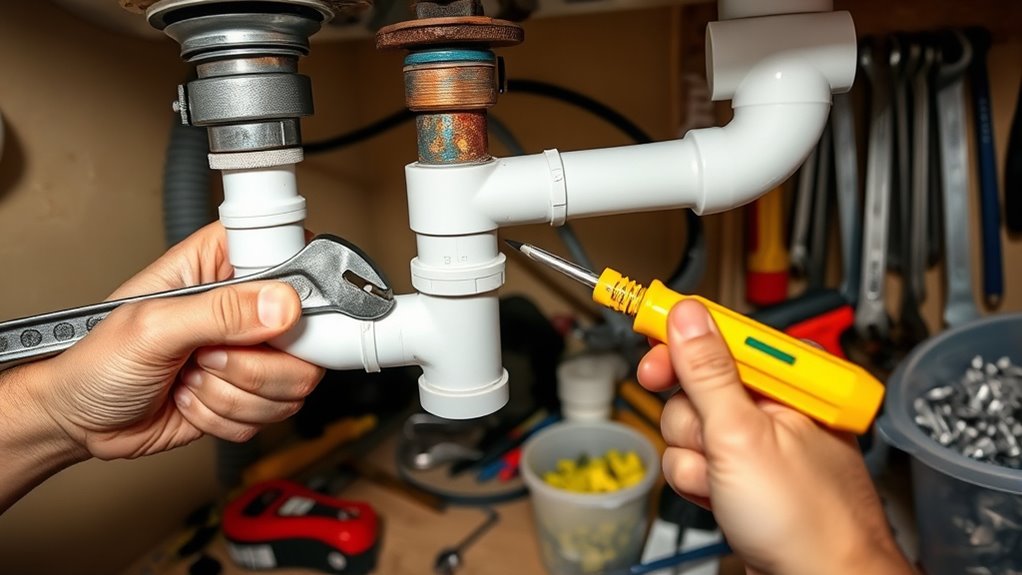

To perform basic home repairs, start by identifying the issue and gathering the right tools and materials, such as screwdrivers, patch kits, or wrenches. Follow step-by-step techniques like patching drywall, tightening fittings, or clearing clogs, ensuring surfaces are prepared properly. Be patient, test your work thoroughly, and use appropriate materials to achieve successful fixes. If you keep exploring, you’ll discover even more ways to handle household repairs confidently and cost-effectively.
Key Takeaways
- Gather essential tools and materials like screwdrivers, patch kits, and plunger before starting repairs.
- Identify the problem clearly, such as leaks or holes, and use appropriate techniques to fix them.
- Turn off water or power supplies before working on plumbing or electrical issues for safety.
- Follow step-by-step methods, like patching drywall or tightening fittings, to ensure effective repairs.
- Test your repairs thoroughly to confirm the issue is resolved and finish with proper cleaning and finishing touches.
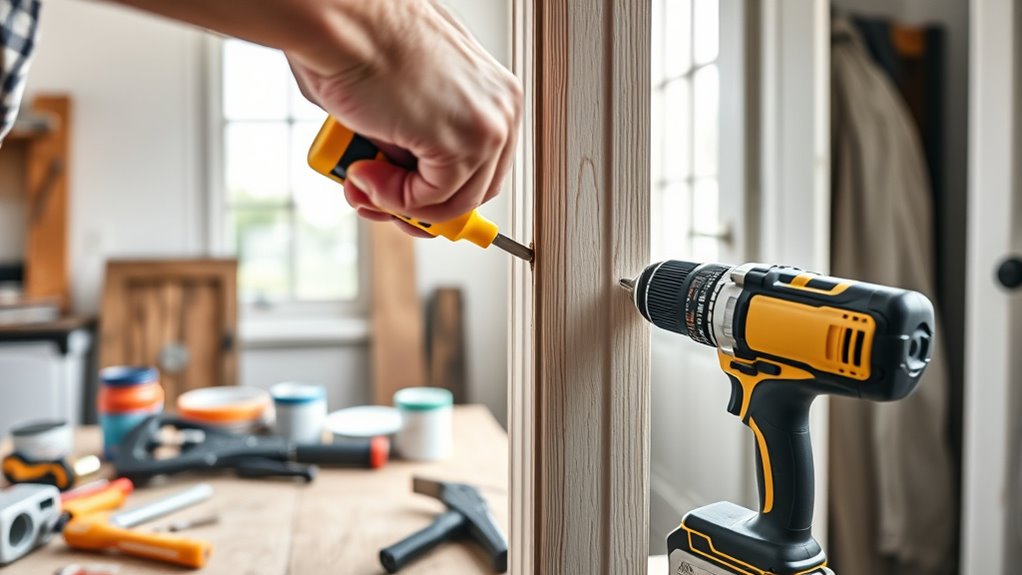
Home repairs can seem intimidating, but many basic fixes are simple enough to do yourself with a little guidance. When it comes to tackling common issues around your house, understanding a few basic techniques can save you time and money. For instance, plumbing fixes are often straightforward, whether you’re dealing with a leaky faucet or a running toilet. With a basic set of tools and some patience, you can tighten connections, replace washers, or clear minor clogs without calling in a plumber. Starting with simple tasks helps build your confidence and understanding of your home’s systems. Knowing the typical repair techniques for common issues can empower you to handle many problems independently.
Another common repair task you’ll encounter is drywall patching. Cracks, holes, or dents in your walls are normal over time, but they’re easy to repair once you know the process. First, you’ll want to clean the area around the damage to remove dust and loose debris. For small holes or cracks, applying a patch kit or spackling compound is usually enough. Use a putty knife to spread the compound smoothly over the patch, then sand it down once it’s dry for a seamless finish. For larger holes, you might need to cut a piece of drywall to fit the opening, secure it with drywall screws, and then tape and mud the seams. Patching drywall isn’t complicated, but it does require patience to ensure the surface is even and ready for painting.
When addressing plumbing issues, start by turning off the water supply to prevent further damage. If you’re fixing a leak, identify the source—whether it’s a loose connection or a worn-out washer—and replace or tighten as needed. For clogged drains, use a plunger or a drain snake to clear blockages. Always remember to test your repair by turning the water back on slowly to check for leaks or issues before finishing the job.
For drywall patching, after applying the joint compound and sanding, you’ll want to prime and paint the repaired area to match the rest of your wall. This step is vital for a professional-looking finish. Keep in mind, patience is key throughout these repairs. Rushing can lead to uneven patches or missed leaks. With practice, you’ll find that many home repairs, from fixing a leaky faucet to patching drywall, become manageable tasks you can confidently handle on your own. Not only does this save you money, but it also gives you a sense of accomplishment and a better understanding of your home’s inner workings.
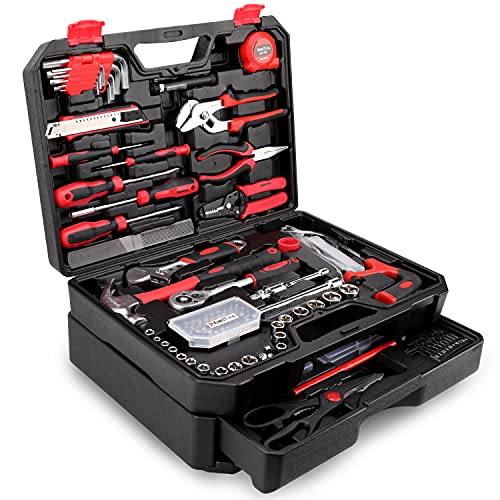
KingTool 325 Piece Home Repair Tool Kit, General Home/Auto Repair Tool Set, Toolbox Storage Case with Drawer, General Household Tool Kit – Perfect for Homeowner, Diyer, Handyman
[Toolbox Included] – Includes 1-Drawer storage box with independent sliding drawer to enlarge the capacity more than common…
As an affiliate, we earn on qualifying purchases.
As an affiliate, we earn on qualifying purchases.
Frequently Asked Questions
What Tools Are Essential for Basic Home Repairs?
You need a few essential tools for basic home repairs. A power drill is versatile for drilling holes and driving screws, saving you time and effort. Screwdrivers, both flat-head and Phillips, are vital for tightening or loosening screws. Additionally, keep a hammer, tape measure, and pliers handy. These tools cover most repair tasks and make your DIY projects easier and more efficient, ensuring you’re prepared for common home fixes.
How Do I Identify Urgent Repairs Versus Minor Fixes?
Pinpoint problems promptly by prioritizing repairs based on severity and safety risks. Urgent issues, like leaks or electrical faults, threaten your safety and demand immediate attention, whereas minor fixes, such as squeaky hinges, can wait. Always keep DIY safety in mind, addressing critical concerns first. By evaluating the potential harm and damage, you can effectively differentiate urgent repairs from minor fixes, ensuring your home stays safe and sound.
When Should I Call a Professional Instead of DIY?
You should call a professional when a repair involves complex systems, like electrical wiring or plumbing, to guarantee safety and avoid damaging your home. If you’re unsure about DIY safety, it’s better to seek expert help. Also, consider how a repair might affect your home insurance; neglecting urgent issues could void coverage. When in doubt, professional assistance safeguards your home and peace of mind.
How Can I Prevent Future Home Repair Issues?
You can prevent future home repair issues by regularly inspecting your home for potential problems and addressing them early. Focus on preventing leaks by checking pipes, faucets, and appliances, and fix any issues promptly. Schedule routine inspections of your roof, gutters, and HVAC system to catch problems before they escalate. Staying proactive helps you avoid costly repairs and keeps your home in good shape longer.
What Safety Precautions Should I Follow During Repairs?
Imagine yourself in a bustling workshop, safety gear shielding you from flying debris. Always wear personal protective equipment like gloves, goggles, and masks to guard against hazards. Before starting, identify potential risks—loose wires, unstable surfaces—and address them. Keep your workspace well-lit and organized, and never rush. Your safety depends on staying alert and prepared, ensuring each repair is done confidently and securely, protecting you and your home.
drywall patch kit
As an affiliate, we earn on qualifying purchases.
As an affiliate, we earn on qualifying purchases.
Conclusion
Now that you’ve learned these simple home repairs, you’re like a skilled craftsman ready to face any challenge. Think of your home as a ship, and these fixes as the steady hands steering it through calm and stormy seas alike. With each repair, you build confidence and resilience, transforming small fixes into a fortress of comfort. So go ahead—trust yourself, and remember, even the strongest homes start with a single, confident repair.
plumbing repair tools
As an affiliate, we earn on qualifying purchases.
As an affiliate, we earn on qualifying purchases.

POPULO Electric Toilet Plunger Swift High Pressure Drain Unclogger Plungers for Bathroom, Floors, Shower Heavy Duty Versatile Home Toilet Clog Remover
Electric Air Pump for Enhanced Pressure: Our air pressure unclogger features a built-in electric air pump that inflates…
As an affiliate, we earn on qualifying purchases.
As an affiliate, we earn on qualifying purchases.