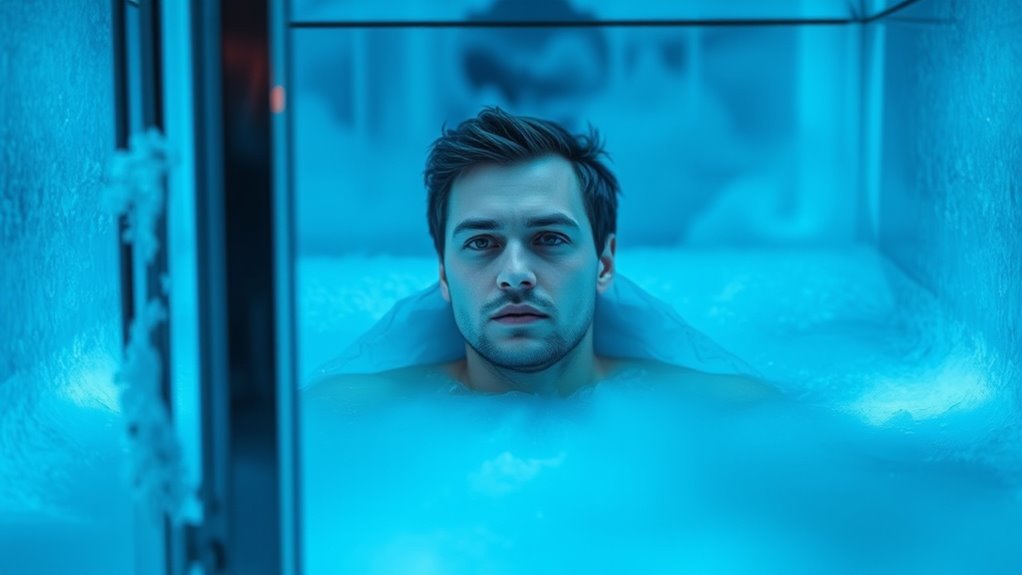

Cold plunges and cryotherapy can be effective tools for enhancing your recovery, boosting mental resilience, and improving overall wellness when used consistently. They help reduce inflammation, ease muscle soreness, and speed up tissue repair. Plus, they build mental toughness, elevate your mood, and improve focus. If you want to learn how to maximize these benefits and incorporate them into your routine, keep exploring the science behind cold exposure and its many perks.
Key Takeaways
- Cold plunges and cryotherapy accelerate muscle recovery by reducing inflammation and flushing metabolic waste.
- They help decrease muscle soreness and enable quicker return to physical activity.
- Regular exposure can enhance mental resilience, stress management, and mood through endorphin release.
- These therapies can improve focus, alertness, and emotional well-being, supporting overall mental health.
- Consistent practice is crucial for maximizing benefits, but individual responses vary and should be tailored.
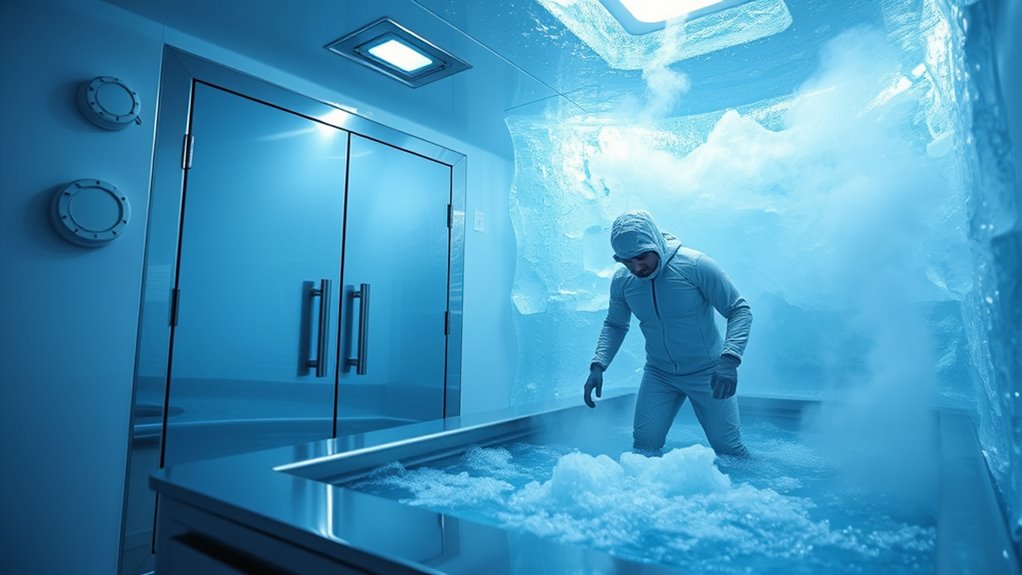
Have you ever wondered how cold exposure can boost your health and recovery? When you step into a cold plunge or undergo cryotherapy, you’re tapping into a powerful tool that can enhance both your physical and mental well-being. One of the most immediate benefits is improved muscle recovery. After intense workouts or physical activity, your muscles often feel sore and fatigued. Cold exposure helps reduce inflammation and swelling, which accelerates the healing process. By constricting blood vessels, cold therapy minimizes tissue damage and flushes out metabolic waste products. Once you’re out of the cold, the rush of blood back to your muscles delivers fresh oxygen and nutrients, promoting faster recovery and less soreness. This cycle not only speeds up healing but also helps you get back to training sooner, making cold plunges and cryotherapy popular among athletes.
Cold exposure accelerates muscle recovery and reduces soreness after intense activity.
But the benefits go beyond just physical recovery. Cold exposure can substantially boost your mental resilience. When you immerse yourself in cold water or cold environments, you’re essentially training your mind to handle discomfort and stress. Over time, repeated exposure helps you develop greater mental toughness, making it easier to stay calm and focused in challenging situations. The initial shock of the cold triggers a surge of adrenaline and endorphins, which can elevate your mood and foster a sense of accomplishment. As you get accustomed to the cold, you learn to control your breathing and manage your body’s stress response more effectively. This mental training can translate into better stress management in daily life, reducing anxiety and increasing your overall emotional resilience.
Many enthusiasts also report that regular cold exposure enhances their focus and clarity. The invigorating nature of cold therapy often leads to heightened alertness and a clearer mind, helping you face your day with more energy. furthermore, as you become more comfortable with the cold, you’ll notice an improved ability to stay present and grounded, even in difficult moments. This mental resilience can empower you to push through setbacks, maintain motivation, and build a more robust mindset.
While cold plunges and cryotherapy are not miracle cures, they are valuable tools to add to your wellness routine. They support your physical recovery and help you cultivate mental strength, which are essential for long-term health and performance. Remember, the key is consistency and listening to your body. With patience and regular practice, you’ll likely experience the combined benefits of faster muscle recovery and increased mental resilience, making cold exposure a worthwhile addition to your self-care regimen.

The Cold Pod Ice Bath Tub for Athletes with Cover: 88 Gallons Cold Plunge Tub for Recovery, Multiple Layered Portable Ice Bath Plunge Pool
Multiple layered Ice Tub,The Cold Pod cold water therapy tub is engineered from multiple layers of robust, waterproof…
As an affiliate, we earn on qualifying purchases.
As an affiliate, we earn on qualifying purchases.
Frequently Asked Questions
Are Cold Plunges Suitable for Everyone?
Cold plunges aren’t suitable for everyone. If you’re young or have certain skin sensitivities, you should approach cautiously or consult a healthcare professional first. Age considerations matter because older adults might have reduced circulation or health issues that cold exposure could aggravate. People with heart conditions or circulation problems should avoid cold plunges altogether. Always listen to your body and start slowly to see how you respond.
How Long Should a Typical Cryotherapy Session Last?
A typical cryotherapy session lasts about 2 to 3 minutes. During this time, your body experiences rapid temperature regulation, which can boost your immune response. It’s important not to surpass this duration to avoid overexposure and potential skin or nerve damage. Always follow professional guidance to ensure your body benefits safely from the cold, and listen to your body’s signals throughout the session.
Can Cold Therapy Help With Mental Health?
Cold therapy can boost your mental health by reducing stress and improving mood. The mental health benefits come from the activation of your body’s stress response, which may enhance emotional resilience over time. Regular cold exposure can help you manage anxiety and depression symptoms, making you feel more balanced and resilient. So, if you incorporate cold therapy into your routine, you might notice better emotional stability and an overall sense of well-being.
Are There Any Risks or Side Effects?
Risks and side effects are like storms on a clear day—they can catch you off guard if you’re not careful. You should always follow safety precautions and be aware of contraindications, especially if you have heart issues or circulation problems. Cold therapy can cause frostbite, burns, or nerve damage if misused. Consult a healthcare professional before starting, and listen to your body to avoid unnecessary risks.
How Often Should One Perform Cold Plunges or Cryotherapy?
You should perform cold plunges or cryotherapy 2 to 3 times a week, following the recommended frequency guidelines. The ideal timing depends on your goals; for recovery, consider sessions post-workout, while for inflammation reduction, early morning or evening sessions may work best. Always listen to your body and consult with a healthcare professional to tailor the schedule to your needs, avoiding overuse.

Portable Ice Machine for Shoulder After Surgery, 10 Quart Rotator Cuff Cold Therapy Machine with Programmable Timer, Home Cryotherapy System for Shoulder Replacement Post-Surgery Swelling, Sprains
12 Hour Long Term Cryotherapy: 10 quart cooler with triple layer insulated walls, with excellent insulation, which keep…
As an affiliate, we earn on qualifying purchases.
As an affiliate, we earn on qualifying purchases.
Conclusion
While cold plunges and cryotherapy may promise quick fixes, they’re not magic bullets. Evidence is mixed, and results can vary from person to person. If you’re considering trying them, do your homework and listen to your body. Remember, slow and steady wins the race—don’t fall for the hype just yet. Stay informed, stay cautious, and keep your expectations realistic. Sometimes, the best results come from consistent, proven habits rather than quick fixes.

Therabody RecoveryTherm Cube – Instant Heat, Cold and Contrast Therapy for Pain Relief, Aches and Pains, and Muscle Recovery – Portable Hands Free Cryotherapy Machine with Cold Compress & Heating Pad
Replace Messy Ice Packs and Inconsistent Heating Pads: Introducing RecoveryTherm Cube, our portable, compact device that seamlessly combines…
As an affiliate, we earn on qualifying purchases.
As an affiliate, we earn on qualifying purchases.

Boiron Agaricus Muscarius 9C for Itching from Exposure to Cold – 80 Pellets
PLANT-POWERED RELIEF: Agaricus Muscarius is a plant-powered homeopathic medicine that relieves itching from exposure to cold.*
As an affiliate, we earn on qualifying purchases.
As an affiliate, we earn on qualifying purchases.