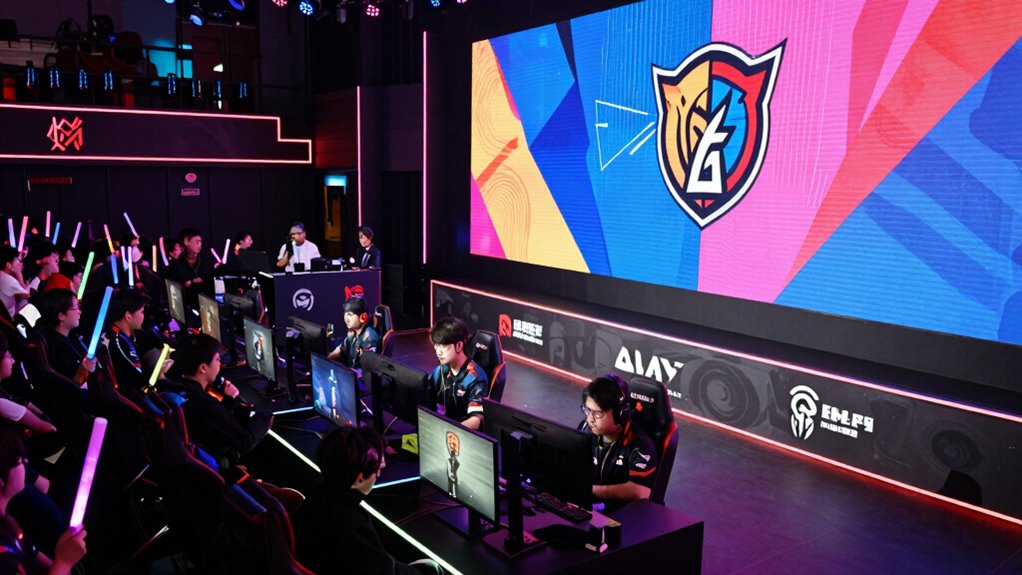

You can see that esports teams and leagues make money mainly through sponsorship deals, digital expansion, and tournament broadcasts. Sponsorships provide steady income by branding on jerseys, banners, and overlays, while online platforms and streaming increase their reach and revenue. Major tournaments generate income from ticket sales, viewership ads, merchandise, and media rights. As these revenue streams grow, so does the industry’s potential. Keep exploring to uncover more about how this thriving ecosystem keeps expanding.
Play games included with Prime
Start a Prime free trial and play with Amazon Luna on your devices.
As an affiliate, we earn on qualifying purchases.
Key Takeaways
- Teams and leagues generate revenue through sponsorship deals, media rights, and tournament hosting fees.
- Player salaries and marketability attract fans, boosting merchandise sales and viewership revenue.
- Digital expansion and streaming platforms increase exposure and monetization opportunities.
- Ticket sales, advertising, and merchandise from tournaments contribute significantly to income.
- Industry growth enhances sponsorship, media rights value, and new revenue streams.

Ever wondered how esports has transformed from a niche hobby into a billion-dollar industry? It’s a rapid evolution driven by smart money-making strategies that keep the scene thriving. One of the main ways teams and leagues generate revenue is through player salaries. Top players command hefty paychecks because their skills and popularity attract fans and viewers. These salaries aren’t just about rewarding talent; they’re also an investment. When a player becomes a star, they draw more viewers, increase merchandise sales, and boost tournament viewership numbers. That, in turn, makes the league more attractive to sponsors and advertisers. As a result, player salaries often reflect their marketability, social media following, and performance, creating a cycle that elevates everyone involved.
Player salaries reflect marketability and performance, fueling a cycle of growth and investment in the esports industry.
But player salaries are only part of the story. Sponsorship deals form the backbone of esports income streams. Companies see esports as a prime platform to reach younger, engaged audiences, so they’re willing to pay big bucks to get their brands in front of millions. Sponsorships can take many forms—team jerseys, event banners, streaming overlays, or exclusive product partnerships—and they generate steady revenue for teams and leagues. These deals are often multi-year agreements, providing financial stability and enabling teams to invest in better infrastructure, training facilities, and player development. The more popular a league or team becomes, the more lucrative these sponsorship deals tend to be, creating a symbiotic relationship that fuels growth. Furthermore, the economic impact of esports extends beyond just the immediate revenue streams, influencing local economies and digital markets. Recognizing the importance of digital markets, many organizations now focus on expanding their online presence to reach global audiences. This digital expansion is also supported by the rise of streaming platforms that allow for easy access and monetization of content worldwide. This expansion is also supported by the rise of eSports-specific advertising, which targets highly engaged viewers and creates additional revenue opportunities. Additionally, the growth of digital markets has increased the value of player and team branding, making them vital assets in the industry.
Beyond direct player and sponsorship income, teams and leagues also earn from hosting tournaments, media rights, merchandise sales, and advertising revenue during broadcasts. Major tournaments attract enormous audiences, both in-person and online, which means more ticket sales, viewership ad revenues, and merchandise sales. Media rights—selling the rights to broadcast events on streaming platforms or traditional TV—bring in significant money, especially as global audiences expand. Merchandising, like branded apparel and accessories, allows fans to show support and provides a consistent revenue stream. All these elements combine to create a multi-faceted economic ecosystem that sustains esports organizations and continues to attract investments.
In essence, the money in esports isn’t just coming from one source; it’s a complex web of income streams. Player salaries and sponsorship deals are indispensable, but they’re just pieces of a larger puzzle that makes esports a booming industry. As the scene grows, so do these revenue channels, promising even more lucrative opportunities for teams, players, and investors moving forward.
esports gaming sponsorship jerseys
As an affiliate, we earn on qualifying purchases.
As an affiliate, we earn on qualifying purchases.
Frequently Asked Questions
How Do Esports Teams Generate Revenue From Merchandise Sales?
You generate revenue from merchandise sales by creating branded products like jerseys, hats, and accessories that fans love. To boost sales, you leverage brand partnerships, collaborating with sponsors for exclusive merchandise. You also focus on fan engagement through social media and live events, encouraging fans to buy, wear, and showcase your merchandise. This combination helps increase sales, strengthen your brand, and deepen your connection with your audience.
What Are the Most Profitable Esports Tournaments Worldwide?
You’ll find that the most profitable esports tournaments worldwide often feature massive prize pools and attract diverse audience demographics. Events like The International, Fortnite World Cup, and League of Legends World Championship generate huge revenue through sponsorships, ticket sales, and streaming rights. The large prize pools motivate top players and teams, while the broad audience guarantees sponsors see significant value, making these tournaments highly lucrative for organizers and stakeholders alike.
How Do Sponsorship Deals Influence Team and League Earnings?
Sponsorship deals dramatically boost team and league earnings, but the real impact lies in the details. When brand partnerships flourish, they unveil lucrative advertising revenue, fueling growth and stability. You might think sponsorships are just logos on jerseys, but they’re much more—they reveal doors to exclusive collaborations and events. This financial boost can elevate teams, attract top talent, and sustain competitive leagues, making sponsorships a game-changer in esports economics.
What Role Do Streaming Platforms Play in Esports Revenue?
Streaming platforms play a vital role in esports revenue by boosting viewer engagement, which attracts more viewers and increases ad revenue. You benefit from platform monetization through ads, subscriptions, and donations, all of which directly contribute to the earnings of teams and leagues. As you watch and interact, your engagement helps drive revenue growth for these platforms, supporting the overall financial ecosystem of esports.
How Do Player Transfers Impact Team Finances?
Imagine player transfers as bridges between teams, shaping your team’s financial landscape. When you acquire a star player, you often pay hefty transfer fees and higher salaries, which can strain your budget but boost your team’s value. Selling a player earns you transfer fees, providing quick cash flow. Balancing these investments is essential—smart transfers can elevate your team’s performance and financial health, but reckless spending risks sinking your entire operation.
Conclusion
Just as a skilled captain navigates the unpredictable seas, your understanding of esports economics reveals how teams and leagues chart their course to success. By mastering sponsorships, streaming, merchandise, and tournaments, you see the intricate dance behind the scenes, much like a chess master strategizing each move. Keep your eyes on this vibrant industry, for, like Icarus soaring toward the sun, those who grasp its secrets might just reach new heights in the digital age.
NFL season / tailgating Picks
team gear
As an affiliate, we earn on qualifying purchases.