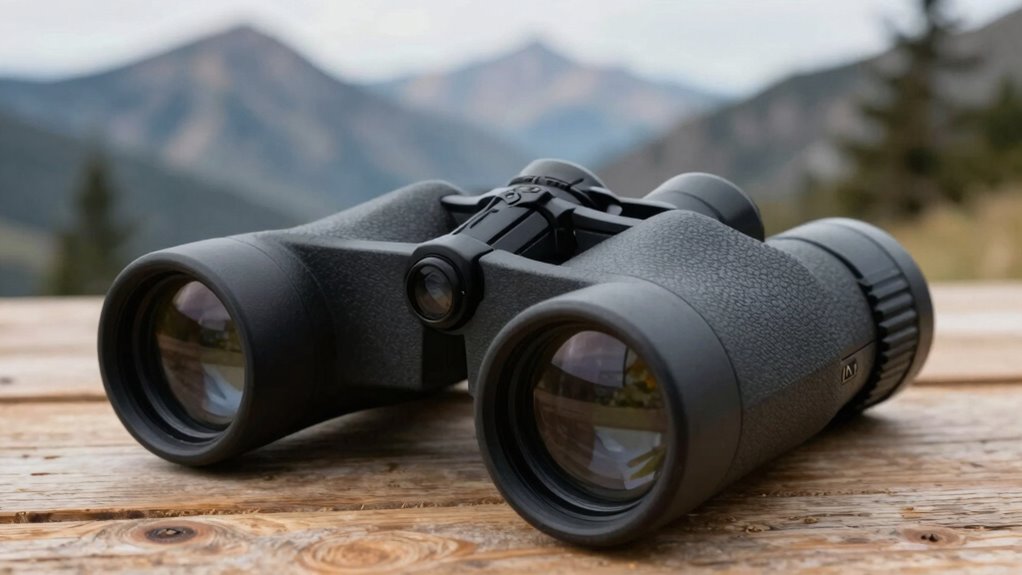

If you’re serious about outdoor activities like birdwatching, hunting, or long-distance viewing, stabilized binoculars can be a worthwhile investment. They reduce shakiness, giving you clear, steady images even in windy conditions or after long periods of handheld use. While they come with a higher price tag, their advanced optics and durable engineering make them perfect for demanding environments. If you want more details on when they’re truly worth it, keep exploring the benefits and features.

Get the latest gadgets delivered free with Prime
- Fast, free delivery on millions of items
- Prime Video, Amazon Music and more included
- Member-only deals all year
Key Takeaways
- They are worth the cost for users who frequently observe distant objects in shaky or windy conditions.
- Ideal for demanding outdoor activities like birdwatching, hunting, or long-duration viewing.
- Provide significantly steadier, clearer images, reducing fatigue during extended use.
- Justified when high-quality optics and advanced stabilization technology are needed.
- Less beneficial for casual or infrequent users with simple viewing needs.
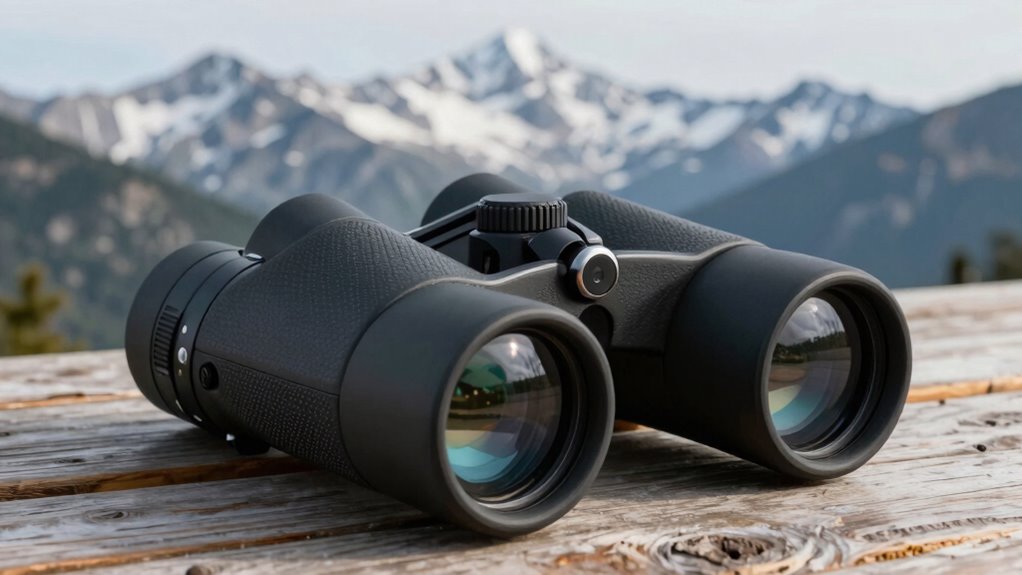
Stabilized binoculars have revolutionized the way you observe distant objects by reducing shakiness and providing a clearer, steadier view. If you’ve ever experienced frustration trying to focus on a distant bird or landscape, these binoculars can change that. They use advanced image stabilization technology to counteract your hand movements, so you don’t have to struggle with a shaky image. Instead, you get a stable, crisp view, making even the smallest details visible. This feature is especially valuable when you’re trying to identify distant wildlife or scan expansive landscapes, where clarity and steadiness matter a lot.
One of the key advantages of stabilized binoculars is their superior optical performance. By integrating image stabilization, these binoculars maintain a steady image regardless of hand tremors or movement, which enhances your overall viewing experience. Without stabilization, even slight hand jitters can blur or distort the view, forcing you to constantly refocus or reposition. But with stabilized binoculars, your eyes can focus on the actual object instead of fighting the camera-like instability. As a result, your observations become more precise, and you can spend more time enjoying the view rather than adjusting for shaky images. Additionally, understanding the technology behind stabilization can help you make an informed decision about whether these binoculars are right for you. Recognizing the complexity of stabilization systems can also give insight into their higher cost and performance capabilities. Knowing how these systems work can also help you appreciate their advanced engineering, which justifies their higher price point.
However, this technological upgrade comes at a cost. Stabilized binoculars are generally more expensive than standard models, and their price reflects the complexity of their image stabilization systems and high-quality optics. But if you’re an avid bird watcher, hunter, or outdoor enthusiast who values clear, detailed viewing, the investment can be justified. These binoculars often come with additional features like enhanced light transmission, wider fields of view, and more durable construction, making them suitable for demanding environments. The advanced stabilization mechanisms contribute significantly to their higher price point but are crucial for delivering consistent image quality.
You should consider whether the benefits of stabilized binoculars align with your needs and budget. If you frequently observe in conditions where stability is compromised—such as in windy environments or during long periods of handheld use—the cost may be well worth it. They are especially useful during extended viewing sessions, where hand fatigue can cause more shakiness with conventional binoculars. On the other hand, if you only need binoculars for occasional use or casual viewing, the added expense might not be necessary.
In short, stabilized binoculars offer a significant upgrade in optical performance through effective image stabilization. They provide a more enjoyable, less frustrating viewing experience, especially at long distances. While they come with a higher price tag, their ability to deliver sharp, steady images makes them worth considering if your outdoor activities demand high-quality, reliable optics.
Products Worth Considering

Sonos Era 100 Wireless Smart Speaker, Black

Bose QuietComfort Wireless Noise-Cancelling Over-Ear Headphones, Black

Bose SoundLink Flex Bluetooth Speaker (2nd Gen), Portable Waterproof Speaker, Black
As an affiliate, we earn on qualifying purchases.
Frequently Asked Questions
How Do Stabilized Binoculars Differ From Traditional Ones?
Stabilized binoculars differ from traditional ones by incorporating image stabilization technology, which reduces shake and makes viewing steadier. They also maintain ideal optical alignment despite movement, providing clearer, more stable images. You’ll notice less eye strain and sharper views, especially at high magnifications. These features make stabilized binoculars ideal for activities like birdwatching or hunting, where steady images enhance your experience and accuracy.
Are Stabilized Binoculars Suitable for Night Vision?
Yes, stabilized binoculars can be suitable for night vision, especially if they feature night vision compatibility and steady image technology. These features help you see clearly in low-light conditions by reducing shakiness and enhancing brightness. When shopping, check if the binoculars are specifically designed for night use, as not all stabilized models offer night vision compatibility. This makes them ideal for nighttime observations or wildlife watching after dark.
What Is the Typical Battery Life of Stabilized Binoculars?
The battery lifespan of stabilized binoculars usually ranges from 4 to 8 hours, depending on usage. Think of it as a delicate balance—power consumption acts like a leaky faucet, draining batteries faster when features are active. If you use high-tech stabilization or night vision, expect shorter battery life. Always carry spare batteries, as their lifespan directly impacts your ability to enjoy clear, steady views when you need them most.
Can Stabilized Binoculars Be Used Underwater?
Stabilized binoculars aren’t typically designed for underwater use. They lack underwater durability and waterproof features necessary to withstand submersion. If you need binoculars for underwater activities, look for models explicitly labeled as waterproof or waterproof and fog-proof, built to handle water pressure and prevent moisture damage. Using stabilized binoculars underwater could damage their electronic stabilization system, so always choose equipment specifically designed for aquatic environments.
Are Stabilized Binoculars More Prone to Mechanical Failure?
Stabilized binoculars aren’t necessarily more prone to mechanical failure, but they do require more maintenance due to complex internal parts. Statistically, high-tech gadgets like these have a 15-20% higher failure rate over five years compared to simpler models. You need to weigh the extra cost considerations against potential maintenance concerns, especially if you plan to use them frequently. Proper care can extend their lifespan and keep performance ideal.
Conclusion
Stabilized binoculars are like a steady hand in a storm—they turn shaky, blurry views into clear, crisp images. If you often find yourself frustrated by shaky sights or spend hours observing distant scenery, investing in these binoculars could be a game-changer. They’re worth the cost when precision and clarity matter most, transforming your experience from a wild rollercoaster ride to a smooth sail. In the world of optics, they’re truly a lighthouse guiding your way.