
Smart homes and the Internet of Things (IoT) allow you to connect and control devices like lights, thermostats, and security systems effortlessly, often through your smartphone or voice commands. This integration boosts energy efficiency, reduces utility bills, and enhances your home’s security. However, it’s essential to stay vigilant about data privacy and device security. Keep exploring to discover how to maximize benefits while protecting your personal information effectively.
Key Takeaways
- IoT enables seamless connectivity and control of smart devices in homes via smartphones or voice commands.
- Smart thermostats and lighting improve energy efficiency, reducing utility costs and environmental impact.
- Privacy concerns arise from data collection, potential vulnerabilities, and sharing with third parties, requiring proper security measures.
- Managing privacy settings and understanding device security features are essential for protecting personal information.
- Future smart home success depends on balancing energy savings with security, informed choice of manufacturers, and ongoing security updates.
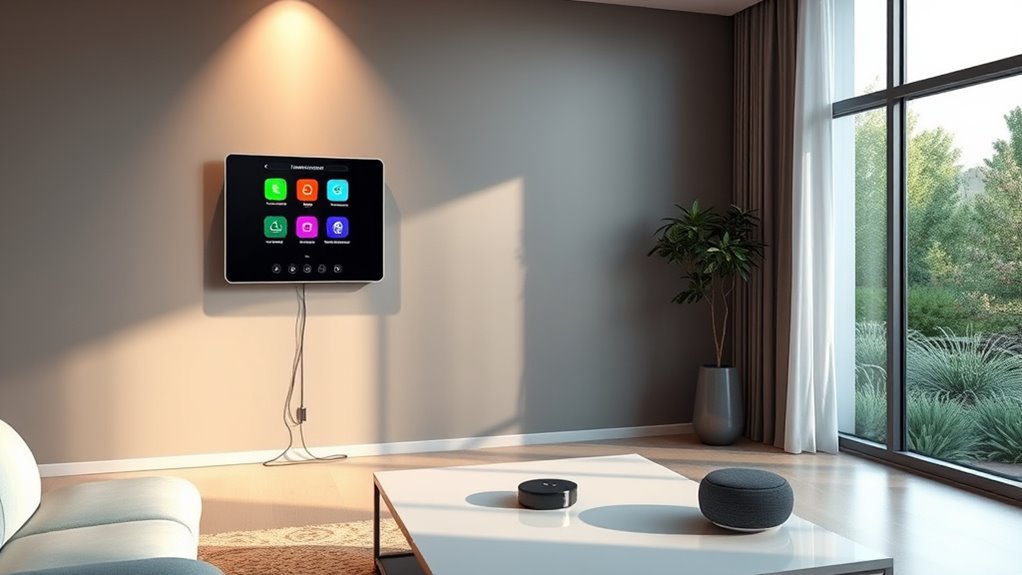
Smart homes are transforming the way you live by seamlessly connecting devices through the Internet of Things (IoT). This interconnected system allows you to control everything from lighting to security with a tap on your smartphone or voice commands. One of the biggest advantages is energy efficiency. Smart thermostats, for example, learn your schedule and adjust the temperature automatically, reducing energy waste and lowering your utility bills. Similarly, smart lighting systems turn off when rooms are unoccupied, helping you save electricity without sacrificing comfort. These innovations not only make your home more sustainable but also give you greater control over your energy consumption, making everyday living more cost-effective and eco-friendly.
However, as you embrace these benefits, privacy concerns naturally come into play. With so many devices gathering data about your habits and routines, you’re sharing sensitive information that could be vulnerable if not properly secured. Hackers might exploit vulnerabilities in connected devices to gain access to your personal data or even manipulate your home systems. That’s why it’s vital to understand the security features of your smart home devices and keep firmware updated regularly. Using strong, unique passwords and enabling two-factor authentication can add extra layers of protection. Manufacturers are increasingly aware of these privacy issues and are improving encryption and security protocols, but ultimately, your vigilance plays a key role in safeguarding your privacy.
Furthermore, you should be aware of how much data your devices collect and consider the trade-offs involved. Some smart devices might track your daily routines for better automation, but that data could also be sold or shared with third parties if you’re not careful. Reading privacy policies and adjusting privacy settings helps guarantee you’re in control of your information. While the convenience of a smart home is undeniable, it’s essential to balance that with proactive measures to protect your privacy.
Additionally, understanding Cultural Intelligence can help you better evaluate the trustworthiness of smart device manufacturers from different regions, ensuring you make informed choices that align with your privacy expectations. Ultimately, the future of smart homes hinges on striking that balance between maximizing energy efficiency and safeguarding your personal data. As you continue to adopt IoT devices, stay informed about privacy practices and security updates. Doing so allows you to enjoy the comfort, savings, and convenience of your intelligent home without compromising your privacy. Smart homes can truly enhance your lifestyle, but only if you remain vigilant about the potential risks and actively manage your digital security.

Amazon Smart Thermostat – Save money and energy – Works with Alexa and Ring – C-wire required
Smart upgrade – Amazon Smart Thermostat is an easy way to switch from a traditional thermostat and help…
As an affiliate, we earn on qualifying purchases.
As an affiliate, we earn on qualifying purchases.
Frequently Asked Questions
How Secure Are Smart Home Devices Against Hacking?
Smart home devices have some security risks, but they can be quite secure if you take proper precautions. You should guarantee your devices use strong encryption protocols to protect your data. Regularly updating firmware helps patch vulnerabilities and fix bugs. However, if manufacturers neglect these updates or use weak encryption, hackers could exploit firmware vulnerabilities. Staying vigilant and maintaining your devices keeps your smart home safer from potential hacking threats.
Can I Retrofit My Existing Home With Iot Devices Easily?
Retrofitting your home with IoT devices is like fitting a suit—you can do it, but it takes some effort. You’ll face retrofit challenges, especially with device compatibility and existing wiring. Start by evaluating your current setup, choosing compatible devices, and planning your installation carefully. While it’s manageable, expect some troubleshooting. With patience, you can modernize your home without major renovations, making your space smarter and more efficient.
What Is the Cost of Setting up a Smart Home?
Setting up a smart home can cost anywhere from a few hundred to several thousand dollars, depending on the devices you choose. Installation costs vary, especially if you hire professionals, while ongoing expenses include maintenance, software updates, and energy use. You can start small and expand over time, making it more affordable. Budget wisely, considering both initial setup and ongoing expenses, to enjoy the benefits without overspending.
How Does Data Privacy Work With Iot-Enabled Homes?
Imagine your home’s data as a treasure chest guarded by fierce dragons. Data privacy works by using strong data encryption, making your information unreadable to outsiders. Privacy policies act like strict rules, ensuring companies handle your data responsibly. You should always check these policies, so your personal info stays safe. When these protections are in place, your smart home becomes a fortress, guarding your privacy from lurking cyber threats.
Are Smart Home Systems Compatible Across Different Brands?
Yes, smart home systems can be compatible across different brands, but it depends on their support for cross-brand compatibility and device interoperability. You should look for devices that adhere to common standards like Zigbee, Z-Wave, or Matter. This way, you can connect and control devices from various brands seamlessly. Always check each product’s specifications to guarantee they work well together before making a purchase.

Govee RGBIC Alexa LED Strip Light 16.4ft, Smart WiFi LED Lights Work with Alexa and Google Assistant, Segmented DIY, Music Sync, Color Changing LED Strip Lights for Room, Bedroom, Holiday
Segmented Multi-Color Technology: Our special RGBIC tech allows for more than one color to be displayed on this…
As an affiliate, we earn on qualifying purchases.
As an affiliate, we earn on qualifying purchases.
Conclusion
As you embrace smart homes and the Internet of Things, remember they’re more than gadgets—they’re the keys to a more connected life. While technology promises convenience, it also asks you to contemplate how much control you’re willing to share. Like a double-edged sword, innovation can cut both ways. So, as you step into this future, choose wisely, for in harnessing technology, you shape not just your home, but your very way of living.

Luna 2K Indoor Cameras for Home Security, 2.4GHz & 5GHz WiFi, 360-Degree Pan-Tilt, Built-in Spotlight, Human Auto Tracking, Siren, Pet/Dog/Baby Camera with Phone app, White (2026 Upgrade Version)
[Dual-Band WiFi & Easy Setup] Stay connected with stable 2.4GHz & 5GHz WiFi support plus Bluetooth pairing for…
As an affiliate, we earn on qualifying purchases.
As an affiliate, we earn on qualifying purchases.

WiFi Door Alarm System, Wireless DIY Smart Home Security System, with Phone APP Alert, 8 Pieces-Kit (Alarm Siren, Door Window Sensor, Remote), Work with Alexa, for House, Apartment, by tolviviov
WIFI Network: WIFI connection, Only works on 2.4GHz WiFi network, does NOT support 5GHz WiFi networks.
As an affiliate, we earn on qualifying purchases.
As an affiliate, we earn on qualifying purchases.