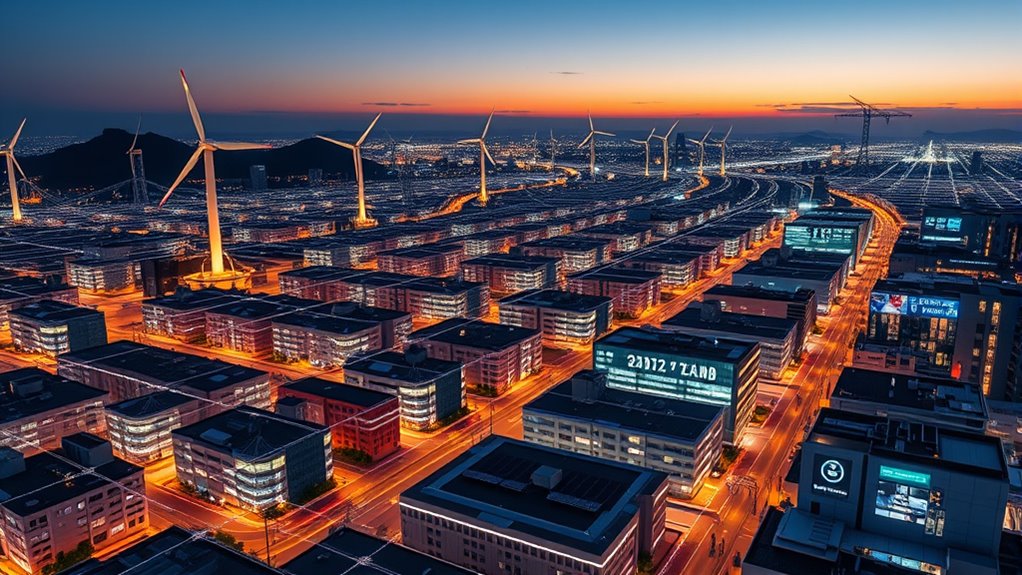

Smart grids are revolutionizing how we manage energy by seamlessly integrating renewable sources like wind and solar, ensuring a stable and sustainable power supply. They allow you to participate actively through demand response, shifting usage to off-peak times and reducing costs. With real-time data and analytics, these grids optimize energy flow and minimize waste. As smart grids evolve, they promise a cleaner, more efficient future—you’ll discover how these innovations will shape our energy landscape next.

Get the latest gadgets delivered free — and shop member deals
- Fast, free delivery on millions of items
- Access to Prime Big Deal Days deals on October 6–7
- Prime Video, Amazon Music and more included
Key Takeaways
- Smart grids enable seamless integration of renewable energy sources, enhancing sustainability and reducing carbon emissions.
- They dynamically balance supply and demand, ensuring reliable energy delivery despite renewable intermittency.
- Consumer participation through demand response helps optimize energy use and reduce costs.
- Advanced data analytics and real-time monitoring improve system efficiency and proactive management.
- Smart grids support a cleaner, more resilient, and adaptable energy infrastructure for a sustainable future.
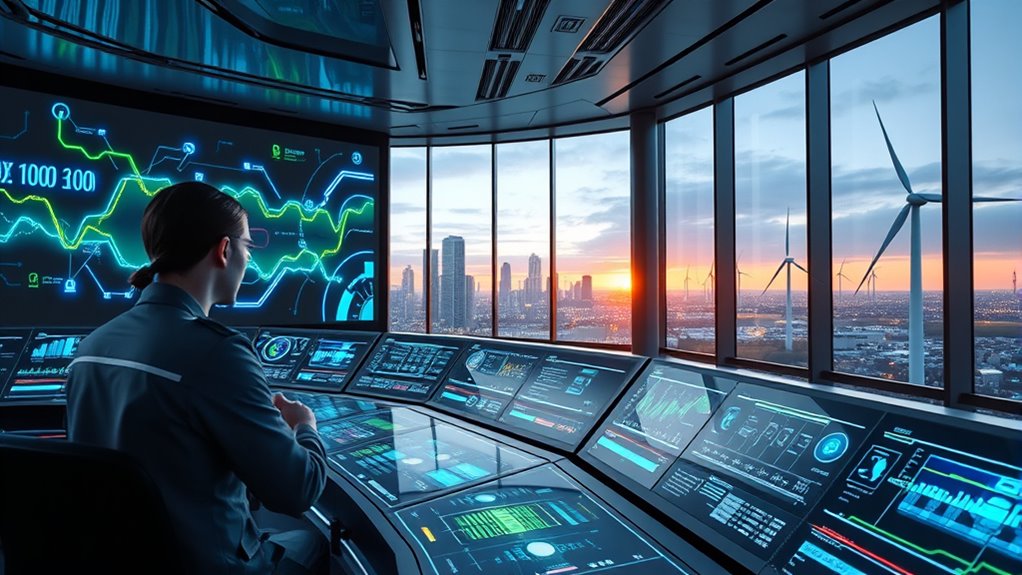
As the demand for reliable and sustainable energy grows, smart grids are transforming the way we manage electricity. These advanced systems enable better integration of renewable energy sources like solar and wind, which are essential for reducing carbon emissions and combating climate change. By incorporating renewable integration, smart grids allow you to efficiently manage fluctuating power supplies, guaranteeing that clean energy reaches consumers without interruptions. They do this by adjusting the flow of electricity in real time, balancing supply and demand across the network. This flexibility is fundamental because renewable sources are often intermittent, and without smart grid technology, managing these inconsistencies would be challenging. With smart grids, you can rely on a more resilient and sustainable energy infrastructure that adapts to changing conditions seamlessly.
Demand response is another key feature that enhances energy management within smart grids. It empowers you to participate actively in balancing electricity consumption, especially during peak times. When electricity demand spikes, smart grids can signal you to reduce or shift your usage, which alleviates stress on the entire system. For example, you might be encouraged to run high-energy appliances during off-peak hours or when renewable generation is at its highest. This not only helps stabilize the grid but also reduces your energy costs and minimizes environmental impact. Demand response programs foster a more interactive relationship between consumers and utilities, turning you into an indispensable part of the energy ecosystem rather than a passive user. You gain more control over your energy consumption, and utilities benefit from reduced strain on their infrastructure.
Furthermore, smart grids utilize advanced data analytics and communication technologies to monitor and predict energy patterns, allowing you to optimize your usage. They facilitate real-time feedback, so you can make informed decisions about when and how to use electricity. This proactive approach minimizes waste and maximizes the use of renewable sources, making the entire system more efficient. As renewable integration becomes more widespread, the significance of demand response grows even more, since it smooths out the variability inherent in renewable energy production. Together, these features ensure a clean, efficient, and resilient energy future, aligning your needs with sustainable practices. In essence, smart grids put you at the center of a smarter, greener energy network that adapts to your habits while promoting environmental responsibility.
As an affiliate, we earn on qualifying purchases.
Frequently Asked Questions
How Do Smart Grids Impact Energy Prices for Consumers?
Smart grids can lower your energy prices through dynamic pricing, which adjusts rates based on demand. When demand drops, you pay less, saving you money. Demand response programs encourage you to reduce usage during peak times, further decreasing costs. By actively participating, you benefit from more affordable rates and contribute to a more efficient energy system. Overall, smart grids empower you to control your energy expenses while supporting sustainability.
What Cybersecurity Risks Are Associated With Smart Grid Technology?
Did you know that 68% of utility companies worry about cyberattack vulnerabilities? With smart grid technology, you face risks like cyberattacks that could disrupt power or compromise data privacy. Hackers can exploit vulnerabilities, putting sensitive information at risk or causing outages. You need robust cybersecurity measures to protect your energy infrastructure, ensuring your data stays private and your electricity supply remains secure from malicious threats.
How Will Smart Grids Affect Renewable Energy Integration?
Smart grids will substantially enhance renewable energy integration by enabling better management of distributed generation sources like solar and wind. You’ll benefit from improved demand response, which adjusts consumption based on renewable supply, reducing reliance on fossil fuels. This dynamic system allows for smoother, more efficient energy flow, making renewables more reliable and widespread. As a result, you’ll see a cleaner, more sustainable energy future that aligns with your needs and environmental goals.
Are Smart Grids Accessible to Rural and Underserved Areas?
Imagine a network of glowing lines reaching into the darkness—smart grids are increasingly accessible to rural and underserved areas. You can expect improved rural energy access as these grids connect remote communities, providing reliable power and integrating renewable sources. While challenges remain, efforts focus on expanding infrastructure to underserved communities, ensuring that even the most isolated areas benefit from modern energy management and a brighter, more connected future.
What Are the Long-Term Environmental Benefits of Smart Grid Implementation?
Implementing smart grids reduces your carbon footprint by optimizing energy use and integrating renewable sources, leading to lower greenhouse gas emissions. Over time, they enhance ecological resilience by enabling better management of energy demand and supply, which helps ecosystems recover from disturbances. As you adopt smart grid technology, you contribute to a healthier environment, supporting sustainable development and ensuring cleaner air and water for future generations.
Conclusion
As you embrace the dawn of smart grids, you’re stepping into a future where energy flows like a well-orchestrated symphony. These intelligent networks are the beating heart of tomorrow’s power landscape, turning chaos into harmony. With every innovation, you become a crucial note in this grand melody, guiding us toward sustainability and efficiency. The future of energy management isn’t just on the horizon — it’s unfolding around you, ready to transform the way you power your world.
Fall Picks
fall essentials
As an affiliate, we earn on qualifying purchases.