Choosing between full-frame and APS-C sensors depends on your photography needs and budget. Full-frame offers better image quality, low-light performance, and creative control over depth of field, but is larger, heavier, and more expensive. APS-C cameras are more affordable, compact, and versatile, with some limitations in low-light situations and wide-angle options. To understand the true trade-offs and find the best fit, explore the details below.
Key Takeaways
- Full-frame sensors offer better low-light performance and dynamic range due to their larger size.
- APS-C cameras are more compact, lightweight, and affordable, making them ideal for portability and budget-conscious photographers.
- Larger sensors provide shallower depth of field and more creative control over background blur.
- Lens selection and cost are generally higher for full-frame systems, whereas APS-C lenses are smaller and more affordable.
- Modern APS-C cameras often have autofocus and image quality comparable to full-frame models in many shooting conditions.

Sony a7 V Mirrorless Full Frame Camera Body w/ 28-70mm II Lens Kit ILCE-7M5MB | 33MP, 30 FPS, 4K 120p Video | AI AF, 7.5 Stop IBIS | Bundle with Deco Gear Case + Tripod +Extra Battery and Accessories
SONY USA Authorized – Includes Full USA Warranty | Sony Alpha 7 V Full-frame Mirrorless Camera. Beyond Standards….
As an affiliate, we earn on qualifying purchases.
As an affiliate, we earn on qualifying purchases.
What Are the Main Differences Between Full-Frame and APS-C Sensors?

Full-frame and APS-C sensors differ primarily in size, which considerably impacts image quality, depth of field, and lens compatibility. One key difference is sensor compatibility; full-frame cameras require larger, more expensive lenses, while APS-C models often use smaller, more affordable ones. Cropping effects are also notable—APS-C sensors produce a crop factor, typically around 1.5x or 1.6x, making subjects appear closer and effectively zoomed in. This can be beneficial for telephoto photography but limits wide-angle options. The smaller sensor size means you might need to adjust your shooting style or lens choices to achieve desired results. Additionally, sensor size influences low-light performance and dynamic range, with larger sensors generally offering better results in challenging lighting conditions. Understanding these differences helps you select the right sensor type based on your photography needs and gear compatibility.

Canon EOS R50 Mirrorless Camera Kit – APS-C RF Camera with 18-45mm Lens, 4K Video, Dual Pixel AF II & Vari-Angle Touchscreen (5811C012) + Shoulder Bag + 64GB Memory Card
Canon USA Authorized. Items Include: Canon EOS R50 Mirrorless Camera Kit – APS-C RF Camera with 18-45mm Lens,…
As an affiliate, we earn on qualifying purchases.
As an affiliate, we earn on qualifying purchases.
How Does Sensor Size Affect Image Quality and Depth of Field?

Sensor size plays a crucial role in determining both image quality and depth of field in your photographs. Larger sensors generally offer better sensor resolution, leading to sharper details. They also provide superior low light performance, reducing noise in dark situations. Additionally, a bigger sensor allows for a shallower depth of field, helping you achieve beautiful background blur. Here’s what you should consider:
- Larger sensors capture more light, improving image clarity.
- They enable better sensor resolution for finer detail.
- Low light performance is enhanced, with less noise.
- Depth of field control is more flexible, creating a pleasing background separation.
Understanding these effects helps you choose the right camera sensor based on your photography needs, ensuring ideal image quality and creative control.

Sony Alpha 7 IV Full-Frame Mirrorless Interchangeable Lens Camera with 2026 28-70mm Zoom Lens Kit
33MP1 full-frame Exmor R back-illuminated CMOS sensor
As an affiliate, we earn on qualifying purchases.
As an affiliate, we earn on qualifying purchases.
What Are the Size, Weight, and Cost Differences? Pros and Cons

While full-frame cameras tend to be larger and heavier, they often come with a higher price tag compared to APS-C models. The larger sensor increases the overall size and weight, affecting portability. This can be a drawback if you prefer lightweight gear for travel or street photography. In addition, the manufacturing costs for full-frame sensors are higher, leading to increased prices for the camera bodies. APS-C cameras are more compact and affordable, making them appealing for beginners or those prioritizing portability. However, the smaller sensor can limit some capabilities, like low-light performance. Additionally, piercing healing time demonstrates how gear size can influence ease of use in spontaneous moments. Ultimately, your decision depends on balancing size and weight against budget and desired features. Consider how these factors align with your photography style before making a choice.
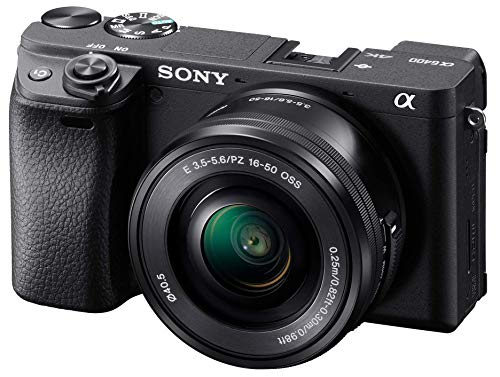
Sony Alpha a6400 Mirrorless Camera: Compact APS-C Interchangeable Lens Digital Camera with Real-Time Eye Auto Focus, 4K Video, Flip Screen & 16-50mm Lens – E Mount Compatible – ILCE-6400L/B, Black
20.1MP stacked back illuminated 1" Exmor RS CMOS sensor w/ DRAM, large aperture 24-70mm1 F1.8-2.8 ZEISS Vario-Sonnar T…
As an affiliate, we earn on qualifying purchases.
As an affiliate, we earn on qualifying purchases.
Which Sensor Size Is Right for Your Photography Style and Budget?
Choosing the right sensor size depends largely on your photography style and your budget. To determine the best fit, consider these factors:
- Your preferred subjects—landscape, portrait, or action.
- The importance of sensor compatibility with existing gear.
- How lens versatility impacts your creative options.
- Your budget constraints for camera bodies and lenses.
Full-frame sensors excel with better low-light performance and greater depth of field, but often come with higher costs and less lens compatibility. APS-C sensors offer a more affordable option, with a wider selection of lenses and lighter gear. Ultimately, your choice impacts your gear’s sensor compatibility and lens versatility, shaping your overall photography experience and investment.
Debunking Common Myths About Full-Frame and APS-C Sensors?

Many common beliefs about full-frame and APS-C sensors are simply myths that can mislead photographers. One misconception is that full-frame sensors always come with higher sensor cost, making them unaffordable for many. In reality, used or kit options can balance the cost difference. Another myth is that autofocus performance is notably better on full-frame cameras; however, modern APS-C cameras often feature comparable autofocus systems. While full-frame sensors may excel in low light and shallow depth of field, APS-C sensors can deliver excellent results in most situations. Additionally, understanding sensor performance differences can help photographers optimize their gear choices for various conditions. Recognizing the cost implications of sensor size can assist photographers in making more informed purchasing decisions. Believing these myths might cause you to overlook great options or misjudge what each sensor size offers. Understanding the real differences helps you choose gear that fits your needs without falling for popular misconceptions.
Frequently Asked Questions
How Do Autofocus Performance and Low-Light Capabilities Compare Between Sensor Types?
You’ll find that full-frame sensors generally provide better autofocus accuracy and low-light sensitivity compared to APS-C sensors. This means your camera can focus more reliably in dim conditions and capture sharper images with less noise. APS-C sensors may struggle a bit in low light, but they still perform well for everyday shooting. Overall, full-frame sensors excel in challenging lighting, giving you more confidence in autofocus performance and low-light situations.
What Are the Differences in Lens Selection and Compatibility?
Imagine you’re in a vintage camera shop, and you’ll notice lens compatibility varies. Full-frame cameras often support a broader range of lenses, including older ones, thanks to their larger mount and sensor size. APS-C cameras typically have smaller mounts, limiting lens options and sometimes affecting autofocus performance. So, when choosing, consider how lens compatibility and autofocus differences might influence your creative flow and gear choices.
How Does Sensor Size Impact Video Recording Quality?
Sensor size impacts your video quality by influencing sensor noise and depth of field. A larger sensor, like full-frame, reduces sensor noise in low-light conditions, giving you clearer images. It also offers a shallower depth of field, helping you create more cinematic shots with a blurred background. Smaller sensors, like APS-C, may introduce more noise but are more compact and affordable. Your choice affects overall image quality and creative control.
Are There Long-Term Durability or Maintenance Differences?
You’ll find that sensor longevity doesn’t substantially differ between full-frame and APS-C cameras, but you should expect higher maintenance costs with full-frame models due to their larger sensors. Over time, larger sensors may require more careful cleaning and occasional repairs, which can add to your expenses. To keep both types performing well, regular maintenance like sensor cleaning and proper care is essential, helping you maximize their durability.
How Do Sensor Sizes Influence Workflow and Post-Processing Needs?
Think of sensor size as the canvas for your images; smaller sensors like APS-C crop your frame, affecting workflow and post-processing. You might need more extensive cropping and retouching, increasing storage requirements due to larger files. Larger sensors produce cleaner images at high ISO, reducing noise. Ultimately, choosing sensor size influences your editing time, file management, and storage needs—so consider how much post-processing you’re willing to handle.
Conclusion
Choosing between full-frame and APS-C is like picking a vehicle—you’ll want the one that fits your journey. I once thought bigger sensors meant better photos, but I realized it’s about your goals and budget. Whether you’re chasing professional quality or saving weight, understanding the real trade-offs helps you make smarter choices. Remember, the right camera is the one that drives your passion forward, not just the specs on paper.