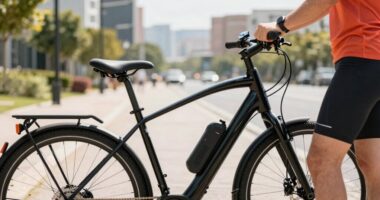
Understanding how your e-bike or e-scooter’s battery works helps you get the most out of each ride. Battery capacity, terrain, and riding style all influence your range, but myths often lead people to overestimate what’s possible. Proper maintenance, safe charging, and wearing safety gear guarantee longer battery life and safer trips. To optimize your experience and avoid surprises, there’s more to uncover about choosing the right battery, debunking range myths, and riding safely.

Get the latest gadgets delivered free — and shop member deals
- Fast, free delivery on millions of items
- Access to Prime Big Deal Days deals on October 6–7
- Prime Video, Amazon Music and more included
Key Takeaways
- Lithium-ion batteries offer high energy density, enhancing e-bike and e-scooter range and longevity when properly maintained.
- Range myths often stem from terrain, riding style, and environmental factors, not just battery capacity.
- Proper battery maintenance, such as avoiding full drains and charging in cool conditions, maximizes performance and lifespan.
- For safety, always wear helmets and reflective gear, follow traffic laws, and keep tires properly inflated.
- Choosing reputable batteries and safety gear ensures reliable performance and rider protection.
electric bike battery replacement
As an affiliate, we earn on qualifying purchases.
As an affiliate, we earn on qualifying purchases.
How Do E‑Bike and E‑Scooter Batteries Store and Deliver Power
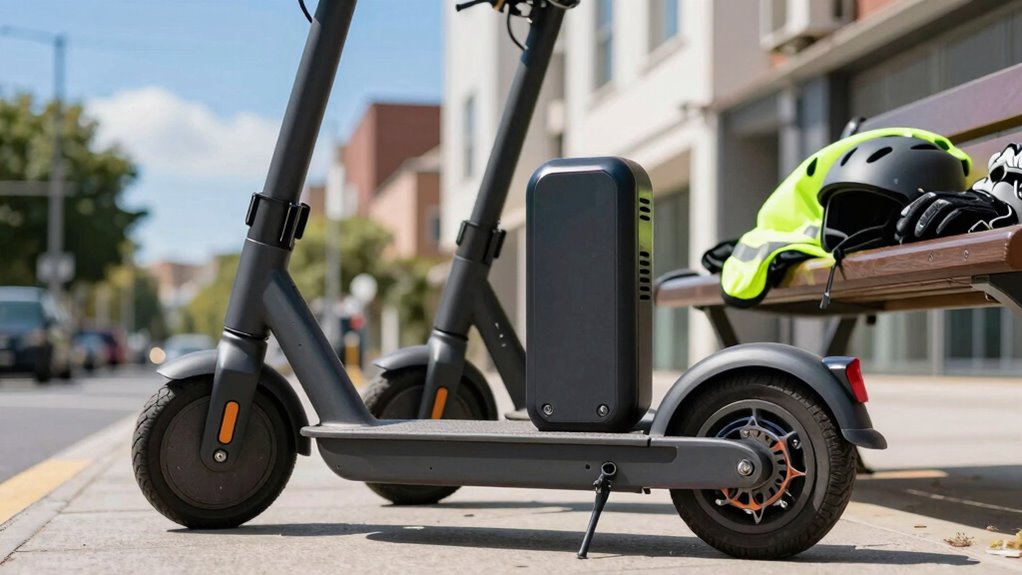
Have you ever wondered how e-bike and e-scooter batteries provide the power needed for smooth rides? It all comes down to battery chemistry and energy density. The battery chemistry determines how efficiently the battery stores and releases energy, with lithium-ion being the most common because of its high performance. Energy density refers to how much energy the battery can store relative to its size and weight. Higher energy density means you get more power without adding extra weight, giving you longer rides and better performance. When you turn on your e-vehicle, the stored chemical energy converts into electrical energy, powering your motor. This seamless process guarantees you experience a reliable, smooth ride while maintaining a lightweight and efficient battery system. battery chemistry influences not only performance but also the safety and longevity of e-vehicle batteries. Additionally, advancements in energy storage technology continue to improve overall battery efficiency and lifespan. Understanding performance metrics can help consumers make more informed choices about their e-vehicle batteries. Exploring battery management systems can also enhance battery safety and longevity. Incorporating Indonesian decor masks as part of your space can also inspire innovative design ideas, blending cultural artistry with modern technology.
What Factors Affect Your Electric Ride’s Range

Your ride’s range depends on several key factors. Battery capacity and efficiency determine how far you can go on a single charge, while terrain and riding style can either extend or shorten that distance. Understanding these elements helps you optimize your e‑bike or e‑scooter for longer trips. Additionally, smart battery management plays a vital role in maintaining battery health and maximizing range over time. Proper charging habits and regular maintenance can further enhance your vehicle’s performance and longevity.
Battery Capacity and Efficiency
Several factors influence how far an e-bike or e-scooter can go on a single charge, with battery capacity and efficiency playing key roles. Your battery’s capacity, typically measured in watt-hours (Wh), determines the total energy available. Higher capacity means more range. Battery chemistry also impacts performance; lithium-ion batteries are common because of their high energy density, meaning they store more energy in a smaller size. This allows for lighter, more efficient batteries that deliver longer rides. Efficiency depends on how well the battery converts stored energy into motor power. A battery with better energy density and ideal chemistry ensures you get the most out of each charge, making your ride longer and more reliable without adding unnecessary weight or bulk. Proper battery maintenance can help sustain efficiency and prolong battery life over time. Additionally, temperature effects can influence battery performance and longevity, so keeping your battery at optimal temperatures is crucial for maximum efficiency. Understanding Battery chemistry can also help you select the most suitable battery type for your riding needs. Regularly monitoring your battery health can further optimize performance and lifespan. Maintaining optimal battery temperature can significantly improve your riding experience and extend your battery’s overall lifespan.
Terrain and Riding Style
The terrain you ride on and your riding style considerably influence how far your e-bike or e-scooter can go on a single charge. Riding on mountain trails demands more power, draining your battery faster, especially with steep climbs and rough surfaces. Conversely, urban commuting on smooth pavement conserves energy, extending your range. Your riding style also matters—aggressive acceleration, high speeds, and frequent stops reduce efficiency, while steady, moderate riding conserves battery life. Consider this table:
| Terrain Type | Riding Style | Impact on Range |
|---|---|---|
| Mountain trails | Aggressive, fast accelerations | Shorter range due to high energy use |
| Urban commuting | Steady, moderate speed | Longer range, energy-efficient |
| Mixed terrain | Varied riding techniques | Inconsistent battery consumption |
Additionally, battery management techniques can help optimize your ride and extend your range. Proper riding habits can also make a significant difference in conserving battery life and maximizing your e-ride’s efficiency. Being mindful of terrain adaptability can further help in planning your routes to conserve energy. Regularly checking your battery health ensures optimal performance and longevity.
How to Choose the Best Battery for Your E‑Bike or E‑Scooter
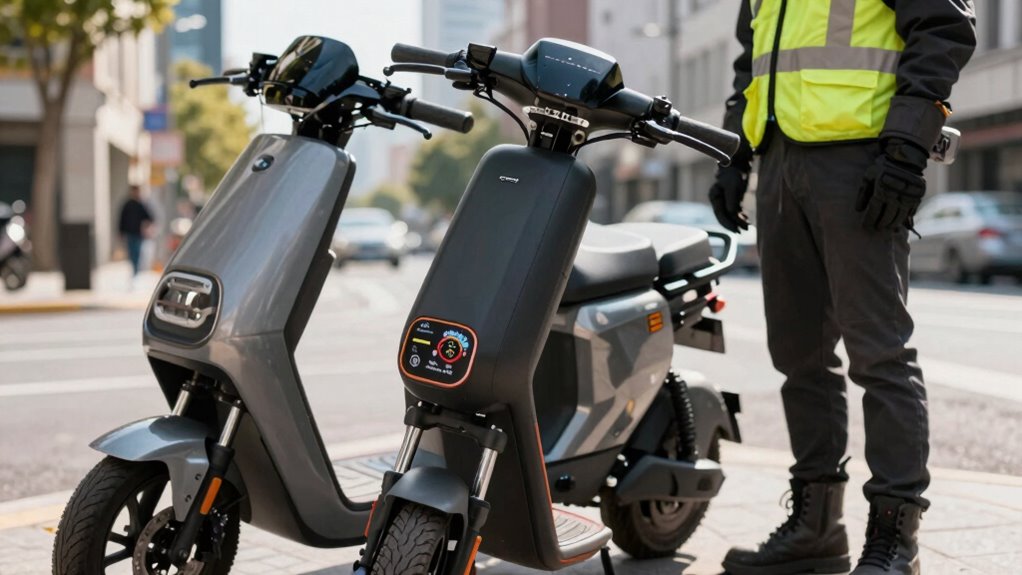
Choosing the right battery for your e-bike or e-scooter can markedly impact your riding experience. Start by considering the battery chemistry, such as lithium-ion, which offers high energy density and long life. Look for a battery with compatible charging connectors to ensure easy and safe charging. Check the voltage and capacity to match your riding needs—higher capacity means longer range, but also more weight. Pay attention to the battery’s physical size and weight to ensure it fits your model comfortably. Quality batteries often feature robust casing and reliable connectors to withstand daily use. Investing in a reputable brand can also provide better durability and safety. Selecting the right battery involves balancing performance, compatibility, and durability for a smoother, more reliable ride. Additionally, understanding the battery lifespan and maintenance requirements can help you choose a model that offers long-term value and dependable performance. Being aware of battery weight is crucial for optimizing your riding comfort and handling. Moreover, considering the battery chemistry can influence overall safety and performance over time. Ensuring proper battery safety features can further protect you and your device during regular use.
Common Myths About Battery Range Debunked
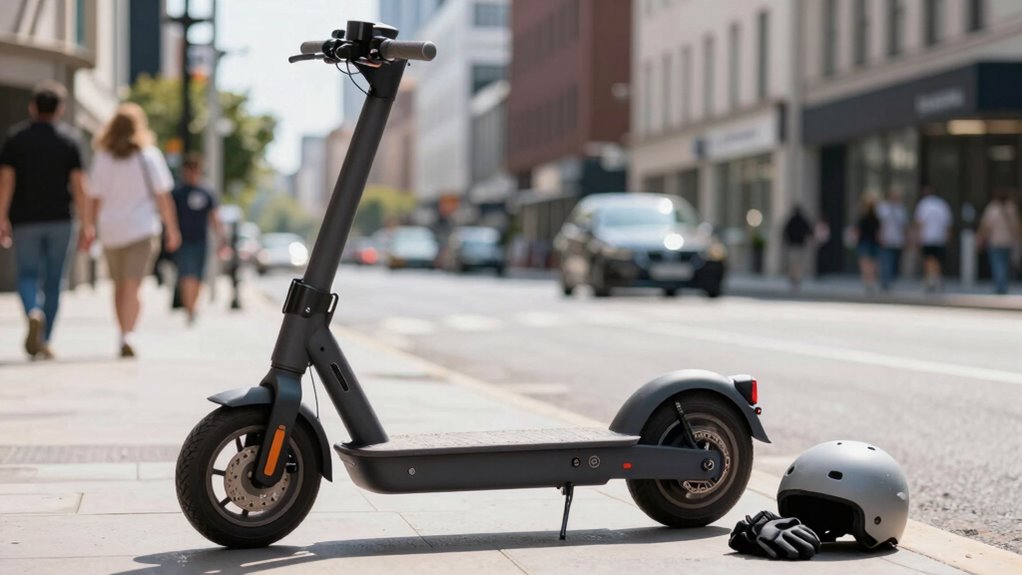
Many people believe that battery range is fixed and always limited by the battery’s capacity, but this isn’t entirely true. Your actual range depends on factors beyond just the battery size. Here are common myths debunked:
- Higher capacity batteries always mean longer range — not if you ride aggressively or frequently stop and go. Battery management plays a crucial role in optimizing performance. Proper riding techniques and maintenance can help preserve battery health and improve overall efficiency.
- Battery longevity directly limits range — proper maintenance can keep your battery performing well longer.
- Range anxiety is unavoidable — planning routes and understanding your bike’s efficiency reduces fears.
- Battery health declines rapidly — with proper care, your battery can maintain good range for years.
- Environmental factors like temperature and terrain can affect efficiency — understanding these external influences helps optimize your ride and maximize range.
Tips to Maximize Battery Life and Extend Your Travel Distance
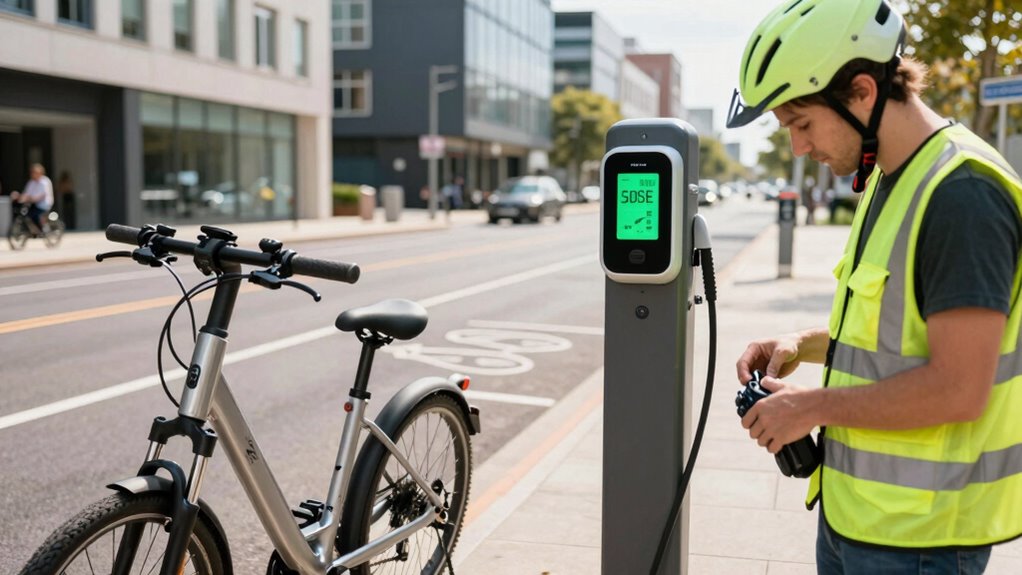
To get the most out of your e‑bike or e‑scooter, focus on proper charging habits and riding wisely. Using the right charging techniques and adopting ideal riding habits can considerably boost your battery life. Small adjustments in how you ride and charge can help you go farther on every trip. Additionally, understanding battery technology and how it influences your device’s performance can help you make informed decisions to optimize your travel distance.
Proper Charging Techniques
Properly charging your e-bike or e-scooter battery is essential for maximizing its lifespan and extending your travel distance. To do this effectively, follow these tips:
- Avoid letting the battery completely drain; recharge before it hits zero to prevent damage.
- Charge in a cool, dry location to promote ideal battery storage and maintain charging safety.
- Use the original charger and avoid third-party power sources to prevent overcharging or overheating.
- Disconnect the charger once the battery reaches 100%, as continuous charging can reduce overall battery health.
Optimal Riding Habits
By adopting ideal riding habits, you can greatly extend your e-bike or e-scooter’s battery life and maximize your travel distance. Keep your battery in proper battery storage, avoiding extreme temperatures that can degrade performance. Use smooth acceleration and braking to improve energy efficiency, reducing unnecessary power drain. Maintain a steady speed whenever possible, as frequent speed changes consume more energy. Avoid riding at full throttle unless necessary, and leverage pedal-assist modes to conserve battery power. Regularly check tire pressure to reduce rolling resistance, which helps preserve battery life. Planning your routes efficiently minimizes unnecessary stops and detours, further optimizing your energy efficiency. These habits not only extend your battery’s lifespan but also allow you to enjoy longer rides without worrying about running out of power.
Recognizing and Fixing Battery Problems for Longer Rides
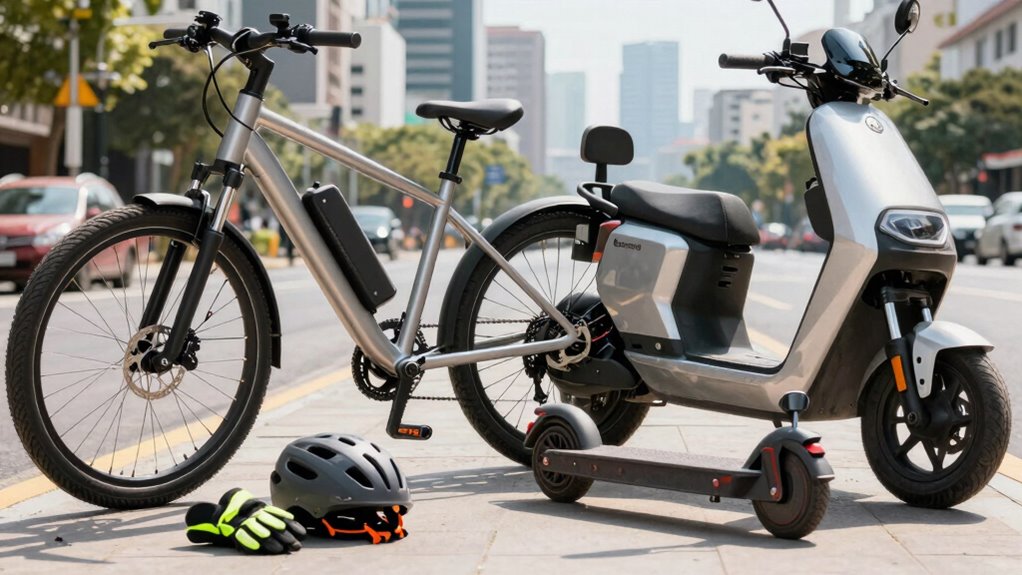
Battery issues can quickly cut short your ride if you’re not able to recognize the signs early. Pay attention to a sudden drop in power, longer charging times, or unexplained decreases in range. To fix problems and enjoy longer rides, consider these steps:
- Check the battery’s connection and clean contacts if needed.
- Avoid deep discharges; keep the battery charged within ideal levels.
- Review your battery warranty to see if repairs or replacements are covered.
- When the battery is beyond repair, recycle it responsibly through designated battery recycling programs to prevent environmental harm.
Addressing these issues promptly extends your battery’s lifespan and your riding time. Regularly inspecting and maintaining your battery can prevent unexpected failures, ensuring you get the most out of your e‑bike or e‑scooter.
Safe Charging and Maintenance Tips for Your Electric Battery
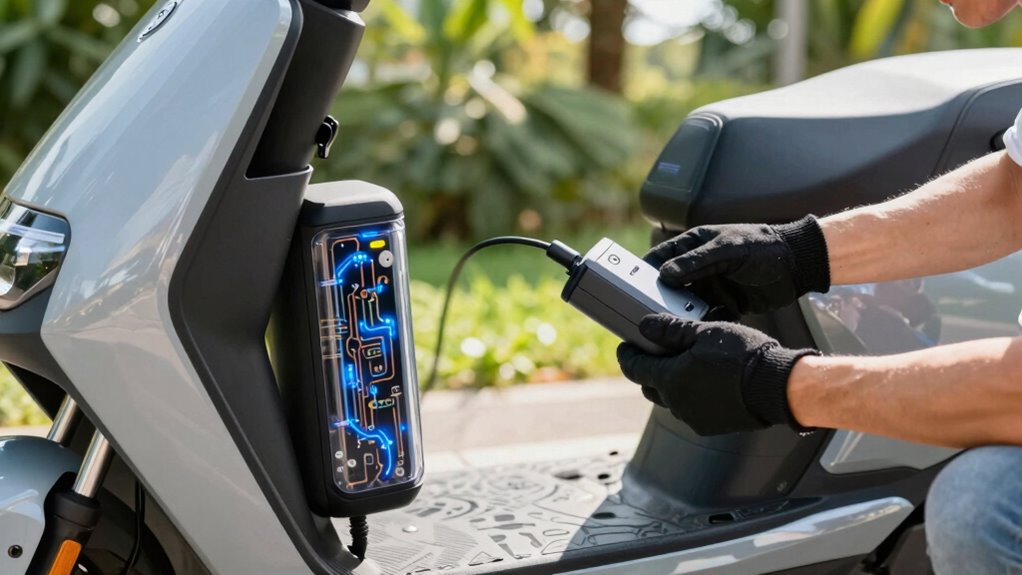
To guarantee your e‑bike or e‑scooter’s battery stays safe and reliable, it’s essential to follow proper charging and maintenance practices. Always use the recommended charger and avoid overcharging by unplugging once fully charged. Charge your battery at designated charging stations or in a cool, dry place away from direct sunlight. Regularly inspect your battery for signs of damage or corrosion and keep terminals clean. When your battery reaches the end of its life, recycle it responsibly through certified battery recycling programs to prevent environmental harm. Avoid leaving your battery in extreme temperatures, which can degrade its lifespan. Proper maintenance not only extends your battery’s performance but also ensures safety during rides. Following these tips helps you get the most out of your investment while protecting the environment.
Signs Your Battery Is Declining and When to Replace

If your e‑bike or e‑scooter isn’t going as far or feels less powerful, your battery might be wearing out. You may also notice it takes longer to charge than it used to. Recognizing these signs helps you decide when it’s time to replace your battery before performance drops further.
Decreased Range and Power
As your e‑bike or e‑scooter starts to feel less powerful and the range diminishes, it’s a clear sign that your battery may be declining. Battery degradation leads to power loss, making rides less efficient. To spot the signs:
- You notice shorter distances between charges.
- The motor struggles to reach previous speeds.
- Charging takes longer than usual.
- The battery percentage drops quickly, even after a full charge.
If these issues persist, it’s likely time to think about replacing your battery. Power loss directly impacts your ride quality and safety. Keeping an eye on these signs ensures you stay aware of your battery’s health and maintain peak performance. Addressing declining batteries promptly can prevent unexpected breakdowns and extend your e‑bike or e‑scooter’s lifespan.
Longer Charging Times
When your e‑bike or e‑scooter takes longer to charge than it used to, it’s a strong sign that your battery may be declining. Longer charging times often indicate reduced battery capacity, which can be caused by battery overheating during use or charging. Over time, heat damages the internal cells, making the battery less efficient. Additionally, if charging station availability is limited, you might leave your device charging longer than necessary, leading to overheating and further degradation. As your battery declines, you may notice persistent longer charge times despite using the same charging station or charger. Recognizing this sign early helps prevent unexpected breakdowns and ensures you replace the battery before it fails completely. Regularly monitor charging times to keep your e‑bike or e‑scooter performing at its best.
Essential Safety Gear for Riding and Charging Your E‑Bike or E‑Scooter
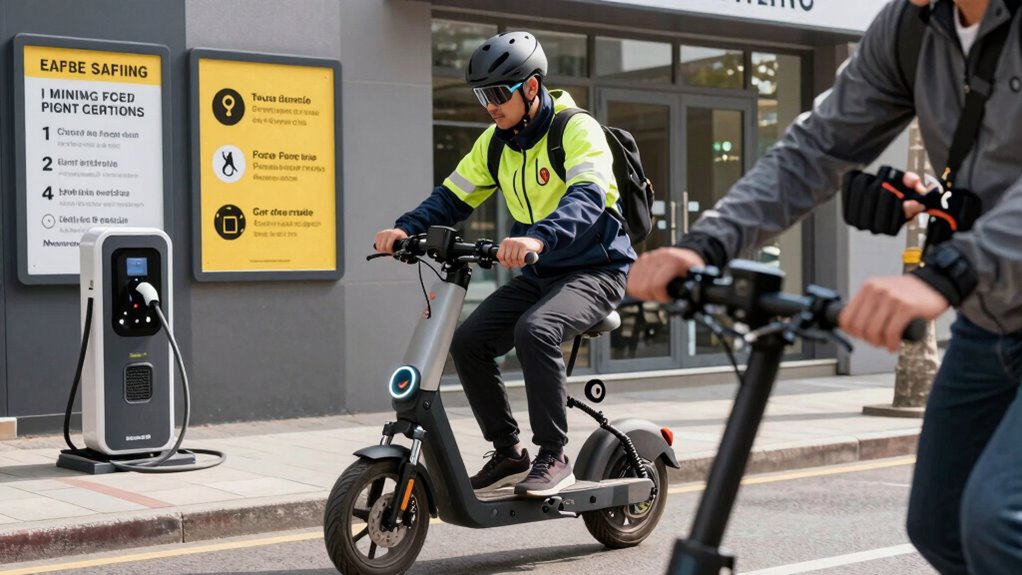
To stay safe while riding or charging your e‑bike or e‑scooter, wearing the right safety gear is essential. First, always wear a helmet to guarantee helmet safety and protect your head in case of falls. Second, choose reflective clothing or accessories to increase visibility, especially at night or in low light. Third, consider gloves to protect your hands and improve grip, preventing slips. Finally, don’t forget sturdy shoes with good traction to keep your feet secure. While charging, it’s wise to wear safety glasses to shield your eyes from sparks or debris if needed. Proper safety gear not only minimizes injury risk but also boosts your confidence on the road or while handling your e‑bike or e‑scooter.
Best Practices for Safe and Efficient Riding
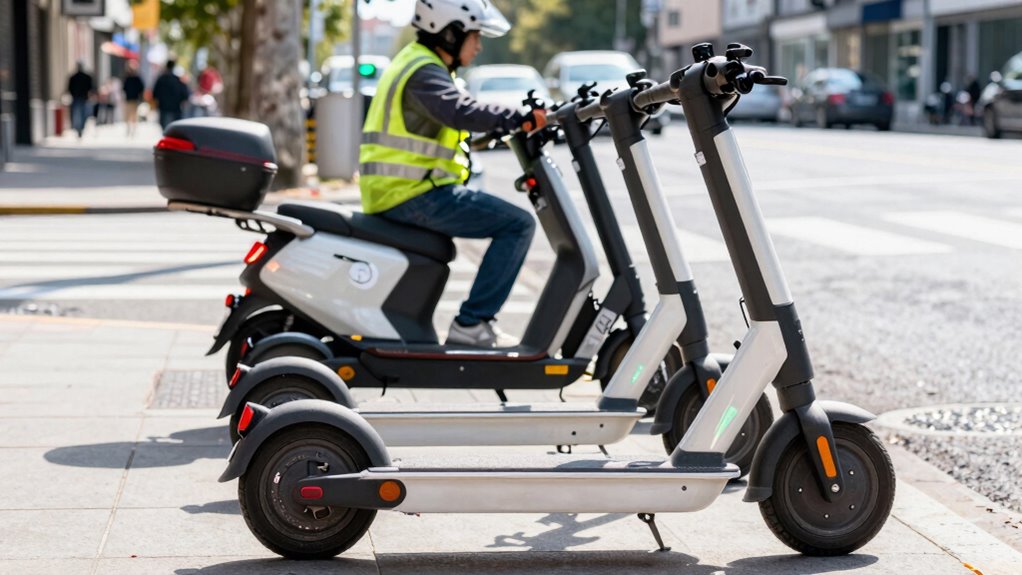
Practicing safe and efficient riding starts with being alert and aware of your surroundings at all times. Stay focused on your path, use mirrors, and signal your intentions clearly. Maintain a steady speed, especially in crowded areas, to prevent accidents. Regularly check your e‑bike or e‑scooter’s battery, and avoid overcharging to extend its lifespan. When your battery reaches the end of its life, prioritize proper battery recycling to reduce environmental impact. Proper disposal helps prevent hazardous materials from contaminating the environment. Keep your tires properly inflated for better efficiency and safety. Respect local traffic laws and ride predictably. By following these practices, you ensure a safer ride for yourself and a healthier planet.
Frequently Asked Questions
How Does Weather Impact E-Bike and E-Scooter Battery Performance?
Weather greatly impacts your e-bike or e-scooter battery performance. Cold temperatures lower battery temperature, reducing efficiency and range because chemical reactions slow down. Hot weather can cause your battery to overheat, decreasing its lifespan and risking damage. To improve weather resilience, store your device in a cool, dry place and avoid extreme temperatures during rides. Proper care ensures your battery stays reliable, no matter the weather conditions.
Are There Eco-Friendly or Recyclable Battery Options Available?
Imagine giving your ride a second life—recyclable batteries are the eco-friendly power option you’re seeking. These batteries can be reprocessed and repurposed, reducing waste and environmental impact. Many brands now offer eco-friendly power solutions, helping you ride responsibly without sacrificing performance. By choosing recyclable batteries, you’re actively contributing to sustainability, ensuring your eco-conscious choices keep the planet spinning smoothly while powering your e-bike or e-scooter.
What Are the Legal Regulations for Riding Electric Scooters in Public Areas?
You need to follow local laws for riding electric scooters in public areas. Make certain your scooter meets legal compliance, including speed limits and designated riding zones. Always adhere to safety regulations, such as wearing a helmet and using lights at night. Check city-specific rules about riding on sidewalks or bike lanes, and respect pedestrian right of way. Staying informed helps you ride legally and safely, avoiding fines or accidents.
How Do Different Terrains Affect Battery Efficiency and Range?
Did you know that riding uphill can reduce your scooter’s range by up to 30%? Terrain impact is significant—incline effects demand more battery power, causing faster drain. Rough or uneven surfaces also decrease efficiency, making your battery work harder. To maximize your ride, stick to flat terrains when possible, and be mindful of inclines, as they can cut your range and leave you stranded sooner than expected.
Can I Upgrade My Existing Battery to Improve Performance?
Yes, you can upgrade your existing battery for performance enhancement. Look for compatible battery upgrades designed for your e-bike or e-scooter model. Upgrading your battery can boost range and power, but make sure it fits securely and meets safety standards. Consult your manufacturer or a professional technician to guarantee compatibility and proper installation. This way, you’ll enjoy better performance without risking damage to your vehicle or safety.
Conclusion
By understanding your e-bike or e-scooter battery and practicing safe riding habits, you can enjoy longer, safer rides. For example, if you consistently follow charging tips and wear proper safety gear, you’ll extend your battery’s lifespan and reduce accident risks. Imagine commuting daily with confidence, knowing your battery won’t let you down and you’re protected on the road. Stay informed, ride responsibly, and make the most of your electric ride experience.
Fall Picks
fall essentials
As an affiliate, we earn on qualifying purchases.