
TL;DR
Listen free for 30 days with Audible
Thousands of audiobooks and originals — cancel anytime.
Start your free trialAs an affiliate, we earn on qualifying purchases.
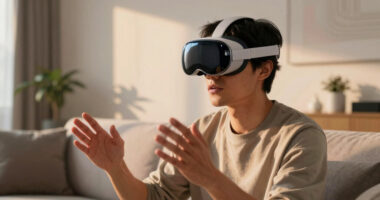
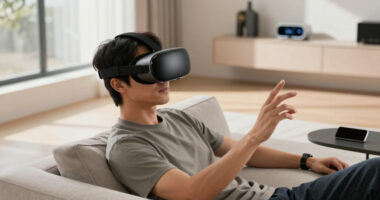
Virtual reality is increasingly being integrated into retail stores, offering immersive shopping experiences. This development is confirmed by recent industry reports and pilot programs, signaling a significant shift in how consumers interact with brands.
Retailers are increasingly integrating virtual reality (VR) into their shopping environments, transforming the traditional retail experience. This shift is confirmed by multiple industry reports indicating widespread pilot programs and adoption efforts in 2024, aiming to enhance customer engagement and sales.
Several major retail brands have launched VR pilot initiatives, allowing customers to browse virtual stores, try products virtually, and interact with digital displays. For example, some fashion retailers now offer virtual fitting rooms, where customers can see how clothes fit without physical try-ons. These efforts are supported by industry data showing a rising investment in VR technology by retail companies, with projections suggesting continued growth in the coming years.
According to industry analysts, the adoption of VR in retail is driven by the need to create more engaging, personalized shopping experiences that can attract younger, tech-savvy consumers. Experts note that VR can reduce return rates, improve customer satisfaction, and enable retailers to showcase products more effectively. Confirmed pilot programs include brands like IKEA, which offers a virtual showroom, and Lowe’s, which provides virtual home improvement planning tools.
Impact of VR on Customer Engagement and Retail Strategy
The integration of virtual reality into retail signifies a fundamental shift in how brands interact with consumers. It offers immersive, personalized experiences that can increase customer satisfaction and loyalty. For retailers, VR provides a new channel for product showcasing, reducing physical store costs and expanding reach. This development could reshape retail business models, emphasizing digital and experiential shopping.
As an affiliate, we earn on qualifying purchases.
Recent Trends and Industry Adoption of VR in Retail
Over the past year, retail companies have increasingly experimented with VR, driven by advancements in hardware and software. Major brands have launched pilot projects to test customer response, with some reporting positive feedback and increased engagement. Industry analysts highlight that the COVID-19 pandemic accelerated digital transformation in retail, making immersive technologies like VR a strategic priority. Prior to 2024, VR was primarily used in niche applications, but recent developments indicate broader adoption across sectors including fashion, furniture, and electronics.
“Our virtual store has received positive feedback, and we see VR as a key part of our future customer experience strategy.”
— a retail executive involved in VR pilot programs
Unconfirmed Aspects of VR Retail Expansion
While pilot programs show promising results, it is not yet clear how widespread VR adoption will become across all retail sectors or how quickly costs will decrease for mass implementation. The long-term impact on sales and customer retention remains to be fully validated through comprehensive studies. Additionally, the technological barriers and consumer acceptance levels are still being evaluated.
Next Steps for VR Retail Integration and Evaluation
Retailers are expected to expand their VR pilot programs in 2024 and 2025, with some planning to roll out full-scale implementations. Industry analysts anticipate that technological improvements and decreasing hardware costs will accelerate adoption. Further research and consumer feedback will determine the long-term effectiveness of VR in retail, guiding future investments and innovations.
Key Questions
How is virtual reality being used in retail today?
Retailers are using VR to create virtual stores, offer virtual try-ons, and enable immersive product demonstrations, enhancing customer engagement.
What are the benefits of VR for retailers?
VR can increase customer satisfaction, reduce return rates, expand reach beyond physical stores, and provide a more personalized shopping experience.
Are consumers receptive to VR shopping experiences?
Many early adopters and pilot program participants have responded positively, but broader consumer acceptance is still being evaluated.
What challenges do retailers face in adopting VR?
Challenges include high initial costs, technological barriers, and ensuring consumer comfort and familiarity with VR devices.
What is the future outlook for VR in retail?
Industry experts expect broader adoption as technology advances and costs decrease, with VR becoming a standard part of retail strategies in the coming years.
Source: rss
NFL season / tailgating Picks
team gear
As an affiliate, we earn on qualifying purchases.