
TL;DR

Get the latest gadgets delivered free — and shop member deals
- Fast, free delivery on millions of items
- Access to Prime Big Deal Days deals on October 6–7
- Prime Video, Amazon Music and more included
Several leading car manufacturers, notably General Motors, will stop offering Android Auto in 2026. They plan to replace it with proprietary infotainment systems integrated with AI and data collection, raising questions about consumer choice and data privacy.
Major automakers, including General Motors, have announced they will cease offering Android Auto in their vehicles starting in 2026, opting instead for proprietary infotainment systems integrated with Google’s AI technology. This shift marks a significant change in the automotive infotainment landscape, impacting millions of drivers who rely on Android Auto for seamless smartphone integration.
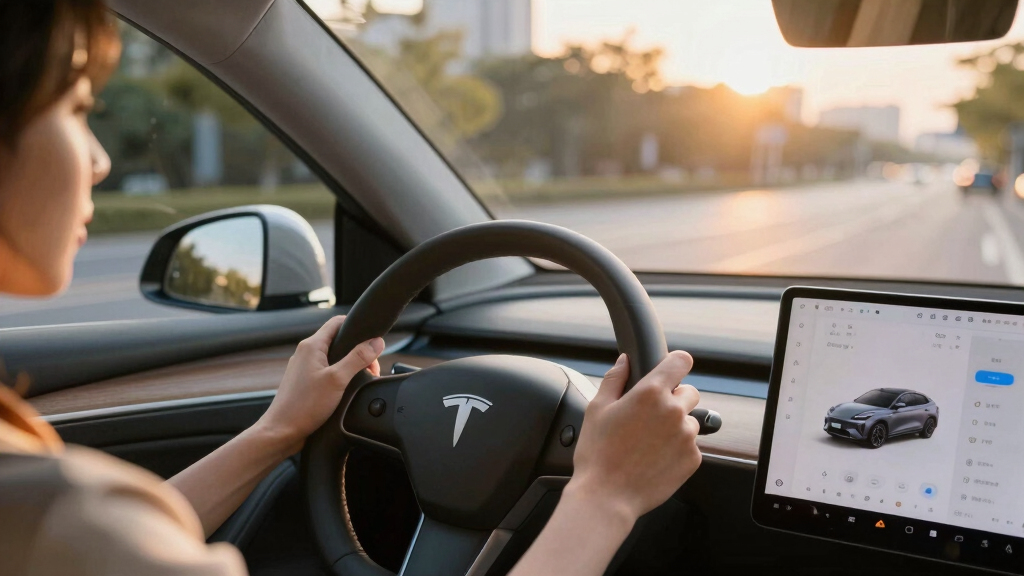
General Motors revealed it will replace Android Auto with its own AI-based system, leveraging Google’s Gemini AI, in all future vehicles from 2026. Other manufacturers like Rivian and Tesla have never supported Android Auto and continue to develop their own systems. Despite widespread current support for Android Auto in upcoming models, industry insiders say the trend toward proprietary systems is driven by data control, AI integration, and new revenue opportunities through subscriptions.
Google’s Android Automotive OS (AAOS), which supports Android Auto, is a core technology in this shift. Automakers are increasingly interested in controlling vehicle data, as Google and other tech firms collect extensive driving and location data used for targeted advertising and vehicle improvements. GM emphasizes that its new system will enable better EV routing, integration with driver-assist features, and enhanced multimedia experiences, such as Dolby Atmos on streaming services.
While the move offers automakers potential new revenue streams via subscriptions for connected services, it raises concerns about consumer choice, data privacy, and the long-term viability of open smartphone integrations. GM’s decision follows a broader industry trend of shifting away from third-party infotainment systems toward in-house solutions that may limit user flexibility and increase costs.
Impact on Consumer Choice and Data Privacy
The discontinuation of Android Auto by major automakers in 2026 could significantly affect how consumers interact with their vehicles, reducing the flexibility of smartphone integration and increasing reliance on proprietary systems. This shift also raises concerns about data privacy, as automakers seek to control and monetize driving data through subscription-based services. The move may influence the future landscape of vehicle infotainment, with more cars potentially offering AI-driven, closed systems that prioritize manufacturer interests over user preferences.
Android Auto replacement car infotainment system
As an affiliate, we earn on qualifying purchases.
As an affiliate, we earn on qualifying purchases.
Industry Shift Toward Proprietary Infotainment Systems
Since 2015, Android Auto and Apple CarPlay have become standard features, offering seamless smartphone connectivity. Google introduced Android Automotive OS (AAOS) in 2017, supporting native vehicle systems and Android Auto, leading to widespread adoption among brands like Volvo, GM, and Stellantis. However, recent developments show automakers like GM moving away from these platforms, motivated by desires for greater data control and new revenue opportunities through subscriptions.
Rivian and Tesla never adopted Android Auto, favoring their own AI-based systems. Industry experts note that the trend toward in-house systems reflects broader shifts in automotive technology, emphasizing AI, data monetization, and user experience customization, often at the expense of open compatibility.
“The possibilities now for such deep AI integration in the car make the entire CarPlay debate completely obsolete.”
— Rivian spokesperson
Unclear Details on Consumer Impact and Transition
It remains uncertain how consumers will respond to the discontinuation of Android Auto, especially regarding potential costs, data privacy concerns, and the availability of alternative solutions. Details about the long-term sustainability of proprietary systems and their compatibility with existing devices are still emerging. Additionally, the exact timeline and rollout strategies for automakers’ new infotainment systems are not fully confirmed.
Next Steps for Automakers and Consumers in 2024-2026
Automakers will continue to develop and refine their proprietary infotainment systems, with official rollouts expected starting in 2026. Consumers should watch for updates from manufacturers about new features, subscription models, and compatibility options. Industry analysts predict increased focus on AI integration and data management, which may influence future vehicle upgrades and aftermarket solutions. Regulatory discussions around data privacy could also impact how these systems evolve.
Key Questions
Why are automakers dropping Android Auto?
They aim to develop their own AI-driven systems for better data control, enhanced vehicle features, and new revenue opportunities through subscriptions.
Will existing Android Auto users be affected?
It depends on the manufacturer. Many current models will retain Android Auto until the 2026 transition, but support may end afterward, prompting users to seek alternatives.
What are the privacy implications of proprietary systems?
Automakers seek more control over driving data, which could lead to increased data collection and monetization, raising privacy concerns among consumers.
Could third-party solutions still offer Android Auto after 2026?
It is unlikely, as automakers are moving toward exclusive systems. Aftermarket solutions may attempt to fill the gap, but their legality and compatibility remain uncertain.
How might this shift affect vehicle prices and features?
Proprietary systems might increase vehicle costs due to licensing and subscription fees, while also offering more integrated AI features not available through standard Android Auto.
Source: Engadget
Fall Picks
fall essentials
As an affiliate, we earn on qualifying purchases.