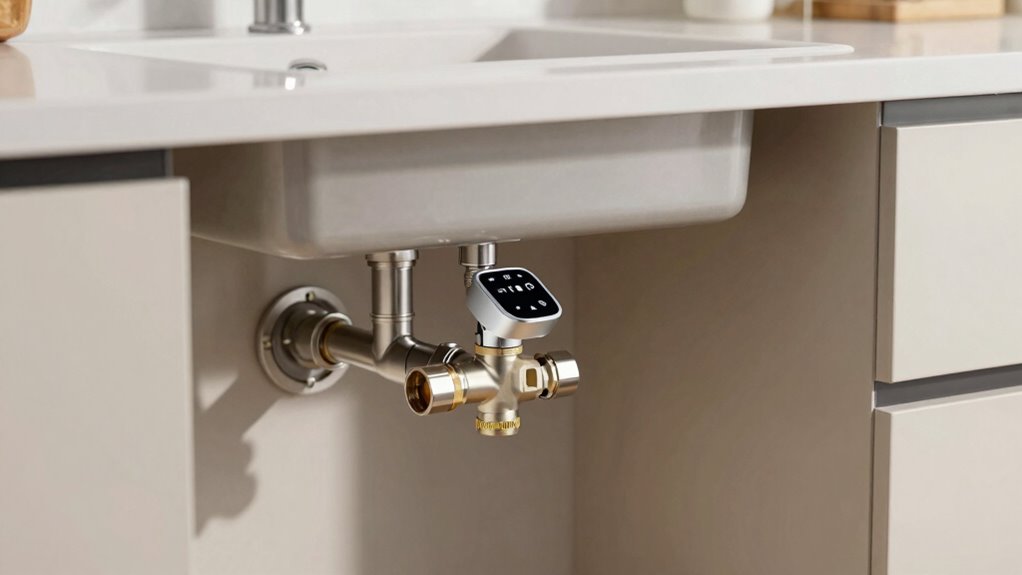

Smart water shutoff valves are worth considering if you want to protect your home from costly water damage, especially if you have older or vulnerable plumbing or live in a high-risk area. They automatically detect leaks, shut off water within minutes, and can be managed remotely via smartphone apps. While they may cost more upfront, they offer long-term savings by preventing damage, reducing water waste, and providing peace of mind. If you’re curious about when these systems really pay off, keep exploring the details.
Listen free for 30 days with Audible
Thousands of audiobooks and originals — cancel anytime.
As an affiliate, we earn on qualifying purchases.
Key Takeaways
- They are worth it in homes with older or vulnerable plumbing prone to leaks or freezing.
- Ideal for frequent travelers or second homes to prevent unnoticed water damage.
- Cost-effective long-term by avoiding expensive repairs and potential insurance discounts.
- Valuable in high-risk areas where water damage risks are elevated.
- Enhance home safety and peace of mind through automatic leak detection and remote management.
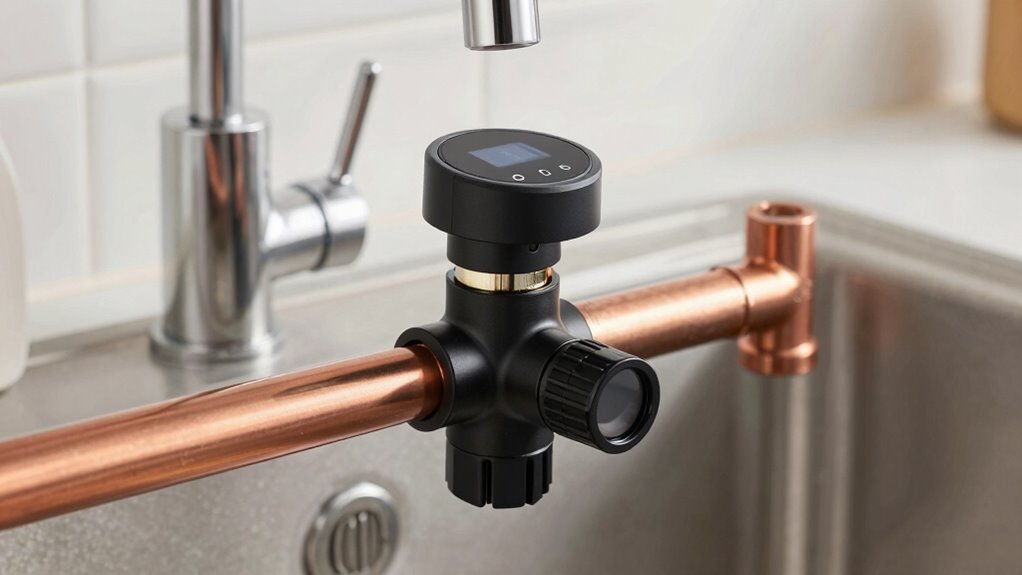
Smart water shutoff valves are revolutionizing how homeowners protect their properties from water damage. These devices automatically detect leaks or unusual water flow patterns and shut off the water supply before substantial damage occurs. If you’re considering investing in one, it is crucial to understand whether they’re worth it for your situation, especially in terms of leak prevention and installation costs.
Leak prevention is the primary benefit of smart water shutoff valves. When installed correctly, they act as a first line of defense against costly water damage from pipe bursts, appliance leaks, or forgotten faucets. You don’t have to be home to catch a leak early — the system continuously monitors your water usage and can shut off the supply within minutes of detecting abnormal activity. This proactive approach helps you avoid the inconvenience and expense of mold growth, structural damage, or ruined possessions. If you live in an area prone to freezing temperatures or have older pipes, the value of leak prevention increases notably. The peace of mind knowing that your home is protected even when you’re away makes these devices a compelling investment. Additionally, biodiversity and sustainable living practices emphasize the importance of reducing water waste, and smart shutoff valves contribute to this goal by preventing unnecessary water loss.
Smart water shutoff valves provide early leak detection and peace of mind, especially for homes in risk-prone areas.
Furthermore, many models include remote control features, allowing homeowners to monitor and manage their water systems via smartphone apps, which adds an extra layer of convenience and oversight. Incorporating smart technology into household systems is becoming increasingly common, making these devices more accessible and user-friendly for homeowners. As technology advances, the integration of home automation features is likely to expand, further enhancing their appeal. A growing number of utilities are also recognizing the benefits of these systems, which can reduce overall water consumption and promote more sustainable practices. However, you should also consider installation costs when evaluating their worth. Smart water shutoff valves are generally more expensive than traditional shutoff valves, and professional installation might add to the expense. The initial investment can range from a few hundred to over a thousand dollars, depending on the complexity of your plumbing system and the type of device you select. While the upfront costs may seem high, many homeowners find the long-term savings justify the expense. Avoiding water damage repairs, insurance claims, and replacing ruined belongings can save thousands of dollars over time. Plus, some insurance providers offer discounts for homes equipped with smart leak detection systems, offsetting part of the installation costs.
In the end, whether these valves are worth it depends on your home, lifestyle, and risk tolerance. If you frequently travel or own a second home, the added protection might be invaluable. For households with older or vulnerable plumbing, the benefits become even more apparent. While the upfront costs are notable, the potential savings and peace of mind can outweigh the expense. Smart water shutoff valves give you control and security, reducing the chances of water-related disasters and helping you maintain a safer, more resilient home.
smart water shutoff valve with leak detection
As an affiliate, we earn on qualifying purchases.
As an affiliate, we earn on qualifying purchases.
Frequently Asked Questions
How Long Do Smart Water Shutoff Valves Typically Last?
Smart water shutoff valves typically last around 10 to 15 years, depending on usage and maintenance. By investing in them, you improve water conservation and leak detection, preventing costly water damage. Regularly check and maintain your valve to extend its lifespan. Overall, these devices are a reliable, long-term solution for protecting your home from leaks, saving water, and reducing your utility bills over time.
Are Smart Water Shutoff Valves Compatible With All Plumbing Systems?
Think of smart water shutoff valves as puzzle pieces—you need the right fit. They aren’t compatible with all plumbing systems, especially if your plumbing material isn’t suited, like some older pipes or unique setups. Valve durability varies based on installation and materials used. Before installing, check the device’s compatibility with your plumbing system to guarantee a smooth connection, preventing leaks and maximizing their smart benefits.
What Is the Installation Process for Smart Water Shutoff Valves?
You’ll start by turning off your main water supply and draining excess water. Then, disconnect the existing valve and install the smart shutoff valve in its place, ensuring proper fit and water pressure regulation. During installation, set up leak detection features to monitor for potential leaks. Connect the valve to your Wi-Fi network, and test its functionality by simulating a leak or pressure change, ensuring it responds correctly.
Can Smart Water Shutoff Valves Be Integrated With Existing Security Systems?
Yes, smart water shutoff valves can be integrated with your existing security system. This allows you to enable remote monitoring, giving you real-time alerts and control from your smartphone or security panel. By connecting your valves to your security system, you enhance home protection, quickly responding to leaks or flooding. The integration is typically straightforward, using compatible apps or smart home hubs, making it a seamless upgrade for proactive water management.
Do Smart Water Shutoff Valves Require Wi-Fi or Internet Connection?
You don’t need Wi-Fi or an internet connection for smart water shutoff valves to work, but they often rely on it for full functionality. While water pressure and leak detection sensors can operate locally, connecting to Wi-Fi enables remote monitoring and control. Without internet, you’ll still get alerts based on water pressure changes or leaks, but remote shutoff and real-time updates require a stable Wi-Fi or internet connection.
Conclusion
Investing in smart water shutoff valves can save you from costly water damage and hefty bills. With over 10% of homes experiencing leaks annually, these devices offer peace of mind and quick response to potential issues. If you want to protect your property and avoid surprises, installing a smart shutoff valve is a smart move. Ultimately, their ability to detect leaks early makes them a worthwhile investment for any homeowner.
Fall Picks
fall essentials
As an affiliate, we earn on qualifying purchases.