
TL;DR

Get the latest gadgets delivered free with Prime
- Fast, free delivery on millions of items
- Prime Video, Amazon Music and more included
- Member-only deals all year
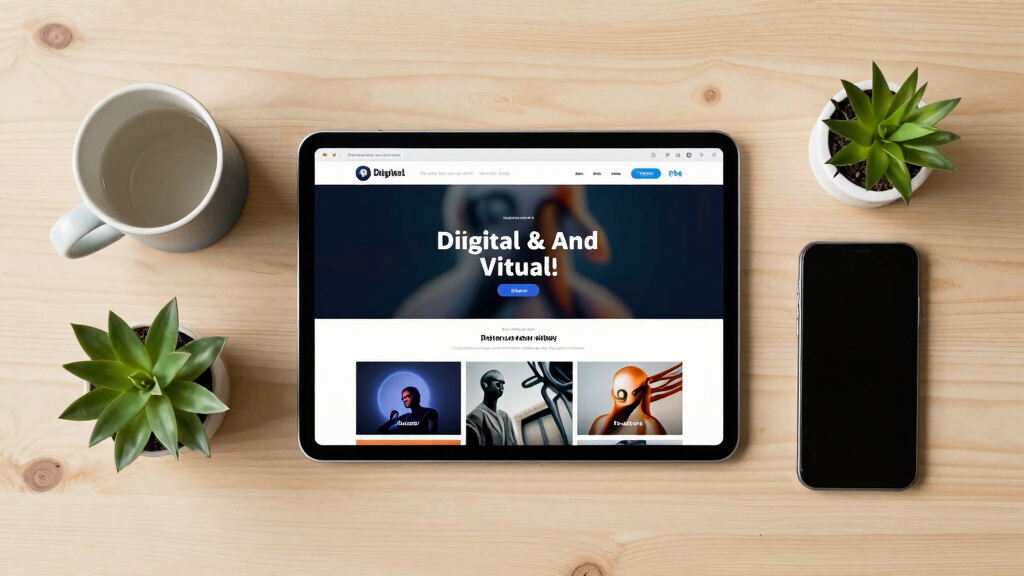
The National Museum of Asian Art has announced a partnership with TOPPAN to develop new digital and virtual reality experiences. This initiative aims to improve public access and engagement with Asian art collections. The project is currently in development, with details on specific features and timelines still emerging.
The National Museum of Asian Art has partnered with TOPPAN to develop new digital and virtual reality experiences, aiming to enhance public access and engagement with its collections. This collaboration marks a significant step toward integrating advanced technology into cultural preservation and education, with the projects currently in the planning and development stages.
The partnership was publicly announced on March 2024, with both institutions emphasizing their goal to create immersive digital content and virtual reality (VR) platforms. The projects will include virtual tours, 3D digital reproductions of artworks, and interactive educational tools, designed to reach global audiences beyond physical museum visits. The initiative aims to leverage TOPPAN’s expertise in digital printing and VR technology, combined with the museum’s extensive Asian art collections.
While specific technical details and launch timelines have not been disclosed, sources indicate that the projects are expected to roll out in phases over the next 12 to 18 months. The collaboration also involves plans for online exhibitions and educational programs accessible via web and VR devices, with an emphasis on inclusivity and accessibility.
Impacts of Digital Innovation on Cultural Access
This partnership represents a significant advancement in how cultural institutions can leverage technology to democratize access to art. By creating immersive digital and VR experiences, the National Museum of Asian Art aims to reach broader audiences, including those unable to visit physically. The initiative could set a precedent for other museums seeking to modernize and expand their educational offerings, especially amid ongoing challenges to in-person visitation.
Moreover, integrating digital technology with cultural preservation efforts can help safeguard fragile artworks and artifacts by reducing the need for physical handling. It also offers new opportunities for interactive learning and engagement, potentially transforming how audiences experience and appreciate Asian art worldwide.
VR headset for virtual museum tours
As an affiliate, we earn on qualifying purchases.
As an affiliate, we earn on qualifying purchases.
Growing Trend of Digital Museum Experiences
Over recent years, museums worldwide have increasingly adopted digital tools to enhance visitor engagement, especially during the COVID-19 pandemic when physical access was limited. Major institutions have launched virtual tours, online collections, and augmented reality features. The National Museum of Asian Art’s collaboration with TOPPAN follows this global trend, aiming to position itself as a leader in digital innovation within the cultural sector.
TOPPAN, a company with expertise in digital printing and VR technology, has previously worked on similar projects with other cultural and educational institutions. Their involvement signals a focus on high-quality, immersive digital content that can be accessed remotely, aligning with broader efforts to make art more accessible and engaging in the digital age.
“We are excited to collaborate with the museum on innovative digital projects that will bring Asian art to life in new ways.”
— a TOPPAN representative
Details on Project Features and Launch Timeline
Specific details regarding the technical features of the digital and VR projects, as well as precise launch dates, remain undisclosed. It is not yet clear how extensive the virtual experiences will be or which artworks will be featured initially. Further information is expected as the projects develop.
Upcoming Phases and Public Access Plans
The projects are currently in development, with phased rollouts anticipated over the next 12 to 18 months. The museum and TOPPAN plan to announce detailed features, launch dates, and access options closer to the release. Expect updates on online exhibitions, virtual tours, and educational programs that will be accessible via web and VR platforms.
Key Questions
What types of digital experiences will the museum offer?
The museum plans to develop virtual tours, 3D digital reproductions of artworks, and interactive educational tools accessible online and via VR devices.
When will these digital projects be available to the public?
The projects are expected to be launched in phases over the next 12 to 18 months, with specific dates to be announced by the museum and TOPPAN.
Will the virtual experiences include all artworks from the collection?
Details are still being finalized, but initial efforts will likely focus on key pieces and curated exhibitions, expanding over time.
How will this partnership improve access for people with disabilities?
The digital and VR platforms aim to include features such as audio descriptions, subtitles, and accessible controls to enhance inclusivity.
Is this the first time the museum has used digital technology?
The museum has previously offered online collections and virtual tours, but this partnership with TOPPAN marks a major expansion into immersive digital experiences.
Source: rss
Halloween Picks
halloween
As an affiliate, we earn on qualifying purchases.