
If you’re a beginner, index funds are a simpler, low-cost option that suit passive investors who prefer a set-it-and-forget-it approach and don’t need real-time trading. ETFs offer lower expenses, more flexibility to buy and sell throughout the day, and additional control, making them appealing if you’re interested in active trading or reacting quickly to market changes. To choose the best fit for your goals and comfort level, understanding both options better will help you make smarter decisions.
Key Takeaways
- Index funds are ideal for passive, buy-and-hold investors with minimal trading needs, while ETFs offer more flexibility for active trading.
- ETFs typically have lower expense ratios and allow intraday trading, which can benefit beginners seeking cost efficiency and control.
- Index funds are easier to manage with automatic contributions and are suited for long-term, hands-off investors.
- ETFs support limit orders, short-selling, and quick reactions to market changes, appealing to beginners interested in market timing.
- Overall, choice depends on comfort with trading, cost considerations, and desired investment control.

Are you wondering whether index funds or ETFs are better for your investment strategy? Both options are popular choices for beginners, and each has distinct advantages and considerations. One of the key factors you should consider is the cost structure. Index funds typically have a straightforward fee setup, often with low annual expense ratios, but some may charge minimum investment requirements or redemption fees. ETFs, on the other hand, usually have even lower expense ratios, making them a cost-effective option over time. However, because ETFs are bought and sold like stocks, you might encounter brokerage commissions or transaction fees, especially if you’re trading frequently or not using a zero-commission platform. This can impact your overall costs, so it’s important to compare the fee structures carefully before making a decision.
Trading flexibility is another vital aspect to evaluate. ETFs offer greater trading flexibility since they can be bought and sold throughout the trading day at market prices. This means you can react quickly to market movements, place limit orders, or even short-sell if you have the right account. Index funds, in contrast, are only priced once at the end of each trading day, which limits your ability to react to market changes in real time. If you prefer a hands-on approach, want to execute trades instantly, or plan to adjust your portfolio frequently, ETFs are more aligned with your needs. Conversely, if you prefer a more passive approach, dollar-cost averaging, or tend to make fewer trades, index funds could suit you just fine.
Another point to consider is how each investment option fits into your overall strategy. Index funds are generally ideal for buy-and-hold investors who want simplicity and minimal trading activity. They’re easy to set up with automatic contributions and can be a good choice for retirement accounts. ETFs, however, are better suited for those who want more control over their investments, such as the ability to execute intraday trades or take advantage of specific market conditions. If you’re just starting out, the lower cost structure of ETFs combined with their trading flexibility might appeal to you, giving you more opportunities to learn about the markets and develop your investment style. Additionally, understanding the flushing mechanisms and water efficiency features of modern toilets can provide insights into resource conservation, similar to how choosing the right investment vehicle helps conserve your financial resources.
Ultimately, choosing between index funds and ETFs depends on your comfort level with trading, the costs you’re willing to bear, and how actively you want to manage your investments. Both can serve as effective tools for building wealth, but understanding these differences will help you make the right choice for your personal financial goals.

Index Fund Investing for Beginners: Simple Strategies to Build Wealth in 2026 with Passive Income (VOO, VTI, ETF Guide for Retirement Planning and Financial Freedom)
As an affiliate, we earn on qualifying purchases.
As an affiliate, we earn on qualifying purchases.
Frequently Asked Questions
How Do Taxes Differ Between Index Funds and ETFS?
You’ll find that ETFs tend to be more tax-efficient than index funds because of their unique structure. When you sell shares, ETFs usually generate fewer capital gains, meaning you pay less in taxes. Index funds often distribute capital gains more frequently due to their mutual fund structure. So, if tax efficiency is a priority, ETFs might be the better choice, helping you keep more of your investment returns.
Can I Switch Between Index Funds and ETFS Easily?
You can switch between index funds and ETFs, but transfer flexibility depends on your account type. About 75% of brokerage accounts allow seamless transfers, making it easy to move funds. Confirm your account is compatible, as some platforms handle ETFs better, offering real-time trading. Check with your provider for specific transfer rules. With proper planning, switching is straightforward, helping you adjust your investments as your financial goals evolve.
Which Offers Better Diversification for Beginners?
ETFs generally offer better diversification for beginners because they provide broader sector exposure and geographic diversification. With ETFs, you can easily invest in specific sectors or regions, spreading your risk across multiple assets. This flexibility allows you to tailor your portfolio based on your preferences. Index funds also offer diversification but tend to be more focused on a particular index. Overall, ETFs give you more control over your diversification strategies.
Are There Minimum Investment Amounts for ETFS?
They say “don’t put all your eggs in one basket,” and that’s why ETFs are accessible for many investors. Generally, ETFs don’t have strict minimum investment amounts, making them easy to access. You can buy as little as one share, depending on the fund’s share price. This flexibility allows you to diversify your portfolio without needing a large sum upfront, making ETFs a smart choice for fund accessibility.
How Do Management Fees Compare in Index Funds vs. ETFS?
You’ll find management fees, including expense ratios and trading costs, tend to be lower for index funds than ETFs. Index funds usually have a set annual expense ratio, which covers management and administrative costs. ETFs often have similar expense ratios but can incur additional trading costs due to buying and selling shares. Overall, both options are cost-effective, but ETFs might be slightly more expensive if you trade frequently.
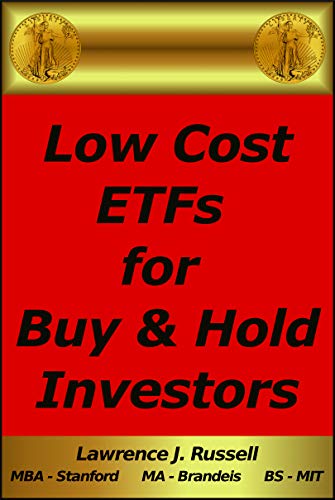
Low Cost ETFs for Buy & Hold Investors (Annual Update Book 2020)
As an affiliate, we earn on qualifying purchases.
As an affiliate, we earn on qualifying purchases.
Conclusion
Choosing between index funds and ETFs is like picking the right tool for your investment toolbox. Both are solid options, but it depends on your goals and preferences. Think of them as two sides of the same coin—each with its own strengths. Whichever you choose, remember that starting is the most important step. With patience and consistency, your investments can grow steadily, like a tree reaching for the sky. The right choice today sets the foundation for tomorrow’s financial future.

The Ultimate Guide to Understanding and Trading Stocks: Two-Book Bundle
As an affiliate, we earn on qualifying purchases.
As an affiliate, we earn on qualifying purchases.

The Automatic Wealth Machine: The No-Nonsense Guide to Investing in the US
As an affiliate, we earn on qualifying purchases.
As an affiliate, we earn on qualifying purchases.