To determine how much is enough for your emergency fund, aim to save three to six months of living expenses, including rent, utilities, groceries, insurance, and debt payments. Start by analyzing your regular costs and multiply that amount by three or six, depending on your job stability and comfort level. Building this cushion helps you avoid high-interest debt during surprises. For more tips on establishing your ideal amount, keep exploring the essentials.
Key Takeaways
- Save 3 to 6 months’ worth of essential living expenses as a general guideline.
- Calculate your total monthly expenses, including rent, utilities, and groceries, to determine your target fund.
- Adjust your emergency fund size based on income stability and personal circumstances.
- Automate regular deposits into a high-yield savings account to build your fund consistently.
- Prioritize liquidity and safety by choosing accessible, low-risk investments for your emergency savings.

Have you ever wondered how to handle unexpected expenses without stress? Building an emergency fund is your first step toward financial security, and knowing how much to save can seem overwhelming. The key is understanding that your emergency fund acts as a safety net, helping you navigate life’s surprises without resorting to high-interest debt or derailing your financial goals. When you’re thinking about your emergency fund, it’s essential to think about how it fits into your overall financial planning. Your personal circumstances, income stability, and expenses all influence how much you should aim to save. Typically, financial experts recommend setting aside enough to cover three to six months of living expenses. This range gives you a buffer during unexpected events like job loss, medical emergencies, or urgent repairs. But how do you determine what’s right for you? Start by analyzing your regular expenses: rent or mortgage, utilities, groceries, insurance, transportation, and debt payments. Once you know your monthly outgoings, multiply that amount by three or six to find your target emergency fund. For instance, if your monthly expenses total $3,000, aim for an emergency fund between $9,000 and $18,000.
Additionally, understanding the importance of financial planning and how your emergency fund fits into it can help you stay motivated and disciplined in your savings journey. Creating a realistic plan to reach this goal involves disciplined savings and strategic investment strategies. You might begin by setting aside a fixed amount from each paycheck—auto-deposits make this easier and less tempting to skip. As your fund grows, consider placing your savings in a high-yield savings account where your money can earn some interest but remains accessible. While it’s tempting to look for the highest returns through riskier investments, your emergency fund should prioritize liquidity and safety. This is where sound investment strategies come into play—balancing growth with security. For example, some people diversify their savings by splitting between a high-yield savings account and more conservative investments, ensuring their money is both accessible and slightly growing.

Your Financial Foundation (The High-Yield Savings Account & Emergency Fund)
As an affiliate, we earn on qualifying purchases.
As an affiliate, we earn on qualifying purchases.
Frequently Asked Questions
How Quickly Should I Aim to Save My Emergency Fund?
You should aim to save your emergency fund within three to six months, depending on your financial situation. Prioritize consistent savings and consider your expenses when setting your timeline. Incorporate smart investment strategies to grow your savings faster, and adjust your financial planning as needed. Staying disciplined helps you build your fund quickly, giving you peace of mind and a safety net during unexpected expenses or financial setbacks.
Can I Use Retirement Savings for My Emergency Fund?
You could dip into your retirement savings during an emergency, but beware of retirement account risks like penalties and taxes. Using such funds can jeopardize your future financial security. Instead, consider savings account options like a high-yield savings account or a dedicated emergency fund. These options keep your money accessible, safe, and avoid penalties, ensuring you’re prepared without sacrificing your long-term retirement goals.
What Expenses Should I Include in My Emergency Fund Calculation?
You should include all essential expenses in your emergency fund calculation, such as rent or mortgage, utilities, groceries, insurance, and minimum debt payments. Don’t forget to account for discretionary expenses like dining out or entertainment, as well as irregular bills like car repairs or annual subscriptions. By covering these costs, you’ll guarantee you’re prepared for unexpected setbacks and can maintain financial stability during emergencies.
How Do I Rebuild My Emergency Fund After a Withdrawal?
Did you know that 40% of Americans can’t cover a $400 emergency? To rebuild your emergency fund after a withdrawal, prioritize your financial planning by setting aside a small, consistent amount each month. Use smart investment strategies like high-yield savings accounts or low-risk bonds to grow your fund faster. Stay disciplined, track your progress, and gradually restore your safety net to guarantee you’re prepared for unexpected expenses.
Is It Better to Save in Cash or Other Liquid Assets?
It’s better to save in cash or other liquid assets because they offer quick access for emergencies. With cash management, you can easily access funds when needed, ensuring liquidity options are readily available. While other liquid assets like savings accounts or money market funds provide safety and some growth, cash remains the most accessible. Prioritize liquidity to ensure you’re prepared for unexpected expenses without delays.

B btransfer M1630 pro DTF Printer Bundle with Screen Touch Powder Shaker & Dryer,T Shirt Portable Printing Device,Slef-Maintenance & Automatic Cutter (Printer+Laptop+Shaker+Bracket+Consumables)
✅ 【All-in-One DTF Bunble】-M1630 pro DTF printer + A3 shaker & dryer machine + Portable stand ,Space-saving, portable,…
As an affiliate, we earn on qualifying purchases.
As an affiliate, we earn on qualifying purchases.
Conclusion
Building an emergency fund is about peace of mind. Imagine losing your job unexpectedly—you’d have a safety net to cover essentials without panic. Take Sarah, who saved three months of expenses; when her company downsized, she managed comfortably without debt. Start small, stay consistent, and watch your fund grow. Ultimately, a well-stocked emergency fund empowers you to face life’s surprises confidently, knowing you’re protected no matter what happens.
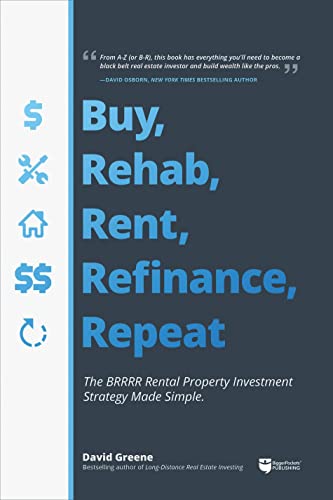
Buy, Rehab, Rent, Refinance, Repeat: The BRRRR Rental Property Investment Strategy Made Simple
As an affiliate, we earn on qualifying purchases.
As an affiliate, we earn on qualifying purchases.

100 Envelopes Money Saving Challenge Binder, Fun and Easy Savings System to Save $5,050, $10,000, $500, $1,000, A5 Budget Binder Planner Book Tracker with Cash Envelopes, Guide (Red)
Reach Your Savings Goals Effortlessly:Transform saving challenge into a rewarding game! This budget binder uses 100 numbered envelopes…
As an affiliate, we earn on qualifying purchases.
As an affiliate, we earn on qualifying purchases.