To stay productive and respectful in remote work, establish clear boundaries by setting consistent work hours and avoiding work outside those times. Use video during meetings to foster connection, keep emails concise, and respond promptly within 24 hours. Schedule regular virtual coffee breaks to build team camaraderie. Remember to mute yourself when not speaking and create a tidy workspace. Mastering these tips can boost your efficiency; discover more ways to thrive remotely below.
Key Takeaways
- Schedule regular virtual coffee breaks to foster team connection and maintain informal communication.
- Respond to emails promptly within 24 hours and set clear availability to respect colleagues’ time.
- Clearly communicate your work hours and avoid checking work messages outside designated times to maintain work-life balance.
- Use video during meetings, arrive on time, and mute when not speaking to enhance professionalism and engagement.
- Create a consistent routine balancing communication, boundaries, and breaks to boost productivity and well-being.

Working remotely offers flexibility, but it also requires you to adapt your etiquette and productivity habits. One way to stay connected and maintain rapport with colleagues is by scheduling virtual coffee breaks. These informal chats give you a chance to catch up, share ideas, and build camaraderie without the pressures of formal meetings. Keep these breaks relaxed and brief—around 10 to 15 minutes—so they complement your workday without becoming distractions. During these virtual coffee breaks, try to be present and engaged, just as you would in an office setting. This helps foster a sense of community and keeps communication lines open, making collaboration smoother when work tasks arise. Incorporating effective communication skills can further enhance these interactions and strengthen team bonds. Another key aspect of remote work etiquette involves managing your email response times. While immediate replies aren’t always expected, setting clear expectations about your availability is vital. Strive to respond to emails within a reasonable window—say, within 24 hours—unless they are urgent. This demonstrates respect for your colleagues’ time and ensures that workflows aren’t stalled waiting for responses. When you do reply, keep your messages clear and concise, addressing the main points without unnecessary fluff. If a response requires more time or additional information, acknowledge receipt of the email and provide a timeline for when they can expect a detailed reply. This proactive communication reassures your team that you’re on top of your responsibilities, even if you’re not constantly checking your inbox. In addition, establishing boundaries around your work hours helps to reinforce good remote etiquette. Communicate your availability to your team, and try to stick to consistent hours each day. This prevents work from bleeding into your personal time and helps colleagues understand when they can expect to reach you. When you’re off the clock, resist the temptation to check emails or respond to work messages, as doing so can set a precedent for expecting constant availability. Finally, pay attention to your virtual presence. Use video when possible during meetings to foster a sense of connection, and ensure your background is tidy and professional. Being punctual for virtual meetings shows respect for everyone’s time, and muting yourself when not speaking minimizes background noise. Small gestures like these boost professionalism and help maintain a productive remote work environment. By balancing virtual coffee breaks, managing email response times, and respecting boundaries, you’ll create a remote work routine that’s both efficient and respectful, making the most of your flexible workspace.

OffiGo U Shaped Electric Standing Desk with Keyboard Tray, 55 Inch Height Adjustable Desk with Power Outlets & LED Lights, Sit Stand Table with Monitor Stand for Home, Office, White
Extra Usage Space: This OffiGo U shaped standing desk features a dual corner design that provides more workspace…
As an affiliate, we earn on qualifying purchases.
As an affiliate, we earn on qualifying purchases.
Frequently Asked Questions
How Do I Handle Interruptions During Remote Meetings?
When interruptions occur during remote meetings, stay calm and politely address them. Use your virtual background if needed to minimize distractions, and practice mute etiquette by keeping your microphone muted when you’re not speaking. If an interruption is unavoidable, briefly apologize and re-engage with the meeting. Staying attentive and respectful helps maintain professionalism, ensuring everyone stays focused and the meeting runs smoothly.
What’s the Best Way to Set Boundaries With Family at Home?
You should clearly communicate your family boundaries to maintain your work-life balance. Let your family know your work hours and ask for their support in respecting those times. Set up a designated workspace, use visual cues like a closed door, and establish routines to minimize interruptions. Consistently reinforce these boundaries, so everyone understands when you’re working and when you’re available, helping you stay productive while balancing family needs.
How Can I Stay Motivated on Long Remote Work Days?
To stay motivated on long remote work days, establish a solid work routine and practice self-discipline. Break your day into manageable tasks, set clear goals, and take regular breaks to refresh your mind. Keep a dedicated workspace to minimize distractions, and reward yourself for completing milestones. Staying consistent with your routine helps maintain focus, while self-discipline guarantees you stay on track, making even lengthy days productive and fulfilling.
What Tools Help Manage Remote Team Collaboration Effectively?
You can boost your remote team’s efficiency with tools that facilitate virtual collaboration and streamline project management. Use platforms like Slack or Microsoft Teams for instant communication, Trello or Asana for task organization, and Zoom for face-to-face meetings. These tools help keep everyone aligned, foster teamwork, and guarantee clear progress tracking. Embracing these solutions makes remote collaboration more effective, productive, and seamless, helping your team stay connected and on target.
How Do I Address Technical Difficulties Without Disrupting Workflow?
When you face technical difficulties, quickly reach out to your tech support team for help. Use troubleshooting tips like restarting devices, checking internet connections, and updating software to fix common issues. Keep communication clear and inform your team if you’re experiencing delays. By proactively addressing problems, you prevent workflow disruptions and maintain productivity. Remember, seeking prompt assistance and applying troubleshooting tips keeps things running smoothly.
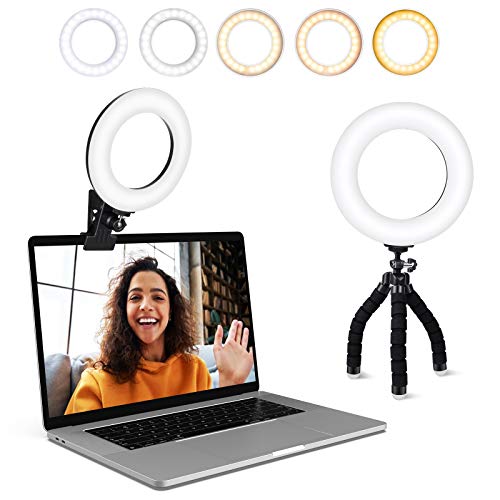
Video Conference Lighting Kit, Ring Light Clip on Laptop Monitor with 5 Dimmable Color & 5 Brightness Level for Webcam Lighting/Zoom Lighting/Remote Working/Self Broadcasting and Live Streaming, etc.
Adjustable Color Temperature & Brightness: ACMEZING video conference light has 5 color temperature: Warm warm, Warm white, Natural…
As an affiliate, we earn on qualifying purchases.
As an affiliate, we earn on qualifying purchases.
Conclusion
By following these remote work etiquette and productivity tips, you create a professional environment even from afar. Think of your workspace as a well-tuned instrument—when you handle it with care and discipline, everything plays harmoniously. Stay mindful of boundaries, communicate clearly, and prioritize your tasks. Doing so helps you stay focused and respectful of others’ time, making remote work feel seamless, like a perfectly choreographed dance. Keep these tips in mind, and thrive wherever you work from.
noise cancelling headphones for work
As an affiliate, we earn on qualifying purchases.
As an affiliate, we earn on qualifying purchases.

Marbrasse Pen Organizer with 2 Drawer, Multi-Functional Pencil Holder for Desk, Desk Organizers and Accessories with 5 Compartments + Drawer for Office Art Supplies (White)
【Enough Capacity】Set of 3 compartments pen holder, 1 top tray, 1 notebook holder, and 2 drawers which have…
As an affiliate, we earn on qualifying purchases.
As an affiliate, we earn on qualifying purchases.