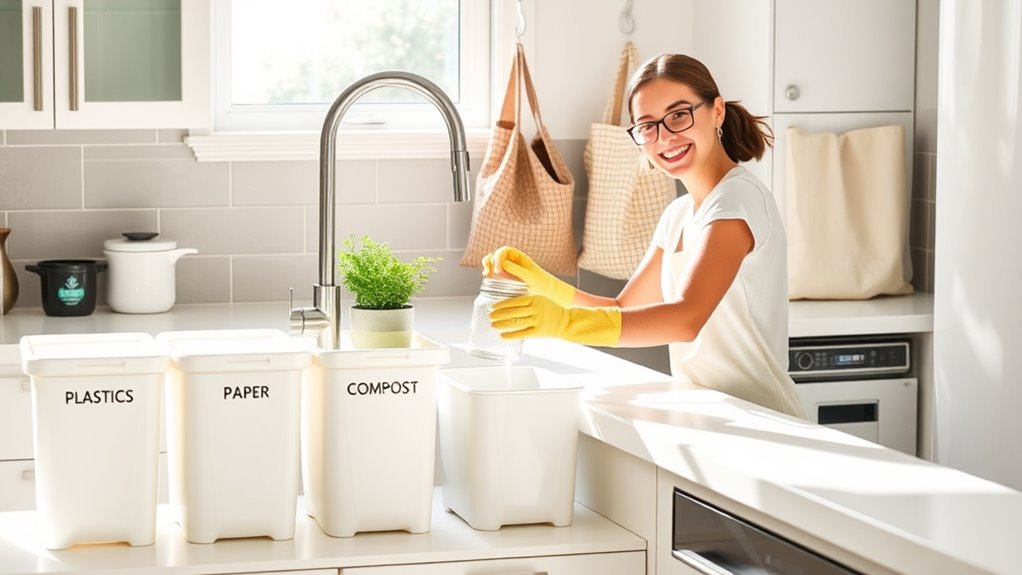

To reduce waste at home, start composting food scraps like vegetable peels and coffee grounds to create nutrient-rich soil and cut down on landfill waste. Use reusable bags, containers, and produce bags to avoid single-use plastics. Support sustainable habits by regularly turning your compost and choosing minimal packaging. Small changes can lead to a cleaner, more organized space and a healthier planet—discover more simple steps to boost your sustainability efforts.
Key Takeaways
- Start composting food scraps and yard waste to create nutrient-rich soil and reduce landfill waste.
- Use reusable containers, bags, and produce wraps to minimize single-use plastic and packaging.
- Choose products with minimal or recyclable packaging to decrease household waste.
- Regularly turn and maintain compost to ensure efficient decomposition and soil health.
- Incorporate small sustainable habits, like bringing reusable bags and caddies, to foster long-term eco-friendly routines.
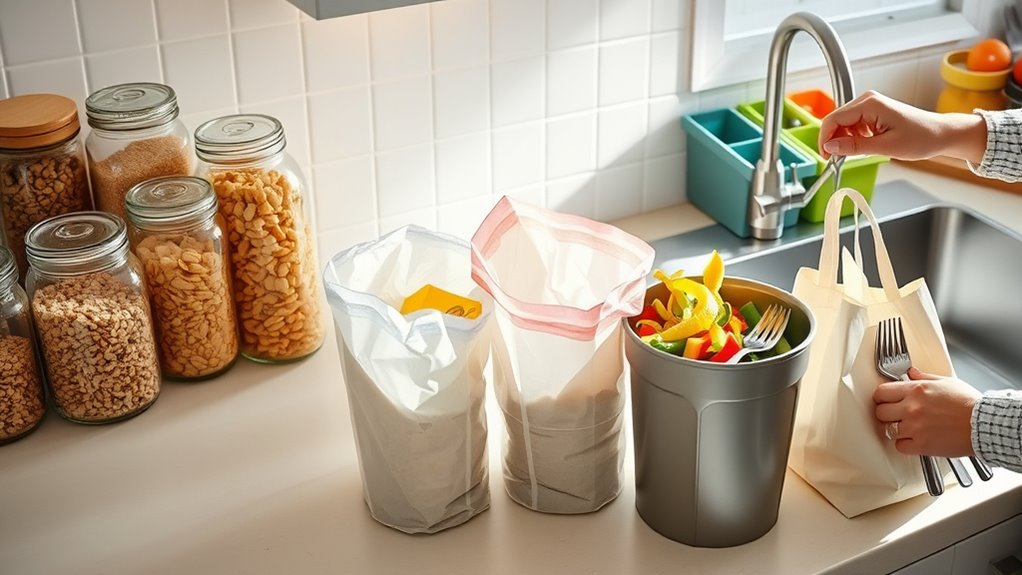
Reducing waste at home is an essential step toward protecting the environment and saving money. One effective way to do this is by incorporating composting tips into your routine. Composting transforms food scraps and yard waste into nutrient-rich soil, reducing the amount of trash that ends up in landfills. To get started, keep a designated compost bin in your kitchen or yard. Collect vegetable peels, coffee grounds, eggshells, and yard debris, but avoid adding meat, dairy, or oily foods, which can attract pests. Turn your compost regularly to aerate it, helping organic material break down faster. Keep the compost moist, but not soaked, to promote decomposition. Proper composting practices are supported by understanding affiliate disclosures and maintaining transparency about the process. By composting, you not only cut down on waste but also create free, high-quality fertilizer for your garden, reducing the need for chemical fertilizers and supporting sustainable gardening.
Another impactful step is to use reusable packaging instead of single-use plastics. Switch out disposable items like plastic bags, water bottles, and food containers for durable, reusable options. Invest in silicone or glass food storage containers, which are easy to clean and last for years. Carry a reusable shopping bag whenever you go to the store; many places even charge extra for plastic bags, so you’ll save money while reducing waste. When buying produce, opt for items wrapped in minimal or recyclable packaging, or better yet, bring your own reusable produce bags. Using reusable packaging not only cuts down on plastic waste but also encourages mindful consumption. Plus, reusable items often save you money over time, as you won’t need to continually purchase disposable alternatives.
Integrating these practices into your daily life is simple and impactful. Start small by keeping a compost bin at home and gradually replacing single-use items with reusable ones. Remember, consistency is key—over time, these habits become second nature. You might also consider setting reminders or labeling containers to keep your composting and reusable packaging routines on track. As you become more conscious of your waste, you’ll notice a reduction in clutter and trash, which makes your home cleaner and more organized. Additionally, sharing your efforts with family or friends can inspire them to adopt similar habits, creating a ripple effect that benefits the environment even more. Every small change adds up, and collectively, they can make a significant difference in reducing your household waste footprint. By being intentional about composting tips and choosing reusable packaging, you’re taking meaningful steps toward sustainability, protecting natural resources, and contributing to a healthier planet for future generations.

Utopia Kitchen Indoor Compost Bin Kitchen, Odorless Composting with Charcoal Filter, 1.3 Gallon Stainless Steel Large Composter for Countertop & Under Sink, Easy Cleaning, One Extra Filter – (Silver)
With this compost bin, you can let the scraps build up during the week without worrying about bad…
As an affiliate, we earn on qualifying purchases.
As an affiliate, we earn on qualifying purchases.
Frequently Asked Questions
How Can I Compost Indoors Effectively?
To compost indoors effectively, start with a small, airtight container in your kitchen for your scraps. Use a mix of kitchen scraps like fruit and veggie peels, coffee grounds, and eggshells. Turn the compost regularly to aerate it, and keep it in a cool, dark spot. This way, you’ll reduce waste and create nutrient-rich compost without any mess or odors bothering you.
What Are Eco-Friendly Alternatives to Plastic Wrap?
You can replace plastic wrap with eco-friendly options like beeswax wraps, which are reusable and breathable, perfect for covering bowls and wrapping food. Silicone covers are another great alternative; they stretch to fit containers and are durable, dishwasher-safe, and reusable. Both options help you cut down on plastic waste, making your kitchen more sustainable while keeping your food fresh without harmful plastics.
How Do I Reduce Food Waste in My Household?
You can cut food waste by practicing meal planning and portion control. For example, imagine you plan meals for the week, buying only what you need. When serving, use smaller portions and save leftovers for later. This approach minimizes spoiled food and prevents overeating. By sticking to your plan and controlling portions, you reduce waste, save money, and support sustainability efforts effortlessly.
Which Recycling Practices Are Often Overlooked?
You often overlook recycling plastic packaging and proper paper disposal. Make certain to rinse plastic containers before recycling them to prevent contamination. Flatten cardboard and paper to save space and ensure they’re accepted by your recycling program. Also, separate plastic from other recyclables and avoid throwing away clean paper in regular trash. These small practices can considerably reduce waste and make your recycling efforts more effective.
How Can I Encourage Family Participation in Waste Reduction?
Think of your family as a team planting seeds of change. To boost family engagement, make waste reduction fun with educational activities like sorting games or DIY compost bins. Share stories about how small actions make a big difference, inspiring everyone to participate. When you turn sustainability into a shared adventure, your family will enthusiastically join in, transforming eco-friendly habits from chores into meaningful moments together.

Collapsible Silicone Food Storage Containers Set with Lid & Air Vent,Foldable Lunch Containers(4PCS,Blue,27oz)
【4-PIECE SET】You’ll receive a 4-piece set of collapsible food storage containers in blue, each with a 27 oz…
As an affiliate, we earn on qualifying purchases.
As an affiliate, we earn on qualifying purchases.
Conclusion
Just like the ancient trees that stand tall through centuries, your small actions can create lasting change. By reducing waste at home, you become a steward of the planet, nurturing its health for generations to come. Every mindful choice echoes like ripples on a pond, spreading sustainability far beyond your doorstep. Remember, even the tiniest step—like a drop in the ocean—can help build a brighter, greener future for all of us.
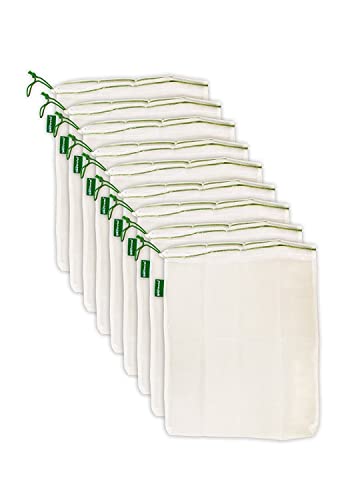
Earthwise Reusable Mesh Produce Bags – Washable Set of 9 Premium Bags, TRANSPARENT Lightweight, Strong SEE-THROUGH Mesh for shopping, transporting and storing fruits and veggies.
SUPER VALUE – You will receive a total of 9 Mesh Produce Bags! SIZE: Each Bag Measures 11"…
As an affiliate, we earn on qualifying purchases.
As an affiliate, we earn on qualifying purchases.

GREELYS Waste Bag for Pets – Eco Friendly and Bio Degradable – 360 Bags (Unscented)
Generous Supply: This package includes 360 waste bags, providing you with a long-lasting supply for managing your pet's…
As an affiliate, we earn on qualifying purchases.
As an affiliate, we earn on qualifying purchases.