To create an emergency ‘go bag’ for your family, gather essential supplies like first aid kits, non-perishable foods, water, flashlights, batteries, and important documents stored in a waterproof container. Tailor items for kids and pets, and keep everything organized in an easily accessible spot. Regularly check and update your kit, practicing how to pack quickly. If you keep these steps in mind, you’ll be ready when an emergency strikes. Keep going to learn more about assembling your perfect go bag.

Get the latest gadgets delivered free — and shop member deals
- Fast, free delivery on millions of items
- Access to Prime Big Deal Days deals on October 6–7
- Prime Video, Amazon Music and more included
Key Takeaways
- Include essential items like first aid supplies, food, water, clothing, and important documents in a waterproof, easily accessible bag.
- Pack enough supplies to last at least three days per family member, with additional provisions for pets.
- Regularly check and update the contents, replacing expired or used items to ensure readiness.
- Designate a specific, visible location for the go bag and practice quick packing and deployment.
- Customize the kit for family needs, including special items for children and pets, and include communication devices.
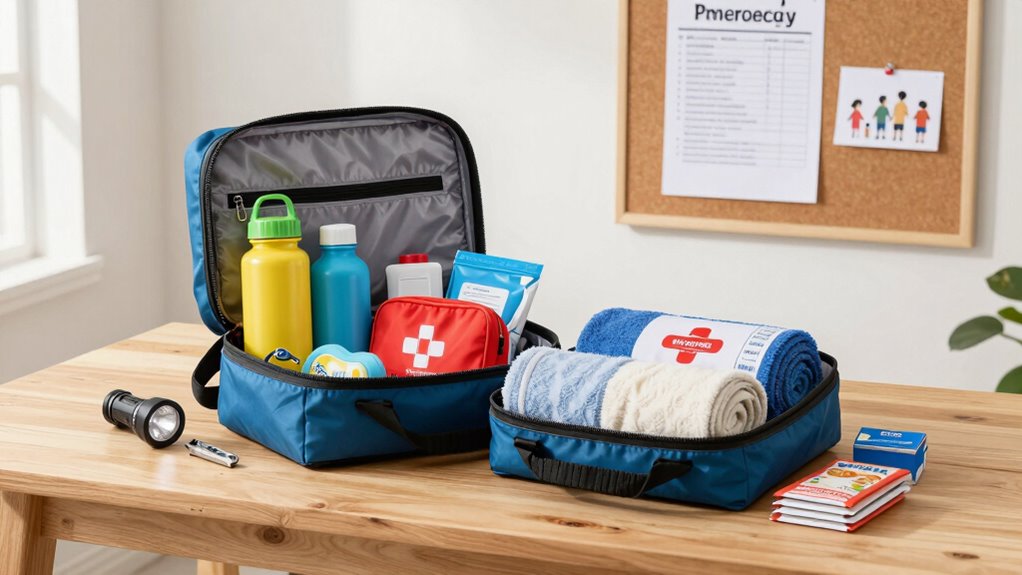
Have you ever wondered what you’d do if an emergency suddenly struck your family? Preparing a go bag isn’t just about grabbing a few essentials; it’s about ensuring you’re ready to handle whatever comes your way. When creating your emergency kit, prioritize including first aid supplies. A well-stocked first aid kit can make a crucial difference, helping you treat injuries quickly and preventing minor issues from worsening. Make sure it contains bandages, antiseptic wipes, scissors, pain relievers, and any necessary prescription medications. It’s also smart to include items like gloves, tweezers, and a thermal blanket. Keep these supplies organized in a waterproof bag and check the contents regularly to replace expired items. Understanding the importance of emergency preparedness can help you stay calm and efficient during a crisis.
Preparing your first aid kit with essentials can make a lifesaving difference in emergencies.
Food storage is another essential component of your go bag. You want to pack non-perishable, easy-to-prepare foods that provide enough energy and nutrients to sustain your family during an emergency. Think protein bars, trail mix, canned fruits, and bottled water. Don’t forget a manual can opener if you include canned goods. It’s wise to store enough food and water for at least three days per person, but ideally, aim for a week’s supply. Remember, during a crisis, access to fresh food and clean water might be limited, so your pre-packed supplies should be ready to go at a moment’s notice. Being aware of biodiversity and conservation can also remind you of the importance of protecting natural resources to ensure future access to clean water and food sources. Additionally, understanding how natural resources impact our survival emphasizes the need to conserve and utilize them wisely.
Besides first aid and food storage, consider other crucial essentials to include. Flashlights with extra batteries, a battery-powered radio, and a multi-tool can be invaluable when communication lines are down or power is out. Pack warm clothing, sturdy shoes, and personal hygiene items to keep everyone comfortable and healthy. It’s also wise to include important documents like copies of IDs, insurance policies, and emergency contacts in a waterproof container.
When assembling your go bag, think about everyone’s needs, including children and pets. Tailor your supplies to accommodate their specific requirements. Keep your kit in a designated, easily accessible location so you can grab it quickly during an emergency. Regularly review and update your supplies, practicing how to quickly pack and deploy your bag. Being prepared isn’t just about having the right gear; it’s about knowing how to use it effectively and ensuring your family is ready for whatever situation arises.
waterproof first aid kit for families
As an affiliate, we earn on qualifying purchases.
As an affiliate, we earn on qualifying purchases.
Frequently Asked Questions
How Often Should I Update My Go Bag Supplies?
You should update your go bag supplies every six months to guarantee food supplies and water storage are fresh and functional. Check expiration dates on food and replace items as needed. Regularly review water supplies, rotating them to keep them safe. Also, test your gear and update clothing or batteries. Keeping your go bag current ensures you’re prepared when emergencies strike, giving you peace of mind.
What if I Have Infants or Elderly Family Members?
Think of your go bag as a lifeline; it needs to include essentials for infants and the elderly. For infant safety, pack diapers, formula, and soothing items. For elderly accessibility, include medications, mobility aids, and easy-to-read instructions. Always tailor your supplies to meet everyone’s needs, ensuring comfort and security during emergencies. Remember, a well-prepared bag shows that you care for your loved ones, no matter the situation.
How Do I Personalize a Go Bag for Different Emergencies?
To personalize your go bag for different emergencies, focus on kit customization and emergency communication needs. Add specific items like masks, gloves, or medications based on potential risks, and include a whistle or two-way radio for quick communication. Think about your family’s unique needs, such as infant supplies or elderly assistance devices. Regularly update your kit and practice emergency communication plans, ensuring everyone knows how to use the items effectively.
Can I Use a Backpack Instead of a Dedicated Bag?
Yes, you can definitely use a backpack instead of a dedicated bag. Its versatility allows you to carry essential items comfortably and efficiently. Look for a backpack with ample storage options, such as multiple compartments and pockets, so you can organize your emergency supplies easily. Choose one that’s durable and lightweight, ensuring you can grab it quickly during an emergency while keeping everything accessible and well-organized.
What Are the Best Locations to Store My Go Bag?
You should store your go bag in easily accessible locations like near exits or in your garage. Consider storage options that keep it protected from weather and theft, like a locked closet or a sturdy cabinet. Security considerations include choosing spots away from potential hazards and ensuring only trusted family members know its location. Regularly check your storage to make sure your go bag remains ready for quick grab-and-go use during emergencies.
Conclusion
Now, as you pack your family’s go bag, remember that preparedness often surprises us—just like that time you found a forgotten snack in your backpack during a hike. By staying prepared, you’ll be ready for the unexpected, turning potential chaos into calm. Keep your bag updated and within reach, so when life throws a curveball, you’re ready to face it together. After all, being prepared is the best gift you can give your loved ones.
Fall Picks
fall essentials
As an affiliate, we earn on qualifying purchases.