Ozone (O₃) forms in the Earth’s atmosphere when UV radiation splits oxygen molecules, creating a protective layer in the stratosphere that shields you from harmful UV rays. However, at ground level, ozone results from pollution, reacting with chemicals like NOx and VOCs from vehicles and industry, which can harm your health, damage materials, and threaten ecosystems. To understand how ozone impacts climate, health, and strategies to reduce pollution, stay with us for more details.
Key Takeaways
- O3 is the chemical formula for ozone, a molecule composed of three oxygen atoms.
- It exists naturally in the Earth’s stratosphere, forming the ozone layer that protects against UV radiation.
- Ozone at ground level is a pollutant formed by reactions between NOx, VOCs, and sunlight, impacting health and environment.
- It plays a key role in climate interactions, influencing both atmospheric chemistry and global warming.
- Ozone damage affects materials, crops, and human health, requiring monitoring and mitigation efforts.

ZYKYCX Portable Ozone Detector, 0-100 PPM Ozone Gas Monitor with 0.01 PPM High Resolution, 16H Long Battery Life, Ozone Meter with Alarm, O3 Air Quality Monitor with Temp & Humidity Tester, Orange
High Precision Ozone Monitoring: Thanks to the electrochemical sensor, this ozone detector can accurately measure ozone concentration from…
As an affiliate, we earn on qualifying purchases.
As an affiliate, we earn on qualifying purchases.
How Ozone Forms in the Atmosphere

Ozone forms in the atmosphere primarily through interactions between solar ultraviolet (UV) radiation and oxygen molecules (O2). When UV rays with wavelengths less than 240 nm reach the stratosphere, they split O2 into two atomic oxygen atoms. These free oxygen atoms then quickly react with other O2 molecules, creating ozone (O3). This process is most active in the tropical stratosphere, where sunlight is intense. The ozone layer acts as a shield, absorbing harmful UV radiation and protecting life on Earth. Ozone production remains balanced by natural destruction caused by reactive gases like chlorine and nitrogen oxides. UV radiation is most effective at wavelengths less than 240 nm in producing ozone. This continuous cycle maintains the ozone layer, vital for filtering out dangerous UV rays and sustaining the planet’s ecological balance. Additionally, ozone depletion can occur when certain man-made chemicals break down ozone molecules, leading to thinning of the ozone layer in some regions. The ozone formation process is influenced by atmospheric conditions and chemical concentrations, which can vary depending on geographic location and weather patterns.

Mold Test Kit for Home – 12 Simple Detection Tests,Test HVAC System,Home Surfaces,& Indoor Air Quality Testing Kits,DIY Mold Detector at Home,Includes Detailed Mold Identification Guide,air Tester
The Kayenqo Mold Test Kit contains 12 test plates, detailed mold guide and mold removal instructions, 12 swabs,…
As an affiliate, we earn on qualifying purchases.
As an affiliate, we earn on qualifying purchases.
Major Sources of Ozone Precursors
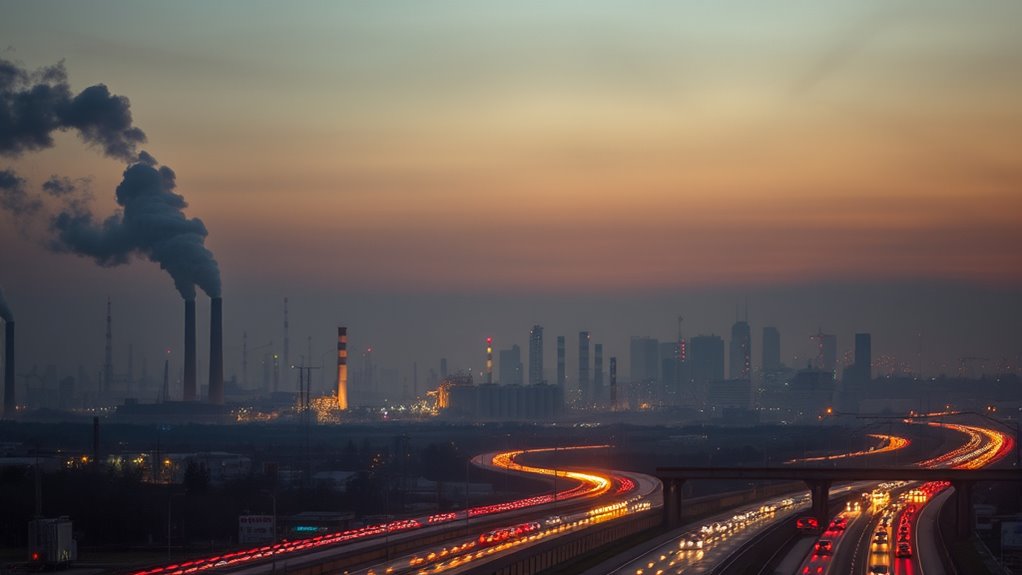
Understanding where ozone precursors originate helps clarify how ozone levels are influenced in the atmosphere. You’ll find that industrial sources like chemical plants, power plants, refineries, and chemical processing facilities release VOCs and NOx, which are key ozone precursors. These industrial emissions are often regulated by environmental policies to reduce their impact. Transportation plays a major role too, with motor vehicles, trucks, buses, airplanes, shipping, and construction equipment emitting significant amounts of NOx and VOCs. Agriculture contributes through fertilizer use, livestock, and soil emissions, while natural sources like vegetation, soil, wildfires, and lightning naturally produce VOCs and NOx. Additionally, miscellaneous sources such as gasoline pumps, paints, auto shops, and household products release VOCs directly into the air. All these sources combine to influence ozone formation and variability in different environments. Understanding emission sources helps in developing effective strategies for air quality improvement and pollution control.

O3 Meter Ozone Monitor, Gas Detector Multifunctional Intelligent O3 Ozone Meter Gas Test Sensor Air Quality TVOC PM2.5 PM1.0 PM10 0-5ppm O3 Tester Know Your Air Clearly
【Multi-Gas Monitor】Integrated detection with O3, PM2.5, PM1.0, PM10, TVOC, Temperature, Humidity.
As an affiliate, we earn on qualifying purchases.
As an affiliate, we earn on qualifying purchases.
Health Risks Associated With Ozone Exposure
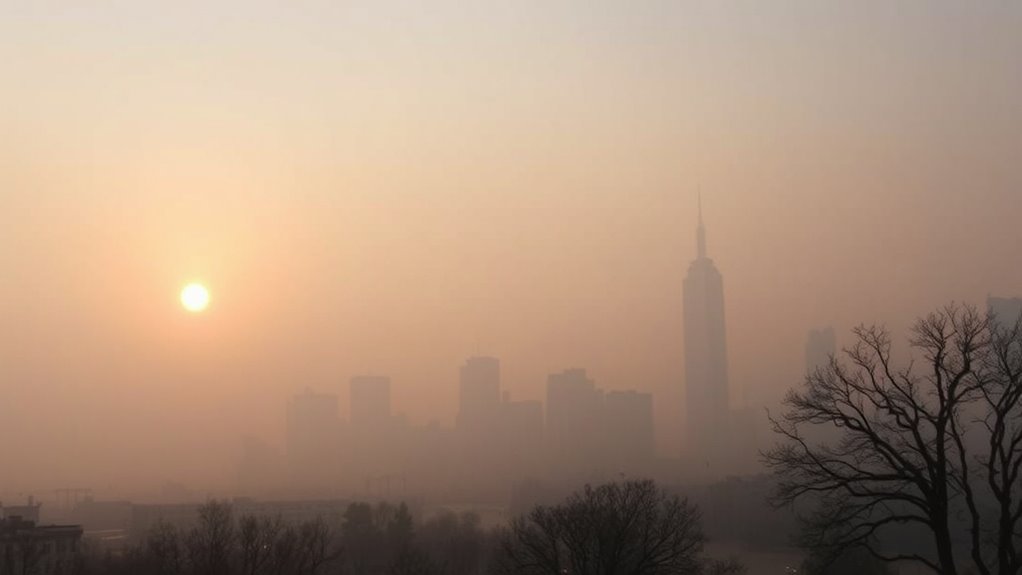
Have you ever experienced shortness of breath, wheezing, or throat irritation after spending time outdoors on a smoggy day? Ozone exposure can cause immediate respiratory effects, like coughing, chest tightness, and eye, nose, or throat irritation within minutes. Ozone is particularly reactive and can chemically attack lung tissue, leading to inflammation and damage. For those with asthma or COPD, symptoms worsen and may require medical attention. Short-term exposure also raises the risk of heart problems and increases hospital visits for cardiovascular issues, especially in older adults during warm seasons. Additionally, high ozone levels can impair lung function, further exacerbating respiratory problems. This underscores the importance of understanding AI security vulnerabilities, which can impact critical health data systems and public health responses. Recognizing the cumulative health impacts of ozone, even with brief exposures, can help in developing better protective strategies. Long-term effects include lung damage, metabolic and nervous system disruptions, and reproductive health declines. Research indicates that even low-level exposure can have cumulative health impacts, highlighting ozone’s hidden dangers. Vulnerable populations—children, pregnant women, low-income communities—face heightened risks. Even low-level exposure, below current standards, can accelerate respiratory aging and cause subclinical lung function decline, which underscores the importance of preventative measures, highlighting ozone’s hidden dangers.

Geyoga 6 Pieces Summer UV Protection Cooling Neck Gaiter Face Clothing Neck Gaiter Mask Scarf Sunscreen Breathable Bandana(Classic Color)
Package content: you will offer you 6 pieces of summer bandana face covers, no pilling, no fading and…
As an affiliate, we earn on qualifying purchases.
As an affiliate, we earn on qualifying purchases.
Environmental Impact on Plants and Ecosystems
Exposure to ozone doesn’t just affect human health; it also poses significant risks to plants and ecosystems. When ozone enters plant tissues through stomata, it causes oxidative damage, impairing photosynthesis and reducing growth. Elevated ozone levels lead to early leaf aging and decline in gas exchange, weakening plant resilience. Ozone damages leaves, accelerates aging, and diminishes the plant’s ability to produce energy, which affects overall vitality. This disruption alters plant community composition, affecting biodiversity and ecological interactions, such as plant competition and insect relationships. Ozone also impacts soil health by changing root exudation and microbial diversity, which hampers nutrient cycling. Additionally, increased ozone can lead to reduced crop yields, threatening food security in vulnerable regions. Regions with high plant diversity, like parts of Asia and Africa, become especially vulnerable, with climate factors intensifying ozone’s effects. Moreover, ozone pollution can also influence plant disease susceptibility, further jeopardizing plant health. Changes in environmental conditions caused by ozone can also lead to altered plant phenology, which impacts the timing of flowering and fruiting, disrupting ecological balances. Overall, ozone pollution threatens ecosystem stability, biodiversity, and the health of natural habitats.
Material Damage From Ozone Contact

Ozone contact can cause significant material damage, especially in rubber and polymer-based components. When ozone reacts with these materials, it initiates oxidation, leading to cracking and brittleness. Natural rubber and Buna-N are highly susceptible, often cracking rapidly under stress, while materials like Teflon and silicone tubing resist ozone better. Ozone accelerates degradation processes in susceptible materials, reducing their lifespan. Factors such as ozone concentration, exposure duration, temperature, humidity, and mechanical stress influence the extent of damage. Ozone breaks down polymers by chain scission and crosslinking, weakening material structure. Using ozone-resistant options like Viton seals or stainless steel can mitigate damage. Incorporating antioxidants in materials and controlling environmental conditions also help prevent deterioration, ensuring the longevity of components exposed to ozone. Material degradation can be further minimized by applying protective coatings and ensuring proper storage conditions. Regular inspections and proper storage further reduce the risk of material failure, especially when considering material properties that influence resistance to environmental factors. Additionally, understanding the environmental factors that accelerate deterioration is crucial for effective material selection and maintenance. Recognizing the role of environmental conditions in the degradation process can help optimize protective strategies and extend material lifespan. Moreover, selecting materials with inherent ozone resistance enhances durability in ozone-rich environments.
Ozone’s Role in Agriculture and Food Security

Ozone plays a significant role in agriculture and food security by directly impacting crop health and yields. It causes substantial phytotoxicity, damaging crops worldwide and reducing yields—wheat loses about 8.4%, and soybean seed protein drops by roughly 200 kg/ha.
Globally, tropospheric ozone contributes to annual losses of around 110 million tonnes across staples like wheat, rice, maize, and soybeans. Sensitive crops like wheat suffer more than maize, especially in South and East Asia, where pollution levels rise. Understanding legalities and zoning regulations for tiny houses can inform sustainable land use practices that support agricultural resilience. Additionally, adopting integrated pest management techniques can help mitigate some effects of ozone stress on crops. Recognizing the importance of modern energy-efficient ventilation can also aid in reducing local pollution sources that contribute to ozone formation. Implementing precision agriculture methods can further optimize resource use and minimize ozone-related damage.
Tropospheric ozone causes global crop losses of 110 million tonnes, impacting wheat, rice, maize, and soybeans, especially in Asia.
Ozone also lowers nutritional quality, decreasing protein and antioxidants, which worsens malnutrition risks. Farmers face income losses and supply chain disruptions. Monitoring ozone levels is crucial for developing effective mitigation strategies and protecting crop yields. Mitigation involves ozone regulation, breeding tolerant crops, and advanced monitoring, but gaps remain in understanding long-term impacts and interactions with climate factors.
The Connection Between Ozone and Climate Change

While ozone’s impact on agriculture is well-documented, its relationship with climate change reveals a complex web of interactions. Ozone depletion mainly occurs in the stratosphere and has minimal direct effect on global warming, but the gases involved, like CFCs, are also potent greenhouse gases. Human activities drive ozone depletion, and policies like the Montreal Protocol have successfully reduced those substances.
Meanwhile, climate change influences ozone levels: rising CO2 can slow ozone recovery, while higher temperatures boost ground-level ozone formation, worsening air quality. Changes in UV radiation and atmospheric circulation also affect ozone distribution. Additionally, advancements in innovative monitoring techniques are improving our understanding of ozone dynamics and their connection to climate change. Furthermore, the interconnected nature of these issues underscores the importance of integrated environmental policies to effectively address both challenges.
Both issues involve long-lived gases and interconnected regulatory efforts, and addressing one can positively influence the other through shared strategies aimed at reducing emissions and protecting the environment.
Natural vs. Human-Made Ozone Production

Natural and human-made processes both produce ozone, but they do so through different mechanisms and have contrasting impacts on the environment. Natural ozone forms mainly in the stratosphere when solar UV radiation splits oxygen molecules, creating oxygen atoms that combine with O2 to produce ozone. Lightning and electrical discharges also contribute to this natural production.
This ozone forms the ozone layer, protecting Earth from harmful UV rays, and constantly cycles through formation and breakdown. In contrast, human-made ozone is created through industrial methods like UV light, electrical discharges, and electrolysis, mainly for water purification and air treatment.
Ground-level ozone, formed by chemical reactions involving NOx, VOCs, and sunlight, contributes to pollution, health problems, and environmental degradation. While natural ozone maintains atmospheric balance, human activities can disturb it, leading to pollution and health risks.
Protecting Communities and Resources From Ozone Pollution

Protecting communities and resources from ozone pollution requires targeted efforts to reduce emissions and minimize exposure. You can help by supporting policies that cut down on volatile organic compounds (VOCs) and nitrogen oxides (NOx), which fuel ozone formation.
Staying informed about air quality indexes and avoiding outdoor activities during high ozone days protects vulnerable populations, especially children and those with respiratory conditions.
Reducing vehicle emissions through better traffic management and shifting to clean energy sources also plays a crucial role.
Protecting crops, forests, and ecosystems involves limiting ozone damage, which impacts agriculture and natural habitats.
Community awareness and advocacy are essential to ensure equitable protections, especially for low-income and minority groups disproportionately affected by pollution.
Together, these actions help safeguard both your health and the environment from ozone-related harm.
Strategies to Reduce Ozone Levels
Reducing ozone levels requires targeted strategies that cut emissions from various sources. You can help by choosing public transportation, carpooling, walking, or biking to lower vehicle emissions. Combining errands into one trip and using flexible work hours or telecommuting reduce traffic during peak times. Enforcing vehicle inspections and emission standards also play a crucial role.
On an industrial level, supporting cleaner fuels, vapor recovery systems, and energy efficiency decreases pollutants. Urban planning that promotes shorter commutes, strategic tree planting, and better airflow helps disperse ozone precursors. Reducing energy consumption and shifting to renewable sources cut emissions from power plants.
Ultimately, raising awareness about the health impacts of ozone and encouraging low-VOC products can make a significant difference. Every effort counts in lowering ozone pollution.
Frequently Asked Questions
How Does Ozone Affect Indoor Air Quality?
You should know that indoor air quality suffers when ozone levels rise. It can cause respiratory problems like coughing, chest pain, and shortness of breath, especially for vulnerable groups.
Ozone reacts with indoor surfaces, creating irritants and secondary pollutants that worsen air quality. You can reduce risks by improving ventilation, using activated carbon filters, and avoiding ozone-generating devices, ensuring a healthier environment for everyone inside.
Can Ozone Levels Be Safely Monitored at Home?
Think of monitoring ozone like Sherlock searching for clues—it’s essential for safety. You can safely track levels at home using consumer-grade or professional devices, but choose wisely.
UV absorption monitors and electrochemical sensors offer reliable readings, with minimal interference. Regular calibration guarantees accuracy, just like tuning a finely made instrument.
What Are the Economic Costs of Ozone Pollution?
You want to understand the economic costs of ozone pollution. It impacts healthcare, with higher costs due to respiratory and cardiovascular issues.
Productivity drops as workers struggle with health problems.
Agriculture suffers, leading to crop losses, and overall economic growth slows.
Globally, ozone-related issues reduce GDP by around 5%, costing trillions annually.
Addressing these costs requires stricter regulations, cleaner energy, and public awareness to cut emissions and protect the economy.
How Does Ozone Interact With Other Air Pollutants?
Imagine a city where high ozone levels combine with particulate matter and NOx, worsening respiratory issues. You’d see that ozone interacts with these pollutants, intensifying health risks.
Sunlight and high temperatures boost this reaction, making pollution more harmful. When these pollutants are present together, they create a dangerous mix, increasing asthma attacks and lung problems.
Reducing emissions from vehicles and industries can help break this harmful interaction and improve air quality.
Are There Natural Ways to Reduce Ozone Formation?
You can naturally reduce ozone formation by planting more urban trees and maintaining green spaces, which absorb pollutants and cool the environment. Supporting natural processes like increased vegetation helps filter out harmful compounds and lowers temperatures that promote ozone creation.
Additionally, conserving energy and reducing vehicle use lessen emissions from power plants and traffic, decreasing ozone precursors. These eco-friendly actions boost air quality and create healthier urban ecosystems.
Conclusion
Understanding how ozone forms and its impacts helps you see why reducing pollution is essential. By cutting down on precursors and adopting cleaner habits, you can make a real difference in protecting your health, environment, and belongings. Remember, prevention is better than cure—don’t let ozone pollution sneak up on you. Stay informed, take action, and be part of the solution to keep our air safe and clean for everyone.