
To decode nutrition labels quickly, start by checking the ingredient list—ingredients are listed from most to least, so watch for sugar, corn syrup, or fillers near the top, which indicate processed foods. Pay attention to serving sizes, as they’re often small and may mislead you about your intake. Focus on calories, added sugars, saturated fat, and sodium—if these seem high, consider a healthier option. For more tips on spotting tricks and making smarter choices, keep exploring the details hidden in plain sight.

Get the latest gadgets delivered free — and shop member deals
- Fast, free delivery on millions of items
- Access to Prime Big Deal Days deals on October 6–7
- Prime Video, Amazon Music and more included
Key Takeaways
- Check ingredient order; ingredients listed first are most prevalent, watch for added sugars or unhealthy fillers early on.
- Compare serving size to actual consumption to avoid underestimating intake and misinterpreting nutrition info.
- Focus on calories, added sugars, saturated fat, and sodium to assess food’s healthfulness quickly.
- Verify marketing claims like “light” or “low-fat” by reading the actual nutrition facts for accuracy.
- Recognize processing techniques and additives that can hide unhealthy ingredients and reduce food quality.
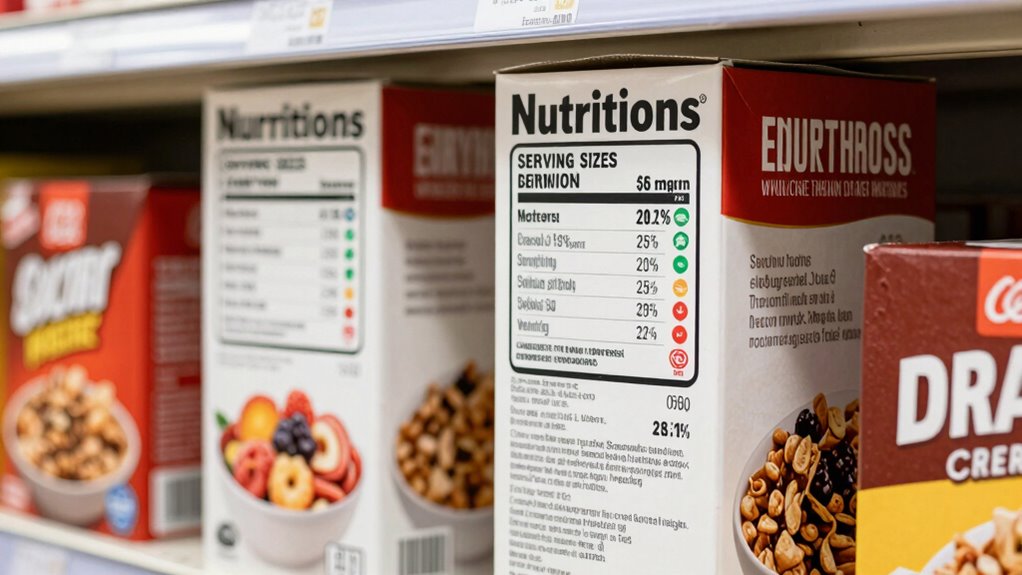
Have you ever looked at a nutrition label and wondered what all those numbers really mean? It can feel overwhelming at first glance, but once you understand the basics, you’ll be able to spot the tricks and make smarter choices. One of the first things to focus on is the ingredient list. It’s usually listed in order of weight, so the first few ingredients make up the bulk of what’s inside. If you see sugar, corn syrup, or other unhealthy fillers near the top, it’s a sign to be cautious. By reading the ingredient list carefully, you can identify additives, preservatives, or artificial flavors that you might want to avoid. This part of the label often reveals more than the nutrition facts, giving you insight into the food’s true makeup. Being aware of food additives can help you choose healthier options and avoid potential health risks. Recognizing processing techniques can further inform your choices, as more heavily processed foods often contain less natural nutrients. Additionally, understanding food processing can help you identify foods that have been altered significantly from their natural state.
Check the ingredient list first — it reveals what’s truly inside, often more than the nutrition facts.
Next, pay close attention to the serving size. It’s a common trick to list a small serving size to make the calorie count and other nutrients seem lower. For example, if a snack bar’s serving size is just half of what you typically eat, then the calories and sugar per serving look reasonable, but in reality, you might be consuming double that when you eat a full bar. Always compare the serving size to what you actually eat, and do the math if necessary. This helps you avoid underestimating your intake and falling for misleading labels. Being mindful of serving size can significantly impact your understanding of what you’re truly consuming. Additionally, understanding daily value percentages can help you see how a food fits into your overall diet and ensure you’re not exceeding recommended limits.
When you check the nutrition facts, focus on the calories and the amounts of sugar, saturated fat, and sodium. Many products add hidden sugar, so don’t just look at the total carbohydrate number—check the grams of added sugars. A good rule of thumb is to keep added sugars under 10% of your daily calories. Saturated fat and sodium are also often high in processed foods, so look for lower numbers here to protect your heart health. Recognizing hidden sugars in processed foods can help you reduce intake of empty calories. Being aware of nutrient density can guide you toward foods that offer more beneficial nutrients relative to their calorie content. Also, paying attention to label regulations can help you understand which claims are supported by official standards and which might be exaggerated.
Another trick to watch out for is marketing claims or “light” and “low-fat” labels. These can be misleading, as the product might be lower in fat but higher in sugar or calories. Always go back to the nutrition facts to see what’s actually inside. And don’t forget to reflect on the bigger picture: a food’s overall nutrient profile, not just one or two numbers on the label. Paying attention to marketing claims helps you make truly informed choices about your food. Recognizing how food labeling regulations work can further empower you to interpret labels accurately and avoid being misled by false or exaggerated claims.
As an affiliate, we earn on qualifying purchases.
Frequently Asked Questions
How Often Should I Check Nutrition Labels When Shopping?
You should check nutrition labels every time you shop, especially if you have dietary restrictions or want ingredient transparency. Making this a habit helps you avoid unwanted additives, excess sugars, or allergens. Pay close attention to serving sizes and read the fine print. This way, you stay informed about what you’re consuming, ensuring your choices align with your health goals and dietary needs, no matter what product you pick.
Do Organic Products Always Have Clearer Labels?
You might think organic products always have clearer labels, but that’s not guaranteed. Organic certification guarantees certain standards, yet label transparency varies. Sometimes, labels can still hide additives or misleading claims. Always check for certification logos and read ingredient lists carefully. Don’t assume clarity—stay vigilant. Your health depends on it, and the truth behind labels can surprise you. Stay informed, and trust your instincts when shopping organic.
Are There Hidden Ingredients to Watch for on Labels?
Yes, you should watch for hidden additives on labels. Manufacturers sometimes use deceptive claims to hide ingredients like artificial sweeteners, preservatives, or flavor enhancers. Always read the ingredient list carefully, especially if you see unfamiliar names or vague terms like “natural flavors.” Being vigilant helps you avoid hidden additives that might impact your health, ensuring you make truly informed choices.
How Accurate Are the Serving Size Suggestions?
You might think the serving size suggestions are spot-on, but don’t be fooled—they’re often a clever trick in portion misrepresentation. Labels are designed to make smaller portions seem more appealing, skewing your label comprehension. So, you should always double-check the serving size and do the math yourself. Relying solely on those numbers can lead to overeating or underestimating calories, all while falling for the illusion of accuracy.
Can Labels Help Identify Healthier Snack Options?
Yes, labels can help you identify healthier snack options. By checking ingredient transparency, you see what’s really inside, avoiding hidden sugars or unhealthy fats. Be cautious of misleading claims like “low fat” or “all-natural,” which can be misleading. Comparing nutrition facts and ingredient lists allows you to make smarter choices, ensuring you’re selecting snacks that truly align with your health goals rather than falling for marketing tricks.
Conclusion
So, next time you’re dazzled by those fancy “low-fat” claims or hypnotized by “sugar-free” promises, remember: nutrition labels are like that friend who always has an angle. Decode the tricks, don’t be fooled, and take control of what you put in your body. After all, if we’re trusting labels to tell us the truth, we might as well believe in unicorns and magic beans too. Stay savvy, stay healthy!
Fall Picks
fall essentials
As an affiliate, we earn on qualifying purchases.