Spending time in green spaces boosts your mental, emotional, and physical health each day. Nature helps reduce stress, calm anxious thoughts, and lift your mood quickly. It also stimulates your senses with fresh air, vibrant colors, and soothing sounds, improving your overall well-being. Parks and gardens encourage social connections, promote relaxation, and serve as natural buffers against pollution and noise. To discover more simple ways nature can support your wellness, keep exploring how green spaces nurture your mind and body.
Key Takeaways
- Green spaces boost mental health by reducing stress, anxiety, and promoting relaxation through immersion in nature.
- Access to parks enhances sensory experiences, improving mood with natural sounds, colors, and fresh air.
- Social interactions in green spaces strengthen community bonds and foster emotional well-being.
- Trees and plants in parks help mitigate noise and pollution, creating healthier environments for mental clarity.
- Regular visits to natural areas support routine stress relief, mindfulness, and physical activity for overall wellness.

Have you ever noticed how spending time in parks or gardens instantly lifts your mood? It’s no coincidence. Urban parks offer more than just a pretty view; they serve as essential sanctuaries where you can escape the hustle and reconnect with nature. These green spaces are accessible oases nestled within busy cityscapes, providing a much-needed break from concrete jungles. When you walk through a park, your senses come alive—fresh air fills your lungs, vibrant colors catch your eye, and the sounds of rustling leaves or chirping birds create a calming soundtrack. This immersion in nature has a profound impact on your mental health, helping to reduce stress, anxiety, and feelings of overwhelm that often accompany urban living. Incorporating natural elements like plants and trees can further enhance these benefits by improving air quality and promoting relaxation.
Spending time in urban parks isn’t just about leisure; it’s a powerful tool for maintaining mental health. Scientific studies consistently show that exposure to green spaces can decrease cortisol levels, the hormone associated with stress. When you take a moment to breathe in the natural surroundings, your mind shifts from racing thoughts to a state of relaxation. The act of walking or sitting in a park can improve your mood and boost your overall sense of well-being. Moreover, these environments encourage social interaction—whether you’re chatting with a friend on a bench or participating in community activities—fostering a sense of belonging and connection that’s essential for mental health. Even solitary moments spent in greenery can promote mindfulness and help you gain perspective, making it easier to manage daily pressures.
Spending time in parks reduces stress, boosts mood, and fosters social connection—key for maintaining mental well-being.
Urban parks also serve as natural buffers against the negative effects of urban noise and pollution. Being surrounded by trees and plants reduces noise levels, providing a peaceful retreat amid city chaos. The greenery acts as a natural air purifier, improving air quality and making it easier to breathe deeply and relax. This physical benefit translates into mental clarity and emotional resilience. When you regularly visit these parks, you’re not only giving yourself a break from screens or busy schedules but actively nurturing your mental health. It’s a simple, accessible way to elevate your mood and foster a healthier mind.
In essence, urban parks are indispensable mental health allies. They offer a space where you can unwind, reflect, and recharge. By incorporating regular visits into your routine, you harness the mental health benefits of nature—reducing stress, enhancing mood, and cultivating a greater sense of balance. So next time life feels overwhelming, remember that a walk in your local green space might be just what you need to restore your mental well-being.

Mindful Modern Travel Meditation Cushion | Outdoor Floor Cushions for Adults | Stylish Outdoor Decor | Portable Mindfulness Pillow | Accessories for Women | Washable Cover
PERFECT FOR TRAVEL – This small meditation cushion provides essential support to knees, ankles and legs while keeping…
As an affiliate, we earn on qualifying purchases.
As an affiliate, we earn on qualifying purchases.
Frequently Asked Questions
How Do Urban Green Spaces Impact Mental Health?
Urban green spaces improve your mental health by reducing stress and boosting mood. They offer diverse flora that creates calming environments and encourages relaxation. Additionally, these areas enhance air quality, which benefits your overall well-being. Spending time among trees and plants helps you reconnect with nature, providing mental clarity and emotional resilience. So, next time you visit a park, you’re actively supporting your mental health through nature’s positive influence.
What Types of Plants Are Most Beneficial for Wellness?
You should choose indoor plants and native flora for the best wellness boost. Plants like lavender, aloe vera, and snake plants are especially beneficial, helping reduce stress and purify indoor air. Native flora, adapted to your environment, thrive with minimal effort and bring a sense of harmony. Imagine a lush, calming oasis in your home—these plants can make that a reality, supporting your mental and physical health every day.
Can Green Spaces Reduce Healthcare Costs Significantly?
Green spaces can markedly reduce healthcare costs through cost savings by promoting preventative care. When you spend time in parks or natural environments, you’re less likely to develop chronic conditions like heart disease or stress-related issues. These spaces encourage physical activity and mental well-being, which help catch health issues early. As a result, healthcare expenses decrease because you’re focusing on prevention rather than treatment, making green spaces a smart investment for community health.
How Can Individuals Incorporate Nature Into Daily Routines?
Think of nature as your daily breath of fresh air. You can incorporate it by starting indoor gardening, nurturing plants that brighten your space and boost your mood. Try nature meditation outside or near windows to connect with the outdoors. Even short walks in parks or green areas refresh your mind. Making these small, intentional steps helps you stay grounded and reap the wellness benefits of nature every day.
Are There Any Risks Associated With Urban Green Spaces?
Yes, there are risks when you visit urban green spaces. You might encounter urban wildlife that could carry diseases or behave unpredictably. Additionally, if you’re sensitive, allergic reactions to pollen or plants can occur. To stay safe, keep an eye on your surroundings, avoid disturbing wildlife, and consider allergy medications if you’re prone to reactions. Being cautious helps you enjoy green spaces without unnecessary health concerns.

ZAZE Extra Large Picnic Outdoor Blanket, 80''x80'' Waterproof Foldable Blankets Gingham Picnic Mat for Beach, Camping Grass Lawn Park Accessories Cute Couple Gifts Ideas Wedding Registry(Green White)
80*80 Oversized for 4-8 Adults: ZAZE Picnic blankets unfolded size is 80''x 80'', it’s large enough to fit…
As an affiliate, we earn on qualifying purchases.
As an affiliate, we earn on qualifying purchases.
Conclusion
Spending time in green spaces truly refreshes your mind and body, proving that nature is the best medicine. As you embrace these natural environments, you’ll find your stress melts away and your mood lifts. Remember, sometimes the best solution is right outside your door—green spaces are a gift waiting to be enjoyed. So, don’t wait for a perfect moment; nature’s benefits are always just a step away, ready to turn your day around.

ProCase Noise Reduction Ear Muffs, Sound Proof Ear Protection, NRR 28dB Noise Cancelling Headphones for Adults Kids Autism, Hearing Protection for Mowing -Black
Constructed by solid ABS shell and thickened foam, the ear muffs achieve NRR 28 dB (SNR 34 dB)…
As an affiliate, we earn on qualifying purchases.
As an affiliate, we earn on qualifying purchases.
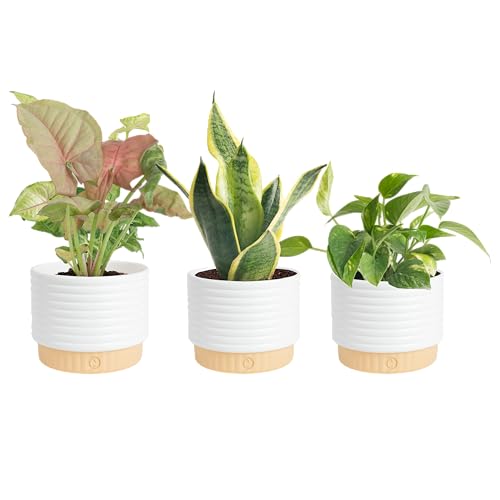
Costa Farms Live Indoor Plants in Decorative Pots, Easy to Maintain, Air Purifying Houseplants, Assorted Varieties, Room or Home Decor, House Warming Gift, 8-12 Inches Tall, Pack of 3
BEAUTIFUL HOME DÉCOR BUNDLE: This 3-pack offers incredible value to instantly decorate multiple spaces with live houseplant room…
As an affiliate, we earn on qualifying purchases.
As an affiliate, we earn on qualifying purchases.