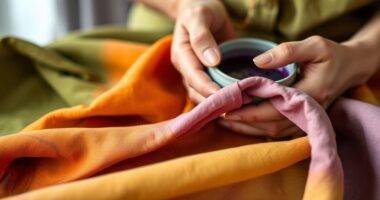
Choosing natural and organic fabrics matters because they’re eco-friendly, reduce pollution, and support fair farming practices. These materials are made without harmful chemicals, making them safer for your health and the environment. They require fewer resources and promote biodiversity, helping create a more sustainable fashion industry. Moving forward, you’ll discover how these fabrics contribute to cleaner production, better quality garments, and a healthier planet—so stay with us to learn more.
Key Takeaways
- Natural and organic fabrics are eco-friendly alternatives that reduce environmental pollution and support sustainable farming practices.
- They are safer for human health due to fewer hazardous chemicals and toxins in cultivation and processing.
- These fabrics are breathable, comfortable, and contribute to better garment quality and durability.
- Using eco-friendly dyes minimizes water use and avoids toxic chemicals, protecting waterways and wildlife.
- Choosing natural and organic fabrics promotes ethical sourcing and supports a more sustainable, responsible fashion industry.

Natural and organic fabrics are gaining popularity as eco-friendly alternatives to synthetic materials. As someone who cares about the environment and your health, choosing fabrics made from sustainable sourcing can make a significant difference. These textiles often come from crops grown without harmful pesticides or chemicals, reducing environmental impact and supporting fair farming practices. When you opt for natural fabrics, you’re encouraging sustainable sourcing that prioritizes the health of the planet and the farmers who produce it. This shift not only lessens pollution but also promotes biodiversity, ensuring that natural ecosystems remain balanced and resilient.
Beyond the origins of the fibers, the dyes used to color these fabrics also matter. Eco friendly dyes are a crucial component of sustainable fashion, as they minimize water use and avoid toxic chemicals that can pollute waterways and harm wildlife. Traditional dyeing processes often involve hazardous substances that can persist in the environment long after the garment is made. In contrast, eco friendly dyes use plant-based or low-impact chemical alternatives, reducing the ecological footprint of each piece. When you choose clothing dyed with eco friendly dyes, you’re supporting cleaner production methods that protect water quality and reduce your exposure to harmful chemicals. This is especially important because many synthetic dyes contain heavy metals and carcinogens, which pose health risks over time.
Natural fibers like organic cotton, hemp, linen, and bamboo are not only sustainable but also breathable and comfortable. These fabrics typically require fewer resources during cultivation and production, making them a smart choice for reducing your overall environmental impact. Additionally, high-quality projectors often utilize natural fabrics for screens to optimize image clarity and color accuracy. By selecting garments made from organic or natural fabrics, you actively contribute to a more sustainable fashion industry. You’re supporting brands that prioritize transparency, ethical sourcing, and environmentally friendly manufacturing processes, which often include the use of eco friendly dyes.
Making conscious choices about your clothing means being mindful of every step—from how raw materials are sourced to how they’re dyed and finished. When you prioritize natural and organic fabrics, you’re helping to promote practices that are better for the planet and your well-being. It’s a simple yet powerful way to reduce your ecological footprint and support a more sustainable future. By understanding the importance of sustainable sourcing and eco friendly dyes, you can make informed decisions that align with your values, ensuring that your wardrobe reflects your commitment to environmental stewardship.
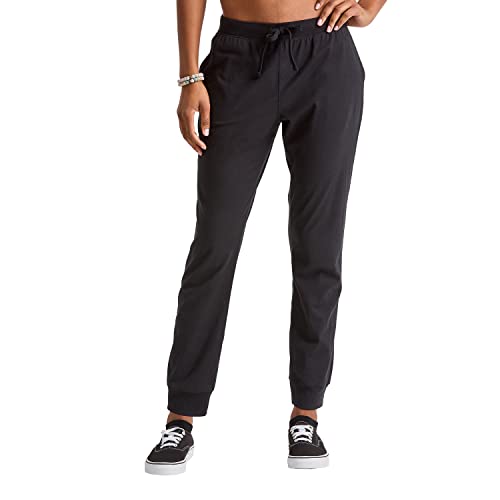
Hanes Originals Women’s Joggers, 100% Cotton Jersey
BASICS THAT ARE FAR FROM BASIC – A stylish collection of cool, modern essentials designed for comfort, made…
As an affiliate, we earn on qualifying purchases.
As an affiliate, we earn on qualifying purchases.
Frequently Asked Questions
Are Organic Fabrics More Affordable Than Synthetic Options?
Organic fabrics are generally more expensive than synthetic options due to higher production costs and market availability. When you compare prices, you’ll find synthetics are often cheaper and more readily available, making them budget-friendly. However, organic fabrics offer better sustainability and health benefits. If you prioritize eco-friendly choices, be prepared for a higher price, but know that market availability is growing, which may help reduce costs over time.
How Do Natural Fabrics Compare in Durability?
Natural fabrics generally have good fiber strength, but their wear resistance varies. For example, hemp and linen are highly durable and withstand daily wear well, making them ideal for long-lasting clothing. Cotton is softer but less resistant to abrasion over time. You’ll find that some natural fibers, like wool, offer excellent wear resistance due to their elastic properties, ensuring your garments last longer with proper care.
Can Organic Fabrics Be Used for All Clothing Types?
Yes, you can use organic fabrics for all clothing types. They come from sustainable farming practices that reduce environmental impact, and their dyeing processes often use fewer chemicals, making them safer for you and the planet. Whether you’re making casual wear, formal outfits, or activewear, organic fabrics offer versatility. Just keep in mind that some styles may require specific fabric treatments, but overall, they’re suitable for nearly any clothing need.
What Certifications Verify Organic Fabric Authenticity?
You can verify organic fabric authenticity through certifications like GOTS (Global Organic Textile Standard) and Oeko-Tex Standard 100. These certification standards guarantee that fabrics meet strict organic labeling requirements, covering everything from fiber sourcing to processing. When shopping, always look for these labels on product tags or packaging. They guarantee that the fabric is genuinely organic, giving you confidence in your sustainable and eco-friendly clothing choices.
Do Natural Fabrics Require Special Care or Maintenance?
Have you wondered if natural fabrics need special care? They do require gentle handling—use specific fabric washing tips and avoid harsh chemicals. Always wash in cold water and opt for eco-friendly detergents to preserve their integrity. Spot stains quickly with natural stain removal methods, and air dry when possible. Isn’t it worth giving extra care to keep your organic fabrics looking beautiful and lasting longer?

BAMBOO COOL Men's Undershirts for Men Pack,Moisture-Wicking Tees,Stretch Crew Neck Soft T-Shirts
PREMIUM MOISTURE-WICKING AND COOL UNDERSHIRTS – Our 3-pack men's tee shirts are softer and stretchy than traditional t-shirts,…
As an affiliate, we earn on qualifying purchases.
As an affiliate, we earn on qualifying purchases.
Conclusion
Choosing natural and organic fabrics not only benefits your health but also supports sustainable practices. Did you know that organic cotton uses 88% less water than conventional cotton? By opting for eco-friendly textiles, you help reduce environmental impact and promote healthier ecosystems. So, next time you’re shopping, consider these fabrics—they matter more than you might think. Making small changes can lead to a big difference for the planet and your well-being.
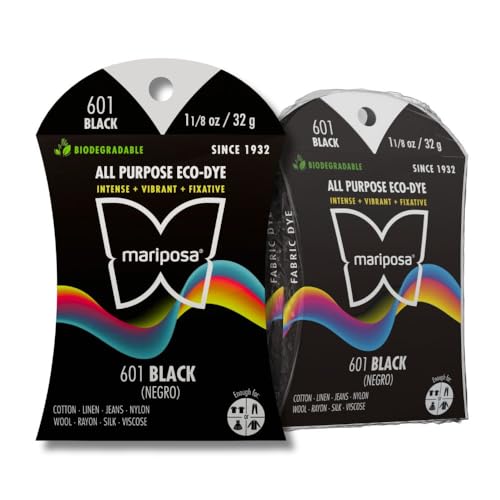
Black Fabric Dye (3-Pack) All-Purpose Eco-Dye for Cotton, Linen, Jeans, Wool, Rayon, Silk & More; Earth-Friendly, Non-Toxic, Clean Dye Formula, Enough for 3lbs of Fabric | Color: Black (601)
Vibrant Lasting Color – Our Black (601) Fabric Dye delivers intense, high-fixation color that stays rich wash after…
As an affiliate, we earn on qualifying purchases.
As an affiliate, we earn on qualifying purchases.

IXIMO Women's Casual Cotton Linen Baggy Pants with Elastic Waist Relax Fit Lantern Trousers Beige L
80% Linen and 20% Cotton ,Mid-Weight ,0.50kg/piece for size S,Suggest Hand Wash or soft machine wash with washing…
As an affiliate, we earn on qualifying purchases.
As an affiliate, we earn on qualifying purchases.