
TL;DR

Get the latest gadgets delivered free — and shop member deals
- Fast, free delivery on millions of items
- Access to Prime Big Deal Days deals on October 6–7
- Prime Video, Amazon Music and more included
Activists in London installed fake lenticular advertisements mocking Kylie Jenner’s Meta glasses. The spoof ads criticize the devices’ surveillance features and have sparked debate about privacy and authoritarian imagery.
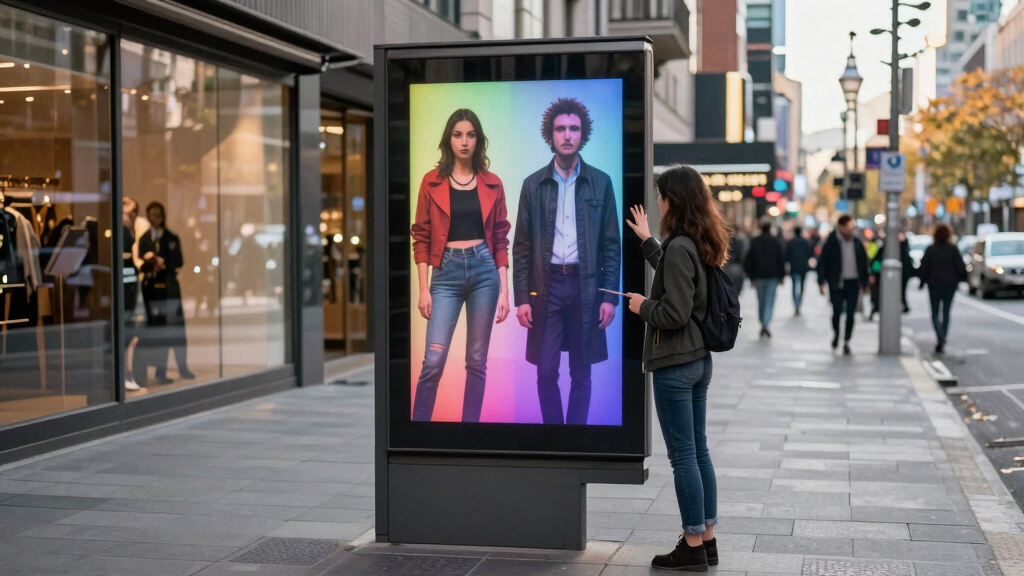
Activists in London have installed spoof lenticular advertisements at multiple bus stops, mocking Kylie Jenner’s Meta glasses. The fake ads feature distorted images and provocative slogans, aiming to criticize the devices’ surveillance capabilities and their association with authoritarian imagery. This act draws attention to ongoing debates about privacy, corporate influence, and the cultural symbolism of such technology.
The spoof ads, placed at prominent London bus stops, depict exaggerated images of Meta’s smart glasses with messages like ‘It’s giving fascism, not fashion.’ The lenticular technology creates a shifting visual effect intended to mimic the glasses’ augmented reality features. The activists behind the installation have not officially claimed responsibility but have expressed concern that such devices turn users into ‘walking Flock cameras,’ raising privacy fears. Critics argue the ads are a form of provocative protest aimed at highlighting potential misuse of surveillance tech and its cultural implications.
Authorities have not yet removed the ads, and there has been no official response from Meta or Kylie Jenner. The installation appears to be part of a broader campaign criticizing the normalization of surveillance in everyday devices. The ads have garnered attention on social media, with many users debating their message and the symbolism used.
This protest underscores growing public concern over surveillance technology embedded in consumer devices. Critics warn that smart glasses like Meta’s can facilitate constant monitoring, potentially enabling authoritarian control and infringing on individual privacy. The provocative imagery and slogans used by activists aim to challenge societal acceptance of such tech, urging greater scrutiny of corporate and governmental surveillance practices. The incident highlights the cultural and political tensions surrounding emerging surveillance tools and their integration into daily life, making it a relevant issue for privacy advocates and policymakers alike.
smart glasses with augmented reality
As an affiliate, we earn on qualifying purchases.
As an affiliate, we earn on qualifying purchases.
Background on surveillance tech and cultural protests
Meta’s smart glasses have been promoted as augmented reality devices, but critics have raised concerns about their potential for pervasive surveillance. Similar protests and artistic interventions have previously targeted tech companies for privacy issues. The use of provocative imagery in activism, including satire and satire-like ads, is a common tactic to draw public attention to these issues. The controversy around wearable surveillance devices has intensified as governments and corporations explore new ways to monitor citizens, raising fears of authoritarian overreach.
“These ads are a wake-up call—technology that turns you into a walking camera is not just about fashion, it’s about control.”
— an anonymous activist
It is not yet clear whether authorities will remove the spoof ads or investigate the activists’ actions. Meta or Kylie Jenner have not issued official statements regarding the protest. The impact of this act on public opinion and policy discussions remains uncertain, and there is no indication of legal action at this stage.
Potential responses and future protests
Authorities may decide to remove the ads or investigate the activists for vandalism or unauthorized advertising. Public debates about surveillance, privacy, and corporate responsibility are likely to intensify, possibly prompting further protests or artistic interventions. It remains to be seen whether Meta or Kylie Jenner will respond publicly or if similar protests will target other tech products.
Key Questions
Who installed the spoof ads at London bus stops?
The activists responsible have not publicly identified themselves, but the installation was carried out at multiple locations in London as a protest against surveillance technology.
What do the spoof ads depict?
The ads feature exaggerated images of Meta’s smart glasses with provocative slogans like ‘It’s giving fascism, not fashion,’ created with lenticular technology to produce a shifting visual effect.
Are the ads officially associated with Meta or Kylie Jenner?
No, the ads are unauthorized and are part of a protest. Neither Meta nor Kylie Jenner has endorsed or officially commented on the installation.
Could this protest lead to legal action?
It is currently unclear. Authorities have not announced any investigations or legal proceedings related to the installation, but the activists could face charges depending on local laws regarding vandalism or unauthorized advertising.
What are the main concerns raised by this protest?
The protest highlights fears that smart glasses and similar devices facilitate constant surveillance, potentially enabling authoritarian control and infringing on individual privacy rights.
Source: rss
Fall Picks
fall essentials
As an affiliate, we earn on qualifying purchases.