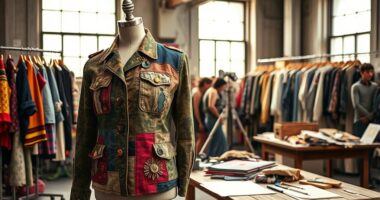
Fast fashion’s quick, high-volume production harms the environment by generating massive waste, polluting waterways, and overusing resources like water and energy. Cheap materials often decompose slowly, releasing microplastics and chemicals that damage ecosystems and threaten communities. Toxic dyes and wastewater from factories contaminate local water supplies, especially in developing countries. Your shopping habits can influence these impacts—continue exploring to understand how your choices could help protect the planet.
Key Takeaways
- Fast fashion produces massive amounts of textile waste that end up in landfills and release microplastics into the environment.
- It relies on low-quality, synthetic materials that take decades to decompose, contributing to long-term pollution.
- Production processes use toxic dyes and chemicals, contaminating waterways and harming aquatic ecosystems.
- Excessive water use and pollution from manufacturing contribute to global water scarcity and ecosystem degradation.
- Consumer demand for cheap, trendy clothing drives overproduction, resource waste, and environmental harm.
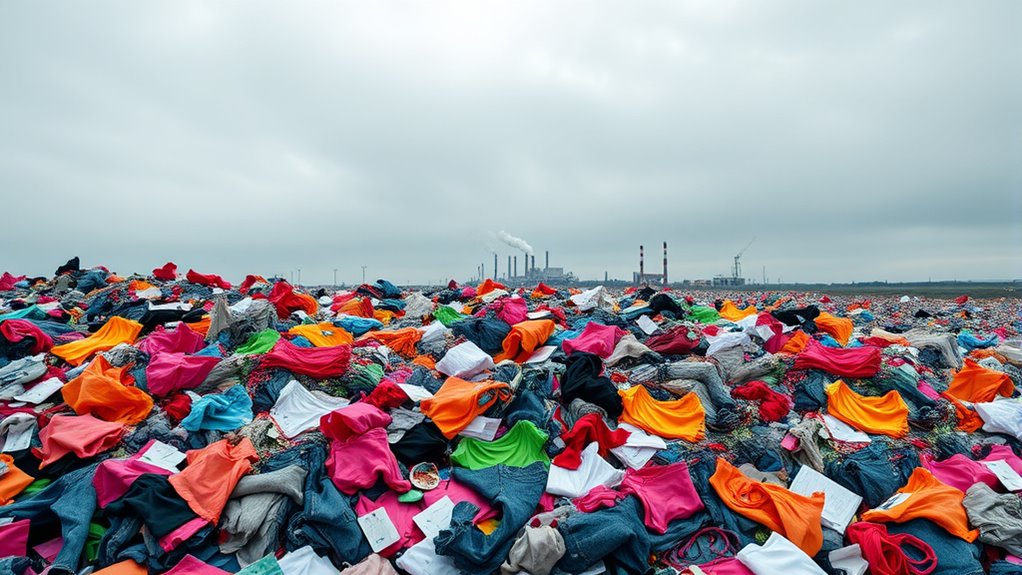
Fast fashion has revolutionized the clothing industry by making trendy styles affordable and quickly available. While this shift allows you to access the latest looks at a fraction of the traditional cost, it also comes with significant environmental costs. One of the most pressing issues is textile waste. Every year, millions of garments are produced, worn briefly, and then discarded. Because fast fashion encourages rapid turnover, clothes are often made from cheap, low-quality materials that don’t last long. As a result, a staggering amount of textile waste ends up in landfills, where synthetic fibers can take decades to decompose, leaching chemicals and microplastics into the environment. This cycle of constant disposal not only wastes resources like water, energy, and raw materials but also contributes to a growing global waste crisis. Additionally, the fast fashion industry’s reliance on low-cost manufacturing often leads to lax environmental regulations, further exacerbating ecological damage.
Water pollution is another critical concern tied to fast fashion’s environmental footprint. The production processes involved in creating your clothing often use toxic dyes, chemicals, and pesticides. These substances frequently find their way into local waterways, contaminating drinking water sources, harming aquatic life, and affecting nearby communities. The textile industry is responsible for a significant portion of water pollution worldwide, especially in developing countries where regulations may be lax or poorly enforced. When factories dump untreated wastewater into rivers and lakes, they introduce hazardous pollutants that can cause health problems for residents and disrupt ecosystems. Additionally, the extensive use of water during fiber production and fabric finishing amplifies the strain on local water supplies, especially in regions already facing water scarcity.
As a consumer, you might not see these impacts directly, but your purchasing choices influence the demand that fuels this cycle. Fast fashion brands prioritize rapid, high-volume production, often sacrificing environmental safeguards to keep costs low and meet market demands. This approach leads to the excessive use of non-renewable resources and perpetuates a cycle of overproduction and waste. By understanding the environmental toll of fast fashion, you can make more conscious decisions—such as choosing quality over quantity, supporting sustainable brands, or buying secondhand. These actions help reduce textile waste and lessen water pollution, contributing to a healthier planet. Recognizing the environmental costs embedded in your wardrobe choices empowers you to be part of the solution, encouraging a shift toward more sustainable fashion practices that respect both people and the planet.

HIQU and HIST 6 Pcs Reusable Shopping Bags, Foldable Grocery Bags in Pocket, Eco-friendly Travel Recycle Shopping Bags,Waterproof and Machine Washable, for Daily Shopping Supplies load
【6 Cute Patterns】 6 pcs shopping bags with 6 different special flower patterns, presenting a stylish and generous…
As an affiliate, we earn on qualifying purchases.
As an affiliate, we earn on qualifying purchases.
Frequently Asked Questions
How Can Consumers Reduce Their Fast Fashion Footprint?
You can reduce your fast fashion footprint by choosing clothing recycling and thrift shopping. Opt for recycling old clothes to give them new life instead of throwing them away. Visit thrift stores to find unique, affordable pieces and extend the life of garments. These actions help cut down waste, lower demand for new fast fashion items, and lessen environmental harm. Every small step makes a big difference for the planet.
Which Brands Are Most Committed to Sustainable Practices?
You’ll find that Patagonia, Eileen Fisher, and Stella McCartney lead the way in sustainable practices. They’re truly a beacon of hope in the fashion world, holding numerous sustainable certifications and ensuring ethical labor across their supply chains. These brands prioritize eco-friendly materials, fair wages, and transparency. When you choose their products, you support companies committed to reducing environmental harm and promoting social responsibility, making a real difference with every purchase.
What Are the Long-Term Ecological Consequences of Fast Fashion?
Fast fashion’s long-term ecological consequences include increased textile waste and higher carbon emissions. You might notice landfills overflowing with discarded clothes, polluting ecosystems. The production process releases significant greenhouse gases, contributing to climate change. If you continue supporting fast fashion, these issues worsen, harming biodiversity and depleting resources. To reduce your impact, consider buying fewer, higher-quality items and choosing brands committed to sustainability.
How Does Fast Fashion Affect Global Water Resources?
Fast fashion acts like a relentless storm on water resources, draining rivers and lakes to fuel your trendy wardrobe. Water pollution from dyes and chemicals spills into ecosystems, turning once-pristine waters toxic. Your quick-fix fashion choices contribute to resource depletion, leaving communities struggling for clean water. By understanding this, you can choose sustainable options, helping to calm the storm and protect our precious water supplies for generations to come.
What Innovations Are Emerging to Make Fashion More Eco-Friendly?
You can embrace innovations like sustainable fibers and eco-friendly dyes to make fashion more eco-friendly. Brands now develop textiles from recycled materials or plant-based sources, reducing environmental harm. Eco-friendly dyes use less water and energy, minimizing pollution. By choosing clothing made with these innovations, you support sustainable practices, help conserve resources, and reduce your carbon footprint. Your choices drive the industry toward more responsible and environmentally conscious fashion options.
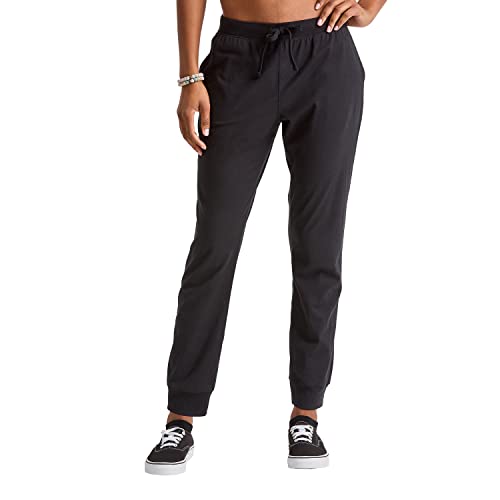
Hanes Originals Women’s Joggers, 100% Cotton Jersey
BASICS THAT ARE FAR FROM BASIC – A stylish collection of cool, modern essentials designed for comfort, made…
As an affiliate, we earn on qualifying purchases.
As an affiliate, we earn on qualifying purchases.
Conclusion
Fast fashion’s environmental impact is staggering—you contribute to nearly 10% of global carbon emissions just by shopping these trendy, cheaply made clothes. By choosing to buy less, opt for sustainable brands, or recycle your garments, you can make a real difference. Remember, every small step helps reduce waste and pollution. So next time you shop, think about the planet—your choices truly matter in shaping a healthier, greener future.

The 10-Piece Wardrobe: 100+ Effortlessly Stylish Outfits from Clothes You Already Own: A Minimalist Capsule Wardrobe Guide to Mix-and-Match Essentials, Timeless Style, and Endless Everyday Outfits
As an affiliate, we earn on qualifying purchases.
As an affiliate, we earn on qualifying purchases.

The Little Guide to Vintage Shopping: How to Buy, Fix, and Keep Secondhand Clothing
As an affiliate, we earn on qualifying purchases.
As an affiliate, we earn on qualifying purchases.