
TL;DR
A Gallup survey shows over 70% of Americans oppose new AI data centers in their neighborhoods, citing environmental and cost concerns. The opposition is widespread across political lines, with implications for tech development and local policies.
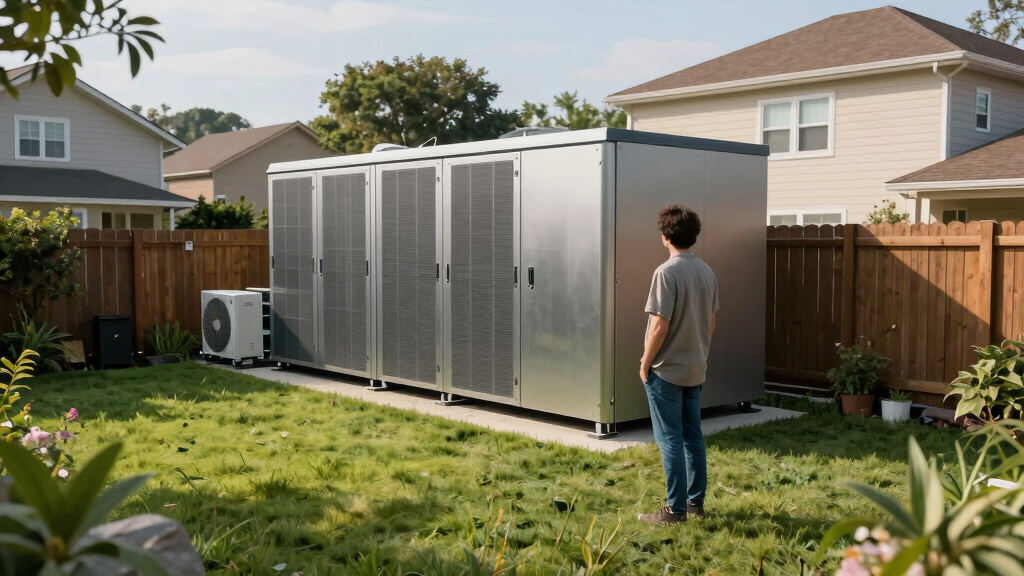
More than 70% of Americans oppose the construction of AI data centers in their neighborhoods, according to a Gallup survey, highlighting widespread public concern over environmental and resource impacts.
The Gallup survey, conducted in March and April 2026, found that only 7% of Americans are strongly in favor of new data centers, with opposition exceeding support across political affiliations. The survey involved 1,000 randomly-selected adults in all 50 states and the District of Columbia, along with 2,054 panel members.
Among those opposed, half cited concerns about water and electricity consumption, while others pointed to pollution, increased costs of living, and negative perceptions of AI. The opposition was particularly high among Democrats (75%) and independents (74%), with Republicans also showing significant resistance at 63%. Supporters primarily cited job creation as a key benefit, with 55% emphasizing employment opportunities.
Why It Matters
This opposition could influence the future development and approval of AI data centers, which are critical for AI infrastructure and cloud computing. Public resistance may lead policymakers to reconsider or delay projects, impacting the growth of AI technology and related economic opportunities.
Additionally, the concerns reflect broader debates about environmental sustainability, resource management, and the social impacts of AI expansion, which are increasingly shaping policy and community responses.

PC Water Cooling Meter, 12V 3pin G1/4 Thread Acrylic Rustproof Computer Meter Indicator for PC Computer Water Cooling System(Black)
- Interface Type: 3pin connector for fan
- Water Flow Monitoring: Displays water speed and status
- Thread Size: G1/4 standard threading
As an affiliate, we earn on qualifying purchases.
As an affiliate, we earn on qualifying purchases.
Background
Data centers are vital for supporting AI and cloud services but have faced mounting opposition due to their high water and energy use. Previous surveys, including Pew Research, indicated that many Americans see data centers as a major factor in rising power bills. The recent Gallup data underscores a significant shift in public opinion, with environmental and quality-of-life concerns taking center stage.
Local governments and states, such as Maine, have already faced pushback, with some officials vetoing or delaying data center projects amid community opposition. The debate continues as the tech industry seeks to expand infrastructure while managing public concerns.
“Over 70% of Americans oppose new AI data centers in their communities, citing environmental and resource concerns.”
— Gallup spokesperson
“While data centers bring jobs, the environmental impact and resource consumption are significant concerns for our residents.”
— Maine Governor Janet Mills
What Remains Unclear
It is not yet clear how policymakers and industry stakeholders will respond to this widespread opposition, or whether new data centers will be delayed or rerouted to less populated areas. The impact on future AI infrastructure development remains uncertain.
What’s Next
Expect ongoing debates at local and state levels regarding data center permits and zoning. Industry groups may seek to address public concerns through environmental safeguards or community engagement, while some projects may face delays or cancellations.
Key Questions
Why do most Americans oppose AI data centers in their neighborhoods?
According to the Gallup survey, the main reasons include concerns about water and electricity use, pollution, rising living costs, and negative perceptions of AI technology.
How significant is the opposition across political parties?
The opposition is high across all parties, with 75% of Democrats, 74% of independents, and 63% of Republicans expressing opposition, indicating broad public concern.
Could this opposition impact AI development and infrastructure?
Yes, widespread public resistance could lead to delays, cancellations, or relocations of data center projects, affecting the expansion of AI and cloud services.
Are there any benefits cited for building data centers locally?
Supporters argue that local data centers create jobs and boost economic activity, which is why some officials and communities support their development.
What are the next steps in this issue?
Local governments will continue to evaluate proposals, with some projects facing vetoes or delays. Industry stakeholders may increase community engagement efforts to address concerns.