
TL;DR

Get the latest gadgets delivered free with Prime
- Fast, free delivery on millions of items
- Prime Video, Amazon Music and more included
- Member-only deals all year
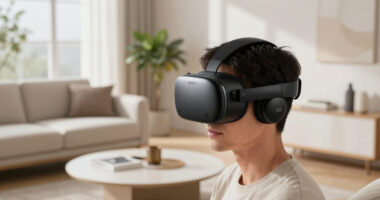
Lenovo has officially closed its XR business unit in the US, redirecting resources toward AI-driven wearable devices and smart glasses. This marks a significant pivot from enterprise VR/AR to consumer AI wearables, reflecting industry trends.
Lenovo has officially shut down its XR business unit in the United States, confirming a strategic pivot away from enterprise-focused virtual and augmented reality towards AI-enabled consumer wearables. This decision reflects broader industry trends and Lenovo’s new focus on AI-driven devices, including smart glasses, to serve the consumer market.
According to a Lenovo spokesperson, the company is transitioning from a business-first XR strategy under its ThinkReality brand to a more consumer-oriented approach, leveraging AI and wearable technologies. The company confirmed layoffs within its XR division but did not specify the total number affected. The shift aligns with Lenovo’s broader goal of creating an integrated ecosystem of AI-powered devices, including upcoming smart glasses, which were teased at CES 2026.
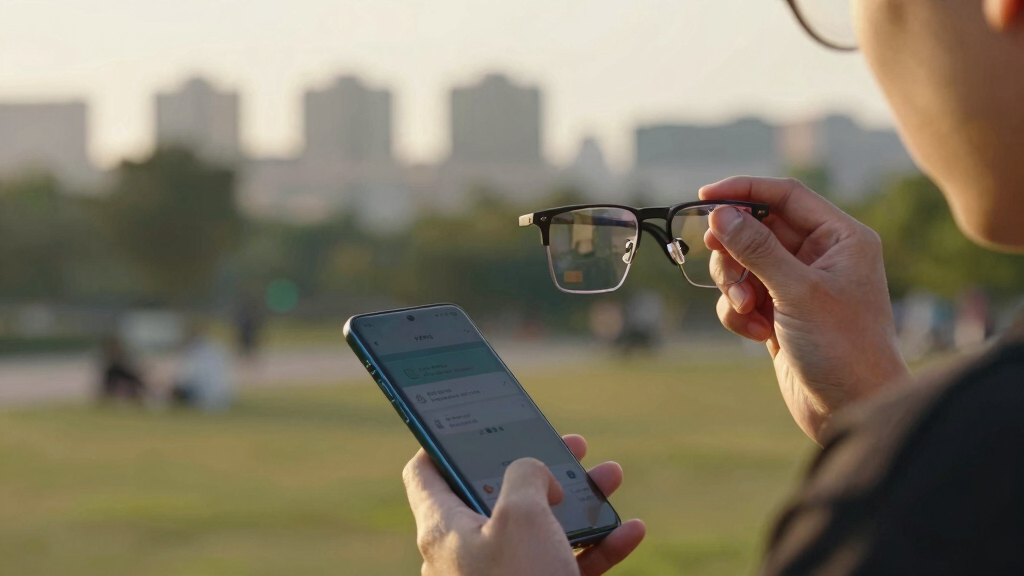
Lenovo’s official statement emphasizes a focus on “AI-enabled and AI-native consumer wearable devices,” aiming to deliver a unified AI experience across PCs, tablets, smartphones, and wearables. The company’s recent teaser of its Lenovo AI Glasses concept highlights features such as real-time translation, intelligent image recognition, and seamless multi-device integration, all powered by AI.
This move marks a significant change for Lenovo, which had been active in the XR space with products like the ThinkReality AR glasses and collaborations with Qualcomm. The company’s decision to disinvest from B2B XR markets appears driven by poor market reception and the industry’s overall decline in enterprise VR/AR adoption, compounded by a shift in industry investment toward AI and consumer devices.
Impact of Lenovo’s Strategic Shift to Consumer AI Wearables
This shift indicates a broader industry trend where major tech companies are moving away from enterprise VR/AR applications, which have faced slow adoption and limited returns. Instead, focus is shifting toward consumer AI wearables, such as smart glasses, which are seen as more promising for growth. For Lenovo, this means reallocating resources to develop integrated AI ecosystems, potentially leading to new product lines and influencing market competition in smart wearable technology. The move also underscores the declining interest in B2B XR solutions, raising questions about the future of enterprise AR/VR applications.
As an affiliate, we earn on qualifying purchases.
Industry Trends and Lenovo’s XR Market Performance
Lenovo has historically invested heavily in XR, notably with its ThinkReality AR glasses and partnerships with Qualcomm for Snapdragon Spaces. However, the reception of these products has been lukewarm, and industry-wide disinterest in VR/AR for enterprise use has grown, especially amid the VR winter characterized by layoffs and reduced investments across the sector. The cancellation of HorizonOS headsets and poor market performance contributed to Lenovo’s reevaluation of its XR strategy. Meanwhile, the consumer wearables market, especially smart glasses, is expanding, driven by AI capabilities and increasing consumer interest.
This industry context is crucial, as it explains Lenovo’s pivot and reflects a broader shift among tech giants toward AI-enabled consumer devices rather than enterprise XR solutions.
“As the XR market evolves, we see stronger momentum and broader consumer adoption around AI-enabled wearables. We are transitioning from a business-first XR strategy to a more consumer-focused approach within Motorola.”
— Lenovo spokesperson
Remaining Questions About Lenovo’s Future XR and Wearables Plans
It is not yet clear whether Lenovo will re-enter the enterprise XR market in the future or if the company’s focus on consumer AI wearables will include enterprise applications. Details about upcoming product launches, particularly the Motorola smart glasses, remain unconfirmed. Additionally, the scale of layoffs and how the transition will affect existing employees and ongoing projects are still emerging.
Upcoming Developments and Product Launches to Watch
Lenovo is expected to reveal more details about its smart glasses, possibly under the Motorola brand, in the coming months. The company may also provide updates on its AI ecosystem integration and new wearable device features. Industry analysts will monitor whether Lenovo’s strategic shift results in new market entries or partnerships, and how competitors respond to the move away from XR.
Key Questions
Why did Lenovo shut down its XR division?
According to Lenovo, the company is shifting its focus from enterprise XR solutions to AI-enabled consumer wearables due to industry trends, market performance, and broader strategic priorities.
Will Lenovo still develop XR products in the future?
It is unclear. The company’s current strategy emphasizes consumer AI wearables, but future plans regarding enterprise XR are not publicly confirmed.
What are Lenovo’s plans for smart glasses?
Lenovo has teased its AI glasses concept at CES 2026, with features like real-time translation and multi-device integration. Official product launches are expected in the upcoming months, possibly under the Motorola brand.
How will this affect Lenovo employees in the XR division?
Layoffs have been confirmed, but specific numbers and the impact on remaining staff or ongoing projects are still emerging.
Does this mean Lenovo is abandoning all XR efforts?
Not necessarily. The company appears to be shifting its focus from enterprise VR/AR to consumer AI wearables, but future XR initiatives are not ruled out.
Source: The Ghost Howls
Fall Picks
fall essentials
As an affiliate, we earn on qualifying purchases.