
TL;DR

Get the latest gadgets delivered free with Prime
- Fast, free delivery on millions of items
- Prime Video, Amazon Music and more included
- Member-only deals all year
BetterWispr has introduced a free, open-source dictation app for macOS 14 and later, with local speech recognition and no account requirement. It offers several built-in model options, configurable text cleanup and app-specific writing styles; the developer’s performance and privacy descriptions have not been independently tested in the supplied material.
BetterWispr has announced a free, open-source dictation app for macOS 14 or later, letting users speak into a keyboard shortcut and send transcribed text to the app they are using. The developer says speech can be processed on the Mac without an account or cloud transcription fallback, positioning the tool as an alternative for people who want dictation without sending recordings to a transcription service.
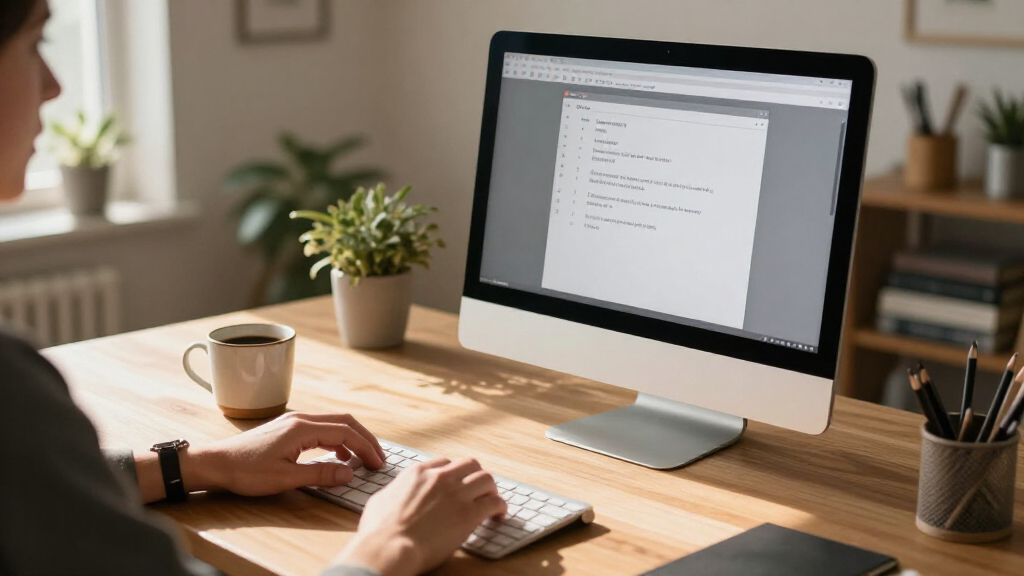
The app’s basic workflow is to focus a text field, hold Option + Space while speaking, then release the keys to transcribe. Users can change the shortcut or switch to a toggle mode. BetterWispr says text is inserted into the current app when possible; if an app blocks pasting, the transcript remains available to copy. The site says transcription starts after recording stops, rather than appearing word by word during speech.
BetterWispr lists nine built-in models from Apple speech, Parakeet and Whisper. It also allows users to configure their own Sarvam AI, Smallest AI or OpenAI-compatible API connection. The developer says Parakeet options cover English, Japanese and 25 European languages, while Whisper supports a broader range. Language availability depends on the chosen model and, for Apple speech, supported locales and installed system assets.
Other listed features include adjustable cleanup, app-specific writing styles, voice commands in English and meeting notes that distinguish the user’s microphone from audio coming from other apps. Cleanup can remove English filler words and repeated phrases, or be set to preserve the original wording. More extensive clarity edits use Apple Intelligence or Ollama locally, according to the developer; using an external API would send dictation to that provider if the user chooses that option.
Local Dictation Without a Subscription
BetterWispr’s pitch combines local processing with a free, open-source licence. That may appeal to people who dictate sensitive work, prefer not to create another account, or want to avoid a recurring subscription. The Apache 2.0 licence also lets users inspect the code and build the app themselves, according to the project site.
The local-processing claim has limits users should understand: speech-model files must first be downloaded, and the app needs microphone access to record. Accessibility permission is needed for automatic text insertion, while Apple speech requires Speech Recognition permission. The developer says downloaded local models work offline once installed, but performance, language coverage and model storage depend on the Mac and selected model. These are product descriptions, not independent test results.
The app’s optional connections also make its privacy model dependent on configuration. The developer says locally selected Apple Intelligence or Ollama models can handle certain edits on the Mac, while configured third-party APIs send dictation to the provider. Users will need to distinguish the default local workflow from optional services they connect themselves.
As an affiliate, we earn on qualifying purchases.
How the App Handles Speech
BetterWispr presents itself as a dictation layer for everyday Mac apps rather than a separate writing destination. After recording, it transcribes speech, applies the selected cleanup and style, then attempts to insert the result where the cursor was. Its site says users can turn history off; when enabled, history keeps both raw and corrected text on the Mac and supports restoring the original transcript.
The product also offers a meeting notetaker that transcribes microphone audio as “Me” and audio from other apps as “Them,” alongside notes written by the user. The developer says Apple Intelligence or Ollama can generate summaries, decisions and action items locally. A separate insights view counts usage from local history, including words dictated and apps used.
BetterWispr says updates are distributed through GitHub Releases using Sparkle and installed only when an EdDSA signature matches. It requires macOS 14+, with Apple Silicon recommended for local model inference. The supplied launch material does not include independent reviews, measured accuracy results or a comparison with other dictation products.
“Speech stays on your Mac.”
— BetterWispr, on its website
Accuracy, Speed and Data Handling
The supplied material does not provide independent tests of recognition accuracy, latency, battery use or performance across Mac hardware. BetterWispr’s site includes an interface illustration with a simulated typing comparison and explicitly says it is not a benchmark. The available information also does not establish how well each model handles accents, noisy rooms, specialist vocabulary or languages beyond those named by the developer.
The developer says speech remains local when users select built-in models, but no third-party security or privacy audit is included in the source material. Actual data flows may differ if a user configures an external API for transcription or editing. It is also unclear from the supplied launch information how the app handles diagnostic data, if any, or how long downloaded model files take to install on different systems.
Try the Models on Your Mac
Users can install BetterWispr, complete its permissions setup and download a compatible speech model to test it in their own apps. The project says its source is available on GitHub under the Apache 2.0 licence, where users can inspect the code, report issues or build the app. The material provided does not announce a release schedule, planned features or a formal evaluation.
For prospective users, the immediate next step is to check compatibility with macOS 14 or later, choose a model that supports their language and hardware, and decide whether to keep processing local or configure an outside service. Further details about real-world accuracy and performance would need to come from testing or later independent reporting.
Key Questions
Is BetterWispr free?
Yes. The developer says it is free and open source under the Apache 2.0 licence, with no dictation subscription, account or API key required for the built-in workflow. Downloaded models use storage on the Mac.
Which Macs can run BetterWispr?
The stated requirement is macOS 14 or later. Apple Silicon is recommended for local model inference, but the source does not give performance figures for particular Mac models.
Does dictation work offline?
The developer says local models can work offline after the model and required assets are installed. Models must be downloaded first, and Apple speech availability depends on supported languages and system assets. The site says there is no cloud transcription fallback.
Does BetterWispr rewrite what I say?
Users can choose the level of cleanup. The default Light setting removes English filler words, repeats and false starts; None keeps every word, while Medium also edits for clarity using a selected notes model. The developer says Apple Intelligence or Ollama can do that locally.
Does it send speech to an outside service?
The developer says built-in local models process speech on the Mac. BetterWispr also permits connections to third-party APIs; the site says dictation is sent to that provider when a user selects the external service. Users should review their configuration before using the app with sensitive material.
Source: hn
Columbus Day / Indigenous Peoples' Day Picks
long weekend sales
As an affiliate, we earn on qualifying purchases.