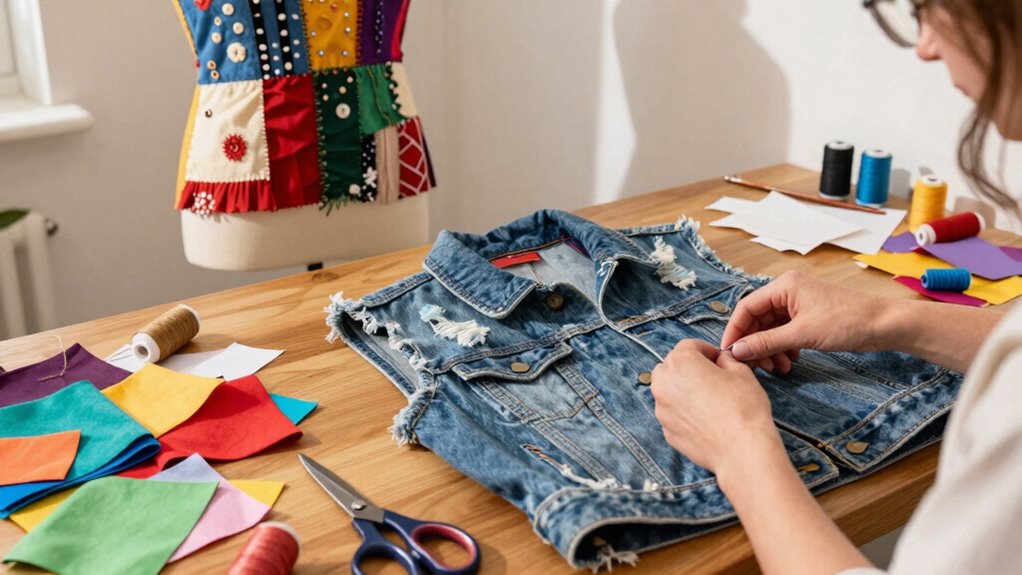

You can start upcycling old clothes by seeing them with fresh eyes and imagining new uses. Use simple tools like scissors, needles, and thread, and add personal touches with fabric paints or patches. Incorporate traditional techniques or cultural patterns to give your creations unique character. Upcycling promotes sustainability, saves money, and boosts your creativity. As you experiment with different methods, you’ll discover how to transform your wardrobe into eco-friendly, stylish pieces—if you continue exploring, you’ll reveal even more inspiring ideas.
Key Takeaways
- Assess your wardrobe for items suitable for upcycling, focusing on fabric quality and potential designs.
- Gather basic tools like scissors, needles, thread, and optional sewing machines for easy DIY projects.
- Explore tutorials online to learn simple techniques such as patching, embellishing, or adding decorative elements.
- Incorporate cultural or traditional methods to add authenticity and sustainability to your upcycled pieces.
- Focus on creativity and quality, transforming old clothes into unique, eco-friendly wearable fashion.
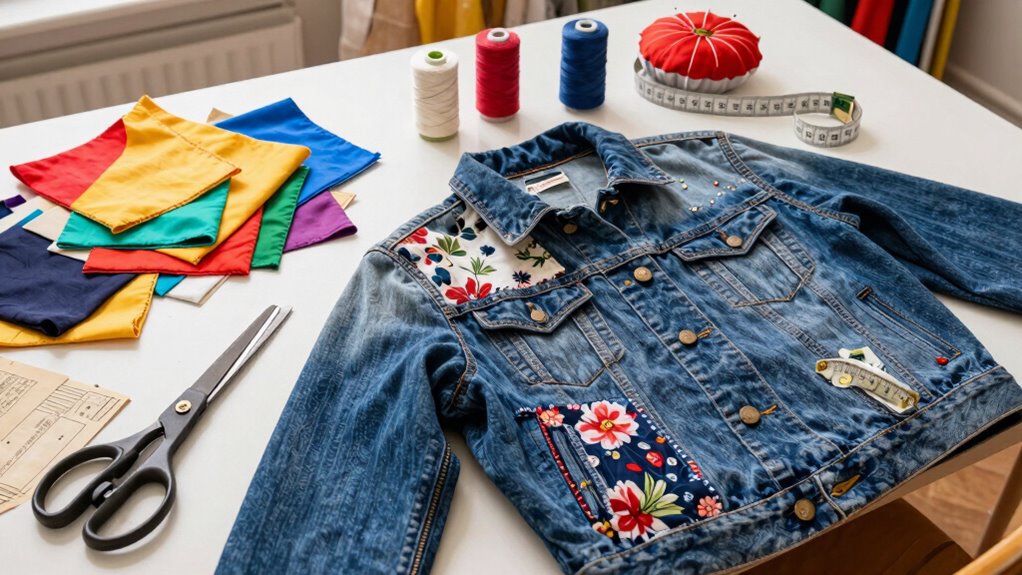
Upcycling is all about transforming old or unwanted items into new, valuable products, giving them a second life while reducing waste. When it comes to fashion sustainability, upcycling offers a creative way to rethink how you handle your wardrobe. Instead of tossing out worn-out or outdated clothes, you can repurpose them into fresh, stylish pieces. This approach not only saves money but also helps lower the environmental impact of fast fashion, which is known for its excessive waste and resource use. By turning your old clothes into something wearable, you’re participating in a movement that values durability and ingenuity over disposability.
Upcycling transforms old clothes into stylish, eco-friendly fashion, reducing waste and promoting creativity over disposability.
Getting started with DIY clothing crafts might seem intimidating at first, but it’s actually quite accessible. The key is to look at your existing wardrobe with a new perspective—see potential in the fabric, colors, and textures that you might overlook. For example, an oversized t-shirt can become a trendy crop top or a tote bag. Old jeans can be transformed into shorts or a patchwork skirt. The beauty of upcycling is that you don’t need a ton of sewing skills or fancy equipment; basic stitches and a little creativity are often enough to create something unique and functional.
Before diving into your project, gather some simple tools like scissors, needles, thread, and maybe a sewing machine if you have one. There are countless tutorials online that walk you through specific DIY clothing crafts, making it easier to learn techniques like patching, embellishing, or adding new elements to your clothes. Experimenting with fabric paints, patches, or embroidery can add personal touches that reflect your style, further elevating your upcycled pieces. Remember, indigenous knowledge and traditional skills can often inspire innovative upcycling techniques that honor cultural craftsmanship. These methods can also help you incorporate sustainable practices rooted in local traditions, enriching your creative process. Incorporating these cultural insights can lead to more authentic and meaningful designs that celebrate heritage while promoting sustainability. The goal is to create wearable items that you feel proud of, all while reducing your fashion footprint.
Additionally, upcycling techniques can be adapted from various cultural practices, which can add a unique and authentic touch to your creations. As you develop your skills, you’ll notice how upcycling encourages a more thoughtful approach to fashion. It’s about valuing quality and creativity over fleeting trends, which aligns perfectly with the principles of fashion sustainability. Each piece you repurpose is a small act of environmental consciousness, and over time, you’ll build a wardrobe that’s both eco-friendly and uniquely yours. So, don’t be afraid to experiment—your old clothes are full of potential, waiting to be transformed into something extraordinary. Upcycling isn’t just a trend; it’s a meaningful way to enjoy fashion while caring for the planet.

Coquimbo Sewing Kit for Adults College Dorm Essentials, Portable Sewing Supplies Accessories Contains Thread, Needles, Scissors, Gifts for Mom Grandma Women Wife Teen Girls Beginner Traveler (Black)
- Ideal Gift for Travelers and Loved Ones: Great for moms, grandmothers, teens, and travelers
- Complete Basic Sewing Tools: Includes thread, needles, scissors, buttons, and more
- Perfect for Beginners and Professionals: Easy to use for all skill levels
As an affiliate, we earn on qualifying purchases.
As an affiliate, we earn on qualifying purchases.
Frequently Asked Questions
What Tools Are Essential for Upcycling Clothes?
You’ll need essential tools like sharp fabric scissors for precise fabric cutting and a sewing needle or machine to assemble your design. It’s also important to have fabric chalk or markers for marking your cuts and dye-safe gloves and aprons to protect yourself during dyeing. Always guarantee dye safety by working in a well-ventilated area and following instructions carefully. These tools help you craft your upcycled clothes safely and effectively.
How Do I Choose Which Clothes to Upcycle?
When choosing clothes to upcycle, focus on fabric selection and style inspiration. Pick items with sturdy fabrics like denim or cotton that hold up well after transformation. Look for pieces with interesting textures or colors that match your design ideas. Avoid heavily stained or torn clothes unless you’re planning to incorporate repairs. Your goal is to select garments that inspire your creativity and suit your style vision, making your upcycling projects unique and enjoyable.
Are There Eco-Friendly Dyes for Fabric Painting?
Like the alchemists of old, you can transform your fabrics using eco-friendly dyes. Natural dyes, derived from plant-based pigments like indigo, turmeric, and madder root, are excellent choices for fabric painting. These dyes are sustainable, non-toxic, and biodegradable, making your upcycling project eco-conscious. They produce rich, vibrant colors without harmful chemicals, ensuring your creative process respects the environment while giving your clothes a beautiful, unique finish.
How Can I Upcycle Clothes Without Sewing Skills?
You can easily upcycle clothes without sewing skills by exploring fashion trends and following upcycling tutorials online. Use fabric glue, iron-on patches, or tie-dye to transform your garments creatively. These methods require no sewing and are fun to try. With the right tutorials, you’ll learn simple techniques that turn old pieces into trendy, personalized items, giving your wardrobe a fresh, eco-friendly update without needing advanced skills.
What Safety Precautions Should I Take During Upcycling?
You should always prioritize safety during upcycling by wearing appropriate safety gear, like gloves and goggles, to protect your skin and eyes from sharp tools and fabric fibers. Investigate the theory that careful fabric handling reduces accidents—it’s true. Keep your workspace well-ventilated, handle scissors and rotary cutters carefully, and work in a clutter-free area. These precautions guarantee your creative process stays safe, and your upcycled pieces turn out beautifully.
Conclusion
Now that you know the basics of upcycling, it’s time to transform tired textiles into trendy treasures. With a bit of bravery, creativity, and cleanup, you can create mesmerizing, custom clothes that reflect your style. Remember, upcycling isn’t just about saving money—it’s about making meaningful, memorable masterpieces. So, start stitching, styling, and showcasing your sustainable skills. Turn your old clothes into unique, unforgettable wearables—because with upcycling, your wardrobe wins in both wonder and world!