
Binge-watching can harm your mental health by making you emotionally dependent on shows for comfort and mood boosts. It often disrupts your sleep, especially when you stay up late or use screens before bed, which worsens stress and mood swings. Over time, this habit can lead to feelings of loneliness, anxiety, and a decline in your overall resilience. If you keep going, you’ll discover ways to manage your viewing habits and protect your well-being.
Key Takeaways
- Excessive binge-watching can lead to emotional dependency, reducing healthy coping skills and increasing vulnerability to loneliness and depression.
- Staying up late to watch disrupts sleep patterns, causing fatigue and impairing mental health.
- Sleep deprivation from binge-watching worsens mood, concentration, and emotional regulation.
- Emotional reliance on shows may decrease engagement in real-life relationships and activities.
- Setting boundaries and reducing screen time can help protect mental well-being and improve sleep hygiene.

Binge-watching has become a popular way to unwind and escape daily stress, but it can also impact your mental health in unexpected ways. One of the less obvious effects is emotional dependency. When you get hooked on a series, you might start relying on those episodes to boost your mood or avoid confronting real-life problems. You may find yourself constantly craving the next episode, using the show as a source of comfort during tough times. Over time, this emotional dependency can weaken your ability to manage emotions independently, making you more vulnerable to feelings of loneliness, anxiety, or depression outside of your binge sessions. Instead of processing your feelings naturally, you might turn to binge-watching as a crutch, which only deepens the cycle of emotional reliance.
Binge-watching can foster emotional dependence, weakening your ability to handle feelings naturally and increasing vulnerability to loneliness and anxiety.
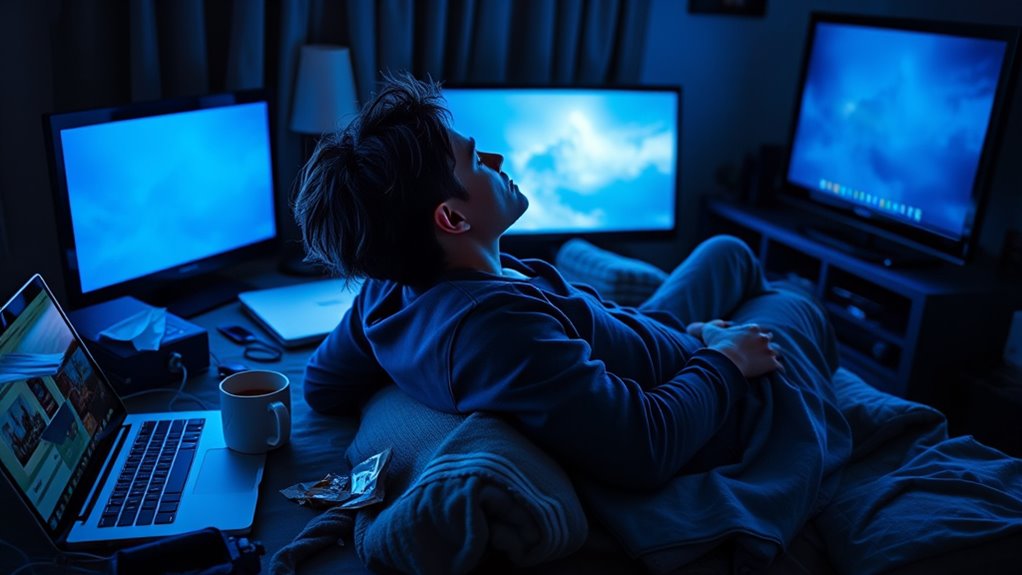
Another major concern linked to frequent binge-watching is sleep disruption. When you stay up late to finish that series or keep watching into the early hours, your sleep schedule gets thrown off. The blue light emitted by screens suppresses melatonin production, the hormone responsible for regulating sleep, making it harder to fall asleep naturally. Even if you plan to go to bed early, the excitement and emotional engagement with the show can keep your mind active, delaying sleep onset. This disrupted sleep pattern doesn’t just leave you feeling tired; it can also impair your mental health by increasing stress levels and reducing cognitive function. Over time, sleep deprivation from binge-watching can contribute to mood swings, irritability, and difficulty concentrating, creating a vicious cycle where your mental well-being suffers, and you turn to more binge-watching to cope.
Furthermore, the combination of emotional dependency and sleep disruption can intensify feelings of anxiety and depression. When you depend heavily on binge-watching for emotional comfort, you might neglect other healthy coping mechanisms or social interactions, leading to increased feelings of isolation. Poor sleep only compounds this, as it affects your brain’s ability to regulate emotions and process stress. You may notice a decline in your overall mental resilience, feeling more overwhelmed by everyday challenges. It’s easy to underestimate how much these habits can chip away at your mental health, gradually making it harder to find joy or motivation in other areas of life. Incorporating time management strategies to set boundaries around binge-watching sessions can help safeguard your mental health and create a healthier balance.
In essence, while binge-watching offers temporary relief and entertainment, it’s vital to recognize its potential to foster emotional dependency and disrupt your sleep. Being mindful of your viewing habits and establishing healthy boundaries can help protect your mental health and ensure you enjoy your favorite shows without unintended consequences.
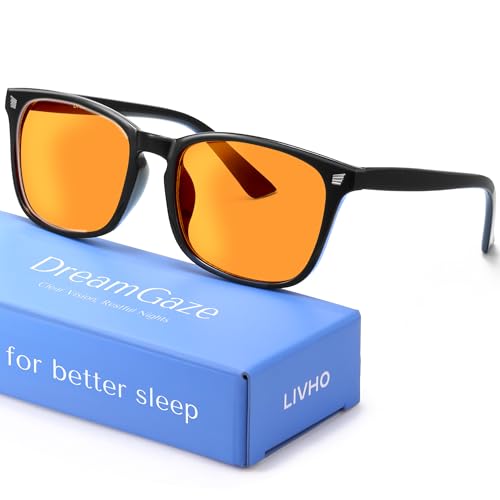
livho High Tech Blue Light Glasses – Advanced Blue Light Blocking Computer Glasses – Screen Fatigue & UV Protection
Elevate your screen time comfort with these stylish women's/men's eyewear frame blue light blocking glasses, designed to reduce…
As an affiliate, we earn on qualifying purchases.
As an affiliate, we earn on qualifying purchases.
Frequently Asked Questions
Can Binge-Watching Cause Long-Term Mental Health Issues?
Yes, binge-watching can cause long-term mental health issues. You might develop emotional dependency on shows for comfort, which can lead to increased social isolation as you spend less time engaging with others. Over time, this pattern can worsen feelings of loneliness and affect your emotional well-being. To protect your mental health, it’s important to balance screen time with social activities and seek support if you notice negative changes.
What Are Immediate Mental Health Effects of Binge-Watching?
Imagine your mind as a sponge soaking up endless stories—binge-watching can lead to immediate mental health effects like emotional fatigue and cognitive overload. You might feel drained, overwhelmed, or irritable after hours glued to the screen. This mental exhaustion hampers your focus and emotional stability, making everyday tasks harder. Recognizing these signs helps you take breaks, recharge, and protect your mental well-being from the storm of constant streaming.
How Does Binge-Watching Impact Sleep Quality?
Binge-watching can substantially impact your sleep quality by increasing screen time late into the night, which leads to sleep disruption. The blue light emitted by screens interferes with your body’s melatonin production, making it harder to fall asleep. As a result, you might experience poorer sleep, shorter duration, and feeling less rested. To protect your sleep, limit screen time before bed and establish a relaxing bedtime routine.
Are Certain Genres More Linked to Mental Health Problems?
Certain genres are more linked to mental health problems. For example, horror shows increase anxiety in some viewers, especially among younger demographics. Your genre preferences and age can influence how binge-watching affects your mental health. Studies show that intense or dark genres may elevate stress levels, so being mindful of what you watch helps manage potential negative impacts. Choose genres that promote relaxation and positivity to protect your mental well-being.
Can Binge-Watching Be a Sign of Underlying Mental Health Conditions?
Yes, binge-watching can be a sign of underlying mental health conditions. If you find yourself using it to escape feelings or struggling with emotional regulation, it might indicate issues like depression or anxiety. Additionally, excessive binge-watching can lead to social withdrawal, further impacting your mental well-being. If you notice these patterns, consider talking to a mental health professional to address underlying concerns and develop healthier coping strategies.

Pure Encapsulations Best-Rest Formula – Supports Restful Sleep – for Relaxation – Restful Sleep Supplement – Non-GMO & Vegan – 120 Capsules
Restful Sleep Supplement: Pure's Best-Rest Formula supports restful sleep and offers support for occasional sleeplessness*
As an affiliate, we earn on qualifying purchases.
As an affiliate, we earn on qualifying purchases.
Conclusion
Remember, binge-watching is like sailing on a calm sea—you can enjoy the ride, but too much can lead you off course. Keep your mental health anchored by setting limits and taking breaks. By balancing your viewing habits, you can navigate your entertainment journey smoothly without getting lost in the waves. Enjoy your favorite shows, but don’t forget to steer your ship wisely. Your well-being is the treasure at the end of a mindful binge.
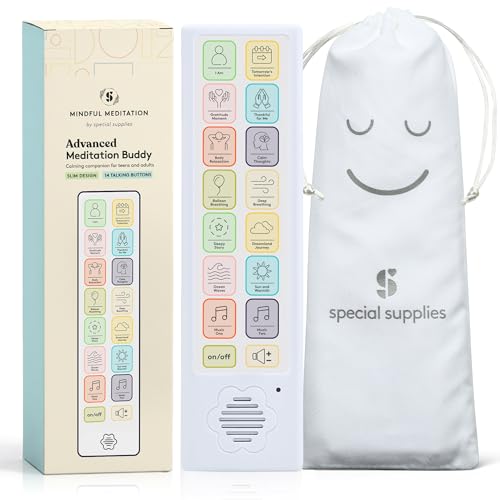
Special Supplies Meditation Buddy – Screen-Free Mindfulness & Breathing Device for Stress Relief, Daily Meditation, Anxiety Relief, Calm Focus & Emotional Balance for Kids and Adults (Adults)
Screen-Free Mindfulness Tool – Enjoy guided meditation, calm breathing, and daily mindfulness without apps, phones, or distractions. Perfect…
As an affiliate, we earn on qualifying purchases.
As an affiliate, we earn on qualifying purchases.

ZYY 2 Pack 23-24 Inch Computer Screen Blue Light Blocker for Diagonal 23,23.6,23.8,24 Inch Monitor, UV Blocking Filter(21 1/4×13 3/8) for Eye Strain,Hanging Anti Blue Light Screen Protector
【BEFORE ORDERING】1. Measure monitor diagonal size without edges. 2. Please check the size chart to confirm the correct…
As an affiliate, we earn on qualifying purchases.
As an affiliate, we earn on qualifying purchases.