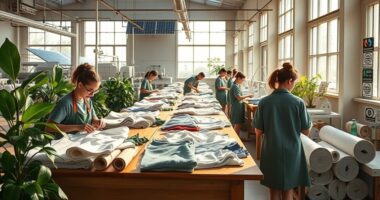
Fashion activism empowers you to use your style as a tool for social change. By choosing clothes made from sustainable textiles and supporting brands committed to ethical manufacturing, you help reduce environmental harm and promote fair labor practices. Wearing statement pieces can raise awareness of social issues, turning your wardrobe into a message of responsibility. If you stay curious, you’ll discover how your fashion choices can influence industry standards and inspire others to join the movement.
Key Takeaways
- Fashion activism leverages clothing choices to raise awareness of social and environmental issues.
- Supporting sustainable textiles and ethical manufacturing promotes responsible industry practices.
- Wearing statement pieces can communicate personal beliefs and advocate for social change.
- Educating others and sharing stories amplifies the impact of ethical fashion movements.
- Community engagement and social media help spread messages and influence industry standards.
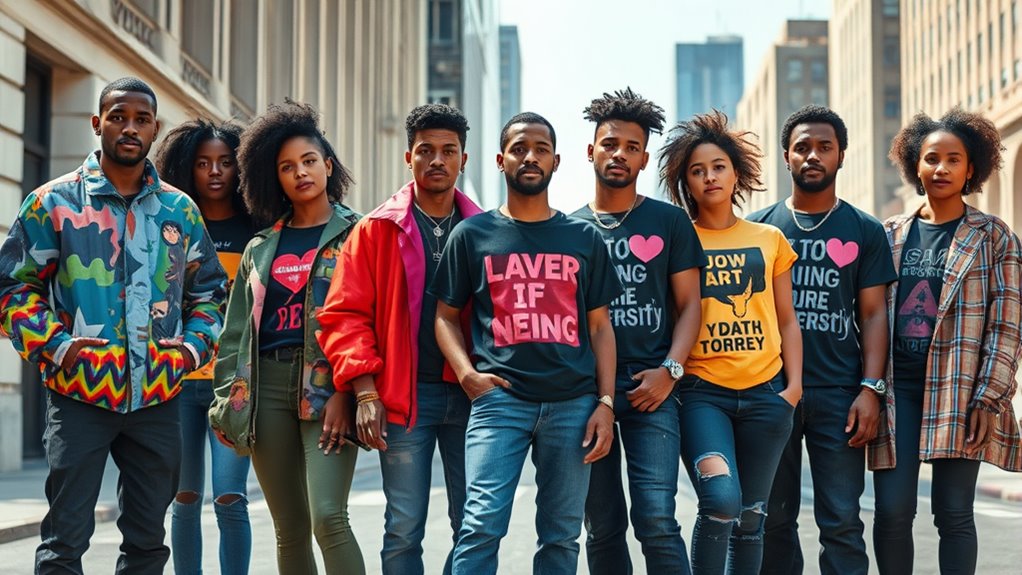
Have you ever wondered how fashion can be more than just style? It’s possible when you recognize that clothing is a powerful tool for activism. More brands are now prioritizing sustainable textiles and ethical manufacturing, transforming fashion from mere aesthetics into a statement of social responsibility. By choosing garments made from sustainable textiles, you’re actively supporting efforts to reduce environmental impact. These textiles—such as organic cotton, hemp, and recycled fabrics—use fewer resources and produce less pollution, making your wardrobe part of a larger movement toward environmental sustainability. Additionally, understanding the ID Times coverage of current economic and social trends can help you make more informed choices in your fashion activism. When you opt for clothing produced through ethical manufacturing, you’re also advocating for fair labor practices. Ethical manufacturing ensures workers are paid fair wages, work in safe conditions, and aren’t exploited. This type of conscientious choice sends a clear message: you care about the people behind your clothes, not just the final product. Your purchasing decisions can influence brands to improve their standards and transparency, encouraging the industry to adopt more humane practices. It’s about making mindful choices that align with your values and pushing the fashion world toward greater accountability.
Fashion activism isn’t just about what you wear; it’s about how your choices ripple outward. When you support brands committed to sustainable textiles and ethical manufacturing, you’re helping to shape a more responsible industry. Sometimes, that means wearing a statement piece that highlights a social issue or using your platform to raise awareness about environmental or labor rights. Clothing becomes a form of expression that communicates your stance on pressing social issues, making your style a tool for advocacy rather than just personal taste.
You can also participate in the movement by educating others about the importance of sustainable textiles and ethical manufacturing. Sharing stories about brands that prioritize eco-friendly practices or spotlighting the human stories behind your garments amplifies the message. It’s about creating a community of informed consumers who demand better from the industry and use their voice to champion change. Every purchase, every conversation, and every social media post contributes to a broader shift toward a more ethical fashion landscape.
Ultimately, fashion activism empowers you to make meaningful differences through your everyday choices. When you select brands that use sustainable textiles and uphold ethical manufacturing standards, you’re not just dressing for yourself—you’re making a stand for the planet, for fair labor, and for a future where style and social responsibility go hand in hand. Your wardrobe becomes a reflection of your values, turning fashion into a powerful act of social change.

Organic Clothing For Women Organic 100% Cotton Linen Tank Tops For Women Comfy Lounge Wear Summer Gauze Sleeveless Crewneck Hemp Shirt Seniors Casual Loose Fit Lightweight Cami Trendy Beach
Fabric:This loose-fit sleeveless tank is made of 60% linen and 40% cotton. Lightweight, breathable, moisture-wicking and non-see-through, it…
As an affiliate, we earn on qualifying purchases.
As an affiliate, we earn on qualifying purchases.
Frequently Asked Questions
How Can I Start My Own Fashion Activism Movement?
To start your own fashion activism movement, you should focus on community engagement and social media outreach. Share your message through compelling visuals and stories that resonate with your audience. Collaborate with like-minded individuals and brands to amplify your impact. Use platforms like Instagram and TikTok to spread awareness, organize events, and motivate others to join your cause. Consistency and authenticity will help your movement grow and create real social change.
Are There Ethical Brands That Support Social Causes?
Yes, there are ethical brands that support social causes. When choosing, look for brands committed to ethical sourcing and fair trade practices. These companies prioritize fair wages, safe working conditions, and sustainable materials. By supporting such brands, you actively promote social change and make a positive impact. Always research their values and practices to verify they align with your goals for social justice and environmental responsibility.
How Does Fashion Influence Public Opinion on Social Issues?
Think of fashion as a powerful megaphone, shaping public opinion through dress codes and cultural symbolism. When you wear clothing that highlights social issues, you spark conversations and challenge stereotypes. Your choices can influence perceptions, turning your style into a statement that resonates beyond aesthetics. By consciously selecting outfits with meaningful symbolism, you help raise awareness and sway public attitudes on critical social issues.
What Are Some Iconic Fashion Activism Moments in History?
You’ll find iconic fashion activism moments in history like the 1968 protest at the Miss America pageant, where activists used bras and other items as symbols of liberation. Celebrity endorsements also play a key role; think of Lady Gaga’s meat dress supporting LGBTQ+ rights. These historical protests and celebrity-driven statements use fashion as a powerful tool to challenge norms and spark social change.
Can Small Fashion Choices Really Impact Social Change?
Yes, your small fashion choices can definitely impact social change. When you choose brands that prioritize sustainable practices, you support ethical production and reduce environmental harm. Your conscious clothing decisions raise consumer awareness, encouraging others to follow suit. Over time, these individual actions can shift industry standards and promote more sustainable, socially responsible fashion. Small changes, when multiplied, contribute markedly to positive social and environmental transformations.

Become A Fashion Insider: A modern-day guide to launching and growing a fashion brand. Earn more and succeed on your own terms.
As an affiliate, we earn on qualifying purchases.
As an affiliate, we earn on qualifying purchases.
Conclusion
By embracing fashion activism, you become a beacon of change, turning your style into a powerful voice for social justice. Every outfit you wear can be a ripple in a pond, spreading awareness and inspiring others to act. Remember, your wardrobe isn’t just fabric and thread—it’s a tool to challenge norms and spark conversations. So, wear your values proudly, and let your fashion be the catalyst that transforms society one garment at a time.

Set of Four – Patchion Recycling Symbol – Three-Chasing-Arrows – Sew-on – Embroidered Patch/Badge/Emblem
Height: 2.0 inchs / 5.0 cm; Width: 2.0 inchs / 5.0 cm; Border: hot cut
As an affiliate, we earn on qualifying purchases.
As an affiliate, we earn on qualifying purchases.
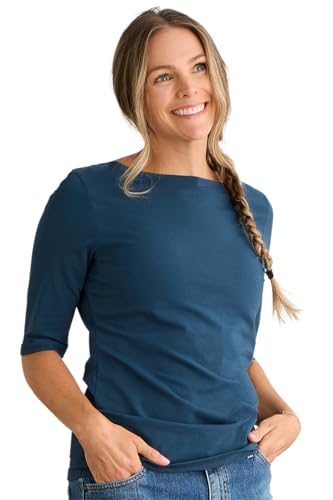
Fair Indigo Women's Organic Pima Cotton Half Sleeve Boat Neck Tee (L, Dark Ocean)
Building an ethical and Forever in Fashion wardrobe starts with foundation pieces like the classic organic Boat Neck…
As an affiliate, we earn on qualifying purchases.
As an affiliate, we earn on qualifying purchases.