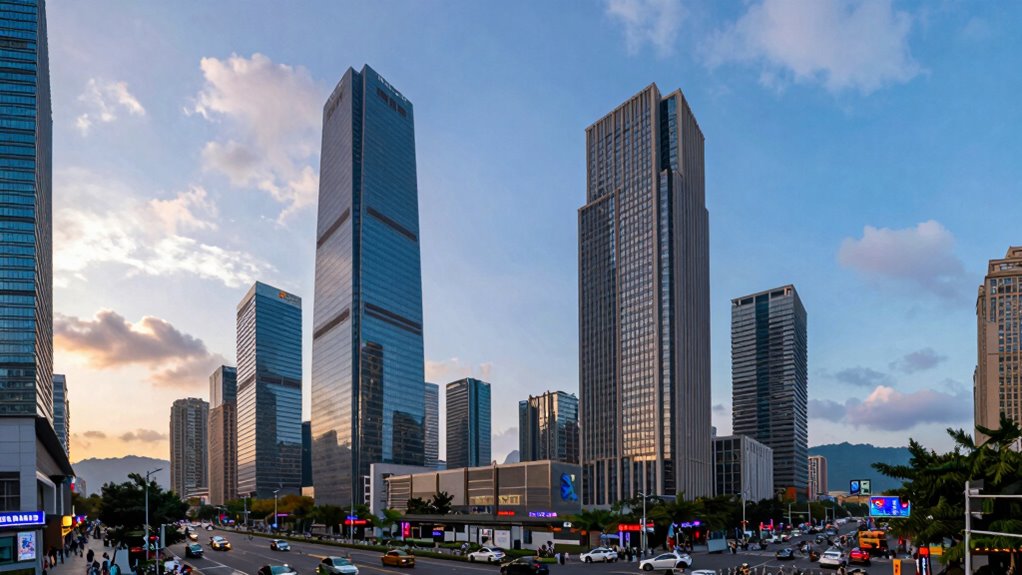

A 16-35mm wide-angle lens gives you room for landscapes, interiors, architecture, and video, but the right choice depends on your camera mount and shooting priorities. For most compatible Sony full-frame users, I’d put the Sony FE 16-35mm F2.8 GM II first for its bright aperture and premium role; the Canon EF 16-35mm f/4L IS USM stands out for stabilization, while Sony’s FE PZ 16-35mm F4 G is a compelling video-oriented option. The main tradeoff is between an f/2.8 aperture for low light and subject separation, or an f/4 design that may be easier to pair with stabilization and a lighter kit. Mount compatibility and whether a listing is renewed also shape the decision. Read on for the full comparison and advice tailored to different camera systems and shooting needs.

Get the latest gadgets delivered free with Prime
- Fast, free delivery on millions of items
- Prime Video, Amazon Music and more included
- Member-only deals all year
Complete the kit



Key Takeaways
- Sony’s GM II options lead the premium end of this lineup: They pair a constant f/2.8 aperture with a newer-generation position, while the original GM remains an alternative for buyers who do not need the latest revision.
- The Canon EF f/4L IS USM is the strongest stabilization-focused pick: Its f/4 aperture is slower than the EF f/2.8L lenses, but optical stabilization can help when photographing still scenes handheld.
- The Sony FE PZ 16-35mm F4 G has a distinct video role: Power zoom operation makes it different from the conventional stills-oriented zooms in this comparison.
- Several entries are near-duplicates or listing variants: The Canon EF f/4L IS USM, Nikon 16-35mm f/4G ED VR, and Sony GM and GM II models appear in multiple versions, so buyers should compare the exact listing and condition rather than treating every entry as a different design.
- These lenses are not interchangeable across brands: Canon EF, Sony E, and Nikon F mounts call for different camera bodies or adapter plans; mount fit should come before aperture or feature comparisons.


| wide angle lens 16 35mm | Focal length | Maximum aperture | Mount | Weight |
|---|---|---|---|---|
| Canon EF 16-35mm f/2.8L II USM | 16–35mm | f/2.8 | Canon EF | 2.2 lb |
| Sony FE PZ 16-35mm F4 G Wide-A | 16–35mm | f/4 | Sony E | — |
| Sony FE 16–35mm F2.8 GM Wide-A | 16–35mm | f/2.8 | Sony E | 16 oz |
| Canon EF 16-35mm f/2.8L II USM | 16–35mm | f/2.8 | Canon EF | 1.41 lb |
| Sony FE 16-35mm F2.8 GM II Wid | 16–35mm | f/2.8 | Sony E | 547 g |
| Canon EF 16-35mm f/4L IS USM L | 16-35mm | f/4 | Canon EF | 0.62 kg |
| Sony Vario-Tessar T* FE 16-35m | 16-35mm | f/4 | Sony E | 518 g |
| Nikon AF-S NIKKOR 16-35mm f/4G | 16-35mm | f/4 | Nikon F | — |
| Canon EF 16-35mm f/4L IS USM W | 16-35mm | f/4 | Canon EF | 615 g |
| Sony FE 16–35mm f/2.8 GM II Fu | 16-35mm | f/2.8 | Sony E | 2.4 pounds |
| Sony FE 16-35mm F2.8 GM II Wid | 16–35mm | f/2.8 | Sony E | 544 g |
| Sony FE 16-35mm F2.8 GM Wide-A | 16–35mm | f/2.8 | Sony E | 1.5 lb |
| Canon EF 16-35mm f/2.8L III US | 16–35mm | f/2.8 | Canon EF | 2.4 pounds |
| Canon EF 16–35mm f/4L IS USM W | 16–35mm | f/4 | Canon EF | — |
| Nikon 16-35mm f/4G ED VR AF-S | 16–35mm | f/4 | Nikon F | — |
More Details on Our Top Picks
Canon EF 16-35mm f/2.8L II USM Zoom Lens (Renewed)
For Canon EF shooters seeking a 16–35mm range with f/2.8 throughout, this renewed L-series zoom offers a practical way to prioritize low-light shooting and background separation over stabilization. Its ring-type USM autofocus is designed to respond quickly and quietly, while the 9-blade circular aperture supports smoother-looking out-of-focus areas than a basic wide zoom. Compared with the newer Sony FE 16-35mm F2.8 GM II, this is a heavier, older-generation option, but it serves a different purpose: keeping an existing EF kit on a fast aperture without changing systems. The tradeoffs are clear: no image stabilization, renewed condition with possible cosmetic wear, and a 90-day limited warranty. I’d choose it for a Canon EF body when aperture matters more than modern video features or a longer warranty.
Pros:- Constant f/2.8 aperture helps maintain faster shutter speeds in dim conditions.
- Ring-type USM autofocus is designed for fast, quiet focusing.
- Three high-precision aspherical elements support image quality across the zoom range.
- Nine-blade circular diaphragm can produce pleasing background blur.
Cons:- No image stabilization, so handheld video and slower shutter speeds get no lens-based support.
- Renewed condition may include cosmetic imperfections compared with a new lens.
- The 90-day limited warranty is shorter than the one-year warranty listed for the standard Canon EF 16-35mm f/2.8L II.
Best for: Canon EF photographers who want a constant f/2.8 aperture for interiors, events, or night scenes and are comfortable buying a professionally inspected renewed lens.
Not ideal for: Travel shooters prioritizing a lighter kit, or photographers who need in-lens stabilization, a new unit, or longer warranty coverage.
- Focal length:16–35mm
- Maximum aperture:f/2.8
- Mount:Canon EF
- Autofocus:Ring-type USM
- Image stabilization:No
- Closest focusing distance:0.92 ft
- Weight:2.2 lb
- Condition and warranty:Renewed; 90-day limited warranty
Our verdict“Choose this renewed Canon when you need f/2.8 on an EF body and accept the shorter warranty and lack of stabilization.”
Sony FE PZ 16-35mm F4 G Wide-Angle Power Zoom Lens
This Sony E-mount zoom is the lineup’s clearest pick for creators who value controlled, repeatable zooms as much as still-photo coverage. Its power zoom and four XD Linear Motors are designed for smooth, quiet operation, and separate zoom, focus, and aperture rings keep adjustments direct when working on a rig. Compatible cameras and devices can control the zoom remotely, a useful distinction from the stills-first Canon EF 16-35mm f/2.8L II. The cost of that video-friendly handling is a maximum f/4 aperture: compared with the Sony FE 16-35mm F2.8 GM II, it gives up a stop of light and some low-light flexibility. It is also listed without optical stabilization, so handheld footage depends on camera stabilization or support. I’d favor it for planned video work, not for buyers who need the fastest aperture.
Pros:- Power zoom supports smooth, repeatable framing changes for video.
- Four XD Linear Motors support quiet autofocus and zoom operation.
- Separate zoom, focus, and aperture rings provide dedicated hands-on controls.
- Remote zoom control is available with compatible cameras and devices.
Cons:- The f/4 maximum aperture is slower than the f/2.8 Sony GM options in this roundup.
- No image stabilization is listed.
- Video-focused power zoom controls may be less useful to stills photographers who prefer a conventional zoom ring.
Best for: Sony full-frame E-mount hybrid shooters and video creators who need quiet autofocus, controlled power zooming, and remote zoom operation.
Not ideal for: Photographers who frequently shoot in low light or want f/2.8, or handheld video shooters relying on lens-based stabilization.
- Focal length:16–35mm
- Maximum aperture:f/4
- Minimum aperture:f/22
- Mount:Sony E
- Autofocus motors:Four XD Linear Motors
- Angle of view:107°
- Filter size:72mm
- Image stabilization:No
Our verdict“Pick this Sony when smooth, remotely controllable zooming matters more than the extra low-light reach of an f/2.8 lens.”
Sony FE 16–35mm F2.8 GM Wide-Angle Zoom Lens (SEL1635GM, Renewed)
The renewed original Sony G Master makes sense for Sony E-mount photographers who want a constant f/2.8 aperture and a lens designed for high resolution and smooth bokeh, without moving to the GM II. Its 0.28 m minimum focus distance lets subjects stay prominent against a wide setting, useful for environmental portraits and close foreground compositions. Compared with the Sony FE PZ 16-35mm F4 G, this model gives up power-zoom handling but gains a stop of aperture for dim scenes and shallower depth of field. The tradeoff is age and condition: this is a renewed unit with a 90-day limited warranty, and it lacks image stabilization and water resistance. The GM II is the more portable, feature-rich choice; this renewed GM is better suited to buyers who value f/2.8 and accept the shorter warranty.
Pros:- Constant f/2.8 aperture supports low-light shooting and subject separation.
- Designed for high resolution and smooth bokeh.
- 0.28 m minimum focus distance allows close foreground compositions.
- Includes a hood, front and rear caps, and a case.
Cons:- No image stabilization is listed.
- Renewed condition comes with a 90-day limited warranty.
- Not water resistant, unlike the Sony FE 16-35mm F2.8 GM II listed here.
Best for: Sony E-mount photographers seeking an f/2.8 wide zoom for events, landscapes, or environmental portraits who are open to a renewed lens.
Not ideal for: Video-first buyers who want a power zoom, outdoor shooters requiring listed water resistance, or anyone who prefers a new lens with longer warranty coverage.
- Focal length:16–35mm
- Maximum aperture:f/2.8
- Mount:Sony E
- Focus type:Autofocus
- Minimum focus distance:0.28 m (0.92 ft)
- Maximum magnification:0.19×
- Weight:16 oz
- Condition and warranty:Renewed; 90-day limited warranty
Our verdict“Choose this renewed G Master for f/2.8 Sony coverage and close focusing if you can accept renewed condition and limited weather protection.”
Canon EF 16-35mm f/2.8L II USM Wide-Angle Zoom Lens
For a Canon EF photographer who wants an established f/2.8 ultra-wide zoom, this standard version earns its place through a useful mix of fast aperture, ring-type ultrasonic autofocus, and water resistance. Its internal focusing means the lens does not change length while focusing, while full-time manual focus gives a photographer a quick way to refine focus without switching modes. Compared with the renewed Canon EF 16-35mm f/2.8L II, the listed standard version has a one-year warranty and weighs less at 1.41 pounds, though the product data does not specify that it is renewed. The main limitation shared by both Canons is the absence of image stabilization; the Sony FE 16-35mm F2.8 GM II offers a more modern video-oriented feature set, but requires a Sony E-mount body. This is a straightforward EF choice, not a stabilized one.
Pros:- Constant f/2.8 aperture supports low-light work and background separation.
- Ring-type ultrasonic autofocus is fast and quiet, with full-time manual focus.
- Water-resistant construction is suited to more demanding shooting conditions.
- One-year warranty is longer than the 90-day coverage listed for the renewed Canon version.
Cons:- No image stabilization is included.
- At 1.41 pounds, it is heavier than the 547 g Sony FE 16-35mm F2.8 GM II.
- The 82mm filter size may require larger filters than smaller-filter lens systems.
Best for: Canon EF photographers who shoot events, architecture, or landscapes and want f/2.8, internal focusing, and water resistance.
Not ideal for: Photographers needing lens-based stabilization, a lightweight travel zoom, or compatibility with Sony E-mount cameras.
- Focal length:16–35mm
- Maximum aperture:f/2.8
- Mount:Canon EF
- Lens construction:16 elements in 12 groups
- Closest focusing distance:0.92 ft
- Filter size:82mm
- Weight:1.41 lb
- Water resistance:Yes
- Warranty:1 year
Our verdict“Choose this Canon for f/2.8 EF shooting and water resistance, but look elsewhere if stabilization or a lighter carry kit is a priority.”
Sony FE 16-35mm F2.8 GM II Wide-Angle Zoom Lens Bundle
This is the premium pick for Sony E-mount users who want f/2.8 performance without the usual wide-zoom carry burden. At approximately 547 g, it is notably portable for this class, while XA and Super-ED elements are designed to support crisp edge-to-edge resolution and smooth bokeh. Four XD Linear Motors, minimized focus breathing, and a de-clickable aperture ring make it more video-aware than the renewed original Sony GM, which lacks the newer model’s listed video-focused features. Weather sealing adds reassurance for outdoor work, though no lens-based stabilization is listed. The bundle includes an 82mm filter kit, cap keeper, and cleaning kit; those extras may not matter to buyers who already own accessories. Compared with the Sony FE PZ 16-35mm F4 G, this trades power zooming for a faster aperture and a lighter premium f/2.8 design.
Pros:- 547 g weight makes this a portable option among f/2.8 wide-angle zooms.
- XA and Super-ED elements are designed for crisp edge-to-edge resolution and smooth bokeh.
- Four XD Linear Motors support rapid, quiet autofocus.
- Minimized focus breathing and a de-clickable aperture ring suit video work.
Cons:- No image stabilization is listed.
- The bundle’s filter and cleaning accessories may add little for buyers who already own them.
- Its premium G Master positioning may not suit buyers seeking a lower-cost wide zoom.
Best for: Sony full-frame E-mount professionals and hybrid creators who want a lightweight f/2.8 zoom with video-friendly controls and weather sealing.
Not ideal for: Budget-conscious buyers, users who need optical stabilization, or video operators who specifically want the Sony FE PZ 16-35mm F4 G’s power zoom.
- Focal length:16–35mm
- Maximum aperture:f/2.8
- Mount:Sony E
- Weight:547 g
- Filter size:82mm
- Minimum focus distance:22 cm
- Water resistance:Yes
- Autofocus motors:Four XD Linear Motors
- Bundle items:82mm filter kit, lens cap keeper, cleaning kit
Our verdict“Choose this GM II bundle if you want a portable, weather-sealed Sony f/2.8 zoom for both stills and video and will use the included accessories.”
Canon EF 16-35mm f/4L IS USM Lens
For Canon EF shooters who want an ultrawide zoom that is easier to handhold, this is my practical pick. Its optical image stabilization helps counter camera shake for still subjects, while the constant f/4 aperture keeps exposure consistent as you zoom from 16mm to 35mm. Compared with the renewed Canon EF 16-35mm f/4L IS USM, this listing does not specify a renewed condition, but it is a Japan import with no warranty, a meaningful ownership tradeoff. Its 0.62 kg weight and included hood make it a portable landscape option, though the Sony FE 16-35mm F2.8 GM II Renewed is better suited to low-light work thanks to its wider aperture. Choose this Canon for stabilized daylight shooting, not for action or dependable import support.
Pros:- Optical image stabilization supports handheld shooting of static scenes.
- Constant f/4 aperture maintains exposure while zooming.
- Compact 0.62 kg design is manageable for travel and day hikes.
- Full-time manual focus allows adjustments without leaving autofocus mode.
Cons:- Japan-import listing specifies no warranty.
- The f/4 maximum aperture is less suited to dim scenes than the Sony FE 16-35mm F2.8 GM II.
- The listed minimum aperture of f/22 offers little advantage for most everyday shooting.
Best for: Canon EF landscape and architecture photographers who often shoot handheld and value stabilization over a wider aperture.
Not ideal for: Buyers who need a manufacturer warranty, frequently photograph moving subjects in low light, or want an aperture wider than f/4.
- Mount:Canon EF
- Focal length:16-35mm
- Maximum aperture:f/4
- Image stabilization:Optical
- Weight:0.62 kg
- Filter size:77 mm
- Diaphragm blades:9
- Warranty:No warranty (Japan import)
Our verdict“Choose this Canon for stabilized, portable landscapes on an EF camera, provided you are comfortable with the no-warranty import.”
Sony Vario-Tessar T* FE 16-35mm F4 ZA OSS Lens for Sony E
This Sony makes the most sense for α7-series owners who want a stabilized, travel-friendly 16-35mm without stepping up to an f/2.8 lens. Optical SteadyShot is useful for handheld stills, and the ZEISS T* coating is designed to help control flare and ghosting when bright light enters the frame. At 518 g, it is lighter than the Nikon AF-S NIKKOR 16-35mm f/4G ED VR, though that Nikon also offers stabilization and serves a different camera mount. The Sony’s dust- and moisture-resistant construction adds reassurance for outdoor trips, but the listing gives no specific water-resistance rating. Its f/4 ceiling also makes it a weaker choice for dim interiors or freezing motion than the Sony FE 16-35mm f/2.8 GM II.
Pros:- Optical SteadyShot assists handheld shooting with static subjects.
- ZEISS T* coating helps reduce flare and ghosting.
- 518 g weight keeps a full-frame wide-angle kit comparatively portable.
- Dust- and moisture-resistant design suits outdoor use.
Cons:- Constant f/4 aperture gathers less light than the Sony FE 16-35mm f/2.8 GM II.
- The listing provides no specific water-resistance rating.
- Seven diaphragm blades provide fewer blades than the nine-blade Canon EF f/4L options in this roundup.
Best for: Sony E-mount full-frame travelers and landscape photographers seeking a relatively light stabilized zoom with a constant aperture.
Not ideal for: Sony shooters who regularly work in low light, need f/2.8 for faster shutter speeds, or require a clearly specified water-resistance rating.
- Mount:Sony E
- Focal length:16-35mm
- Maximum aperture:f/4
- Image stabilization:Optical SteadyShot
- Weight:518 g
- Minimum focus distance:0.28 m
- Filter size:72 mm
- Warranty:1 year for parts and labor
Our verdict“Pick this Sony for portable, stabilized full-frame landscapes, but choose an f/2.8 option if low-light speed matters more than weight.”
Nikon AF-S NIKKOR 16-35mm f/4G ED VR Wide-Angle Zoom Lens
Nikon DSLR owners get a well-rounded landscape zoom here: VR II stabilization is rated for up to four stops, and the constant f/4 aperture avoids exposure changes across the zoom range. The Nano Crystal Coat and ED glass address flare and chromatic aberration, useful when scenes include bright skies or high-contrast edges. Compared with the Canon EF 16-35mm f/4L IS USM, this lens is the natural fit for Nikon FX and DX DSLRs and offers quiet autofocus with full-time manual focus. The tradeoff is that the listing says autofocus may not perform as expected in some wide-angle situations, and the lens is not water resistant. I would favor it for deliberate outdoor stills, not exposed shoots in wet weather or fast-moving subjects.
Pros:- VR II stabilization is rated for up to four stops.
- Constant f/4 aperture keeps exposure consistent while zooming.
- Nano Crystal Coat and ED elements help control flare and chromatic aberration.
- Silent Wave Motor autofocus and full-time manual focus support quiet, precise operation.
Cons:- Not water resistant, limiting confidence in wet or exposed conditions.
- Autofocus may not perform as expected in some wide-angle shooting situations.
- At 16mm, DX users will not get the same broad view as FX users.
Best for: Nikon FX or DX DSLR owners photographing landscapes, architecture, and travel scenes who want stabilization and quiet autofocus.
Not ideal for: Photographers who need weather protection for rainy shoots or depend on consistently reliable autofocus for fast action.
- Mount:Nikon F
- Compatibility:Nikon FX and DX DSLRs
- Focal length:16-35mm
- Maximum aperture:f/4
- Image stabilization:VR II, up to 4 stops
- Minimum focus distance:0.28 m
- Filter size:77 mm
- Optical elements:2 ED and 3 aspherical elements
Our verdict“Choose this Nikon for stabilized landscape work on an FX or DX DSLR, but look elsewhere for dependable wet-weather use or demanding action autofocus.”
Canon EF 16-35mm f/4L IS USM Wide-Angle Zoom Lens (Renewed), Black
This renewed Canon pairs the familiar 16-35mm f/4 range with optical stabilization, fast ring USM autofocus, and full-time manual focus. For Canon EF photographers, that makes it a strong fit for landscapes and architecture where handheld flexibility matters more than a bright aperture. Compared with the non-renewed Canon EF 16-35mm f/4L IS USM Japan import in this roundup, this listing has a 90-day limited warranty rather than no warranty, but it is explicitly renewed, so buyers should weigh condition against support. Weather-resistant construction and fluorine coatings add practical protection, though the stated water resistance depends on using an optional Canon protect filter. The Sony FE 16-35mm f/2.8 GM II is a better match for low-light work; this Canon favors stabilization and EF compatibility instead.
Pros:- Optical stabilization is specified to provide up to four stops of correction.
- Constant f/4 aperture preserves exposure across the zoom range.
- Ring USM autofocus and full-time manual focus support fast, precise adjustments.
- Weather-resistant design and fluorine coatings add protection in varied conditions.
Cons:- Renewed condition comes with only a 90-day limited warranty.
- Water resistance requires an optional Canon protect filter.
- The f/4 maximum aperture is less capable in low light than the Sony FE 16-35mm f/2.8 GM II.
Best for: Canon EF DSLR owners comfortable buying renewed gear who want a stabilized wide zoom and a defined limited warranty.
Not ideal for: Buyers who require a new lens, longer warranty coverage, built-in water protection without an optional filter, or f/2.8 performance.
- Condition:Renewed
- Mount:Canon EF
- Focal length:16-35mm
- Maximum aperture:f/4
- Image stabilization:Optical, up to 4 stops
- Minimum focusing distance:0.28 m
- Weight:615 g
- Warranty:90-day limited warranty
Our verdict“This renewed Canon suits EF shooters seeking stabilization and autofocus speed, if its short warranty and filter-dependent water resistance fit your needs.”
Sony FE 16–35mm f/2.8 GM II Full-Frame Wide-Angle Zoom Lens (Renewed)
The standout here is constant f/2.8 brightness: compared with the Sony Vario-Tessar T* FE 16-35mm F4 ZA OSS, this GM II gives up the f/4 model’s optical stabilization but lets in more light and supports faster shutter speeds. Four XD linear motors are designed for fast, quiet autofocus, while minimized focus breathing and focus shift make it more video-minded than the Canon EF 16-35mm f/4L IS USM options. Those strengths suit events, interiors, and hybrid shoots where changing exposure or visible focus shifts can interrupt work. The listing’s 2.4-pound weight and 90-day limited warranty are notable tradeoffs, especially for a renewed lens. Choose it for aperture speed and video behavior, not for the lightest travel kit or long warranty coverage.
Pros:- Constant f/2.8 aperture gives more low-light flexibility than the Sony Vario-Tessar f/4 ZA OSS.
- Four XD linear motors provide fast, quiet autofocus.
- Designed to minimize focus breathing and focus shift for video recording.
- Weather-resistant construction supports use in varied shooting conditions.
Cons:- The renewed listing carries a 90-day limited warranty.
- At 2.4 pounds, it is heavier than the 518 g Sony Vario-Tessar f/4 ZA OSS listed here.
- The supplied data does not list optical image stabilization.
Best for: Sony E-mount hybrid shooters and event photographers who need f/2.8 for low light, fast shutter speeds, or controlled focus pulls.
Not ideal for: Travel photographers prioritizing a lightweight kit, buyers who need optical stabilization in the lens, or anyone seeking a longer warranty.
- Mount:Sony E
- Focal length:16-35mm
- Maximum aperture:f/2.8
- Focus motors:Four XD linear motors
- Diaphragm blades:9
- Weight:2.4 pounds
- Water resistance:Water resistant
- Warranty:90-day limited warranty
Our verdict“Choose this renewed GM II for Sony full-frame low-light and video work, provided its weight and short warranty are acceptable.”
Sony FE 16-35mm F2.8 GM II Wide-Angle Zoom Lens
The Sony FE 16-35mm F2.8 GM II is my strongest all-around pick here for Sony shooters who want a fast 16–35mm range without giving up video-friendly autofocus. Its constant f/2.8 aperture supports low-light work and subject separation, while the lens is designed to reduce focus breathing—a useful difference from options whose listed features lean more toward still photography. Compared with the original Sony FE 16-35mm F2.8 GM, this newer version is the more compelling choice for creators who value current-generation video handling and a lighter listed weight of 544 g. The tradeoff is that it has no stated image stabilization, and it is not water resistant. Buyers who regularly shoot in wet or dusty conditions should look at a protected alternative or plan around the limitation.
Pros:- Constant f/2.8 aperture suits low-light scenes and helps maintain exposure while zooming
- G Master resolution and bokeh support detailed wide shots with smoother background separation
- Fast, quiet autofocus is useful for both stills and video
- Focus-breathing reduction supports more consistent framing during focus pulls
Cons:- Not water resistant, limiting confidence in wet or dusty conditions
- No image stabilization is listed, so handheld video and slower shutter speeds rely on camera-body stabilization or support
Best for: Sony E-mount photographers and hybrid video creators who need a fast ultra-wide zoom for indoor scenes, landscapes, and moving subjects.
Not ideal for: Outdoor shooters who need water resistance, or photographers who prioritize in-lens stabilization over a constant f/2.8 aperture.
- Focal length:16–35mm
- Maximum aperture:f/2.8
- Minimum aperture:f/22
- Mount:Sony E
- Focus type:Autofocus
- Diaphragm blades:11
- Weight:544 g
- Water resistance:Not water resistant
Our verdict“Choose this Sony if you want a fast, video-conscious 16–35mm zoom and can work around its lack of water resistance and listed lens stabilization.”
Sony FE 16-35mm F2.8 GM Wide-Angle Zoom Lens (SEL1635GM), Black
The original Sony FE 16-35mm F2.8 GM remains a strong fit for Sony E-mount photographers seeking a bright, full-frame wide zoom with G Master rendering. Its constant f/2.8 aperture gives it an advantage over f/4 choices such as the Canon EF 16–35mm f/4L IS USM when shutter speed or background separation matters more than stabilization. The listed 0.28 m minimum focus distance also lets you place foreground details close to the camera while retaining a broad scene. Against the newer GM II, this version is the less current option for video-focused buyers, and its listed weight is 1.5 lb rather than the newer model’s 544 g. It also has no image stabilization, so handheld low-light work depends on the camera body or support.
Pros:- Constant f/2.8 aperture supports low-light shooting and exposure consistency across the zoom range
- High resolution across the focal range suits detailed architecture and landscape work
- 0.28 m minimum focus distance allows prominent foreground elements
- Nano AR and fluorine coatings help manage reflections and front-element cleaning
Cons:- No image stabilization is listed
- At 1.5 lb, it is heavier than the listed 544 g Sony GM II
- Its original-generation design lacks the newer model’s stated focus-breathing reduction
Best for: Sony E-mount landscape, architecture, and event photographers who want a constant f/2.8 aperture and close foreground framing.
Not ideal for: Sony hybrid shooters who prioritize a lighter lens and video-specific breathing control, or anyone needing optical stabilization in the lens.
- Focal length:16–35mm
- Maximum aperture:f/2.8
- Minimum aperture:f/22
- Mount:Sony E
- Minimum focus distance:0.28 m
- Maximum magnification:0.19×
- Filter size:82 mm
- Weight:1.5 lb
Our verdict“Pick the original GM when f/2.8 and close focusing matter more than the lighter build and video refinements of the GM II.”
Canon EF 16-35mm f/2.8L III USM Ultra-Wide Zoom Lens (Renewed)
For Canon EF users who want a bright ultra-wide zoom, the renewed EF 16-35mm f/2.8L III combines a constant f/2.8 aperture with coatings designed to reduce flare and ghosting. That makes it a more natural fit for dim interiors and night scenes than the Canon EF 16–35mm f/4L IS USM, though the f/4 lens adds stabilization that this listing does not specify. The L III’s emphasis on edge and corner sharpness matters for architecture and landscapes, where details near the frame boundaries are easy to scrutinize. Its Canon EF mount also separates it from both Sony E-mount GM lenses in this roundup. The main compromise is its renewed condition, backed by a 90-day warranty, plus a substantial listed weight of 2.4 pounds.
Pros:- Constant f/2.8 aperture offers more light than the Canon f/4L IS alternative
- Improved edge and corner sharpness is useful for buildings and detailed landscapes
- Air Sphere Coating helps reduce flare and ghosting in bright or backlit scenes
- Water-resistant construction and included hood, case, and caps add practical protection and handling options
Cons:- Renewed condition may not suit buyers who want a new lens
- The listed 2.4-pound weight makes it a substantial choice for travel
- A 90-day warranty is limited compared with buyers seeking longer-term coverage
Best for: Canon EF full-frame photographers who shoot architecture, interiors, or night scenes and want f/2.8 with improved edge detail.
Not ideal for: Buyers who want a new lens, a lighter everyday kit, or the longer support of a larger warranty; also less suited to handheld shooters who depend on lens stabilization.
- Focal length:16–35mm
- Maximum aperture:f/2.8
- Mount:Canon EF
- Focus type:Auto/Manual
- Lens coating:Air Sphere Coating
- Filter size:82 mm
- Weight:2.4 pounds
- Condition and warranty:Renewed; 90 days
Our verdict“Choose this renewed L III for Canon EF f/2.8 performance and edge detail if its weight and condition fit your needs.”
Canon EF 16–35mm f/4L IS USM Wide-Angle Zoom Lens
The Canon EF 16–35mm f/4L IS USM is the practical choice for Canon EF shooters who value steadier handheld framing more than a brighter aperture. Its up-to-four-stop optical stabilization can help when photographing static interiors or landscapes at slower shutter speeds, a capability not listed for the f/2.8 Canon L III. That advantage does not freeze moving subjects, though, and the f/4 maximum aperture gives up a stop of light compared with the faster Canon and Sony GM options. Full-time manual focus also lets you fine-tune focus without leaving autofocus mode. This lens is a better fit for deliberate still photography than dim action or video work where a wider aperture is a priority. Weather resistance is conditional: the listing says it requires an optional Canon PROTECT filter.
Pros:- Optical stabilization provides up to four stops of correction for handheld static scenes
- Full-time manual focus allows precise adjustments while autofocus remains active
- 0.28 m minimum focusing distance supports close foreground composition
- Three aspheric and two UD elements support the lens’s optical design
Cons:- The f/4 maximum aperture gathers less light than the f/2.8 Canon EF L III
- Stabilization cannot stop subject motion
- Stated dust and water resistance requires an optional Canon PROTECT filter
Best for: Canon EF landscape, travel, and architecture photographers who often shoot handheld and photograph mostly static subjects.
Not ideal for: Photographers covering fast action or dim events who need f/2.8, or buyers unwilling to use an optional filter for the stated weather resistance.
- Focal length:16–35mm
- Maximum aperture:f/4
- Minimum aperture:f/22
- Mount:Canon EF
- Image stabilization:Up to four stops of correction
- Minimum focusing distance:0.28 m
- Diaphragm blades:9
- Weather resistance:Dust- and water-resistant when used with an optional Canon PROTECT filter
Our verdict“Choose this Canon f/4 zoom if stabilization for static handheld scenes matters more than the extra light of an f/2.8 lens.”
Nikon 16-35mm f/4G ED VR AF-S Wide-Angle Zoom Lens (Renewed)
The renewed Nikon 16-35mm f/4G ED VR brings a familiar wide-angle range to Nikon F-mount cameras, with optical stabilization for handheld scenes and Nano Crystal Coating to help control reflections. Like the Canon EF 16–35mm f/4L IS USM, it favors stabilization over a fast maximum aperture; both are less suited than the f/2.8 lenses here to dim scenes with moving subjects. The Nikon’s two ED elements are part of its optical design, while its rounded nine-blade diaphragm can support smoother out-of-focus rendering. This is a practical option for Nikon photographers who want an ultrawide zoom and VR, but the listing identifies it as renewed/refurbished, includes only a 90-day warranty, and gives a 1.5-pound weight. Check your camera’s compatibility with the F mount before choosing it.
Pros:- Optical image stabilization supports steadier handheld framing
- Nano Crystal Coating and two ED elements are included in the optical design
- 16–35mm range covers broad landscapes, interiors, and environmental scenes
- Includes a hood, soft case, caps, and a 90-day warranty
Cons:- f/4 maximum aperture is less suited to dim action than the f/2.8 options
- Renewed/refurbished condition may not suit buyers seeking new equipment
- At 1.5 pounds, it adds noticeable weight to a travel kit
Best for: Nikon F-mount landscape and travel photographers who want stabilization for handheld static subjects and are comfortable buying refurbished gear.
Not ideal for: Photographers who need f/2.8 for low light or moving subjects, want a new lens, or use a camera system without Nikon F-mount compatibility.
- Focal length:16–35mm
- Maximum aperture:f/4
- Mount:Nikon F
- Focus type:Autofocus
- Image stabilization:Optical
- Lens coating:Nano Crystal Coating
- Diaphragm blades:9
- Condition and warranty:Renewed/refurbished; 90 days
Our verdict“Choose this Nikon if you shoot on F-mount and prioritize VR for static handheld scenes over a brighter aperture or new condition.”

How We Picked
I organized this lineup around the decisions that change the experience of using a 16-35mm lens: camera-mount compatibility, maximum aperture, stabilization, handling purpose, and listing condition. An f/2.8 lens earns a stronger place for low-light work and action, while an f/4 model can make more sense for landscapes, travel, or video when stabilization or a power zoom matters more. I also separated stills-first designs from the Sony power-zoom option rather than treating every wide zoom as a substitute for every other one.
The ranking favors options with a clear advantage for a defined buyer, not simply the highest specification. Within the Canon EF group, the f/4L IS offers a different handheld-shooting tradeoff from the f/2.8L models; within Sony, the GM II, original GM, and PZ F4 serve distinct priorities. Renewed listings and repeated product variants are treated as versions of a model rather than evidence of a separate optical design. Since mounts differ, the ranking is useful only after confirming the lens works with your camera or planned adapter.
| wide angle lens 16 35mm | Maximum aperture | Mount | Image stabilization |
|---|---|---|---|
| Canon EF 16-35mm f/2.8L II USM | f/2.8 | Canon EF | No |
| Sony FE PZ 16-35mm F4 G Wide-A | f/4 | Sony E | No |
| Sony FE 16–35mm F2.8 GM Wide-A | f/2.8 | Sony E | — |
| Canon EF 16-35mm f/2.8L II USM | f/2.8 | Canon EF | — |
| Sony FE 16-35mm F2.8 GM II Wid | f/2.8 | Sony E | — |
| Canon EF 16-35mm f/4L IS USM L | f/4 | Canon EF | Optical |
| Sony Vario-Tessar T* FE 16-35m | f/4 | Sony E | Optical SteadyShot |
| Nikon AF-S NIKKOR 16-35mm f/4G | f/4 | Nikon F | VR II, up to 4 stops |
| Canon EF 16-35mm f/4L IS USM W | f/4 | Canon EF | Optical, up to 4 stops |
| Sony FE 16–35mm f/2.8 GM II Fu | f/2.8 | Sony E | — |
| Sony FE 16-35mm F2.8 GM II Wid | f/2.8 | Sony E | — |
| Sony FE 16-35mm F2.8 GM Wide-A | f/2.8 | Sony E | — |
| Canon EF 16-35mm f/2.8L III US | f/2.8 | Canon EF | — |
| Canon EF 16–35mm f/4L IS USM W | f/4 | Canon EF | Up to four stops of correction |
| Nikon 16-35mm f/4G ED VR AF-S | f/4 | Nikon F | Optical |
Factors to Consider When Choosing Wide Angle Lens 16 35mm
Before choosing a specific 16-35mm lens, I’d narrow the field by camera system and the kind of wide-angle work you actually do. These broader decisions help prevent paying for a feature that will not solve your shooting problem.
Confirm the Mount and Sensor Format First
A 16-35mm lens only gives the expected field of view and camera fit when it matches your system. The Canon EF, Sony E, and Nikon F lenses here belong to different mounts, and an adapter can affect handling, autofocus behavior, or access to lens functions. Check whether your camera is full-frame or APS-C as well: a lens made for full-frame can often work on a smaller sensor, but the view will be narrower than the stated focal lengths suggest. Do not choose based on a brand name alone, since camera bodies within one brand may use different mounts. If you plan to adapt a lens, verify the exact body-and-lens combination before buying. This check matters more than small differences between models because a mount mismatch can make an otherwise appealing lens impractical.
Choose Aperture for the Light You Shoot In
The clearest practical split in this roundup is between constant f/2.8 and constant f/4 zooms. An f/2.8 lens can admit more light, which helps indoors, at night, or when you need faster shutter speeds for moving subjects. An f/4 option may be a better fit for bright landscapes and travel, where depth of field and a stable camera position matter more than stopping motion in dim light. Buyers sometimes assume the faster lens is automatically the better choice, but it may add weight and cost without improving a tripod-based daylight workflow. Think about the slowest light and fastest subject you regularly photograph. That answers the aperture question more reliably than choosing the widest maximum aperture by default.
Separate Optical Stabilization from a Fast Aperture
Stabilization and aperture solve different problems, even when both help in low light. Optical stabilization can reduce blur from your own movement during handheld shots, but it cannot freeze a walking person or moving vehicle. A wider f/2.8 aperture can support a faster shutter speed, which is more useful when the subject moves. In this lineup, the Canon EF f/4L IS and Nikon f/4 VR designs make stabilization a prominent part of the decision, while the f/2.8 models emphasize light gathering. If your camera body already has in-body stabilization, check how it works with the lens before paying extra for overlapping support. For architecture and interiors, stabilization can be useful; for events, aperture and shutter speed may matter more.
Match the Zoom Mechanism to Your Work
Most 16-35mm lenses are operated as conventional stills zooms, but the Sony FE PZ 16-35mm F4 G adds power zoom operation for video workflows. That can help produce controlled focal-length changes, especially when operating the camera on a support or recording a shot that needs a deliberate zoom. It is not automatically the better choice for every filmmaker: some prefer manual zoom control, and photographers may place more value on aperture or stabilization. Before choosing a power zoom, check how you will control it with your camera, rig, or remote setup. Also ask whether you need zooming during a take or simply use the focal range to frame between shots. A specialized control mechanism is useful when it fits the workflow, not just because it is different.
Treat Renewed Listings as a Condition Decision
Several entries are marked renewed, while other listings name the same or closely related lens without that label. The optical design name does not tell you the condition of a particular unit, so read the listing details for what is included, the stated condition, and the applicable return or warranty terms. A renewed lens can be appealing when you accept the condition and support terms, but it should not be assumed to match a new listing in those respects. Compare the exact model suffix too: an older Canon EF 16-35mm f/2.8L II is not the same generation as the f/2.8L III, and Sony GM differs from GM II. Keep a note of the full model name and mount when comparing listings. That simple habit helps avoid paying attention to a headline while missing the actual version being offered.
Consider Filters, Weight, and Your Wide-End Habits
A lens’s focal range is only part of its everyday fit. If you use filters for landscapes or long exposures, check the exact lens’s filter compatibility and whether your existing filter system will work; wide-angle lenses can require careful planning to avoid vignetting. Weight and balance also matter if the lens will stay on your camera for a full day, especially on a small body or gimbal. At 16mm, framing is broad enough to include unwanted edges, so a very wide view can make composition harder rather than easier. At 35mm, the lens shifts toward a more natural wide perspective that can suit environmental portraits and general documentary work. Think about which end you use most, then prioritize handling and accessories around that habit instead of choosing by range alone.
Frequently Asked Questions
Can I use any of these 16-35mm lenses on my camera if the brand matches?
No. The entries use Canon EF, Sony E, or Nikon F mounts, and matching the camera brand does not always mean the mount matches. Some bodies can accept adapted lenses, but autofocus, stabilization, and electronic controls may vary by combination. Check the camera’s exact mount and the lens’s full model name before ordering. If you rely on autofocus or lens-based stabilization, confirm those functions for your specific body and adapter rather than assuming they will carry over.
Should I pick an f/2.8 lens over an f/4 model for landscape photography?
Not automatically. For landscapes made in daylight, often from a tripod, an f/4 lens may cover the job without the added low-light advantage of f/2.8. The faster aperture becomes more valuable when you work handheld at dusk, photograph moving subjects, or want to keep shutter speeds up in dim interiors. Stabilized f/4 choices in this lineup can also help with camera shake on still scenes, though they cannot freeze motion. Base the decision on your light and subjects, not on aperture alone.
Is an f/4 lens with stabilization a better handheld choice than an f/2.8 lens?
It depends on what causes blur in your photographs. Stabilization can steady the camera for a still building or landscape, making an f/4 lens useful when you cannot use a tripod. An f/2.8 lens is better positioned to support a faster shutter speed when people, vehicles, or other subjects move. Your camera may also have in-body stabilization, which can change how much you value stabilization in the lens. Choose based on whether camera shake or subject motion is the more common problem.
What should I check before buying a renewed 16-35mm lens?
Start with the exact generation, mount, and condition listed; a renewed Canon f/2.8L II is not the same model as the f/2.8L III, for example. Read what the listing says about included accessories, inspection or refurbishment, and any warranty or return terms. Do not assume a renewed item includes the same support or condition as a different listing of the same lens. If the lens will be used for paid work, confirm that the support terms fit your needs before choosing it. Compare like-for-like model versions so the condition label does not distract from a generation difference.
Is the Sony FE PZ 16-35mm F4 G a good choice if I mostly take still photos?
It can be, but its power zoom feature is most distinctive for video work where controlled zoom changes are useful. If you mainly frame still photographs and do not zoom during recording, compare it against the Sony GM and GM II f/2.8 options based on aperture and your camera handling preferences. The PZ lens’s f/4 maximum aperture may be less appealing for dim scenes or moving subjects. On the other hand, if your work mixes stills with video, its zoom operation may add value that a conventional stills zoom does not provide. Decide whether that control fits your actual shooting routine before making it the deciding feature.
Conclusion
For a best overall premium pick among compatible Sony full-frame options, I’d choose the FE 16-35mm F2.8 GM II; it is the strongest fit here for buyers who want a bright aperture and a newer-generation design. The best value-oriented choice depends on the exact listing and condition, but the Canon EF f/4L IS USM is a practical option for Canon EF users who prioritize stabilization over f/2.8. For a best beginner choice, start with the lens that matches your current camera system and shooting conditions rather than paying for a premium aperture you may not use. Video-focused Sony shooters should give the FE PZ 16-35mm F4 G special attention, while low-light shooters should favor a compatible f/2.8 model. Nikon users should compare the f/4G ED VR listings by condition and camera compatibility. Before deciding, confirm the full model name, mount, and listing terms; those details are what separate a suitable lens from the wrong version.