The best WiFi router for most homes is the TP-Link Archer BE550, a tri-band WiFi 7 option that balances newer wireless features with room to grow. For bigger spaces, the TP-Link Deco X55 three-pack is a mesh alternative, while the NETGEAR Nighthawk RS700S suits buyers who want a premium standalone router. The right choice depends on your home’s layout, internet speed, connected devices, and whether you need a modem or cellular backup built in. Newer WiFi standards can help with compatible devices, but coverage and wired ports matter just as much. Read on for the full comparison and buying advice.

Get the latest gadgets delivered free with Prime
- Fast, free delivery on millions of items
- Prime Video, Amazon Music and more included
- Member-only deals all year
Complete the kit



Key Takeaways
- Tri-band WiFi 7 separates the Archer BE550 from the dual-band WiFi 7 routers: it gives buyers more band flexibility, while dual-band models can make more sense when simplicity matters more than extra radio capacity.
- The RS700S leads the standalone-router options on stated speed and coverage, but its premium positioning is harder to justify if your internet plan and devices cannot make use of that headroom.
- The Deco X55 and single eero 6 serve different mesh needs: the Deco three-pack is suited to spreading coverage across a larger home, while one eero unit is a simpler choice for a more contained space.
- The Nighthawk CAX30 combines a cable modem and WiFi 6 router, which can reduce equipment clutter for compatible cable service but is not a universal replacement for a provider’s modem.
- The InHand CR602 stands apart as a portable 5G router with a battery; it addresses mobile connectivity needs rather than serving as a direct substitute for a typical home broadband router.
| InHand Networks CR602 5G Cellular Router with WiFi 7 and 10000mAh Battery |  | Best for Portable 5G Internet | Cellular connectivity: 5G | WiFi standard: WiFi 7 (802.11be) | Maximum data transfer rate: 3,000 Mbps | VIEW LATEST PRICE | See Our Full Breakdown |
| NETGEAR Nighthawk WiFi 7 Router RS700S, Up to 3,500 sq ft, 19 Gbps | 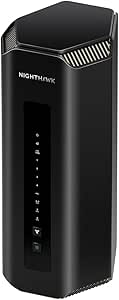 | Best Premium Router for Large Homes | WiFi standard: WiFi 7 | Bands: Tri-band | Maximum stated WiFi speed: Up to 19 Gbps | VIEW LATEST PRICE | See Our Full Breakdown |
| NETGEAR Nighthawk CAX30 DOCSIS 3.1 Cable Modem & WiFi 6 Router – AX2700, 2.7 Gbps, Compatible with Xfinity, Spectrum, Cox |  | Best Cable Modem-Router Combo | Cable modem technology: DOCSIS 3.1 | WiFi standard: WiFi 6 (802.11ax) | Maximum speed: 2.7 Gbps | VIEW LATEST PRICE | See Our Full Breakdown |
| TP-Link Tri-Band WiFi 7 Router (Archer BE550) |  | Best for Multi-Gig Wired Connections | WiFi model: BE9300 | WiFi generation: WiFi 7 | Bands: Tri-band: 2.4 GHz, 5 GHz, and 6 GHz | VIEW LATEST PRICE | See Our Full Breakdown |
| NETGEAR Nighthawk WiFi 7 Router, Up to 2,500 sq ft, 9.3 Gbps | 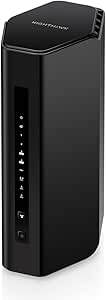 | Best Mid-Size Home WiFi 7 Router | WiFi generation: WiFi 7 | Bands: Tri-band: 2.4 GHz, 5 GHz, and 6 GHz | Maximum stated speed: Up to 9.3 Gbps | VIEW LATEST PRICE | See Our Full Breakdown |
| TP-Link Dual-Band AX3000 Wi-Fi 6 Wireless Gigabit Internet Router for Home | 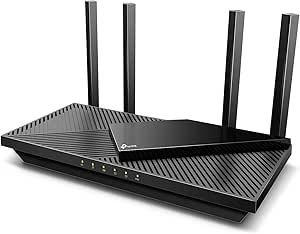 | Best Value Wi-Fi 6 Router | Wi-Fi generation: Wi-Fi 6 | Bands: Dual-band: 2.4 GHz and 5 GHz | Combined Wi-Fi speed: Up to 2,976 Mbps | VIEW LATEST PRICE | See Our Full Breakdown |
| eero 6 Mesh WiFi Router – Supports Internet Plans Up to 900 Mbps, Coverage up to 1,500 sq. ft., Connects 75+ Devices, 1-Pack |  | Best for Beginners | Wi-Fi standard: Wi-Fi 6 (802.11ax) | Bands: Dual-band concurrent 2:2 | Maximum internet speed: Up to 900 Mbps | VIEW LATEST PRICE | See Our Full Breakdown |
| NETGEAR Nighthawk WiFi 7 Router RS90, Up to 2,000 sq ft, 3.6 Gbps |  | Best for Wi-Fi 7 on a Mid-Size Home Network | Wi-Fi generation: Wi-Fi 7 | Bands: Dual-band | Maximum speed: Up to 3.6 Gbps | VIEW LATEST PRICE | See Our Full Breakdown |
| TP-Link BE6500 Dual-Band WiFi 7 Router (BE400) |  | Best for High Device Counts | Wi-Fi technology: Wi-Fi 7 | Bands: Dual-band | Maximum 5 GHz speed: Up to 5,764 Mbps | VIEW LATEST PRICE | See Our Full Breakdown |
| TP-Link AXE5400 Tri-Band WiFi 6E Router (Archer AXE75) |  | Best Tri-Band Wi-Fi 6E Router | Wi-Fi generation: Wi-Fi 6E | Bands: Tri-band: 2.4 GHz, 5 GHz, 6 GHz | Maximum combined speed: 5,400 Mbps | VIEW LATEST PRICE | See Our Full Breakdown |
| TP-Link Dual-Band Wi-Fi 7 Router, Archer BE230 |  | Best Value Wi-Fi 7 Router | Wi-Fi standard: Wi-Fi 7 (802.11be) | Frequency bands: Dual-band | Data transfer rate: Up to 3.6 Gbps | VIEW LATEST PRICE | See Our Full Breakdown |
| NETGEAR Nighthawk WiFi 7 Router RS140, Up to 2,250 sq ft, 5 Gbps |  | Best for Large Homes on a Standalone Router | Wi-Fi generation: Wi-Fi 7 | Frequency bands: Dual-band | Maximum speed: Up to 5 Gbps | VIEW LATEST PRICE | See Our Full Breakdown |
| TP-Link AX1800 WiFi 6 Router (Archer AX21 V5) |  | Best Budget-Friendly Wi-Fi 6 Pick | Wi-Fi standard: Wi-Fi 6 (802.11ax) | Frequency bands: Dual-band | Total bandwidth: Up to 1.8 Gbps | VIEW LATEST PRICE | See Our Full Breakdown |
| TP-Link Deco X55 AX3000 WiFi 6 Mesh System (3-Pack) |  | Best for Whole-Home Coverage | Wi-Fi standard: Wi-Fi 6 (802.11ax) | Units: 3 | Coverage: Up to 6,500 sq. ft. | VIEW LATEST PRICE | See Our Full Breakdown |
| NETGEAR Nighthawk WiFi 6 Router R6700AX, Up to 1,500 sq ft, 1.8 Gbps |  | Best for Small Homes and Apartments | Wi-Fi standard: Wi-Fi 6 (802.11ax) | Frequency bands: Dual-band, 2.4 GHz and 5 GHz | Maximum speed: Up to 1.8 Gbps | VIEW LATEST PRICE | See Our Full Breakdown |
| WiFi router | Security | Ethernet ports | Bands | Coverage |
|---|---|---|---|---|
| InHand Networks CR602 5G Cellu | WPA2-PSK and WPA3 | 4 | — | — |
| NETGEAR Nighthawk WiFi 7 Route | WPA3; NETGEAR Armor | — | Tri-band | Up to 3,500 sq ft |
| NETGEAR Nighthawk CAX30 DOCSIS | WPA3, firewall, and DoS protection | 4 Gigabit Ethernet | — | Up to 2,000 sq ft |
| TP-Link Tri-Band WiFi 7 Router | WPA3, WPA2, and WPA | — | Tri-band: 2.4 GHz, 5 GHz, and 6 GHz | Up to 2,000 sq ft |
| NETGEAR Nighthawk WiFi 7 Route | NETGEAR Armor, with a 30-day free trial | — | Tri-band: 2.4 GHz, 5 GHz, and 6 GHz | Up to 2,500 sq ft |
| TP-Link Dual-Band AX3000 Wi-Fi | WPA2-Enterprise, WPA2-PSK, WPA3 | — | Dual-band: 2.4 GHz and 5 GHz | — |
| eero 6 Mesh WiFi Router | — | 2 gigabit ports | Dual-band concurrent 2:2 | — |
| NETGEAR Nighthawk WiFi 7 Route | — | 4 | Dual-band | — |
| TP-Link BE6500 Dual-Band WiFi | WPA3 encryption, HomeShield | — | Dual-band | — |
| TP-Link AXE5400 Tri-Band WiFi | — | — | Tri-band: 2.4 GHz, 5 GHz, 6 GHz | — |
| TP-Link Dual-Band Wi-Fi 7 Rout | WPA/WPA2/WPA3 | — | — | Up to 2,000 sq. ft. |
| NETGEAR Nighthawk WiFi 7 Route | WPA3 | 3 Gigabit LAN ports and 1 2.5 Gigabit WAN port | — | Up to 2,250 sq. ft. |
| TP-Link AX1800 WiFi 6 Router | — | 5 | — | — |
| TP-Link Deco X55 AX3000 WiFi 6 | WPA3, WPA2, WPA | 3 per unit | — | Up to 6,500 sq. ft. |
| NETGEAR Nighthawk WiFi 6 Route | WPA3 | 4 | — | Up to 1,500 sq. ft. |
More Details on Our Top Picks
InHand Networks CR602 5G Cellular Router with WiFi 7 and 10000mAh Battery
The CR602 earns a distinct place among these routers because it can connect through 5G cellular service, rather than relying on a cable or fiber modem. Dual SIM, eSIM, and quick failover can help keep a connection available on the move or when a primary carrier drops out; its 10,000mAh battery also lets it work away from a power outlet. It supports WiFi 7 and up to 32 devices, though its listed maximum rate is below the wired-home focus of the NETGEAR Nighthawk RS700S. Four Ethernet ports add flexibility for wired devices, but carrier setup can take extra work: some users may need to enter APN settings, and the eSIM requires Verizon activation. Choose it for mobile connectivity, not as a like-for-like replacement for a fixed broadband router.
Pros:- 5G connectivity with dual SIM and eSIM options for carrier flexibility and failover.
- 10,000mAh battery supports use away from a wall outlet.
- WiFi 7 and support for up to 32 connected devices.
- Four Ethernet ports for wired equipment.
Cons:- Mobile data performance and availability depend on carrier coverage and plan.
- Some carriers may require manual APN setup, and eSIM activation is tied to Verizon.
- Its listed 3,000 Mbps maximum rate is lower than the headline WiFi rates of the RS700S and Archer BE550.
Best for: Remote workers, travelers, and small teams who need a battery-powered 5G connection with WiFi and wired device support.
Not ideal for: Households with dependable cable or fiber service that want the strongest fixed-home WiFi performance without carrier configuration.
- Cellular connectivity:5G
- WiFi standard:WiFi 7 (802.11be)
- Maximum data transfer rate:3,000 Mbps
- Battery capacity:10,000mAh
- SIM options:Dual SIM and eSIM
- Ethernet ports:4
- Supported devices:Up to 32
- Security:WPA2-PSK and WPA3
Our verdict“Pick the CR602 if battery-powered 5G and carrier backup matter more than a conventional home router’s wired broadband performance.”
NETGEAR Nighthawk WiFi 7 Router RS700S, Up to 3,500 sq ft, 19 Gbps
The RS700S is the lineup’s premium choice for homes that need broad coverage and substantial device capacity. Its tri-band WiFi 7 design is rated for up to 19 Gbps, covers up to 3,500 square feet, and supports as many as 200 devices—headroom the smaller-coverage NETGEAR Nighthawk WiFi 7 Router does not claim. A 10 Gig WAN port also gives fast internet plans a more capable wired entry point, alongside four Gigabit LAN ports. That scale brings tradeoffs: the RS700S needs a separate modem or gateway, and its coverage and capacity may be wasted in a compact home. Its advanced feature set can also be less approachable than the app-led Archer BE550. I’d choose it for a large, busy household, not simply because its headline speed is the biggest.
Pros:- Tri-band WiFi 7 with a stated maximum speed of up to 19 Gbps.
- Coverage rated for up to 3,500 square feet.
- Supports up to 200 devices, with MU-MIMO and OFDMA.
- 10 Gig WAN port plus four Gigabit LAN ports.
Cons:- Requires a separate modem or gateway for internet service.
- Its coverage and device capacity may be excessive for smaller homes.
- Advanced settings may take more effort for less technical users.
Best for: Owners of large or multi-story homes with many connected devices, a compatible modem, and a fast internet plan.
Not ideal for: Apartment residents or buyers who want an all-in-one cable modem and router or a simpler setup.
- WiFi standard:WiFi 7
- Bands:Tri-band
- Maximum stated WiFi speed:Up to 19 Gbps
- Coverage:Up to 3,500 sq ft
- Supported devices:Up to 200
- WAN port:1 x 10 Gig
- LAN ports:4 x 1 Gig
- Security:WPA3; NETGEAR Armor
Our verdict“Choose the RS700S for a large, device-heavy home where its coverage and 10 Gig WAN are useful enough to justify a separate modem.”
NETGEAR Nighthawk CAX30 DOCSIS 3.1 Cable Modem & WiFi 6 Router – AX2700, 2.7 Gbps, Compatible with Xfinity, Spectrum, Cox
The CAX30 stands apart by combining a DOCSIS 3.1 cable modem and WiFi 6 router in one unit. For a customer of a supported cable provider, that means one device to set up instead of pairing a modem with a separate router. Its four Gigabit Ethernet ports and coverage rated up to 2,000 square feet suit a typical home with wired equipment and multiple wireless devices. It is a more practical fit for supported cable service than the TP-Link Archer BE550, which is a newer WiFi 7 router but generally needs a separate modem. The compromise is provider lock-in: the CAX30 is listed for Xfinity, Spectrum, and Cox, not fiber or DSL, and ISP activation is required. Its WiFi 6 also lacks the newer wireless generation offered by several picks here.
Pros:- Combines a DOCSIS 3.1 cable modem with a WiFi 6 router.
- Four Gigabit Ethernet ports support multiple wired devices.
- Coverage is rated for up to 2,000 square feet and 25 or more devices.
- Nighthawk app provides setup and network management.
Cons:- Compatibility is limited to supported cable services, including Xfinity, Spectrum, and Cox.
- Requires activation with the internet provider.
- WiFi 6 is an older wireless generation than the WiFi 7 options in this roundup.
Best for: Cable internet customers with Xfinity, Spectrum, or Cox who want a modem and router combined and need several Ethernet connections.
Not ideal for: Fiber, DSL, or satellite customers, and buyers who want WiFi 7 or flexibility to change internet technology.
- Cable modem technology:DOCSIS 3.1
- WiFi standard:WiFi 6 (802.11ax)
- Maximum speed:2.7 Gbps
- Coverage:Up to 2,000 sq ft
- Supported devices:25 or more
- Ethernet ports:4 Gigabit Ethernet
- Listed providers:Xfinity, Spectrum, Cox
- Security:WPA3, firewall, and DoS protection
Our verdict“Choose the CAX30 if you use a supported cable provider and prefer one modem-router unit over the newer WiFi 7 flexibility of a separate router.”
TP-Link Tri-Band WiFi 7 Router (Archer BE550)
The Archer BE550 makes a strong case for buyers who want WiFi 7 without sacrificing wired speed. It has a 2.5G WAN port and four 2.5G LAN ports, giving a home with multi-gig internet or fast local devices more room than the RS700S’s four 1 Gig LAN connections. Tri-band operation, including 6 GHz, and Multi-Link Operation can help compatible devices use newer WiFi 7 capabilities; EasyMesh also provides a path to extend coverage. Its stated coverage is 2,000 square feet, well below the NETGEAR RS700S, so it is less suited to sprawling or multi-story homes. It also needs a modem for most providers, and its advanced features may take some setup. This is a wired-network-focused pick, rather than the broadest-coverage choice.
Pros:- Tri-band WiFi 7 with a dedicated 6 GHz band.
- One 2.5G WAN and four 2.5G LAN ports support fast wired connections.
- EasyMesh compatibility allows coverage expansion with compatible equipment.
- Tether app setup and TP-Link HomeShield security features.
Cons:- Coverage is rated for 2,000 square feet, less than the NETGEAR RS700S.
- Requires a separate modem for most internet providers.
- Advanced networking options may be challenging for beginners.
Best for: Households with multi-gig internet or wired NAS, gaming, and desktop devices that want WiFi 7 and several 2.5G ports.
Not ideal for: People seeking a cable modem-router combo or broad coverage for a large home without adding mesh equipment.
- WiFi model:BE9300
- WiFi generation:WiFi 7
- Bands:Tri-band: 2.4 GHz, 5 GHz, and 6 GHz
- Maximum stated speed:Up to 9.2 Gbps
- Coverage:Up to 2,000 sq ft
- WAN port:1 x 2.5G
- LAN ports:4 x 2.5G
- Security:WPA3, WPA2, and WPA
Our verdict“Pick the Archer BE550 if multiple 2.5G wired connections matter more than the RS700S’s larger claimed coverage area.”
NETGEAR Nighthawk WiFi 7 Router, Up to 2,500 sq ft, 9.3 Gbps
This Nighthawk is a more measured WiFi 7 choice than the RS700S: it claims up to 2,500 square feet of coverage and 9.3 Gbps, rather than the RS700S’s much larger coverage and speed figures. For a busy mid-size home, that can mean access to tri-band WiFi 7 without buying a router sized for a much larger property. Its port mix is practical too, with a 2.5 Gig WAN, two 2.5 Gig LAN ports, and two 1 Gig LAN ports. The Nighthawk app is intended to simplify setup, while support for up to 100 devices suits a connected household. As with the Archer BE550, this is a router rather than a modem-router combo. Actual wireless speeds and coverage vary with the internet plan, devices, walls, and interference; full Armor security also requires a subscription after its trial.
Pros:- Tri-band WiFi 7 with a stated maximum speed of up to 9.3 Gbps.
- Coverage rated for up to 2,500 square feet and support for up to 100 devices.
- 2.5 Gig WAN and two 2.5 Gig LAN ports support multi-gig connections.
- Nighthawk app offers setup and network management.
Cons:- Requires a separate modem or gateway for internet service.
- Real-world speed and coverage depend on devices, plan, walls, and interference.
- NETGEAR Armor requires a subscription after the 30-day trial.
Best for: Households in a mid-size home that want tri-band WiFi 7, several multi-gig wired ports, and app-based management.
Not ideal for: Buyers who need a built-in cable modem, a substantially larger stated coverage area, or security features without a later subscription.
- WiFi generation:WiFi 7
- Bands:Tri-band: 2.4 GHz, 5 GHz, and 6 GHz
- Maximum stated speed:Up to 9.3 Gbps
- Coverage:Up to 2,500 sq ft
- Supported devices:Up to 100
- WAN port:1 x 2.5 Gig
- LAN ports:2 x 2.5 Gig and 2 x 1 Gig
- Security:NETGEAR Armor, with a 30-day free trial
Our verdict“Choose this Nighthawk for a mid-size, device-heavy home that wants WiFi 7 and multi-gig ports without the RS700S’s larger coverage footprint.”
TP-Link Dual-Band AX3000 Wi-Fi 6 Wireless Gigabit Internet Router for Home
This TP-Link is a practical step up for households that want Wi-Fi 6 capacity without moving to a newer Wi-Fi 7 model. Its four high-gain antennas and Beamforming help direct coverage toward connected devices, while OFDMA and MU-MIMO are designed to share airtime more efficiently when several devices are active. Compared with the eero 6, it offers a more conventional router setup and lists a wider range of wired and wireless connectivity, but the eero is the simpler choice for app-led setup and mesh expansion. The tradeoff is that this TP-Link needs a separate modem for most internet plans, and its feature set may take more effort to configure if you are new to router settings. I’d choose it for a capable, straightforward Wi-Fi 6 network rather than for cutting-edge speed.
Pros:- Wi-Fi 6 with OFDMA and MU-MIMO supports more efficient sharing across connected devices.
- Four high-gain antennas and Beamforming are designed to improve signal reach and direction.
- Supports WPA3 alongside WPA2 security options.
- Alexa compatibility and app control add convenient management options.
Cons:- Requires a separate modem for most internet service providers.
- Setup and advanced configuration may be less approachable for router beginners.
- Dual-band Wi-Fi 6 lacks the newer Wi-Fi 7 features found on the Nighthawk RS90.
Best for: Households seeking a conventional Wi-Fi 6 router for multiple phones, TVs, consoles, and smart-home devices, with room to manage settings themselves.
Not ideal for: Buyers who want a modem included, the simplest possible setup, or Wi-Fi 7 features for newer devices.
- Wi-Fi generation:Wi-Fi 6
- Bands:Dual-band: 2.4 GHz and 5 GHz
- Combined Wi-Fi speed:Up to 2,976 Mbps
- Maximum 5 GHz data rate:2,402 Mbps
- Antennas:4 high-gain antennas
- Ports:5
- Memory:512 MB RAM
- Security:WPA2-Enterprise, WPA2-PSK, WPA3
Our verdict“Choose this TP-Link for a capable, multi-device Wi-Fi 6 network without paying for Wi-Fi 7 features you may not need.”
eero 6 Mesh WiFi Router – Supports Internet Plans Up to 900 Mbps, Coverage up to 1,500 sq. ft., Connects 75+ Devices, 1-Pack
The eero 6 suits buyers who value simple setup and easy expansion more than detailed router controls. The single unit is rated to cover up to 1,500 square feet and support more than 75 devices, making it a tidy starting point for an apartment or modest home. Its built-in Zigbee hub can also connect compatible smart-home devices without a separate hub. Compared with the TP-Link AX3000, eero puts more emphasis on a managed, app-based experience and adding mesh units; the TP-Link gives buyers a more traditional router option. That convenience comes with limits: this is a one-pack, so larger or awkwardly laid-out homes may need another unit, and its listed internet-speed ceiling is lower than the Wi-Fi 7 picks such as the NETGEAR Nighthawk RS90. I’d favor it when easy management matters more than maximum throughput.
Pros:- App-focused setup and management suit buyers who prefer minimal manual configuration.
- Mesh-compatible design allows coverage to grow by adding eero units.
- Built-in Zigbee hub supports compatible smart-home devices.
- Rated for up to 75 or more connected devices.
Cons:- The one-pack may not cover larger homes or layouts with difficult signal paths.
- Its stated maximum internet speed is 900 Mbps, below the newer Wi-Fi 7 options in this roundup.
- Performance can vary with building materials, placement, and wireless interference.
Best for: First-time router buyers in apartments or smaller homes who want app-guided setup, room to expand coverage, and a built-in Zigbee hub.
Not ideal for: Owners of large or multi-story homes who need broad coverage from one device, or households seeking multi-gig or Wi-Fi 7 performance.
- Wi-Fi standard:Wi-Fi 6 (802.11ax)
- Bands:Dual-band concurrent 2:2
- Maximum internet speed:Up to 900 Mbps
- Device capacity:75+ devices
- Ethernet ports:2 gigabit ports
- Processor:1.2 GHz quad-core
- Smart-home hub:Built-in Zigbee
Our verdict“Pick the eero 6 if straightforward app management and mesh expansion matter more to you than advanced controls or higher speed ceilings.”
NETGEAR Nighthawk WiFi 7 Router RS90, Up to 2,000 sq ft, 3.6 Gbps
The Nighthawk RS90 brings Wi-Fi 7 and a 2.5-gig WAN port to buyers who want a newer wireless standard without choosing a larger, higher-speed flagship. It is rated for up to 2,000 square feet and 50 devices, a useful fit for households balancing streaming, gaming, and connected-home traffic. Compared with the TP-Link BE6500, the RS90 has a lower stated speed ceiling and device capacity, while the BE6500 claims broader coverage and support for more devices. The RS90 counters with a clear, more moderate target for a busy home rather than a maximum-capacity setup. It still needs a separate modem, and buyers should check whether their gateway requires bridge mode. NETGEAR’s security features also require a subscription after the free trial, so ongoing security costs and setup steps belong in the decision.
Pros:- Wi-Fi 7 support gives compatible devices access to newer wireless capabilities.
- A 2.5-gig WAN port supports faster-than-gigabit internet service.
- Rated to cover up to 2,000 square feet and connect up to 50 devices.
- Four Ethernet ports provide wired connection options for stationary devices.
Cons:- Requires a separate modem or gateway for internet service.
- Some provider gateways may need bridge-mode configuration.
- Security features require a subscription after the free trial.
Best for: Households upgrading to Wi-Fi 7 with a compatible multi-gig internet plan, moderate-to-large coverage needs, and up to 50 connected devices.
Not ideal for: Buyers who want a modem-router combination, subscription-free security features, or maximum coverage and device capacity from this lineup.
- Wi-Fi generation:Wi-Fi 7
- Bands:Dual-band
- Maximum speed:Up to 3.6 Gbps
- Maximum device count:50
- Ethernet ports:4
- WAN port:2.5 Gig
- Security protocols:WPA2, WPA3
Our verdict“Choose the RS90 for a Wi-Fi 7 upgrade with multi-gig WAN support when the TP-Link BE6500’s higher capacity is more than your home needs.”
TP-Link BE6500 Dual-Band WiFi 7 Router (BE400)
The TP-Link BE6500 is the capacity pick here: it pairs Wi-Fi 7 with support for up to 90 devices and a stated coverage area of up to 2,400 square feet. That makes it a stronger fit than the Nighthawk RS90 for households with many phones, computers, cameras, and smart-home devices, at least on the listed capacity and coverage figures. Multi-Link Operation, MU-MIMO, and OFDMA are intended to manage traffic more effectively, while two 2.5 Gbps ports give multi-gig service and wired equipment more headroom than a basic gigabit setup. It remains a dual-band router, unlike the tri-band TP-Link Archer AXE75, and it is not compatible with TP-Link Deco mesh systems. Buyers needing mesh expansion should check compatibility before choosing it; a separate modem is also required.
Pros:- Wi-Fi 7 features include Multi-Link Operation, MU-MIMO, and OFDMA.
- Rated coverage of up to 2,400 square feet and support for up to 90 devices.
- Two 2.5 Gbps ports support multi-gig wired connections.
- Tether app management and voice-assistant compatibility add convenient control options.
Cons:- Dual-band design lacks the dedicated third band offered by the TP-Link Archer AXE75.
- Not compatible with TP-Link Deco mesh systems.
- Requires a separate modem for internet service.
Best for: Busy households with many connected devices, Wi-Fi 7 clients, and a need for 2.5 Gbps wired connections in a broad home footprint.
Not ideal for: Buyers who want tri-band Wi-Fi, an included modem, or to expand coverage using a TP-Link Deco mesh system.
- Wi-Fi technology:Wi-Fi 7
- Bands:Dual-band
- Maximum 5 GHz speed:Up to 5,764 Mbps
- Maximum 2.4 GHz speed:Up to 688 Mbps
- Device capacity:Up to 90 devices
- Ports:1x 2.5 Gbps WAN/LAN, 1x 2.5 Gbps LAN, 3x 1 Gbps LAN
- Security:WPA3 encryption, HomeShield
Our verdict“Choose the BE6500 when Wi-Fi 7, broad stated coverage, and a high device limit matter more than tri-band operation or Deco mesh compatibility.”
TP-Link AXE5400 Tri-Band WiFi 6E Router (Archer AXE75)
The Archer AXE75 stands apart by adding a 6 GHz band to its Wi-Fi 6E setup, giving compatible devices a less congested path for responsive gaming, streaming, and other demanding traffic. Its tri-band design is the main reason to choose it over the dual-band TP-Link BE6500: it gives the network another band to distribute connections across, while the BE6500 offers newer Wi-Fi 7 features and a higher stated device limit. That distinction matters most if your devices support 6 GHz; older clients will not gain that band’s benefits. The AXE75 also supports EasyMesh, which gives buyers a route to broader coverage with compatible equipment. Its dual-core processor and Wi-Fi 6E generation make it less future-facing than Wi-Fi 7 picks such as the Nighthawk RS90, and setup may take more effort for less technical owners.
Pros:- Tri-band Wi-Fi 6E adds a 6 GHz band for compatible devices.
- EasyMesh compatibility offers an expansion path with compatible equipment.
- Supports WPA2 and WPA3 security protocols.
- Includes a 2.5 Gbps WAN port for compatible faster internet service.
Cons:- The 6 GHz band benefits only compatible devices.
- Wi-Fi 6E is an older generation than the Wi-Fi 7 TP-Link BE6500 and Nighthawk RS90.
- Setup may be challenging for buyers unfamiliar with router configuration.
Best for: Homes with 6 GHz-capable phones, laptops, or gaming devices that need tri-band traffic management and the option to extend coverage with EasyMesh.
Not ideal for: Buyers whose devices do not support 6 GHz, who want Wi-Fi 7, or who prefer a simpler setup with minimal router configuration.
- Wi-Fi generation:Wi-Fi 6E
- Bands:Tri-band: 2.4 GHz, 5 GHz, 6 GHz
- Maximum combined speed:5,400 Mbps
- Processor:1.0 GHz dual-core
- Memory:512 MB RAM
- Antennas:8
- WAN port speed:2.5 Gbps
- Security protocols:WPA2, WPA3
Our verdict“Choose the Archer AXE75 if your priority is a dedicated 6 GHz band for compatible devices, rather than the newer Wi-Fi 7 features in the BE6500.”
TP-Link Dual-Band Wi-Fi 7 Router, Archer BE230
The Archer BE230 brings Wi-Fi 7 features, including Multi-Link Operation and 4K-QAM, to a dual-band router with a stated combined rate of up to 3.6 Gbps. It makes more sense for buyers seeking a newer wireless standard and several wired connections than the Wi-Fi 6 Archer AX21, which trades Wi-Fi 7 for a lower stated speed. Five ports also give wired devices room to connect without relying entirely on Wi-Fi.
The main compromise is its lack of a 6 GHz band: Wi-Fi 7 does not automatically mean access to every newer band or the least-congested wireless spectrum. Its coverage is rated for up to 2,000 square feet, but walls and layout can reduce real-world reach. Like the other standalone routers here, it needs a separate modem for internet service.
Pros:- Wi-Fi 7 features include Multi-Link Operation and 4K-QAM.
- Stated data transfer rate reaches up to 3.6 Gbps.
- Five ports provide multiple wired connection options.
- Tether app support simplifies setup and management.
Cons:- No 6 GHz band, limiting access to that additional spectrum.
- Requires a separate modem for internet service.
- Fixed antennas and obstacles can limit coverage in some home layouts.
Best for: Households that want Wi-Fi 7 features, several wired connections, and a dual-band router without stepping up to a tri-band model.
Not ideal for: Buyers who need 6 GHz Wi-Fi or coverage across a large, multi-level home; consider a tri-band model or the Deco X55 mesh system instead.
- Wi-Fi standard:Wi-Fi 7 (802.11be)
- Frequency bands:Dual-band
- Data transfer rate:Up to 3.6 Gbps
- Coverage:Up to 2,000 sq. ft.
- Ports:5
- Processor:Quad-core
- Security:WPA/WPA2/WPA3
Our verdict“Choose the Archer BE230 if you want a dual-band Wi-Fi 7 router with multiple ports, but skip it if 6 GHz support is a requirement.”
NETGEAR Nighthawk WiFi 7 Router RS140, Up to 2,250 sq ft, 5 Gbps
The Nighthawk RS140 pairs Wi-Fi 7 with a stated maximum speed of 5 Gbps and coverage rated for 2,250 square feet. That makes it a stronger fit for a larger household wanting one standalone router than the Archer AX21, whose Wi-Fi 6 speeds and coverage positioning are more modest. Support for up to 80 devices also suits homes with a mix of phones, computers, streaming devices, and smart-home gear.
Its dual-band design is a meaningful limit beside tri-band Wi-Fi 7 alternatives: it does not offer a 6 GHz band. The port layout is straightforward rather than expansive, with three Gigabit Ethernet LAN ports and a 2.5 Gigabit WAN port. It also needs a separate modem or gateway, and some security features may require a NETGEAR Armor subscription.
Pros:- Wi-Fi 7 supports a stated maximum speed of up to 5 Gbps.
- Coverage is rated for up to 2,250 square feet.
- Supports up to 80 connected devices.
- Includes a 2.5 Gigabit WAN port and Nighthawk app management.
Cons:- Dual-band design does not include a 6 GHz band.
- Only three Gigabit Ethernet LAN ports are listed.
- Requires a separate modem or gateway, and some security features may require a subscription.
Best for: Households with many connected devices and a larger home that want Wi-Fi 7 from a single router rather than a mesh kit.
Not ideal for: Buyers who need 6 GHz Wi-Fi, several wired LAN connections, or a router with a built-in modem.
- Wi-Fi generation:Wi-Fi 7
- Frequency bands:Dual-band
- Maximum speed:Up to 5 Gbps
- Coverage:Up to 2,250 sq. ft.
- Supported devices:Up to 80
- Ethernet ports:3 Gigabit LAN ports and 1 2.5 Gigabit WAN port
- Security:WPA3
- Processor:Quad-core, 2.0 GHz
Our verdict“Pick the RS140 for Wi-Fi 7 and broad stated coverage in a single-router setup, but look elsewhere if you need 6 GHz or more LAN ports.”
TP-Link AX1800 WiFi 6 Router (Archer AX21 V5)
The Archer AX21 is the straightforward choice for buyers who value Wi-Fi 6 basics over the newer wireless features in the Archer BE230. Its dual-band rating reaches 1.8 Gbps total, with OFDMA helping the router manage traffic from multiple devices. Four antennas and beamforming are intended to direct the signal toward connected devices, while five Ethernet ports give wired PCs, consoles, or televisions a place to connect.
This is a more modest fit for a home that needs the latest Wi-Fi generation or expects especially high wireless throughput. It has no 6 GHz band, and the supplied details do not give a square-foot coverage figure, so buyers with a large or hard-to-cover layout may prefer the Deco X55 three-unit mesh system. A separate modem is needed for most internet providers, and setup may take more networking know-how than an app-led option.
Pros:- Wi-Fi 6 dual-band speeds are rated at up to 1.8 Gbps total.
- OFDMA helps serve multiple connected devices.
- Four antennas and beamforming support targeted wireless coverage.
- Five Ethernet ports and VPN support add wired and network options.
Cons:- No Wi-Fi 7 or 6 GHz band.
- No specific coverage area is provided in the product data.
- Requires a separate modem for most internet providers, and setup may require technical knowledge.
Best for: Households seeking a basic Wi-Fi 6 router for everyday streaming, gaming, and several connected devices, with wired ports available.
Not ideal for: Buyers seeking Wi-Fi 7, a stated large-home coverage figure, or a mesh system for dead zones.
- Wi-Fi standard:Wi-Fi 6 (802.11ax)
- Frequency bands:Dual-band
- Total bandwidth:Up to 1.8 Gbps
- 5 GHz bandwidth:Up to 1,200 Mbps
- 2.4 GHz bandwidth:Up to 574 Mbps
- Antennas:4
- Ethernet ports:5
- Additional features:OFDMA, beamforming, VPN support, parental controls
Our verdict“Choose the Archer AX21 for a no-frills Wi-Fi 6 network with multiple Ethernet ports, not for the newest standards or whole-home mesh coverage.”
TP-Link Deco X55 AX3000 WiFi 6 Mesh System (3-Pack)
Unlike the single-router picks in this roundup, the Deco X55 is a three-unit Wi-Fi 6 mesh system built to spread coverage across a larger home. Its stated reach of up to 6,500 square feet and support for up to 150 devices make it a more suitable answer to far-flung rooms and dead zones than the standalone Nighthawk RS140. Each unit has three Ethernet ports, which gives buyers more flexibility to wire nearby devices or connect parts of the network.
The tradeoff is that this kit is about distributing coverage, not adopting the newest Wi-Fi generation: it is dual-band Wi-Fi 6, not Wi-Fi 7, and it does not include a 6 GHz band. Three units also take more setup and placement than a single router, though the Deco app handles management. It requires a modem for most providers, and HomeShield features may depend on the service plan.
Pros:- Three mesh units are rated to cover up to 6,500 square feet.
- Supports up to 150 connected devices.
- Three Ethernet ports on each unit offer flexible wired connections.
- Deco app provides setup and network management.
Cons:- Wi-Fi 6 rather than Wi-Fi 7, with no 6 GHz band.
- Three units require more setup and placement than a standalone router.
- Requires a modem for most providers; some HomeShield features may depend on the service plan.
Best for: Families in large or multi-level homes who need broader Wi-Fi coverage and capacity for many devices across several rooms.
Not ideal for: Small-home buyers who want a single compact router, or Wi-Fi 7 seekers who prioritize the newest wireless standard over distributed coverage.
- Wi-Fi standard:Wi-Fi 6 (802.11ax)
- Units:3
- Coverage:Up to 6,500 sq. ft.
- Maximum devices:Up to 150
- Data transfer rate:Up to 3,000 Mbps
- Frequency bands:Dual-band, 2.4 GHz and 5 GHz
- Ethernet ports:3 per unit
- Security:WPA3, WPA2, WPA
Our verdict“Choose the Deco X55 when spreading Wi-Fi across a large home matters more than getting Wi-Fi 7 in a single router.”
NETGEAR Nighthawk WiFi 6 Router R6700AX, Up to 1,500 sq ft, 1.8 Gbps
The Nighthawk R6700AX is a compact-use case pick for apartments and smaller homes: its stated coverage is up to 1,500 square feet, and its 1.8 Gbps Wi-Fi 6 rating suits everyday streaming, gaming, and connected devices. Compared with the Archer AX21, it offers a similarly positioned Wi-Fi 6 speed class but a clearly specified coverage area and Nighthawk app management. Four Ethernet ports also help keep a desktop, console, or other nearby device off the wireless network.
Its stated support for up to 20 devices is more limited than the 80-device capacity listed for the Nighthawk RS140, so busy homes have a reason to step up. Internal antennas and the 1,500-square-foot coverage rating also make it a weaker match for sprawling or multi-story layouts. It requires a separate modem or gateway, and some security features may require a NETGEAR Armor subscription.
Pros:- Wi-Fi 6 dual-band performance is rated at up to 1.8 Gbps.
- Coverage is specified for up to 1,500 square feet.
- Four Ethernet ports support wired devices.
- Can be managed through the Nighthawk app or a web browser.
Cons:- Rated for up to 20 devices, below the RS140’s listed capacity.
- Coverage may not suit larger or multi-story homes.
- Requires a separate modem or gateway, and some security features may require a subscription.
Best for: Apartment dwellers and small-home residents with a moderate number of devices who want Wi-Fi 6 and simple app or browser management.
Not ideal for: Large households, multi-story homes, or anyone needing a high device capacity, Wi-Fi 7, or a router with a built-in modem.
- Wi-Fi standard:Wi-Fi 6 (802.11ax)
- Frequency bands:Dual-band, 2.4 GHz and 5 GHz
- Maximum speed:Up to 1.8 Gbps
- Coverage:Up to 1,500 sq. ft.
- Supported devices:Up to 20
- Ethernet ports:4
- WAN port:1 Gigabit
- Security:WPA3
Our verdict“Pick the R6700AX for a modest-size home that needs Wi-Fi 6 and app management, but choose the RS140 or a mesh kit for more devices or broader coverage.”

How We Picked
I ranked these routers by how well their design fits a clear buyer need, rather than treating headline speed claims as a direct measure of real-world performance. I weighed WiFi generation and band configuration alongside stated coverage, device capacity where provided, mesh options, modem integration, portability, and the likely complexity of setup. I also looked at whether a router’s strengths match the equipment and internet service a buyer is likely to have.
The Archer BE550 earns the top position for its tri-band WiFi 7 feature set and broad home use, while the RS700S ranks as the stronger premium standalone choice for buyers seeking greater stated speed and coverage. The Deco X55 ranks highly for multi-room coverage, not because mesh is best for every home, but because a three-unit system can address dead zones more directly than a single router. Older WiFi 6 and WiFi 6E models remain relevant when their features fit the household; specialized picks such as the cable-modem combo and battery-powered cellular router rank for their specific use cases, not as general-purpose upgrades.
| WiFi router | Bands |
|---|---|
| InHand Networks CR602 5G Cellu | — |
| NETGEAR Nighthawk WiFi 7 Route | Tri-band |
| NETGEAR Nighthawk CAX30 DOCSIS | — |
| TP-Link Tri-Band WiFi 7 Router | Tri-band: 2.4 GHz, 5 GHz, and 6 GHz |
| NETGEAR Nighthawk WiFi 7 Route | Tri-band: 2.4 GHz, 5 GHz, and 6 GHz |
| TP-Link Dual-Band AX3000 Wi-Fi | Dual-band: 2.4 GHz and 5 GHz |
| eero 6 Mesh WiFi Router | Dual-band concurrent 2:2 |
| NETGEAR Nighthawk WiFi 7 Route | Dual-band |
| TP-Link BE6500 Dual-Band WiFi | Dual-band |
| TP-Link AXE5400 Tri-Band WiFi | Tri-band: 2.4 GHz, 5 GHz, 6 GHz |
| TP-Link Dual-Band Wi-Fi 7 Rout | — |
| NETGEAR Nighthawk WiFi 7 Route | — |
| TP-Link AX1800 WiFi 6 Router | — |
| TP-Link Deco X55 AX3000 WiFi 6 | — |
| NETGEAR Nighthawk WiFi 6 Route | — |
Factors to Consider When Choosing Best WiFi Routers
Before choosing among these routers, I’d match the hardware to the service entering your home and the places where you need a dependable signal. A newer wireless generation can be useful, but it cannot fix a slow internet plan, poor placement, or a device that lacks support for its features.
Match the Router to Your Internet Plan
Start with the speed tier you pay for, then ask whether your current router is actually limiting it. A router with a very high advertised wireless rate may provide little everyday benefit if your internet plan is much slower or most of your devices use older WiFi. Check the router’s wired ports too, since a fast connection can be constrained by a slower Ethernet link. If your provider supplied a modem, confirm whether you can keep using it before buying a modem-router combination. Paying for performance your service cannot deliver may be less useful than improving coverage in the rooms you use. I’d prioritize a reliable fit for your plan over the biggest number on the box.
Choose WiFi Generation and Bands for Your Devices
WiFi 7 is most valuable when you have compatible devices and expect to keep the router through future upgrades. Older phones, laptops, and smart-home gear can still connect to newer routers, but they will not gain every benefit of the newest standard. Tri-band designs add another band for managing wireless traffic, while dual-band models can be a sensible fit for households with lighter simultaneous demand. WiFi 6E adds access to the 6 GHz band for compatible devices, but that signal can be less forgiving through walls than lower-frequency bands. Make a quick inventory of your most-used devices instead of assuming all of them support the router’s headline features. That check can prevent paying for capabilities your household rarely uses.
Decide Between One Router and a Mesh System
A single router is often easier to place, configure, and maintain, making it a good starting point for an apartment or compact home. Mesh systems use multiple units to extend coverage, which can help when walls, floors, or a long layout create weak spots. They also occupy more space and require thoughtful placement; hiding each unit in a cabinet can undermine the point of adding nodes. A common mistake is buying a stronger standalone router when the real problem is distance or a difficult floor plan. If possible, test the current router in a central, open location before deciding that more hardware is needed. For a wired backhaul between mesh units, check that your home has convenient Ethernet connections.
Check Modem, Provider, and Connection Compatibility
A router does not always replace the equipment that connects your home to the internet. Cable customers need a compatible modem, while fiber and some other services use provider-specific equipment that may remain in place. A modem-router combo can simplify the setup, but it also ties both jobs to one device and may be a poor fit if your provider or service type is unsupported. Before purchasing, check your ISP’s approved-device list and confirm whether its gateway can be placed in bridge mode if needed. Also consider whether you want to rent equipment from the provider or manage your own hardware. Compatibility checks can save more trouble than choosing between two similar WiFi speed classes.
Look Beyond Coverage Claims and Speed Labels
Coverage figures are estimates, not a promise that every room will receive the same signal. Building materials, neighboring networks, router placement, and device antennas all affect the result. A router placed centrally and out in the open may outperform a more powerful unit tucked behind a television or inside a cabinet. Think about where video calls, gaming, and streaming happen, and whether those devices can use Ethernet for a steadier connection. For a large home, distributing access points may be more effective than relying on a single router’s maximum stated range. Treat coverage and speed figures as comparison tools, then match them to the shape and construction of your home.
Weigh Setup, Updates, and Special Features
Router ownership continues after setup: firmware updates, security settings, and occasional troubleshooting all affect the experience. App-led systems can make basic installation easier, but they may offer fewer hands-on controls than a traditional router interface. Check whether advanced features or support tools require an account or subscription before committing. If you need internet while traveling or during fixed-line outages, a cellular router with a battery addresses a different problem from a home broadband router and may involve separate cellular service. For a household with simpler needs, fewer features can mean fewer settings to manage. Choose the level of control and maintenance you are willing to handle, not just the feature list.
Frequently Asked Questions
Should I buy a WiFi 7 router if most of my devices are WiFi 6?
You can, but the upgrade may not change much for devices that cannot use WiFi 7 features. A newer router can still serve older devices, and it may make sense if you plan to keep it through future phone or laptop upgrades. If your current WiFi 6 router already covers your home and matches your internet plan, replacing it only for the generation label may be poor value. Consider whether you also need better coverage, more capacity, or different ports. If not, waiting until more of your devices support the newer standard is a reasonable choice.
Is a mesh system better than a powerful single router for a large home?
Mesh is often the better fit when weak signal comes from distance, multiple floors, or walls that block a single router. A powerful standalone model can be simpler and may work well if you can place it centrally, but its signal still has to reach every room from one location. Mesh units spread the connection across the home, though their performance depends on node placement and how they communicate. If you can connect mesh units by Ethernet, that can help avoid using wireless capacity for their link. Choose mesh for coverage layout, not just because a home has a large square-footage figure.
Can a cable modem-router replace the equipment from my internet provider?
Sometimes, but only if the modem supports your provider and service plan. The NETGEAR CAX30 is designed for compatible cable providers, so it is not a fit for fiber service or every cable account. Check your ISP’s current compatibility list and ask whether you need to return a rented modem or change an account setting. If you already own a working modem, a separate router may be a more flexible upgrade. A combo can reduce boxes and cables, but replacing both functions at once can make troubleshooting less modular.
Will a router with a higher advertised speed make my internet plan faster?
No router can raise the speed supplied by your internet plan. Its wireless capabilities affect how well devices connect to the router, especially when several devices share the network, but your broadband service remains the limit for internet downloads. Local transfers between devices can benefit from faster WiFi even when the internet plan is slower. Check the Ethernet port speeds and device compatibility as well as the wireless headline figure. If your main complaint is weak signal in one room, better placement or mesh coverage may matter more than a faster router rating.
Does the InHand CR602 make sense as my main home router?
It can suit a home that relies on 5G cellular internet, needs a portable connection, or wants a battery-powered option for use away from a fixed broadband connection. It is a different proposition from the other home routers here, many of which are designed to connect to an existing cable or fiber modem. Before choosing it as your primary connection, check cellular coverage at your address, the data terms of your plan, and whether its WiFi coverage suits the space. For stable fixed-line broadband, a conventional router is usually the more direct match. Its portability is valuable only if mobility or cellular access solves a real need.
Conclusion
For most households seeking a current, flexible home router, I’d start with the TP-Link Archer BE550 as my best overall pick, particularly if tri-band WiFi 7 fits your devices and plans. The TP-Link Archer AX21 V5 is my best value-style choice for buyers who want straightforward WiFi 6 rather than paying for newer features they may not use. For premium standalone performance and greater stated coverage, the NETGEAR Nighthawk RS700S is the stronger fit; beginners who prefer an app-led setup can look to the eero 6. For specific needs, I’d choose the Deco X55 three-pack to extend coverage across a larger home, the CAX30 for compatible cable service in one box, or the InHand CR602 for portable 5G connectivity. Match the pick to your home layout, service, and devices rather than buying on speed claims alone.
Columbus Day / Indigenous Peoples' Day Picks
long weekend sales
As an affiliate, we earn on qualifying purchases.