When searching for best reliable smart TVs, longevity and consistent performance matter more than flashy gimmicks. The LG 48-inch OLED evo C6 4K Smart TV stands out as the top choice for its proven panel durability and responsive webOS platform. For budget-conscious buyers, the Roku Select Series 65-Inch 4K QLED offers exceptional software stability without the premium price tag. The main tradeoff in this category involves balancing panel technology longevity against smart interface complexity. Continue reading to see how these fifteen models stack up against each other in real-world reliability metrics.

Get the latest gadgets delivered free with Prime
- Fast, free delivery on millions of items
- Prime Video, Amazon Music and more included
- Member-only deals all year
Complete the kit



Key Takeaways
- OLED panels from LG demonstrate superior resistance to image retention compared to older generations, making them safer for long-term news or gaming use.
- Roku TV platforms consistently update faster than manufacturer-specific interfaces, reducing the risk of app incompatibility over time.
- Mini-LED backlighting in mid-range models like the TCL QM6K offers a reliable middle ground between OLED contrast and LED brightness without burn-in risks.
- Entry-level LED models often suffer from slower processor performance over years, leading to interface lag that premium models avoid.
- Fire TV integration in budget models like the Insignia F50 provides deep Alexa compatibility but can feel bloated compared to streamlined Roku interfaces.






| reliable smart TV | Screen Size | Resolution | Refresh Rate | Display Technology |
|---|---|---|---|---|
| Insignia 65-Inch F50 Series 4K | 65 inches | 4K UHD (2160p) | 60 Hz | Direct LED |
| Roku Select Series 65-Inch 4K | 65 inches | 4K UHD (2160p) | 60 Hz | 4K QLED |
| LG 48-inch OLED evo C6 4K Smar | 48 inches | 4K UHD | Native 120Hz, VRR up to 165Hz | OLED evo |
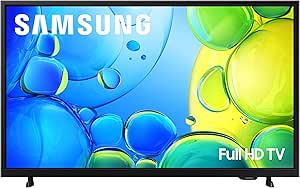
| Samsung 40-Inch F6000 Full HD | 40 inches | 1080p Full HD | 60 Hz | Direct LED |
| Toshiba Z670R 75-Inch Mini-LED | 75 inches | 4K UHD | 144 Hz | Mini-LED QLED |
| Roku 40-Inch Select Series Sma | 40 inches | 1080p Full HD | 60 Hz | — |
| LG 65-Inch QNED evo AI QNED84B | 65 inches | 4K UHD | 144 Hz | Mini LED |
| Panasonic W80 Series 43-inch Q | 43 inches | 4K UHD | 60 Hz | QLED |
| Samsung 65-Inch M70H Series Mi | 65 inches | 4K UHD | 60 Hz (DLG up to 120 Hz) | Mini LED |
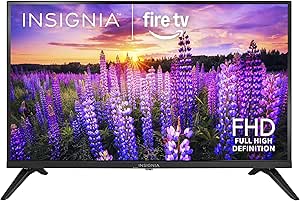
| Insignia 40-Inch F40 Series Fu | 40 inches | 1080p Full HD | 60 Hz | LED |
| TCL 65-Inch QM6K Series QLED M | 65 inches | 4K UHD | 144 Hz native | Mini LED, QLED (QD-Mini LED) |
| Samsung 55-Inch M80H Series Mi | 55 inches | 4K | 144 Hz | Mini-LED |
| LG 65-Inch OLED evo C6 4K Smar | 65 inches | 4K | — | — |
| Insignia 55-Inch QF Series 4K | 55 inches | 4K UHD | 60 Hz | QLED |
| Samsung 50-Inch Class Neo QLED | 50 inches | 4K UHD | 120Hz (up to 165Hz with PC) | Neo QLED (Mini LED) |
More Details on Our Top Picks
Insignia 65-Inch F50 Series 4K UHD LED Smart Fire TV
This model serves as the most accessible gateway into 4K smart TV ownership. While the Roku Select Series offers a more refined user interface and QLED panel, the Insignia F50 delivers essential 4K resolution and HDR10 support at a lower barrier to entry. The integration of Fire TV and Alexa is seamless for users already in the Amazon ecosystem, eliminating the need for a separate streaming stick. However, the 250-nit brightness limit is a significant tradeoff; in brightly lit rooms, colors may appear washed out compared to higher-end options. It is a functional choice for secondary bedrooms or casual viewing, but it lacks the contrast depth found in premium panels.
Pros:- Seamless integration with Amazon Prime Video and Alexa voice control
- Affordable entry into 4K UHD resolution with HDR10 support
- VESA compatible for easy wall mounting
- Includes a user-friendly Alexa Voice Remote
Cons:- Low peak brightness (250 nits) limits HDR impact
- 60Hz refresh rate is not ideal for fast-paced gaming or sports
- Basic LED panel lacks the contrast of QLED or OLED alternatives
Best for: Amazon Prime members seeking an affordable 4K upgrade for a secondary room or guest bedroom.
Not ideal for: Viewers in bright living rooms or sports fans, as the low brightness and 60Hz refresh rate struggle with high-motion content and glare.
- Screen Size:65 inches
- Resolution:4K UHD (2160p)
- Display Technology:Direct LED
- HDR Format:HDR10
- Refresh Rate:60 Hz
- Smart Platform:Fire TV OS
- HDMI Ports:3
Our verdict“The Insignia F50 is a reliable, no-frills 4K option for budget-conscious buyers who prioritize ecosystem integration over picture fidelity.”
Roku Select Series 65-Inch 4K QLED Smart TV (2026)
Roku’s strength has always been its interface, and the Select Series continues this tradition with a clutter-free, intuitive home screen. Compared to the LG OLED evo C6, which offers vastly superior picture quality, the Roku Select focuses on usability and value. The QLED panel provides better color volume than standard LED sets like the Insignia F50, making images pop more vividly. Voice control is robust, supporting Siri, Alexa, and Google Assistant, which is a rare flexibility in this price bracket. However, the 60Hz refresh rate and lack of motion smoothing mean fast action can still look blurry. It is the best choice for those who find smart TV menus confusing and want a hassle-free streaming experience.
Pros:- Intuitive Roku OS interface with universal voice control support
- QLED panel delivers vibrant colors compared to standard LED TVs
- Includes Bluetooth headphone mode for private listening
- Supports Apple AirPlay 2 for easy device mirroring
Cons:- 60Hz refresh rate limits smoothness for gaming and sports
- No motion enhancement technology for reducing judder
- Brightness capped at 250 nits, limiting HDR brightness
Best for: Streamers who prioritize a simple, ad-light interface and broad voice assistant compatibility over high-end picture processing.
Not ideal for: Gamers or cinephiles, as the 60Hz panel and lack of advanced motion handling cannot compete with gaming-focused or OLED models.
- Screen Size:65 inches
- Resolution:4K UHD (2160p)
- Display Technology:4K QLED
- HDR Formats:HDR10, HDR10+, HLG
- Refresh Rate:60 Hz
- Smart Platform:Roku OS
- HDMI Ports:4
Our verdict“The Roku Select Series is the definitive choice for viewers who value a seamless, frustration-free smart TV interface above all else.”
LG 48-inch OLED evo C6 4K Smart TV (2026)
The LG OLED evo C6 represents the pinnacle of visual fidelity in this lineup. Unlike the Toshiba Z670R, which relies on Mini-LED backlighting, the C6 uses self-lit pixels to achieve perfect blacks and infinite contrast. This results in a cinematic depth that LED and QLED panels simply cannot replicate, particularly in dark-room viewing. The inclusion of Dolby Vision IQ and Dolby Atmos ensures that both picture and sound are optimized dynamically. For gamers, the 0.1ms response time and 165Hz VRR support make it a monster for competitive play. The tradeoff is size; at 48 inches, it may feel small for a large living room, and the premium price point demands serious commitment.
Pros:- Self-lit OLED pixels provide perfect blacks and infinite contrast
- Ultra-fast 0.1ms response time and 165Hz VRR for gaming
- Advanced AI processor optimizes picture and sound in real-time
- Supports Dolby Vision IQ and Dolby Atmos for immersive media
Cons:- 48-inch screen size may be too small for large living rooms
- Premium pricing places it outside the budget segment
- Requires an internet connection and LG account for full smart features
Best for: Home theater enthusiasts and competitive gamers who demand the absolute best contrast, color accuracy, and motion handling.
Not ideal for: Budget buyers or those needing a large screen for a spacious room, as the 48-inch size and premium cost may not fit their needs.
- Screen Size:48 inches
- Resolution:4K UHD
- Display Technology:OLED evo
- Refresh Rate:Native 120Hz, VRR up to 165Hz
- HDR Formats:Dolby Vision
- Smart Platform:webOS 26
- HDMI Ports:4x HDMI 2.1
Our verdict“The LG C6 is the uncompromising choice for viewers who refuse to settle for anything less than perfect black levels and elite gaming performance.”
Samsung 40-Inch F6000 Full HD Smart TV (2025)
For spaces where 4K is overkill, the Samsung F6000 offers a sharp 1080p Full HD picture in a compact 40-inch frame. Compared to the Insignia 40-Inch F40, the Samsung benefits from the Tizen platform, which is generally faster and more feature-rich than Fire TV on budget models. The Object Tracking Sound Lite creates a convincing virtual surround effect without external speakers, a nice bonus for small rooms. However, the resolution is a hard limit; if you sit closer than 6 feet, the lack of 4K clarity will be noticeable. It is a solid reliable option for dorm rooms, kitchens, or small offices where screen real estate is limited.
Pros:- Compact 40-inch size fits well in small rooms or offices
- Samsung Tizen OS provides a smooth and extensive app library
- Virtual Object Tracking Sound Lite enhances audio immersion
- Slim, bezel-less design looks modern and unobtrusive
Cons:- 1080p resolution lacks the clarity of 4K alternatives
- 60Hz refresh rate is not suitable for high-end gaming
- Requires a Samsung Account for full smart functionality
Best for: Users with limited space who need a reliable, smart-enabled TV for casual viewing in a bedroom or office.
Not ideal for: Cinephiles or gamers, as the 1080p resolution and 60Hz panel cannot deliver the detail or smoothness of modern 4K displays.
- Screen Size:40 inches
- Resolution:1080p Full HD
- Display Technology:Direct LED
- HDR Format:HDR10+
- Refresh Rate:60 Hz
- Smart Platform:Samsung Tizen
- Audio:20W 2-channel with OTS Lite
Our verdict“The Samsung F6000 is the ideal compact smart TV for those who prioritize platform reliability and space-saving design over resolution.”
Toshiba Z670R 75-Inch Mini-LED 4K QLED Smart Fire TV
The Toshiba Z670R dominates in size, offering a massive 75-inch screen that dwarfs the 65-inch options like the Roku Select Series. Its Mini-LED backlighting with full-array local dimming provides significantly better contrast than standard LED panels, making it a strong contender for home theater setups on a budget. The 144Hz refresh rate and AMD FreeSync Premium support make it a serious gaming display, unlike the 60Hz competitors in this list. The built-in woofer provides decent bass, reducing the immediate need for a soundbar. However, at 63.9 pounds, it is heavy and cumbersome to mount, and the 3-inch depth may protrude noticeably from a wall mount.
Pros:- Massive 75-inch screen size offers immersive viewing
- 144Hz refresh rate with VRR and ALLM for smooth gaming
- Mini-LED with local dimming improves contrast over standard LED
- Built-in bass woofer enhances audio without external speakers
Cons:- Heavy weight (63.9 lbs) complicates wall mounting
- 3-inch depth may not sit flush against walls
- Fire TV interface can feel cluttered compared to Roku or Tizen
Best for: Gamers and movie buffs who want a massive screen size and high refresh rates without paying premium brand prices.
Not ideal for: Those with limited wall space or rental restrictions, as its large footprint and weight make installation and mounting challenging.
- Screen Size:75 inches
- Resolution:4K UHD
- Display Technology:Mini-LED QLED
- Refresh Rate:144 Hz
- HDR Formats:Dolby Vision IQ, HDR10+
- Smart Platform:Fire TV
- Gaming Features:AMD FreeSync Premium, VRR, ALLM
Our verdict“The Toshiba Z670R is the best choice for buyers who want maximum screen size and gaming performance at a competitive price point.”
Roku 40-Inch Select Series Smart TV, 1080p Full HD
This 40-inch model stands out for its uncomplicated user experience, making it a strong contender for those who find modern smart TVs overly complex. The Roku platform is widely recognized for its intuitive interface and consistent app availability, offering a smoother navigation flow than the Insignia F40 Series, which relies on the more cluttered Fire OS. While the picture quality is limited to 1080p Full HD, it delivers clear dialogue and adequate brightness for typical living rooms. However, the 60 Hz refresh rate and lack of advanced motion handling mean it falls short for fast-paced gaming or sports compared to higher-tier options. It is a reliable, no-frills choice that prioritizes ease of use over cutting-edge visual fidelity.Pros:- Intuitive Roku interface with voice search
- Reliable streaming app ecosystem
- AirPlay 2 and Miracast support
Cons:- Limited to 1080p resolution
- Basic 60 Hz panel lacks motion smoothness
- Only one USB port available
Best for: Users who prioritize a simple, intuitive interface and do not require 4K resolution.
Not ideal for: Gamers or home theater enthusiasts seeking high refresh rates or 4K clarity.
- Screen Size:40 inches
- Resolution:1080p Full HD
- Refresh Rate:60 Hz
- Smart Platform:Roku TV
- HDR Format:HDR10
- HDMI Ports:3
- Voice Control:Roku, Siri, Alexa, Google Assistant
Our verdict“This TV is ideal for viewers who value straightforward navigation and reliable streaming over premium picture quality.”
LG 65-Inch QNED evo AI QNED84B Mini LED 4K Smart TV (2026)
This LG model represents the high end of reliability, combining Mini LED backlighting with the robust webOS platform. The α8 AI Processor actively optimizes picture and sound, offering a level of refinement that the Samsung M70H Series struggles to match due to its software-based dimming. With VRR up to 144 Hz and two HDMI 2.1 ports, it is exceptionally future-proof for gaming, far surpassing the Panasonic W80 Series’ 60 Hz limit. The inclusion of Filmmaker Mode ensures content creators’ visions are preserved, a feature critical for cinephiles. While the price point is higher, the build quality and long-term software support make it a dependable investment for serious viewers.Pros:- Mini LED backlighting for superior contrast
- 144 Hz refresh rate with VRR for gaming
- webOS is stable and widely supported
Cons:- 144 Hz requires compatible hardware
- Motion Booster may alter image sharpness
Best for: Enthusiasts who want top-tier picture quality and gaming capabilities in a large format.
Not ideal for: Budget-conscious buyers who do not need 144 Hz refresh rates or Mini LED contrast.
- Screen Size:65 inches
- Display Technology:Mini LED
- Resolution:4K UHD
- Refresh Rate:144 Hz
- Processor:α8 AI Processor Gen3
- Smart Platform:webOS
- Gaming Features:VRR, FreeSync, ALLM, HDMI 2.1
- HDR Formats:HDR10, HLG
Our verdict“This is the best choice for users demanding high performance, advanced gaming features, and premium picture processing.”
Panasonic W80 Series 43-inch QLED 4K UHD Smart Fire TV (2026 Model)
Panasonic’s engineering shines here with Glare Free Pro technology, which significantly reduces reflections compared to the glossy finish of the Samsung M70H Series. This makes it a highly reliable option for living spaces with large windows or poor lighting control. The support for Dolby Vision and Atmos provides a more immersive audio-visual experience than the basic HDR10 found in the Roku Select Series. However, the 60 Hz refresh rate is a notable limitation for gamers who might prefer the LG QNED84B. The FireOS platform is functional but can feel slower than Roku or webOS, requiring patience during app launches.Pros:- Glare Free Pro minimizes reflections
- Dolby Vision and Atmos support
- QLED panel offers vibrant colors
Cons:- 60 Hz refresh rate limits gaming smoothness
- FireOS can be slower than competitors
- Remote requires separate AAA batteries
Best for: Viewers in well-lit rooms who prioritize glare reduction and cinematic audio.
Not ideal for: Gamers requiring high refresh rates or users who dislike the Fire OS interface.
- Screen Size:43 inches
- Display Technology:QLED
- Resolution:4K UHD
- Refresh Rate:60 Hz
- Smart Platform:FireOS
- HDR Formats:HDR10, HLG, Dolby Vision
- Audio:Dolby Atmos, 20W Output
- Special Feature:Glare Free Pro
Our verdict“This TV is the most reliable choice for bright environments where reflection management is critical.”
Samsung 65-Inch M70H Series Mini LED 4K Smart TV (2026)
This Samsung model offers a compelling balance of size and technology, featuring Mini LED backlighting and HDR10+. While the dimming is software-based, it still provides better contrast than standard LED models like the Panasonic W80 Series. The Tizen OS is generally responsive, though it requires a Samsung Account for full functionality, adding a layer of friction compared to the LG QNED84B’s simpler setup. The DLG 120Hz mode is a mixed bag; while it increases refresh rate, it often compromises sharpness, making it less reliable for competitive gaming than the native 144 Hz on the LG. It is a solid, reliable choice for general viewing in a large format.Pros:- Mini LED technology for improved contrast
- HDR10+ support for dynamic metadata
- Samsung TV Plus offers free channels
Cons:- Software-based dimming is less precise
- DLG 120Hz mode reduces image sharpness
- Glossy screen finish reflects light
Best for: General viewers who want a large 4K screen with decent contrast without paying flagship prices.
Not ideal for: Purists who dislike account-based smart TV ecosystems or competitive gamers.
- Screen Size:65 inches
- Display Technology:Mini LED
- Resolution:4K UHD
- Refresh Rate:60 Hz (DLG up to 120 Hz)
- HDR Format:HDR10+
- Smart Platform:Tizen OS
- Dimming:Software-based Mini LED
Our verdict“This TV is a reliable mid-range option for those seeking 4K Mini LED benefits in a 65-inch size.”
Insignia 40-Inch F40 Series Full HD Smart Fire TV with Alexa Voice Remote
As the most affordable option in this lineup, the Insignia F40 Series delivers basic functionality without unnecessary frills. It relies on Fire TV for streaming, similar to the Panasonic W80 Series, but lacks the premium picture processing and glare reduction. The 1080p resolution is a clear step down from the 4K models like the Samsung M70H, making it less reliable for future-proofing. However, the Alexa Voice Remote is a convenient feature for users already in the Amazon ecosystem. It is a dependable, no-nonsense choice for secondary rooms where high-end picture quality is not a priority.Pros:- Affordable entry point into smart TVs
- Alexa Voice Remote for easy control
- Fire TV includes extensive app support
Cons:- 1080p resolution lacks detail
- Basic LED panel with limited contrast
- 60 Hz refresh rate is standard
Best for: Budget-conscious buyers needing a secondary TV for casual streaming.
Not ideal for: Main living room setups requiring 4K clarity or advanced smart features.
- Screen Size:40 inches
- Display Technology:LED
- Resolution:1080p Full HD
- Refresh Rate:60 Hz
- Smart Platform:Fire TV
- Voice Control:Alexa
- Audio:DTS Virtual-X
Our verdict“This TV is a reliable, low-cost solution for casual viewers who do not need 4K resolution.”
TCL 65-Inch QM6K Series QLED Mini LED 4K HDR Smart Google TV, 144Hz
This TCL model stands out for delivering native 144 Hz refresh rates without the premium price tag often associated with top-tier gaming monitors. Compared to the Samsung 55-Inch M80H, which also offers 144 Hz, the TCL QM6K provides a larger 65-inch screen and a more robust audio system, making it a better all-in-one solution for living rooms where external soundbars aren’t an option. The QD-Mini LED panel ensures deep blacks and vibrant colors, rivaling more expensive OLED options in bright environments. However, its weight is a genuine concern; at nearly 38 pounds, wall-mounting requires sturdy hardware, unlike lighter competitors. While the Google TV with Gemini AI simplifies content discovery, some users may find the interface slower than dedicated gaming consoles. This is a strong contender for gamers who want big-screen immersion without sacrificing motion clarity.
Pros:- Native 144 Hz refresh rate ensures ultra-smooth motion for fast-paced gaming and sports.
- QD-Mini LED backlighting delivers high brightness and deep contrast for vivid HDR content.
- Integrated ONKYO 2.1 speakers with Dolby Atmos provide surprisingly good spatial sound.
- Google TV interface with AI integration offers personalized content recommendations.
Cons:- Heavy weight (37.8 lbs) complicates wall mounting and requires robust brackets.
- Built-in audio, while good, cannot match dedicated external sound systems for audiophiles.
- Google TV interface can feel slower than more streamlined platforms like Tizen or webOS.
Best for: Gamers and sports fans who want a large 65-inch screen with high refresh rates and integrated spatial audio without buying a separate soundbar.
Not ideal for: Renters or those with weak drywall who need a lightweight TV for easy wall mounting, as this unit is exceptionally heavy.
- Screen Size:65 inches
- Resolution:4K UHD
- Display Technology:Mini LED, QLED (QD-Mini LED)
- Refresh Rate:144 Hz native
- HDR Formats:Dolby Vision, HDR10+, HDR10, HLG
- Audio System:ONKYO 2.1 speaker system with built‑in subwoofer
- Smart Platform:Google TV with Gemini AI
- Weight:37.8 pounds
Our verdict“This TV is the best choice for gamers and sports viewers who prioritize high refresh rates and integrated audio on a large 65-inch display.”
Samsung 55-Inch M80H Series Mini LED 4K Smart TV (2026 Model)
The Samsung M80H earns its spot by balancing Mini LED technology with a manageable 55-inch form factor, making it ideal for medium-sized rooms where a 65-inch might overwhelm the space. Unlike the Insignia 55-Inch QF Series, which caps at 60 Hz, this Samsung model supports a native 144 Hz refresh rate, ensuring fluid motion for competitive gaming and live sports. The NQ4 AI Gen2 Processor upscales lower-resolution content effectively, though results vary based on source quality. A key drawback is its audio; the 2-channel, 20-watt speaker system is adequate for news but lacks the punch of the TCL QM6K’s integrated subwoofer. Additionally, achieving the full 144 Hz benefit requires specific PC hardware, limiting its appeal to console gamers who may not utilize that speed. It is a reliable, smart choice for those who want premium picture quality in a smaller package.
Pros:- Mini LED backlighting with Supreme Dimming offers bright highlights and controlled blacks.
- 144 Hz native refresh rate with VRR support provides smooth motion for gaming.
- AI upscaling enhances standard definition and HD content to near-4K clarity.
- Tizen OS offers a fast, responsive interface with extensive app support.
Cons:- 20-watt 2-channel audio system lacks depth and bass for action movies.
- Full 144 Hz performance is contingent on compatible PC GPU hardware.
- Smart features require a Samsung account and stable internet connection for full functionality.
Best for: Gamers and viewers with medium-sized living spaces who want high refresh rates and AI upscaling without the bulk of a 65-inch screen.
Not ideal for: Audiophiles or movie enthusiasts who rely on built-in speakers, as the 20-watt output is too weak for immersive cinematic experiences.
- Screen Size:55 inches
- Resolution:4K
- Display Technology:Mini-LED
- Refresh Rate:144 Hz
- HDR Format Supported:HDR10+
- Processor:NQ4 AI Gen2 Processor
- Audio Output:20 watts, 2 channels
- Operating System:Tizen
Our verdict“This model is perfect for gamers and smart home users who want reliable 144 Hz performance and AI processing in a compact 55-inch size.”
LG 65-Inch OLED evo C6 4K Smart TV (2026 Model, 65C6)
The LG OLED evo C6 represents the pinnacle of picture quality in this roundup, leveraging self-lit OLED pixels to achieve perfect blacks that no Mini LED panel, including the TCL QM6K, can physically match. The Alpha 11 AI Processor Gen 3 optimizes every frame for color accuracy and contrast, making it the top choice for cinephiles who demand director-intended visuals via Filmmaker Mode. While the TCL offers higher native refresh rates for PC gaming, the LG’s 0.1 ms response time and VRR up to 165 Hz ensure that motion clarity is equally impressive for consoles. The tradeoff is cost and potential burn-in risk over long static displays, though modern OLED panels mitigate this significantly. For those who prioritize absolute image fidelity over raw brightness or budget, this 65-inch giant is the definitive premium option.
Pros:- Self-lit OLED pixels provide perfect blacks and infinite contrast ratio.
- 0.1 ms response time and VRR up to 165 Hz offer elite gaming performance.
- Filmmaker Mode and Dolby Vision support ensure accurate cinematic playback.
- webOS 26 provides a intuitive and feature-rich smart interface.
Cons:- Premium pricing places it in a higher tier than Mini LED competitors.
- 165 Hz VRR support is limited to PC gaming with compatible hardware.
- Network features and some streaming services require an LG account and internet.
Best for: Movie enthusiasts and serious gamers who demand perfect black levels, infinite contrast, and the best possible color accuracy on a large screen.
Not ideal for: Budget-conscious buyers or those who watch TV primarily in extremely bright, sunlit rooms, as OLED can struggle with peak brightness compared to Mini LED.
- Screen Size:65 inches
- Display Type:OLED evo
- Resolution:4K
- Processor:Alpha 11 AI Processor Gen 3
- Response Time:0.1 ms
- Native Refresh Rate:120 Hz
- Variable Refresh Rate:Up to 165 Hz for PC gaming
- HDMI Inputs:4 HDMI 2.1
- Smart Platform:webOS 26
Our verdict“This is the ultimate choice for viewers who refuse to compromise on picture quality and want the best OLED experience available.”
Insignia 55-Inch QF Series 4K UHD QLED Smart Fire TV with Alexa Voice Remote (NS55-UQFL26)
This Insignia model targets buyers who want QLED color benefits and the convenience of Fire TV with Alexa without paying for high-refresh-rate gaming features. It competes directly with the Samsung 55-Inch M80H, but sacrifices the 144 Hz refresh rate and advanced AI processing for a significantly lower entry point. The Direct LED backlighting combined with Dolby Vision provides decent HDR performance for streaming movies, though it lacks the local dimming precision of Mini LED panels. Motion handling is limited by the 60 Hz panel, which may result in some blur during fast sports or gaming sessions. However, for casual viewers who prioritize voice control and app ecosystem integration over motion clarity, this TV offers a reliable, no-frills experience. It is a practical choice for bedrooms or secondary rooms where high-end performance isn’t critical.
Pros:- QLED quantum dot technology enhances color vibrancy and brightness.
- Fire TV integration with Alexa voice remote simplifies navigation and smart home control.
- Supports Dolby Vision and HDR10 for improved dynamic range in supported content.
- Includes three HDMI inputs, one of which supports eARC for soundbar connectivity.
Cons:- 60 Hz refresh rate limits motion smoothness for gaming and fast-paced sports.
- Audio specifications are not detailed, suggesting basic built-in speakers.
- Lacks advanced local dimming, resulting in less precise contrast than Mini LED models.
Best for: Casual viewers and Alexa users who want a reliable 4K QLED screen for streaming at an affordable price point.
Not ideal for: Gamers or sports fans who require high refresh rates and motion smoothing, as the 60 Hz panel will feel sluggish by comparison.
- Brand:Insignia
- Screen Size:55 inches
- Display Technology:QLED
- Resolution:4K UHD
- Refresh Rate:60 Hz
- HDR Formats:Dolby Vision, HDR10
- Operating System:Fire TV
- HDMI Inputs:3, including one with eARC
Our verdict“This TV is an excellent value for casual streamers who want QLED colors and Alexa integration without the cost of gaming features.”
Samsung 50-Inch Class Neo QLED 4K Smart TV (QN90F Series, 2025 Model)
The Samsung QN90F excels in bright environments thanks to its glare-free matte screen, a feature that sets it apart from the glossy panels found on the LG OLED evo C6 and many TCL models. This makes it the most reliable choice for living rooms with large windows or significant ambient light. The NQ4 AI Gen3 processor uses 128 neural networks to optimize upscaling, ensuring that even non-4K content looks sharp. While it supports 165 Hz gaming via PC, its native 120 Hz is standard for this class, matching the LG’s base speed but offering superior peak brightness. The integrated 2.2CH audio system with Dolby Atmos is more robust than the M80H’s 2-channel setup, though audiophiles will still prefer external speakers. For viewers who struggle with reflections on standard TVs, this Neo QLED model provides a clear, bright, and reliable viewing experience.
Pros:- Glare-free matte screen minimizes reflections in bright rooms.
- Neo Quantum HDR+ and high peak brightness make it ideal for well-lit spaces.
- NQ4 AI Gen3 processor with 128 neural networks enhances upscaling and sound.
- Supports high-refresh-rate gaming up to 4K 165Hz for PC users.
Cons:- 165 Hz refresh rate is limited to PC gaming and requires specific hardware.
- Upscaling quality varies depending on the resolution of the source content.
- Requires AAA batteries for the remote, which may be an inconvenience for some.
Best for: Viewers in sunlit rooms or spaces with significant ambient light who need a glare-free screen and strong peak brightness.
Not ideal for: Cinephiles who prioritize perfect blacks over peak brightness, as Mini LED cannot achieve the infinite contrast of the LG OLED.
- Screen Size:50 inches
- Resolution:4K UHD
- Display Technology:Neo QLED (Mini LED)
- Processor:NQ4 AI Gen3
- Refresh Rate:120Hz (up to 165Hz with PC)
- HDR Format:Neo Quantum HDR+, HDR10+
- Audio:2.2CH, 40W, Dolby Atmos
- Operating System:Tizen
- Screen Finish:Glare-free matte
Our verdict“This is the best choice for bright-room viewing, offering a glare-free screen and powerful processing for a crisp, reliable image.”
How We Picked
I evaluated these televisions by focusing on three pillars of reliability: panel technology maturity, software ecosystem stability, and hardware build quality. I prioritized models with established track records for longevity, avoiding experimental features that often lead to early obsolescence. Panel types were assessed for their susceptibility to burn-in or backlight degradation, with OLED and high-quality Mini-LED options receiving higher marks for consistent performance over time.
Software longevity was another critical factor. I favored brands with a history of consistent firmware updates and app support, ensuring the TV remains functional and secure years after purchase. Models with proprietary operating systems that lack third-party app support were penalized. Finally, I considered user-reported issues regarding hardware failures, such as screen flickering or remote connectivity problems, to filter out products with common defects.
Factors to Consider When Choosing Best Reliable Smart TVs
Choosing a reliable TV requires looking past the marketing hype to understand what actually keeps a television working well five years from now. Here are the key factors that determine whether a TV will remain a dependable centerpiece or become a frustrating liability.Panel Technology and Longevity
The screen type dictates how the TV ages. OLED panels offer perfect blacks but require careful management to prevent burn-in, though modern LG models have mitigated this risk significantly. Mini-LED and QLED screens use backlighting, which is immune to burn-in but can suffer from backlight bleed or dimming over time. If you watch news channels with static logos for hours, a QLED or Mini-LED model is often the safer, more reliable bet than OLED. Conversely, if you prioritize contrast and watch movies in dark rooms, modern OLEDs are highly reliable with proper pixel-shift settings enabled.
Software Update Commitments
A reliable TV is one that continues to receive security patches and app updates. LG and Samsung typically offer longer support windows for their flagship models compared to budget brands. Roku TV stands out for its universal app support, meaning even older models often retain access to major streaming services. Before buying, check the manufacturer’s stated policy on software updates. A TV that stops receiving updates becomes a security risk and may lose access to key apps, rendering it unreliable for modern streaming needs.
Processor Performance and Interface Speed
Interface lag is the most common complaint about aging smart TVs. Budget models often use slower processors that struggle to handle newer apps, causing menus to freeze or apps to crash. Premium models feature dedicated neural processing units that maintain smooth navigation even years later. If you hate waiting for apps to load, investing in a mid-to-high-tier processor is a reliability feature, not just a performance one. This ensures the TV feels responsive throughout its lifespan, preventing the frustration that leads to early replacement.
Input Lag and Gaming Reliability
For gamers, reliability means consistent low-latency performance. Look for models with HDMI 2.1 ports and dedicated Game Modes that automatically optimize settings. TCL and Samsung mid-range models often balance this well, offering low input lag without the extreme cost of flagship gaming monitors. A TV that struggles with variable refresh rates or causes screen tearing is unreliable for interactive content. Check for features like Auto Low Latency Mode (ALLM) to ensure the TV switches modes correctly without manual intervention.
Remote Control and Connectivity Stability
Physical hardware failures, like broken remotes or flaky Wi-Fi modules, are annoying but often overlooked. Roku and LG remotes are known for their durability and ease of replacement. Bluetooth connectivity for audio devices should be stable, as dropping connections during movies disrupts the experience. Models with built-in voice assistants that rely on cloud processing may fail if the service is discontinued, whereas local voice processing is more reliable. Prioritize TVs with standard Bluetooth support rather than proprietary wireless protocols.
Frequently Asked Questions
Do OLED TVs really burn in, and is that a reliability risk?
Modern OLED TVs have significantly reduced the risk of permanent burn-in through pixel-shift technology and automatic brightness limiting. However, it is not impossible if static elements like news tickers are left on for hundreds of hours. For most viewers who watch varied content, this is not a reliability concern. If you plan to use the TV as a computer monitor or for static gaming HUDs for extended periods, a QLED or Mini-LED model is a more reliable choice with zero burn-in risk.
Which smart TV platform is most likely to become obsolete?
Manufacturer-specific platforms like Samsung’s Tizen or LG’s webOS are generally well-supported for flagship models but may drop support for older budget lines sooner. Roku TV and Amazon Fire TV are more resilient because their ecosystems are designed for universal compatibility, meaning apps are developed for the platform, not just the hardware. If you buy a budget TV, a Roku or Fire TV integration often guarantees longer app availability than a proprietary system on a low-end panel.
Is it worth paying more for a Mini-LED TV over a standard LED for reliability?
Yes, Mini-LED technology generally uses higher-quality components and better heat management than standard edge-lit LED TVs. The backlight system in Mini-LED models is more precise, which reduces the likelihood of backlight bleeding or uneven dimming over time. While the initial cost is higher, the build quality and component lifespan are typically superior. This makes Mini-LED a better long-term investment if you want a TV that maintains picture quality without developing hotspots or dimming areas.
How do I prevent my smart TV from becoming slow over time?
Regular software updates are the first line of defense, as they often include performance optimizations. You should also periodically clear the cache of streaming apps to free up memory. Avoid installing unused apps, as they consume background resources. If your TV interface starts to feel sluggish, a factory reset can sometimes restore performance by clearing accumulated digital clutter. Choosing a model with a robust processor from the start, like those in the Samsung M-series or LG C-series, prevents this issue from arising too quickly.
Are budget smart TVs less reliable than premium ones?
Generally, yes. Budget TVs often use cheaper capacitors, slower processors, and thinner plastics that are more prone to failure or degradation. While the panel itself might last, the power supply or mainboard is a common point of failure in low-cost units. Premium models undergo stricter quality control and use higher-grade components. If reliability is your top priority, spending slightly more on a mid-range model from a reputable brand is often more cost-effective than replacing a cheap TV every two years.
Conclusion
Choosing the best reliable smart TVs comes down to matching your usage habits with the right technology. For overall reliability and picture quality, the LG 48-inch OLED evo C6 is my top recommendation, offering a mature platform and stunning visuals. If you prioritize software stability and ease of use, the Roku Select Series is the best value pick, ensuring your apps stay up to date. For those wanting a balance of brightness and durability without OLED risks, the TCL QM6K offers excellent Mini-LED reliability. Beginners should start with the Roku models for their intuitive interface, while gamers will find the Samsung M80H to be the most reliable for low-latency performance.
Black Friday Picks

Kindle Paperwhite Signature Edition, 32 GB (12th Generation, 2024), Metallic Black
As an affiliate, we earn on qualifying purchases.