

Voice-activated assistants make your daily tasks easier by letting you control devices, get information, and manage routines with just your voice. They improve efficiency and convenience, but privacy concerns come into play since they’re always listening and handling sensitive data. Manufacturers update privacy policies and give you tools to review or delete recordings, helping you balance convenience with security. Keep exploring how to protect your privacy while enjoying these smart benefits.

Get the latest gadgets delivered free — and shop member deals
- Fast, free delivery on millions of items
- Access to Prime Big Deal Days deals on October 6–7
- Prime Video, Amazon Music and more included
Key Takeaways
- Voice assistants streamline daily tasks, offering convenience in controlling devices, managing schedules, and accessing information effortlessly.
- Privacy concerns arise from always-listening features, with users worried about data collection, storage, and potential sharing of sensitive conversations.
- Manufacturers update privacy policies regularly to enhance data security, transparency, and compliance with regulations, helping build user trust.
- Customization options allow users to personalize responses, routines, and privacy settings, balancing convenience with data protection.
- Regularly reviewing and adjusting privacy settings helps users maintain control over their data while enjoying the benefits of voice assistants.
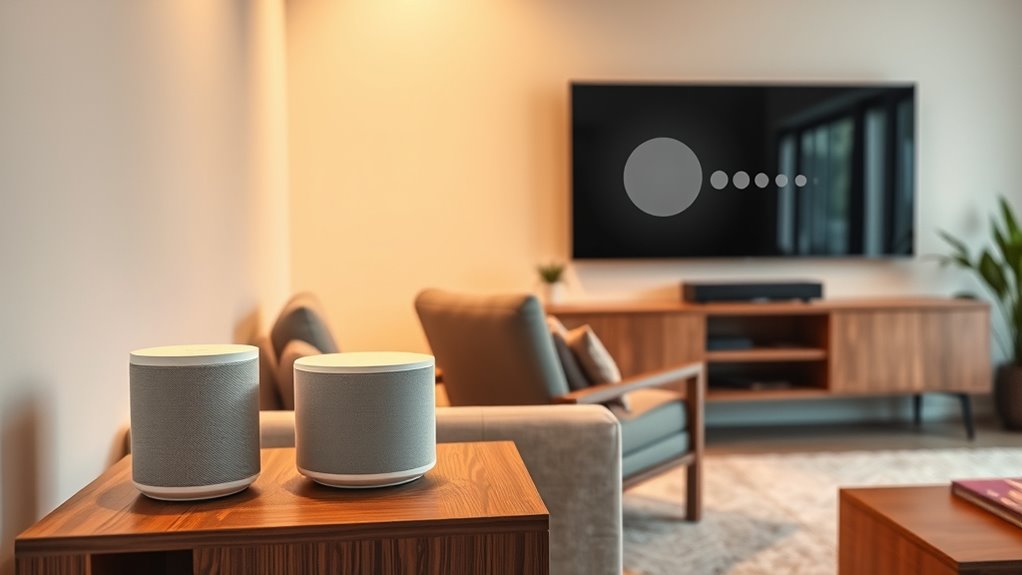
Voice-activated assistants have become an integral part of everyday life, allowing you to control devices, retrieve information, and manage tasks effortlessly with just your voice. They’ve transformed how you interact with technology, making daily routines smoother and more efficient. But as you rely more on these assistants, it’s natural to wonder about privacy concerns and how much control you have over your experience. Many users worry about how their voice data is stored, used, and protected, especially since these assistants are always listening for wake words. You might feel uneasy about sensitive conversations being inadvertently recorded or shared. To address this, manufacturers are implementing more transparent privacy policies and offering options to review, delete, or limit voice recordings. Understanding what data is collected and how it’s used helps you make informed decisions about your privacy. Additionally, privacy policies are constantly evolving to better protect user data and ensure compliance with regulations.
At the same time, user customization plays a big role in enhancing your experience with voice assistants. You can personalize how the device responds to you, set preferred commands, and even create custom routines that fit your daily habits. This level of user control allows you to tailor the assistant’s functionality, making it more intuitive and aligned with your needs. For example, you can choose which music service to use, customize news sources, or adjust privacy settings to restrict what information is shared. Many assistants now offer voice recognition features that identify different users in your household, ensuring that each person’s preferences and privacy are maintained. This not only improves convenience but also adds a layer of security, so your personal data isn’t accessible to everyone in your home.
While these features boost user control, they also highlight the importance of managing privacy settings carefully. You should regularly review permissions, disable unnecessary data sharing, and stay updated on privacy policies. Doing so guarantees that you get the benefits of user customization without compromising your privacy. Ultimately, your relationship with voice assistants hinges on finding the right balance between convenience and protecting your personal information. As these technologies evolve, so do the options for controlling your data and customizing your experience. By staying informed and proactive, you can enjoy the convenience voice-activated assistants offer while maintaining peace of mind about your privacy. This way, you get to harness the power of your voice assistant effectively without sacrificing your security or privacy.
privacy settings for Amazon Alexa
As an affiliate, we earn on qualifying purchases.
As an affiliate, we earn on qualifying purchases.
Frequently Asked Questions
How Do Voice Assistants Improve Daily Productivity?
Voice assistants boost your daily productivity by handling tasks quickly through voice commands. You can customize your voice preferences for a more natural experience, making interactions smoother. They seamlessly integrate with your smart home devices, allowing you to control lights, thermostats, and more without stopping your workflow. This hands-free approach helps you stay organized, manage schedules, and access information efficiently, saving you time and reducing stress throughout your day.
What Are the Latest Privacy Features Added to Voice Assistants?
You now have enhanced privacy features with voice assistants, including voice data encryption and user privacy controls. These updates let you secure your voice data, preventing unauthorized access, and give you more control over what information is shared or stored. You can easily manage your privacy settings, delete recordings, and customize permissions, ensuring your personal data stays protected while still enjoying the benefits of voice technology.
Can Voice Assistants Function Offline?
Ever wondered if voice assistants can work offline? Yes, some devices do have offline capabilities, allowing basic commands without internet. They store limited data locally, which helps maintain privacy and speeds up responses for simple tasks. However, more complex functions still rely on data storage in the cloud. If you want seamless experience and enhanced privacy, check if your device supports offline features—you might be surprised what it can handle without connectivity.
How Do Voice Assistants Handle Multiple Users’ Commands?
You can manage multiple users’ commands through user recognition and multi-user profiles. When you speak, the voice assistant identifies who’s talking by analyzing voice patterns. It then switches to your profile, providing personalized responses and access. This way, each person’s commands stay private, and your assistant offers tailored content, reminders, or music. User recognition and multi-user profiles make it easy for everyone in your household to enjoy a customized experience.
What Are Future Developments Expected in Voice-Activated Technology?
Future voice-activated technology will see improved voice recognition accuracy, making interactions more seamless and personalized. You’ll notice smarter assistants that better understand context, tone, and emotional cues thanks to emotional AI integration. This means your device will respond more naturally and empathetically. Expect advancements like enhanced privacy controls and multi-modal interactions, allowing you to communicate through voice, gestures, or even facial expressions, creating a more intuitive user experience.
Conclusion
As you navigate your daily routine, voice-activated assistants become your silent companions, whispering answers and controlling your world with a simple voice. But as you enjoy this effortless convenience, remember the shadows they cast—your private conversations floating in the digital breeze. Like a delicate balance on a tightrope, you hold the power. Embrace the ease, but stay vigilant, guarding your privacy as fiercely as you cherish your moments of peace amid the humming devices.
Fall Picks
fall essentials
As an affiliate, we earn on qualifying purchases.