
TL;DR
Triton has announced a new DirectX 11 driver for QEMU, aiming to enhance graphics capabilities in virtualized environments. The driver is in early stages, with confirmed performance improvements but some features still under development.
Triton has unveiled a DirectX 11 driver for QEMU, a popular open-source virtualization platform. This development aims to significantly improve graphics performance within virtual machines, a long-standing challenge for virtualization users. The driver is currently in early testing phases, with Triton stating that initial results show promising performance gains, though full functionality remains under development.
The DirectX 11 driver was announced by Triton as part of their ongoing efforts to enhance GPU virtualization capabilities in QEMU. According to Triton representatives, the driver leverages a custom implementation that integrates directly with QEMU’s graphics stack, aiming to deliver better hardware acceleration for Windows-based virtual machines.
Sources familiar with the project indicated that early benchmarks suggest notable improvements in rendering speed and stability compared to existing software-based solutions. However, Triton has emphasized that the driver is still in developmental stages, with some features such as advanced shader support and multi-GPU compatibility yet to be implemented.
Officials from Triton confirmed that the driver is designed to work with recent versions of QEMU and is compatible with standard x86 hardware configurations. The company plans to release a public beta once core functionalities are stabilized, likely within the next few months.
Potential Impact on GPU Virtualization in QEMU
The introduction of a DirectX 11 driver for QEMU could be a major breakthrough for virtual machine graphics performance. It addresses a key limitation faced by users running Windows applications or games in virtual environments, where GPU acceleration has traditionally been limited or unreliable. If successfully developed and adopted, this driver could expand QEMU’s use cases, making it more viable for graphics-intensive workloads such as 3D rendering, CAD, and gaming.
For enterprise users, improved GPU virtualization could streamline workflows involving complex graphical tasks, reducing the need for dedicated physical hardware. For individual users and developers, it opens new possibilities for testing and development within virtual machines without sacrificing visual fidelity.
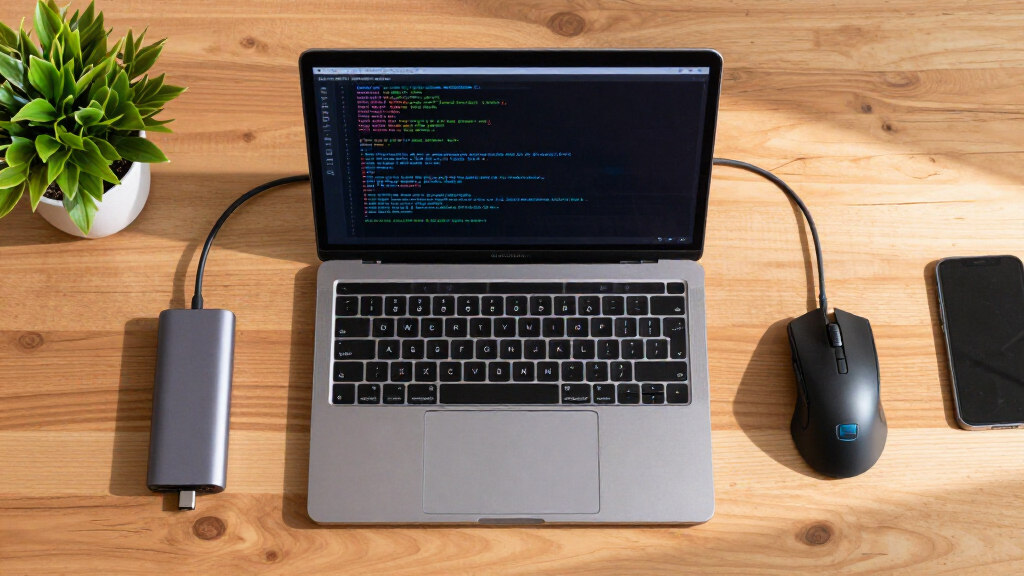
DirectX 11 GPU virtualization driver for QEMU
As an affiliate, we earn on qualifying purchases.
As an affiliate, we earn on qualifying purchases.
Background of GPU Virtualization in QEMU and Triton’s Role
GPU virtualization has been a persistent challenge in the virtualization community, with many solutions relying on software emulation or limited hardware passthrough options. QEMU, as an open-source hypervisor, has historically faced limitations in delivering high-performance graphics for Windows guests. Various efforts have been made to improve this, including SPICE and virtio-gpu, but none fully replicate native GPU capabilities.
Triton, a company specializing in virtualization tools, has been working on enhancing GPU support within QEMU. Their recent announcement of a DirectX 11 driver builds upon previous efforts to improve graphics acceleration, aiming to bring more robust support for Windows-based virtual machines. This marks a significant step in Triton’s strategy to advance GPU virtualization technology.
“Our DirectX 11 driver is a major milestone in GPU virtualization for QEMU, promising better performance and compatibility for Windows virtual machines.”
— Triton spokesperson
Unconfirmed Features and Development Timeline
While early benchmarks are promising, it is not yet clear how fully featured the driver will be upon release. Some advanced functionalities, such as multi-GPU support and shader model 5.0 compatibility, remain unconfirmed. Additionally, the exact timeline for a public beta or final release has not been officially announced by Triton, and potential compatibility issues with different hardware setups are still being evaluated.
Upcoming Testing Phases and Public Release Expectations
Triton plans to continue internal testing over the coming months, aiming to stabilize core features and address bugs. A public beta release is anticipated once the driver reaches a stable state, likely within the next three to six months. Further updates on feature support and performance benchmarks are expected as development progresses.
Key Questions
What is the significance of Triton’s DirectX 11 driver for QEMU?
This driver could dramatically improve graphics performance in virtual machines, enabling more demanding Windows applications and games to run smoothly within QEMU.
Is the driver available for download now?
No, the driver is currently in development and not yet publicly available. Triton plans to release a beta version in the coming months.
Will this driver work with all hardware configurations?
Compatibility details are still being evaluated, but Triton aims to support standard x86 hardware setups. Full compatibility with all configurations will be confirmed closer to release.
How does this compare to existing GPU virtualization solutions?
Compared to current options like virtio-gpu, Triton’s DirectX 11 driver aims to offer higher performance and better Windows compatibility, though it remains in early development stages.
What are the future plans for GPU support in QEMU?
Following this development, Triton and the broader QEMU community are likely to explore further enhancements, including Vulkan support and multi-GPU configurations, to expand graphics capabilities.
Source: hn