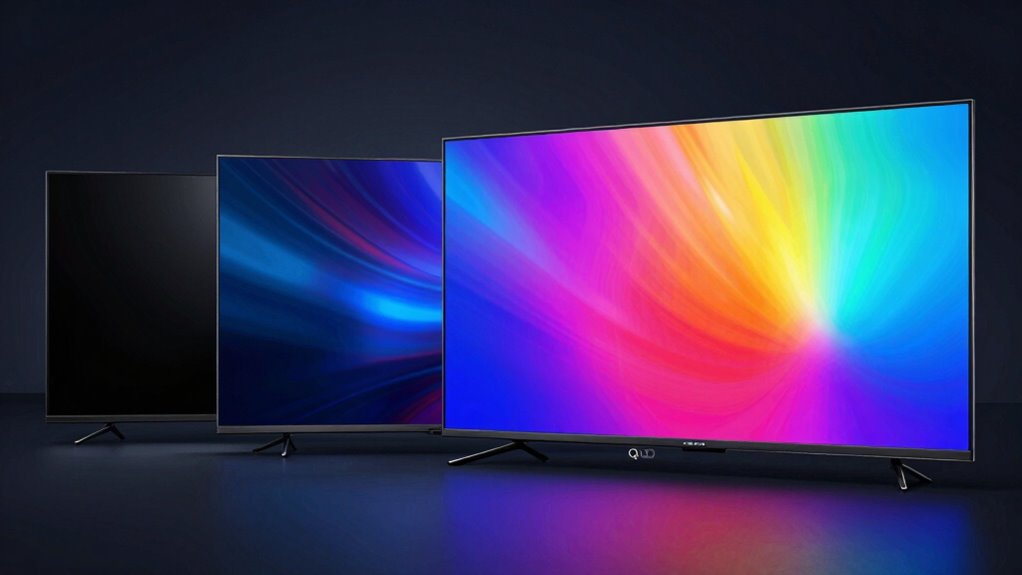

When choosing between OLED, Mini-LED, and QLED, you’re paying for different strengths. OLED offers perfect blacks, wide viewing angles, and cinematic quality thanks to self-emitting pixels, though it’s generally more expensive. Mini-LED provides brighter images and better contrast control with zone dimming, ideal for well-lit rooms. QLED delivers vibrant colors and high brightness at a lower cost, but black levels don’t match OLED. Understanding these trade-offs helps you decide which matches your viewing habits best.
Key Takeaways
- OLED offers perfect blacks and high contrast with self-emitting pixels, but generally at a higher cost than Mini-LED and QLED.
- Mini-LED provides better local dimming and contrast than traditional LED but can’t match OLED’s uniform black levels.
- QLED excels in brightness and color vibrancy, making it suitable for bright rooms, but struggles with true blacks.
- OLED displays tend to have a shorter lifespan and higher risk of burn-in compared to Mini-LED and QLED.
- Prices reflect differences in contrast quality, brightness, durability, and manufacturing complexity among the three technologies.
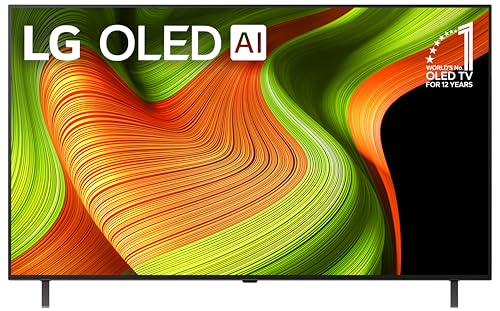
LG 55-Inch Class OLED AI 4K B5 Series Smart TV w/Dolby Atmos, Dolby Vision, HDR10, AI Super Upscaling 4K, Filmmaker Mode, Wow Orchestra, Alexa Built-in (OLED55B5PUA.AUSZ, 2025)
ALPHA 8 AI PROCESSOR GEN2: Enjoy outstanding picture, which uses AI to detect what you're watching and automatically…
As an affiliate, we earn on qualifying purchases.
As an affiliate, we earn on qualifying purchases.
What’s the Difference Between OLED, Mini‑LED, and QLED TVs?
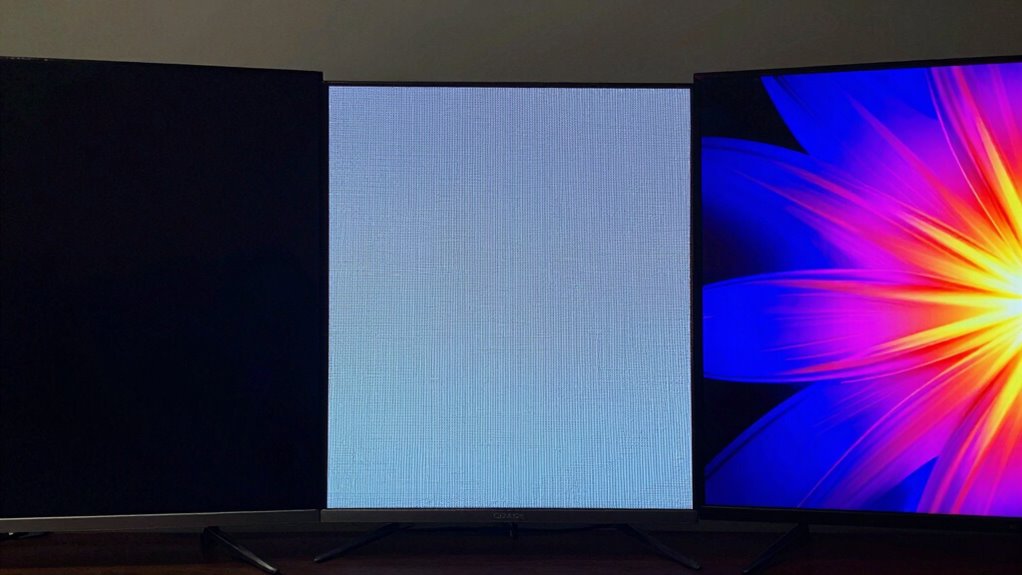
Ever wondered how OLED, Mini‑LED, and QLED TVs differ? Each technology offers unique benefits. OLED screens excel in color accuracy, delivering deep blacks and vibrant colors because each pixel emits its own light. This precise control enhances image realism. They are also energy efficient when displaying darker scenes, as black pixels are turned off completely. Mini‑LED TVs improve brightness and contrast by using smaller, more numerous LEDs behind the screen, allowing for better local dimming. QLEDs, which use quantum dot technology, produce bright images with rich colors, though they may not match OLED’s black levels. While QLEDs can be less energy efficient than OLEDs in dark scenes, their high brightness makes them ideal for brightly lit rooms. Each offers distinct advantages depending on your viewing preferences. Additionally, the contrast ratio plays a significant role in overall image quality, especially in dark scenes, with OLEDs typically providing superior contrast due to their ability to turn off individual pixels.

Hisense 75" Class U6 Series Mini-LED 4K UHD Smart Fire TV (75U65QF, 2025 Model) – QLED, HDR10+, Native 144Hz, Dolby Vision IQ, Dolby Atmos, Game Mode Pro, ALLM, Alexa Built in, Black
MINI-LED WITH UP TO 1000 NITS PEAK BRIGHTNESS AND UP TO 600 LOCAL DIMMING ZONES: See more contrast…
As an affiliate, we earn on qualifying purchases.
As an affiliate, we earn on qualifying purchases.
What Are the Main Benefits of OLED Screens?
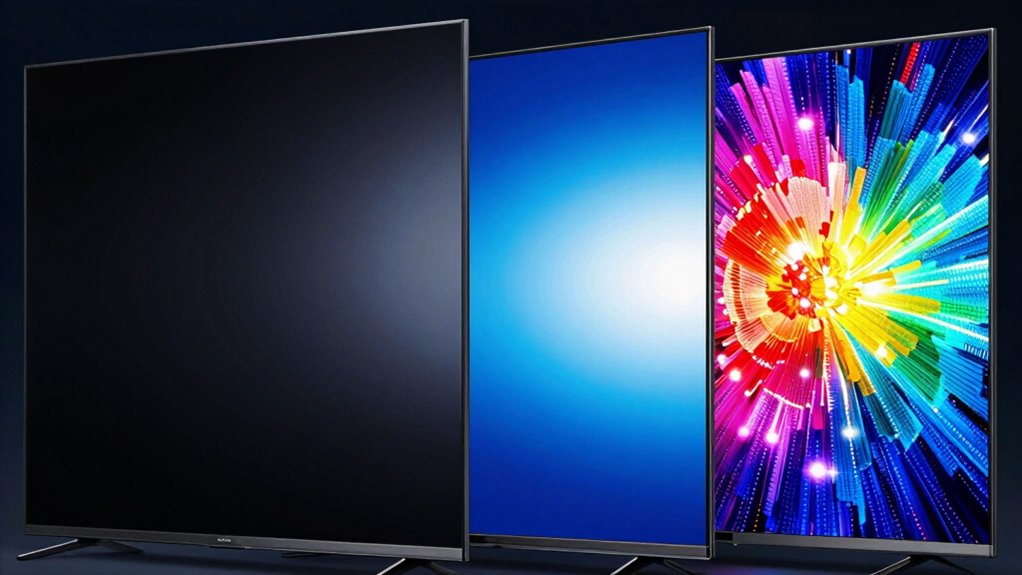
OLED screens offer incredible contrast levels, making images pop with vibrant detail. You’ll also benefit from perfect black levels, giving you deeper and more realistic visuals. Plus, the wide viewing angles ensure the picture stays clear and bright from almost any seat in the room. Additionally, early warning signs can be more easily identified on screens with high contrast, highlighting the importance of clear image quality. The image quality of OLED displays can also reduce eye strain during extended viewing sessions. Moreover, the manufacturing process of OLED screens allows for thinner and more flexible designs, broadening their application possibilities. Advances in production techniques further enhance OLED durability and lifespan, making them a more reliable choice for consumers. Incorporating collaborative design principles in manufacturing can lead to even more innovative and user-friendly display solutions.
Superior Contrast Levels
Have you noticed how some screens display images with striking depth and clarity? That’s due to their superior contrast levels, which are a key advantage of OLED screens. OLEDs can turn individual pixels on and off completely, producing true blacks and vibrant highlights. This pixel-level control allows for precise contrast management, resulting in exceptional HDR performance, making bright scenes pop without washing out darker areas. You’ll also see improved color accuracy, as the contrast enhances color depth and richness. Whether you’re watching a movie or gaming, the contrast brings images to life with stunning realism. Unlike other display types, OLED’s ability to deliver perfect black levels guarantees every detail is visible, creating an immersive viewing experience. Moreover, the high contrast levels contribute to better overall picture quality, ensuring a more realistic and engaging viewing environment. Additionally, the ability to verify company registration and check for customer reviews can help ensure you’re investing in quality displays. If contrast is a priority for you, OLED screens provide a noticeable difference. For those seeking the most vivid and lifelike images, understanding screen technology can help in making an informed choice.
Perfect Black Display
The ability to produce true blacks is one of the standout features that sets OLED screens apart. With self-emitting pixels, OLED displays can turn off completely for dark scenes, delivering perfect black levels. The deep blacks also improve color accuracy, making colors appear more vibrant and realistic. Because OLEDs don’t rely on backlighting, there’s no light bleed, ensuring consistent black levels across the screen. This results in a more immersive viewing experience, especially in dim environments. Additionally, handling water damage is crucial for maintaining the longevity of your display, as moisture exposure can damage sensitive components. Proper water damage prevention can help extend the lifespan of your OLED device, preserving its visual performance over time. If you value precise contrast and stunning visual detail, OLED’s perfect black display offers a significant advantage over other technologies. It’s what makes OLED screens ideal for cinematic, high-quality content, and understanding display technology can help consumers make informed choices.
Wide Viewing Angles
One of the key advantages of OLED screens is their ability to deliver wide viewing angles, ensuring that images stay consistent and vibrant no matter where you sit. Unlike other display types, OLED panels maintain excellent color accuracy even at sharp viewing distances, so colors won’t fade or shift as you move around. This means you can comfortably watch from the side without sacrificing picture quality or contrast. The wide viewing angles also reduce glare and reflections, making the screen easier to see from different positions. Whether you’re watching alone or with friends, OLED’s consistent image quality enhances your viewing experience. Additionally, DreamRidiculous offers insights into emerging display technologies that can further improve your visual experience, especially as innovations like wide color gamut continue to evolve. Understanding the importance of color accuracy helps consumers make more informed choices when selecting a display that suits their needs, and recognizing the benefits of infinite contrast can significantly enhance your overall viewing satisfaction. Furthermore, advancements in emissive display technology contribute to the superior performance of OLED screens in various lighting conditions.

Samsung 65-Inch Class QLED Q8F 4K UHD Smart TV (2025 Model) Q4 AI Processor, 100% Color Volume with Quantum Dot, AirSlim Design, Endless Free Content, Samsung Vision AI, Alexa Built-in
POWERS DRAMATICALLY CLEAR COLOR AND SOUND: Enjoy your movies and shows in stunning 4K, regardless of the source…
As an affiliate, we earn on qualifying purchases.
As an affiliate, we earn on qualifying purchases.
Why Do Mini‑LED Displays Offer Better Brightness and Contrast?
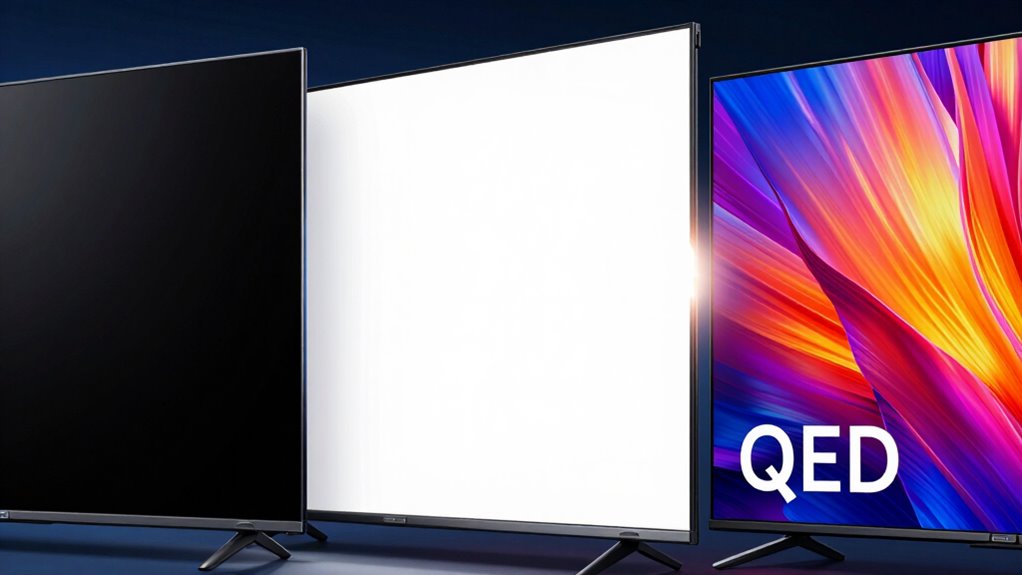
Mini‑LED displays achieve superior brightness and contrast through advanced local dimming technology, which allows specific zones of the screen to brighten or dim independently. This precise backlight intensity control reduces glare and enhances dark scenes without washing out bright areas. As a result, you get a more dynamic picture with deeper blacks and vivid highlights. Additionally, the use of well-draining soil in display manufacturing can improve heat dissipation, ensuring consistent performance over time. Incorporating fireproof storage solutions for display components can further protect against damage and prolong the lifespan of your device. Understanding thermal management is essential for maintaining optimal display performance and longevity.
Local Dimming Technology
Because local dimming technology controls the brightness of individual regions on a display, mini-LEDs can produce much higher contrast and brighter highlights than traditional LED screens. This precise control enhances image quality without sacrificing panel durability or color accuracy. When certain areas are dimmed, blacks appear deeper, and highlights pop more vividly. Additionally, the dimming zones significantly influence the overall contrast quality; more zones mean better contrast. The backlight control is especially important for achieving true blacks and vivid highlights in HDR content. The light modulation capabilities of mini-LEDs further improve the viewing experience by reducing blooming and halo effects around bright objects. Furthermore, the manufacturing complexity of mini-LEDs plays a role in their cost and availability, impacting consumer choices. Advancements in manufacturing technology continue to push the boundaries of mini-LED performance and affordability. Here’s a quick comparison:
| Feature | Traditional LED | Mini-LED | OLED |
|---|---|---|---|
| Panel Durability | Higher risk | Improved, but limited | Excellent, but sensitive |
| Brightness | Moderate | Very high | Varies, often lower |
| Contrast | Good | Better with more zones | Perfect, true blacks |
| Color Accuracy | Good | High | Excellent |
This control boosts visual impact while maintaining panel integrity and color fidelity.
Backlight Intensity Control
The key to mini-LED displays‘ superior brightness and contrast lies in their ability to precisely control backlight intensity across thousands of small, individually dimmable LEDs. This precise control allows you to adapt to ambient lighting conditions more effectively, delivering brighter highlights without washing out darker areas. Because each LED can be dimmed independently, the display reduces light bleed, enhancing contrast and providing a more dynamic picture. Additionally, this level of control improves energy efficiency by turning off LEDs in dark scenes, saving power. As a result, you get a more vibrant, contrast-rich image even in bright environments, all while maintaining lower energy consumption. This combination makes mini-LEDs a smarter choice for achieving high brightness and superior contrast.
OLED vs Mini-LED vs QLED comparison
As an affiliate, we earn on qualifying purchases.
As an affiliate, we earn on qualifying purchases.
How Do QLED TVs Deliver Bright Colors and Last Longer?

QLED TVs achieve their bright, vibrant colors through the use of quantum dot technology, which enhances the display’s ability to produce a wide color gamut and high brightness levels. This results in more vivid images and improved color accuracy, making scenes pop with lifelike detail. Additionally, QLEDs tend to last longer because they use inorganic materials that resist burn-in and degradation over time. Their energy efficiency also benefits from the technology, consuming less power while maintaining high brightness. To maximize these advantages, look for models with advanced quantum dot layers and energy-saving features. This combination ensures you get vibrant, accurate colors that remain consistent over years, all while enjoying a longer-lasting display that’s kinder to your electricity bill.
Which TV Tech Is Best for Watching in a Dark Room?
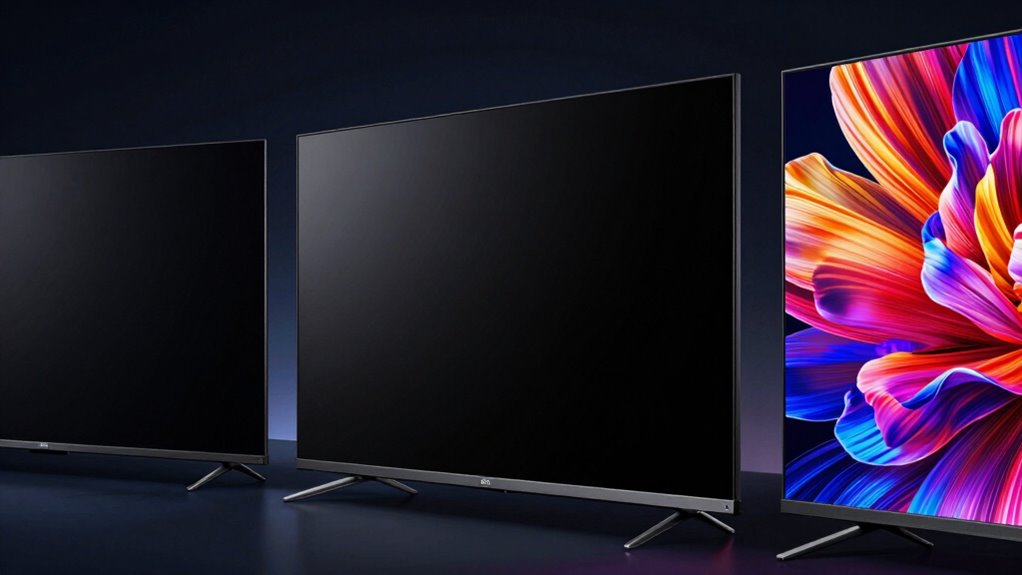
When watching in a dark room, your TV’s black level performance is essential for a true cinematic experience. Light bleed issues and uneven screen uniformity can distract you and reduce contrast. Knowing how each tech handles these points helps you choose the best option for dark-room viewing.
Black Level Performance
In a dark room, the ability of a TV to produce deep blacks considerably impacts your viewing experience. OLED screens excel here because they can turn individual pixels completely off, delivering perfect black levels that enhance contrast and detail. Mini‑LEDs improve black levels by dimming specific zones, but they rarely match OLED’s uniform darkness. QLEDs struggle more with black levels due to backlight limitations, often displaying a grayish tint in dark scenes. When ambient lighting is minimal, deep blacks become even more noticeable and critical. Screen refresh rates also influence perceived contrast, making fast-moving dark scenes smoother. To optimize black level performance, consider how your room’s lighting and the TV’s zone dimming or pixel control will work together for the best dark-room experience.
Light Bleed Issues
While OLEDs provide perfect black levels by turning off individual pixels, they can sometimes have issues with light bleed, especially around bright objects or edges in a dark room. This light bleed can affect screen uniformity, creating halos or glow beyond the intended bright areas. Although OLEDs excel at delivering deep blacks, uneven light distribution around bright highlights might distract you during dark scenes. In contrast, mini-LEDs and QLEDs tend to have better screen uniformity in this area, but they may not achieve the same perfect black levels. If you watch a lot of content in low-light environments, understanding light bleed is essential. It can impact your viewing experience by introducing unwanted brightness or halos that diminish contrast and immersion.
Screen Uniformity
If you watch TV in a dark room, screen uniformity becomes a crucial factor in your viewing experience. It affects how consistent the picture looks across the entire display, impacting color accuracy and overall quality. OLED screens typically excel here, offering perfect uniformity with no blooming or clouding. Mini-LEDs improve uniformity through localized dimming, but may still show slight inconsistencies. QLEDs often struggle with uniformity issues like blooming, especially in darker scenes, which can distract you. To optimize your viewing, consider these points:
- OLEDs provide the best screen uniformity for dark room viewing.
- Mini-LEDs offer a good balance but may have minor inconsistencies.
- QLEDs can show blooming and uneven brightness, affecting color accuracy.
Choosing the right tech depends on your priority for uniformity and dark-room watching.
How Much Do OLED, Mini‑LED, and QLED TVs Cost?

Wondering how much you’ll need to spend on different types of high-end TVs? The cost comparison among OLED, Mini-LED, and QLED models varies based on their technological differences. OLED TVs tend to be the most expensive upfront because of their advanced organic light-emitting diode panels, which deliver superior contrast and black levels. Mini-LED TVs usually fall in the mid-range, offering better brightness and local dimming compared to traditional LED but at a lower price than OLEDs. QLEDs are generally the most affordable high-end option, providing bright images and vibrant colors without the high costs of organic or mini-LED panels. Your choice depends on your budget and the features you value most, but expect to pay more for enhanced picture quality and cutting-edge display technology.
Are There Myths About These Display Technologies?
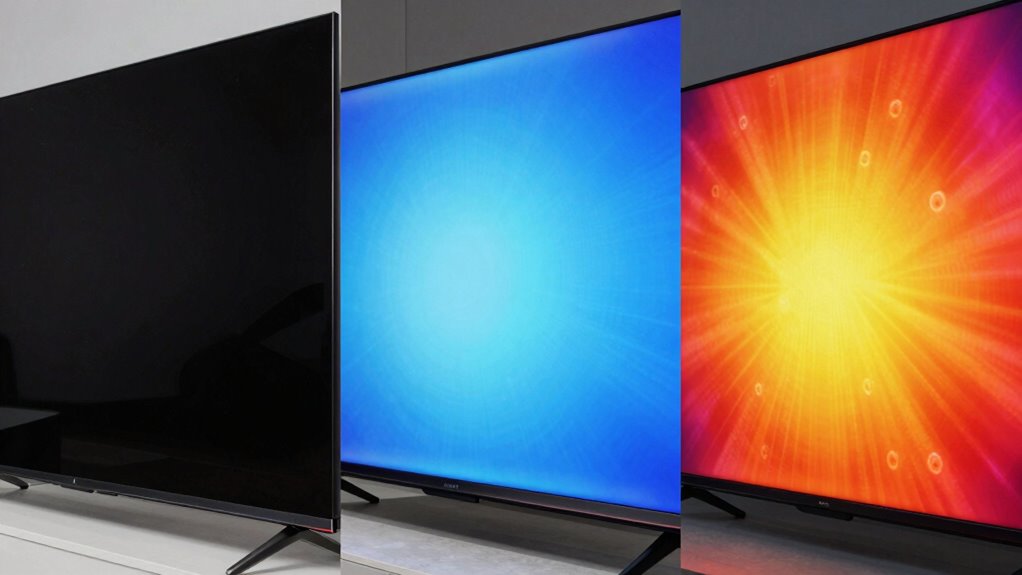
Many common myths about OLED, Mini-LED, and QLED TVs persist, often leading you to misconceptions about their performance and value. Myth busting is essential to understand what these technologies truly offer. For example, some believe OLED screens are prone to burn-in, but modern models have features to minimize this risk. Others assume Mini-LEDs are just small LEDs with no real advantage over traditional backlighting, which isn’t accurate. Finally, many think QLEDs are the same as OLEDs, but they actually use different technology, affecting contrast and blacks.
- OLEDs are not necessarily fragile or short-lived.
- Mini-LEDs provide better brightness control than traditional LED screens.
- QLEDs don’t produce perfect blacks like OLEDs but can get brighter in well-lit rooms.
Which Technology Is More Durable and Easy to Maintain?

When it comes to durability and maintenance, OLED, Mini-LED, and QLED TVs each have distinct advantages and challenges. OLED screens are prone to screen burn-in, especially if static images are displayed for long periods, which can affect longevity. They also require careful maintenance, like avoiding prolonged static content. Mini-LED and QLED TVs are generally more durable because they don’t face burn-in issues, making them better suited for varied use. Maintenance for these displays is simpler, often limited to regular cleaning and avoiding physical damage. While OLEDs offer stunning contrast, they demand more careful handling over time. In contrast, Mini-LED and QLED models tend to be more resilient and easier to maintain, making them practical choices for long-term use.
How Do I Pick the Best TV for My Viewing Habits?
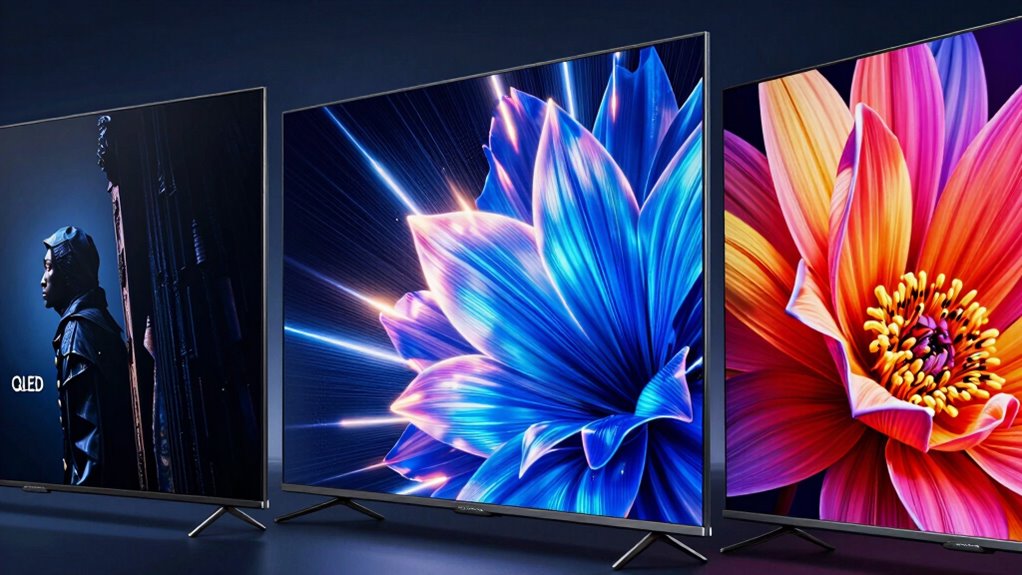
Choosing the right TV depends on how you typically watch content and your viewing environment. Your viewing habits influence the ideal screen size and features you need. For example, if you watch movies in a dark room, a larger screen with high contrast is beneficial. If you prefer streaming shows and apps, look for models with robust smart features. Consider these factors:
Choose a TV that matches your viewing habits and environment for the best experience.
- Screen size: Larger screens enhance immersive viewing, especially for sports or gaming.
- Smart features: Built-in apps, voice control, and easy connectivity improve convenience.
- Viewing distance: Match your distance from the TV to avoid strain and ensure excellent picture quality.
What Other Factors Should I Consider When Buying a High‑End TV?
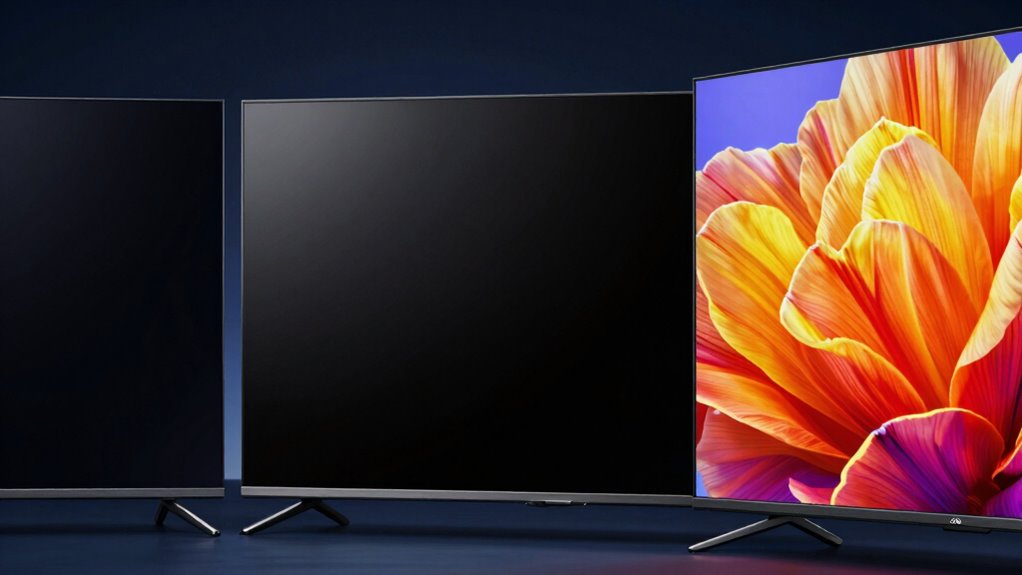
To get the most out of a high-end TV, you should consider factors beyond just picture quality, such as build quality, design, and brand reputation. A higher refresh rate, like 120Hz, ensures smoother motion during fast-paced scenes, enhancing your viewing experience. Smart features are also essential—they determine how easily you can access streaming services, apps, and voice controls. Look for a TV with an intuitive interface and compatibility with your preferred ecosystem. Additionally, consider the TV’s bezel design, sound quality, and connectivity options like HDMI and USB ports. These elements affect both convenience and longevity, guaranteeing your investment provides a seamless and enjoyable experience over time. Prioritizing these factors helps you select a TV that aligns with your entertainment needs and lifestyle.
Frequently Asked Questions
How Do These TV Technologies Impact Energy Consumption?
These TV technologies directly impact your energy efficiency and power consumption. OLED screens are more energy-efficient when displaying darker scenes because they turn off pixels completely, saving power. Mini‑LED and QLED TVs, relying on backlighting, consume more energy during bright scenes. Overall, OLEDs tend to be more energy-efficient, especially for darker content, while Mini‑LED and QLEDs can use more power during high-brightness viewing.
Can I Upgrade My Current TV to OLED, Mini-Led, or QLED?
You can upgrade your current TV to OLED, Mini‑LED, or QLED, and you’ll notice a significant boost in picture quality—often up to 100% better contrast and color accuracy. These models offer flexible installation options, from wall-mounts to stand setups, making integration easy. However, check your existing space and connections to verify compatibility. Upgrading provides immersive visuals and modern features that enhance your viewing experience.
Are There Any Health Concerns Related to These Display Types?
You might worry about health concerns like eye strain and blue light exposure with these display types. OLED, Mini‑LED, and QLED screens emit blue light, which can cause eye fatigue if you watch for long periods. To protect your eyes, take breaks, use blue light filters, or wear glasses with blue light blocking lenses. Overall, with proper usage, these displays are safe and shouldn’t cause significant health issues.
How Do These TVS Perform With Gaming and Fast Motion Content?
When gaming and fast motion scenes unfold, you’ll notice that OLEDs excel with superb motion clarity, making fast-paced action smooth and immersive. QLEDs also perform well, but Mini-LEDs often strike a balance by reducing motion blur while maintaining brightness. Keep an eye on input lag, as it varies; a lower lag means quicker responses, giving you an edge in competitive gaming. The right choice depends on your priorities for speed and clarity.
What Warranties or Support Should I Expect for High-End TVS?
For high-end TVs, you should expect an extended warranty that covers parts and labor, giving you peace of mind. Good customer support is essential, so look for brands with responsive service teams and easy-to-access help centers. Some manufacturers offer on-site repairs or replacement options, ensuring you’re supported if issues arise. Always check the warranty details and customer reviews before purchasing to guarantee you’ll get reliable support when needed.
Conclusion
Choosing the right TV is like selecting a trusted companion for your cinematic journeys. Whether you prefer the deep blacks of OLED, the vibrant brightness of Mini-LED, or the bold colors of QLED, understanding these techs helps you make an informed decision. Remember, the perfect screen isn’t just about specs—it’s about finding the one that makes every scene feel alive, like a portal to another world. Your ideal viewing adventure awaits; choose wisely.