
When choosing a headphone DAC or amp, focus on three key specs: power output and impedance, total harmonic distortion (THD), and component quality. Proper power and impedance matching prevent distortion and guarantee your headphones sound their best. Low THD means cleaner, more accurate audio. High-quality components and shielding reduce interference and noise. If you want your gear to truly enhance your listening, understanding these details will help you make smarter choices and get excellent sound.
Key Takeaways
- Focus on power output and impedance matching to ensure balanced, distortion-free sound.
- Prioritize low Total Harmonic Distortion (THD) for cleaner audio reproduction.
- Consider digital filter settings to customize sound brightness, warmth, or detail.
- Ensure high-quality components and effective shielding to minimize interference and noise.
- Match source quality and output specifications with headphones for optimal listening experience.

FiiO K13 R2R Desktop DAC & Headphone Amp, High-Fidelity 24Bit R2R DAC, Powerful 2400mW Output, LDAC Bluetooth Streaming, Dual Power Supply, 10-Band PEQ, Balanced XLR & RCA Audio Output (Silver)
1. FiiO Self-Developed Fully Differential 24Bit R2R DAC Equipped with a proprietary 4-channel fully differential complementary 24Bit R2R…
As an affiliate, we earn on qualifying purchases.
As an affiliate, we earn on qualifying purchases.
Which Specs Really Matter for Better Headphone Sound Quality?
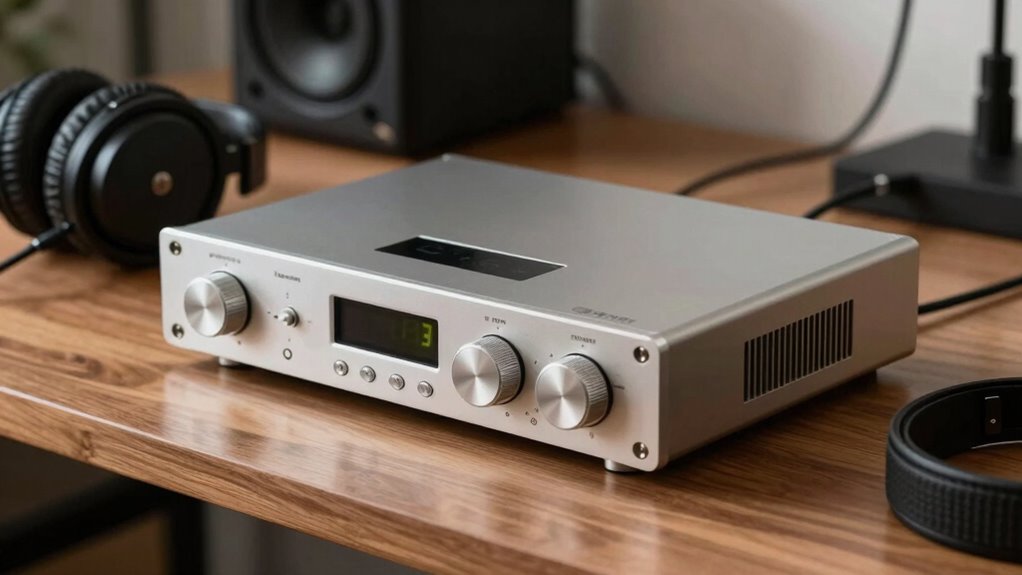
When choosing a headphone DAC or amp, understanding which specs truly impact sound quality can save you time and money. One key feature is the balanced output, which provides a more secure connection and reduces electromagnetic interference, resulting in cleaner audio. If you listen at high volumes or with sensitive headphones, a balanced output can make a noticeable difference. Digital filters also play a crucial role; they shape the sound by processing the digital signal before conversion. Different filter types can alter the sound’s brightness, warmth, or detail. Choosing the right digital filter settings allows you to customize your listening experience. Focus on these specs—they directly affect clarity, detail, and overall sound quality, making your investment more worthwhile. Additionally, understanding audio signal processing can help you better appreciate how these technical features influence your listening experience. Recognizing the significance of component quality ensures you select equipment that truly enhances your audio experience. Being aware of electromagnetic interference can help you choose gear that maintains audio integrity in various environments. Moreover, electrical shielding can further reduce external noise and interference, improving overall sound fidelity. Moreover, considering the power supply quality can significantly impact the stability and performance of your audio device.
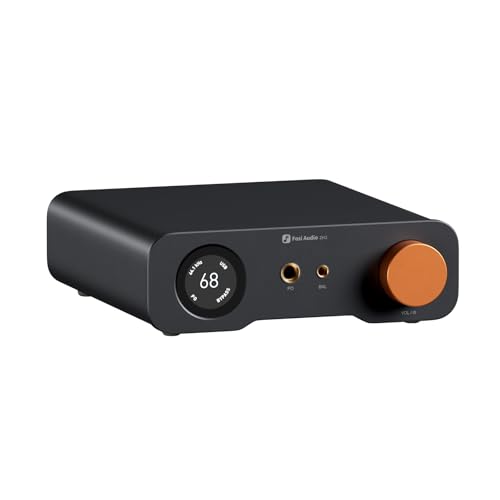
Fosi Audio ZH3 DAC Headphone Amp, Fully Balanced Preamp with AKM4493SEQ XMOS XU316 PCM 768kHz for Amplifiers, USB/Optical/COAX/RCA/12V Trigger Input, XLR/RCA/4.4mm/6.35mm Output with Remote
An all-in-one desktop HiFi DAC/headphone amp/preamp: With premium chipsets and self-developed fully balanced circuitry, low noise and low…
As an affiliate, we earn on qualifying purchases.
As an affiliate, we earn on qualifying purchases.
How Do Power Output and Impedance Influence Your Listening Experience?
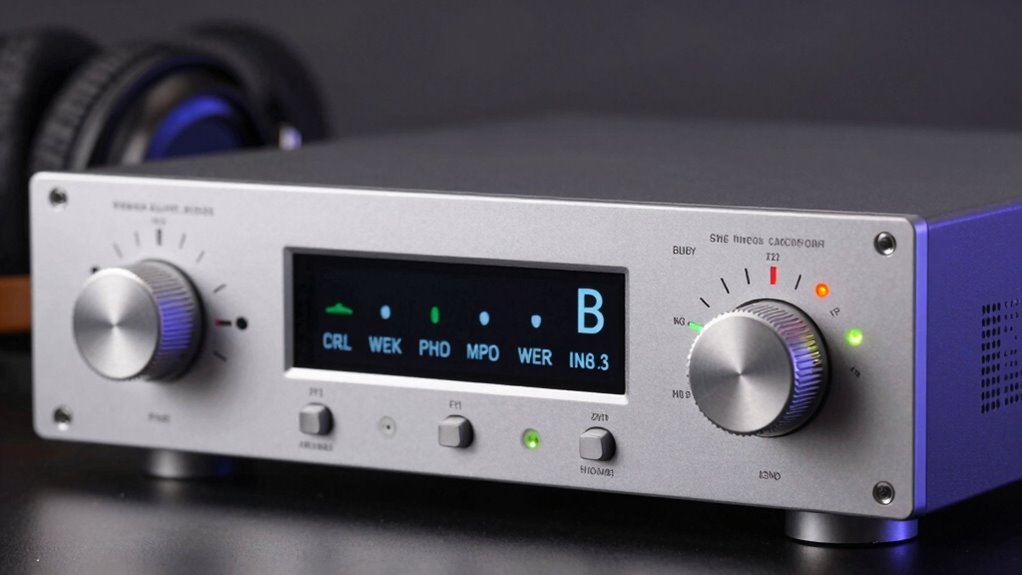
Understanding power output and impedance is essential because they directly affect how your headphones perform and sound. If the amp’s power isn’t sufficient, your headphones may sound weak or distorted. Low impedance headphones need less power and work well with portable devices, but high impedance headphones require more power for peak sound quality. The quality of your cable and the branding reputation of your equipment also influence how well your setup delivers sound. A high-quality cable ensures minimal signal loss, enhancing clarity. Additionally, matching impedance is crucial to optimize your listening experience and avoid potential damage or poor performance. Proper impedance matching can prevent issues like distortion or inadequate volume, ensuring your audio remains clear and balanced. It’s also important to consider the power output of your amp to match the demands of your headphones for optimal performance. When selecting an amplifier, paying attention to the output wattage can help you achieve the best sound quality for your specific headphones. Here’s how power and impedance impact your experience:
| Power Output | Impedance | Effect on Sound | Ideal For | Notable Brands |
|---|---|---|---|---|
| Higher | Low | Clearer, louder | Sensitive headphones | FiiO, Schiit |
| Lower | High | Less distortion | Studio gear | AudioQuest, Beyerdynamic |
| Adequate | Moderate | Balanced sound | Versatile use | Sony, Massdrop |
| Insufficient | Any | Weak, muddy | Budget setups | Creative, Topping |
| Excessive | Any | Distortion risk | Power-hungry headphones | Cambridge, Audioengine |

PROZOR 192KHz Digital to Analog Audio Converter DAC Digital SPDIF Optical to Analog L/R RCA Converter, Toslink Optical to 3.5mm Jack Adapter for PS3 HD DVD PS4 Amp Apple TV Home Cinema -Aluminum Alloy
PROZOR 192KHz Digital to Analog Audio Converter: Converts coaxial or Toslink/SPDIF digital PCM audio signals to analog L/R…
As an affiliate, we earn on qualifying purchases.
As an affiliate, we earn on qualifying purchases.
Does Total Harmonic Distortion (THD) Affect How You Hear Your Music?
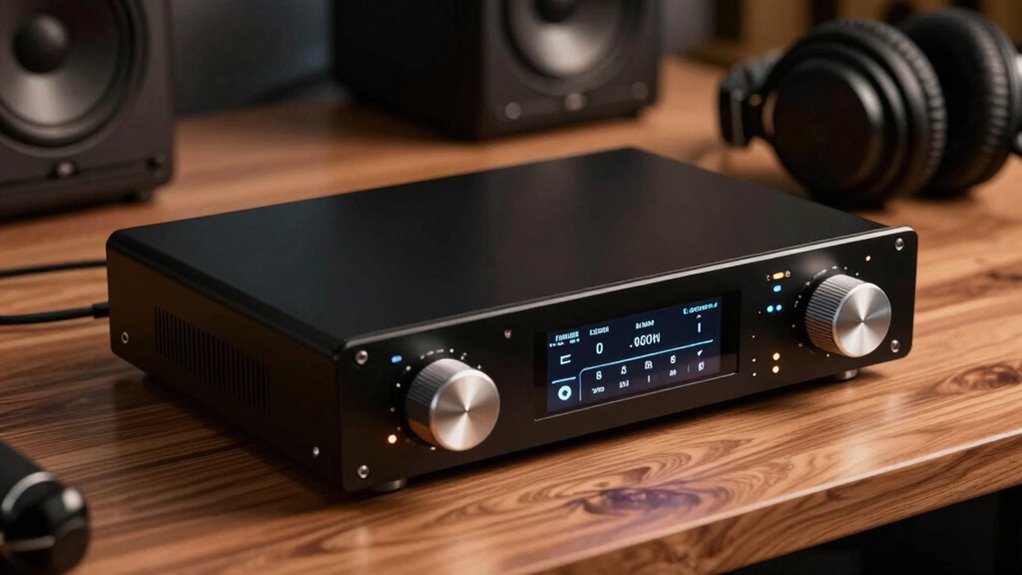
Total Harmonic Distortion (THD) measures how much unwanted audio signal is added during playback, which can substantially impact your listening experience. Lower THD levels generally mean cleaner sound, but in real-world use, a small amount of distortion often goes unnoticed. When comparing analog vs digital sources, digital signals typically have lower THD because digital processing minimizes added noise. Additionally, digital signal processing can further help reduce the impact of distortion and improve overall sound quality. As headphone impedance increases, the amplifier’s ability to maintain low THD becomes more critical. High-impedance headphones require more power and can introduce more distortion if the DAC or amp isn’t up to the task. Choosing equipment with low THD ratings ensures you enjoy clearer, more accurate sound, regardless of your headphone impedance or whether you’re listening to analog or digital sources. Furthermore, understanding the audio source quality can help you select the best equipment for your listening needs. Being aware of the audio output specifications can also guide you in optimizing your setup for minimal distortion and optimal sound clarity.
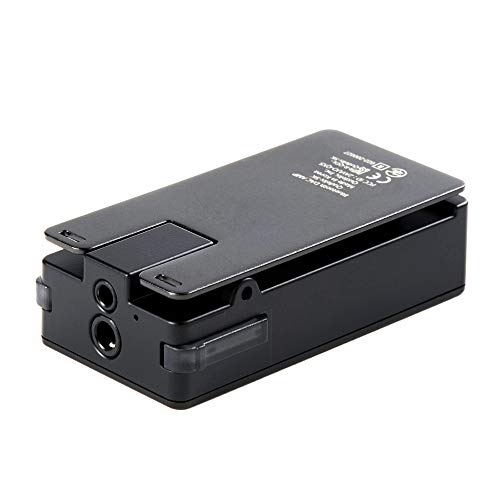
Qudelix-5K Bluetooth USB DAC AMP with LDAC, aptX Adaptive, aptX HD, AAC (Dual ES9219 3.5mm Unbalanced & 2.5mm Balanced Output)
Dual ES9219 HiFi DAC 2.5mm Balanced (4V RMS) 3.5mm Unbalanced (2V RMS)
As an affiliate, we earn on qualifying purchases.
As an affiliate, we earn on qualifying purchases.
Frequently Asked Questions
Can a Headphone Dac/Amp Improve Smartphone Audio Quality Significantly?
Yes, a headphone DAC/amp can markedly improve your smartphone audio quality, especially if it supports high-quality Bluetooth codecs like aptX or LDAC. It enhances sound clarity and detail beyond your phone’s built-in output. However, keep in mind that using a DAC/amp might impact battery life, so choose a portable model with efficient power management. This upgrade lets you enjoy richer, more immersive sound on your smartphone.
How Does DAC Chip Quality Influence Sound Clarity and Detail?
Think of a high-quality DAC chip as a skilled artist bringing your music to life with vivid clarity. It reduces digital noise, ensuring cleaner sound, and captures more detail in each note. Better DACs also improve power efficiency, letting your device run longer without sacrificing audio quality. With a top-tier DAC, you’ll notice sharper highs, richer lows, and a more immersive listening experience, making every track sound crystal clear.
Is Higher Price Always Correlated With Better Sound Performance?
Higher price doesn’t always mean better sound performance. You can find budget options that deliver great audio quality, especially if you focus on reputable brands known for consistency. While premium models often offer advanced features and build quality, it’s vital to take reviews and specifications into account rather than price alone. Sometimes, a well-chosen budget device from a trusted brand can outperform pricier alternatives with less reputable reputations.
What Role Does Wireless Connectivity Play in Sound Quality?
Imagine you’re streaming your favorite song wirelessly. Wireless connectivity can influence sound quality through factors like wireless latency and Bluetooth codecs. Higher-quality codecs like aptX or LDAC transmit more data, resulting in clearer sound. If latency is high, you might experience lip-sync issues or audio lag. So, choosing headphones with better codecs and low latency ensures your wireless listening experience is as close to wired quality as possible.
Should I Prioritize Portability or Performance in a Headphone Dac/Amp?
You should prioritize portability if battery life, size, and weight matter most to you. A compact, lightweight DAC/amp makes it easy to carry around and enjoy good sound on the go, even if it sacrifices some performance. Conversely, if you value high-quality sound and have a fixed setup, performance takes precedence. Balance your needs based on where you’ll use it most often and how important quick mobility is.
Conclusion
When choosing a headphone DAC/amp, focus on the specs that matter—power output, impedance compatibility, and total harmonic distortion. These factors shape your sound quality, influence your listening comfort, and determine your overall experience. By understanding these key elements, you can select gear that enhances clarity, balances volume, and preserves the music’s integrity. Prioritize what impacts your sound, trust your ears, and enjoy music that truly resonates with you.