Extended Reality (XR) training transforms the way industries develop their workforce by providing immersive virtual, augmented, and mixed reality experiences. These technologies make safety training safer and more realistic, allowing you to practice complex procedures and emergency responses repeatedly without risks or cost. XR training delivers flexible, scaleable modules accessible from anywhere, ensuring consistent, engaging, and effective learning outcomes. If you keep exploring, you’ll discover how XR can lead to smarter, safer, and more adaptable workplaces.
Key Takeaways
- XR technologies enable immersive, risk-free training environments for industries such as construction, healthcare, and aerospace.
- They enhance skill retention and decision-making through repeated practice of complex and emergency scenarios.
- XR training allows scalable, remote access, reducing costs and ensuring consistent quality across multiple locations.
- Simulations improve safety by preparing employees for hazardous environments without real-world risks.
- Interactive, gamified modules boost engagement, motivation, and compliance with safety standards in industry training programs.

Have you ever wondered how industries are transforming training programs to be safer, more efficient, and engaging? The answer lies in the rise of extended reality (XR) technologies, which include virtual reality (VR), augmented reality (AR), and mixed reality (MR). These tools are revolutionizing how companies prepare their workforce, making training more effective and less risky. One of the most impactful innovations is the use of virtual simulations, which let you experience real-world scenarios in a controlled, risk-free environment. Instead of traditional classroom lectures or on-the-job trial and error, you can step into a virtual world where you practice skills, troubleshoot problems, and make decisions without any danger to yourself or equipment. This kind of immersive learning immerses you fully in the training process, leading to better retention and confidence when facing actual tasks.
With immersive learning through XR, you’re not just passively absorbing information—you’re actively engaging with the material. For example, in industries like manufacturing or aviation, trainees can simulate complex procedures or emergency situations repeatedly until they master them. This hands-on approach boosts muscle memory and enhances decision-making skills. Plus, it allows for personalized training paths; you can focus on areas where you need improvement, all within a virtual environment. XR training also offers scalability, enabling companies to train multiple employees across different locations simultaneously. Instead of scheduling in-person sessions or sending staff to off-site facilities, employees can access immersive training modules anytime, anywhere, with consistent quality.
Immersive XR training enables personalized, scalable skill development across locations with consistent, hands-on virtual experiences.
Another advantage is the ability to simulate hazardous or costly environments safely. For instance, construction workers can practice operating heavy machinery or navigating dangerous sites without risking injury. This reduces accidents and ensures that when real-world exposure occurs, you’re already familiar with the environment and procedures. Furthermore, XR training can be easily updated, allowing industries to incorporate the latest safety standards or operational changes swiftly. This dynamic adaptability keeps training current and relevant, which is essential in fast-evolving sectors like healthcare, aerospace, and energy. Incorporating educational and skill-building toys into training modules can further enhance engagement and retention for younger or novice learners.
In addition, XR-based training enhances engagement—something traditional methods often lack. The interactive nature of virtual simulations captures your attention and motivates you to learn more effectively. Gamification elements, such as scoring or virtual rewards, further encourage participation, making training sessions less monotonous and more productive. As industry demands shift toward smarter, safer, and more adaptable workforces, XR’s immersive learning capabilities stand out as a critical tool. They not only prepare you better but also help companies meet safety regulations, improve operational efficiency, and foster a culture of continuous learning.
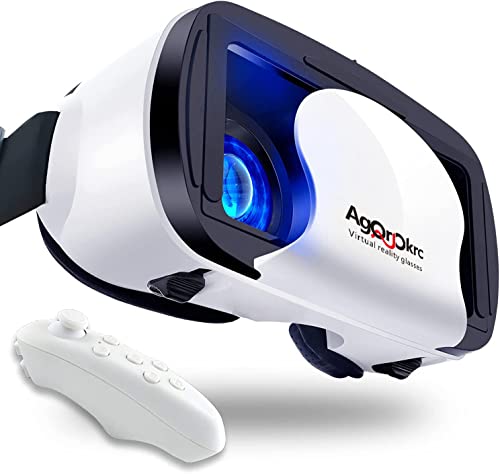
VR Headset with Controller Adjustable 3D VR Glasses Virtual Reality Headset HD Blu-ray Eye Protected Support 5~7 Inch for Phone/Android
Anti-blue light, comfortable to wear: VR Headsets Easy to set up and easy to use, just open a…
As an affiliate, we earn on qualifying purchases.
As an affiliate, we earn on qualifying purchases.
Frequently Asked Questions
What Are the Initial Costs for Implementing XR Training Programs?
The initial costs for implementing XR training programs vary based on your needs, but generally, you’ll need a clear cost estimation for technology investment. Expect expenses for hardware like headsets and controllers, software development, and setup. These costs can range from a few thousand to tens of thousands of dollars, depending on complexity. Planning carefully guarantees you allocate funds effectively and maximize the benefits of your XR training investment.
How Do XR Training Outcomes Compare to Traditional Methods?
XR training delivers results like a well-tuned engine, surpassing traditional methods in immersive learning and skill retention. You’ll find that participants engage more deeply, translating into quicker mastery and better long-term retention. Unlike conventional training, XR offers experiential learning that sticks, making skills more durable. This hands-on approach boosts confidence and performance, proving that XR isn’t just a novelty but a powerful tool for effective, lasting training outcomes.
What Hardware Is Required for Effective XR Training?
You need a compatible headset, like Oculus Quest or HTC Vive, to deliver immersive experiences. A powerful computer or console may be necessary for high-quality visuals and smooth interactions. Additionally, motion controllers or haptic feedback devices enhance user engagement. Confirm your hardware requirements include sufficient processing power, graphics capabilities, and sensors to create realistic, effective XR training sessions that maximize learning and skill acquisition.
How Can Smaller Companies Access Affordable XR Training Solutions?
You can access affordable XR training solutions by exploring industry partnerships that offer cost-effective programs or shared resources. Look for vendors providing scalable options tailored to smaller companies’ budgets, such as subscription models or mobile XR platforms. Additionally, some providers offer grants or discounts for small businesses, making it easier to implement immersive training without hefty investments. Collaborating with industry groups can also open doors to affordable XR resources and support.
What Are the Best Practices for Ensuring User Engagement in XR Training?
To keep users engaged in XR training, incorporate gamification strategies that make learning interactive and fun. Use immersive challenges and rewards to motivate participation. Additionally, actively seek user feedback and incorporate it into the experience to address their needs and preferences. This approach not only boosts engagement but also ensures the training stays relevant and effective, making users more likely to stay committed and retain the material.

Air Silver AR Glasses, 79g Augmented Reality Smart Glasses, 120" HD Virtual Screen, Compatible with iPhone 15
As an affiliate, we earn on qualifying purchases.
As an affiliate, we earn on qualifying purchases.
Conclusion
Embracing XR training is like stepping into a vibrant, limitless landscape where skills flourish and obstacles disappear. As you navigate this innovative terrain, you’ll find yourself better prepared, more confident, and ready to conquer real-world challenges. Just as a compass guides a traveler through unknown territory, XR technology directs your learning journey with precision and immersion. By adopting XR, you’re opening the door to a future where industry training becomes an exciting adventure, not just a necessity.
mixed reality training modules for construction
As an affiliate, we earn on qualifying purchases.
As an affiliate, we earn on qualifying purchases.
Geospatial Information Technology for Emergency Response
As an affiliate, we earn on qualifying purchases.
As an affiliate, we earn on qualifying purchases.