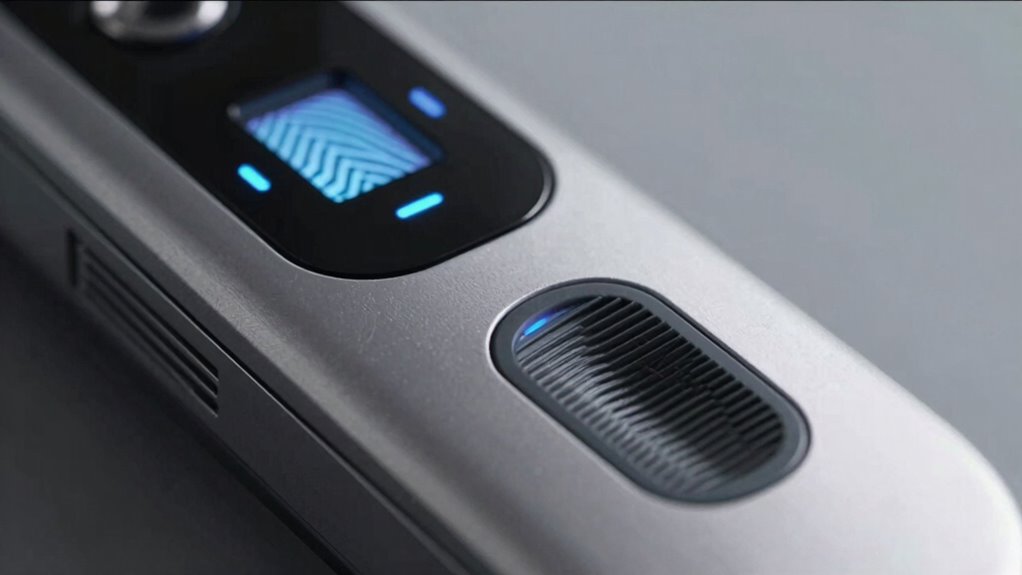
Biometrics like Face ID and fingerprints offer a convenient way to open devices and access sensitive info, but they have limitations. They’re not foolproof—skilled hackers can sometimes bypass them with high-res images or molds. Liveness detection isn’t always perfect, and external factors like stress or environment can affect accuracy. Relying only on biometrics isn’t advisable for protecting critical data. If you’re interested, you’ll find more insights on these security challenges and how to manage them.

Get the latest gadgets delivered free with Prime
- Fast, free delivery on millions of items
- Prime Video, Amazon Music and more included
- Member-only deals all year
Key Takeaways
- Face ID and fingerprint systems offer quick, convenient device access but are vulnerable to spoofing with high-quality reproductions.
- Biometrics provide enhanced security over static passwords but are not completely foolproof against skilled hacking.
- External factors like stress or environmental conditions can affect the accuracy of behavioral biometric analysis.
- Combining multiple biometric methods and behavioral analytics improves overall security but still cannot eliminate all risks.
- Relying solely on biometrics for sensitive data is discouraged due to potential vulnerabilities and false positives/negatives.
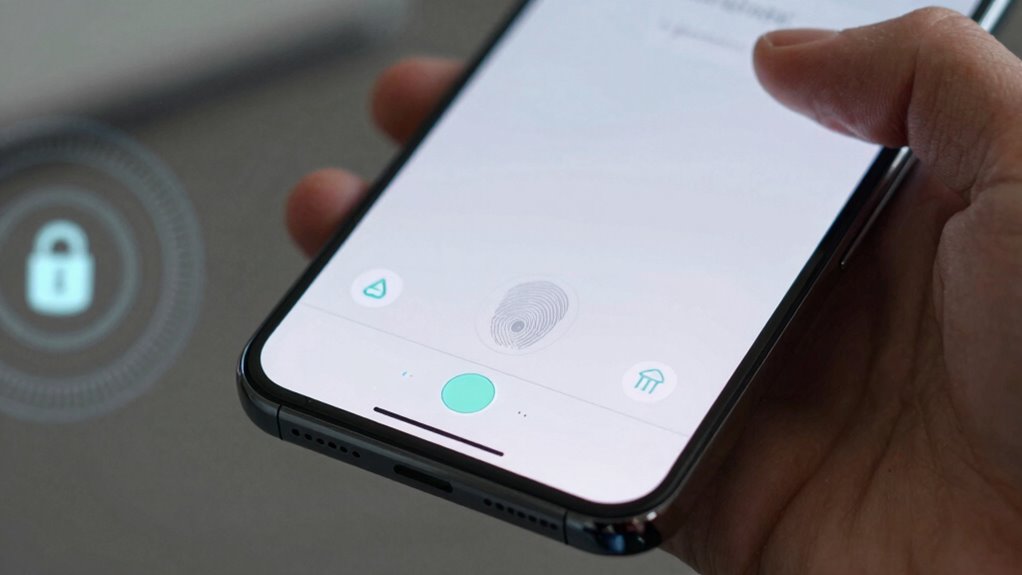
Biometrics have become a popular way to secure our devices, offering a convenient alternative to traditional passwords. Instead of remembering complex codes, you simply use your face or fingerprints to access your phone or retrieve sensitive information. This ease of use makes biometrics appealing, but it’s essential to understand its limitations. One key aspect is behavioral analysis, which involves examining how you interact with your device—like your typing patterns or how you hold your phone—to verify your identity. Behavioral analysis adds an extra layer of security, making it harder for someone to fool the system with static data like a fingerprint image or facial photo. However, even with these sophisticated techniques, biometric systems aren’t infallible.
Biometric spoofing remains a significant concern. Attackers can create fake fingerprints using materials like silicone or gel molds, or use high-resolution images and videos of your face to trick facial recognition systems. While many devices now incorporate liveness detection—technology that tries to distinguish between real and fake inputs—these measures aren’t foolproof. Skilled hackers continually find new ways to bypass security, making biometric spoofing a real threat. For instance, if someone manages to lift your fingerprint or produce a convincing facial replica, they could potentially gain access to your device without your permission. That’s why relying solely on biometric authentication isn’t advisable for highly sensitive data.
Behavioral analysis aims to mitigate some of these risks by adding dynamic checks that are difficult to replicate. For example, the system might observe how you naturally move your eyes or how quickly you respond to prompts. These behaviors are unique and hard to imitate convincingly, providing an additional safeguard. But even these advanced measures have limitations. They can sometimes produce false negatives—denying access to rightful owners—or false positives, granting access to imposters if the behavioral patterns are misinterpreted. Additionally, behavioral biometrics can be affected by external factors like stress or environment, which may alter your natural behaviors unexpectedly. External influences can significantly impact the accuracy of behavioral biometric systems, leading to potential security gaps. It’s also important to recognize that behavioral analysis relies heavily on the quality and consistency of data collected over time. Moreover, behavioral data can sometimes be manipulated by determined attackers seeking to mimic natural interaction patterns. Digital security experts emphasize that combining multiple biometric methods and behavioral analytics can improve overall security, but no system can be entirely foolproof.
Products Worth Considering

Bose QuietComfort Wireless Noise-Cancelling Headphones, Petal Pink

Logitech MX Brio Ultra HD 4K Webcam, Graphite

Apple Watch SE 3 GPS 40mm Smartwatch
As an affiliate, we earn on qualifying purchases.
Frequently Asked Questions
How Do Biometric Systems Store and Protect Personal Data?
You need to understand that biometric systems store personal data securely by using data encryption, which scrambles your information to prevent unauthorized access. They also rely on user consent, ensuring you’re aware of and agree to how your data is used and stored. By combining encryption with clear consent procedures, these systems aim to protect your biometric data from misuse and breaches effectively.
Can Biometric Data Be Hacked or Stolen?
Your biometric data can indeed be hacked or stolen if you’re not careful. While systems use data encryption for protection, artificial vulnerabilities sometimes emerge due to hacking techniques or data breaches. Think of it as leaving the door slightly ajar—cybercriminals may exploit weaknesses to access your sensitive info. Staying vigilant, updating software, and using multi-layered security measures help minimize risks, but no system is completely foolproof.
Are There Privacy Concerns With Biometric Authentication?
Yes, there are privacy concerns with biometric authentication. Facial recognition technology can track your movements and collect data without your consent, raising ethical concerns about surveillance and misuse. You might worry about how your biometric data is stored and who has access to it. To protect your privacy, it’s important to understand how companies handle your data and advocate for transparent, ethical practices in biometric security.
How Accurate Are Biometric Systems in Different Environments?
Biometric systems act like chameleons, changing their accuracy with environmental factors. In bright sunlight or low light, facial recognition can stumble, much like trying to read a map in a storm. Humidity and dirt can muddy fingerprint scans. These accuracy challenges make biometric reliability vary—sometimes spot-on, sometimes off. You need to be aware that environmental factors can turn a seamless access into a frustrating puzzle.
What Are the Legal Rights Regarding Biometric Data?
You have legal rights regarding your biometric data, including protections under data privacy laws like GDPR or CCPA. These laws enforce legal compliance by requiring organizations to obtain your informed consent and clearly explain data usage. You retain data ownership, meaning you can access, correct, or request deletion of your biometric information. Always stay informed about your rights and guarantee organizations handle your data responsibly and transparently.
Conclusion
Think of biometrics as your personal guardian, like a loyal fortress built to protect your secrets. While it offers a sturdy barrier, no fortress is impenetrable—thieves can sometimes find ways in. Just as a castle’s walls have their limits, so do your biometric security measures. Stay vigilant, combine methods, and remember that true safety comes from awareness and adaptability. Your digital security is an ongoing journey, not a static fortress.