
TL;DR

Get the latest gadgets delivered free — and shop member deals
- Fast, free delivery on millions of items
- Access to Prime Big Deal Days deals on October 6–7
- Prime Video, Amazon Music and more included
ASML denies the US government report alleging its EUV lithography system was shipped to China. The company insists it has not exported any EUV tools or components there, maintaining compliance with export controls.
ASML has officially denied claims from the US government that its extreme ultraviolet (EUV) lithography system was shipped to China, asserting that it has not exported any such equipment to Chinese entities. The company emphasizes its compliance with export restrictions, which are designed to prevent the transfer of advanced semiconductor manufacturing tools to China. This denial follows reports suggesting US officials questioned whether an EUV system had reached China, raising concerns over potential breaches of export controls.
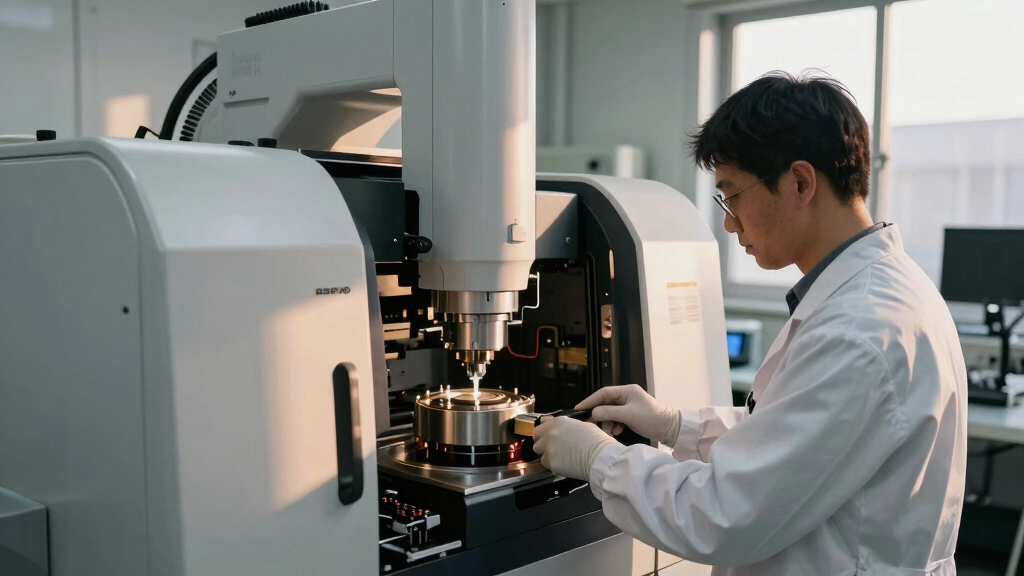
ASML, a Dutch semiconductor equipment manufacturer, stated that it has no knowledge of any EUV lithography system being shipped to China. The company asserts that all EUV tools it has produced remain in its control and are not located in China. According to an ASML spokesperson, the firm has never shipped an EUV machine, component, or module to China, nor has it transferred any parts specifically designed for EUV systems to Chinese customers. The company also highlighted that its EUV scanners are complex, weighing 180 tons, and composed of approximately 100,000 components, making unauthorized transfer or reverse engineering extremely difficult. Despite reports from Bloomberg citing anonymous US officials claiming to possess information indicating possible exports, no concrete evidence has been publicly presented. ASML also mentioned an internal presentation titled ‘No indication of any ASML EUV System in China,’ which confirms that 314 EUV systems are operational worldwide, with none in China, and that the company can detect any disruptions or unauthorized activity through continuous communication with its systems.
Implications for Semiconductor Export Controls
This development is significant because it touches on the enforcement of international export restrictions on advanced semiconductor manufacturing equipment. If true, the alleged shipment of EUV systems to China would represent a breach of the Wassenaar Arrangement and US export laws, potentially impacting global supply chains and US-China technology tensions. ASML’s strong denial underscores its commitment to compliance, but the situation highlights ongoing concerns about enforcement and the difficulty of verifying such complex equipment’s whereabouts.
As an affiliate, we earn on qualifying purchases.
Background of Export Restrictions and US-China Tensions
ASML, based in the Netherlands, is the sole producer of EUV lithography systems critical for manufacturing cutting-edge chips. US export restrictions, reinforced by the Wassenaar Arrangement, prohibit the sale of EUV tools to Chinese companies, notably Semiconductor Manufacturing International Corp. (SMIC). Despite these controls, rumors and reports have periodically surfaced alleging unauthorized transfers. The US government has expressed concerns over China’s technological advancements and has increased scrutiny of semiconductor exports. In recent years, ASML has repeatedly denied any violations, emphasizing its strict adherence to export laws and the technical impossibility of reverse engineering or clandestine transfers of its highly complex machines.
“ASML has never shipped an EUV machine to China, nor have we shipped to China any component, module or equipment specially designed to be used in an EUV machine.”
— an anonymous researcher
Unverified US Claims and Lack of Public Evidence
While US officials claim to possess information suggesting possible exports of EUV-related equipment to China, no publicly available evidence has been provided to substantiate these allegations. It remains unclear whether the US government’s concerns are based on direct evidence or intelligence assessments, and whether any covert transfers have occurred. The situation continues to develop as investigations and diplomatic discussions unfold.
Expected Follow-Up Investigations and Diplomatic Clarifications
Further investigations by US authorities and diplomatic exchanges are anticipated to clarify the situation. ASML is expected to continue asserting its compliance and transparency, potentially providing more detailed disclosures if required. The outcome could influence future export policies and international semiconductor supply chain security, especially as tensions over technology transfer persist.
Key Questions
Has ASML shipped EUV systems to China?
No, ASML states it has not shipped any EUV lithography systems, components, or modules to China, and maintains that all its EUV tools are accounted for and controlled.
What evidence does the US claim to have?
The US government has not publicly disclosed concrete evidence but claims to possess information indicating possible exports of equipment related to EUV systems, including transport components. These claims remain unverified publicly.
Why is this controversy important?
The dispute centers on the enforcement of export restrictions on advanced semiconductor manufacturing equipment, which has implications for global supply chains, US-China technology relations, and national security concerns.
What could happen next?
Further investigations and diplomatic discussions are expected, with potential impacts on export policies and international cooperation in semiconductor technology security.
How complex are ASML’s EUV systems?
ASML’s EUV scanners are highly complex, weighing 180 tons and composed of around 100,000 components, making unauthorized transfer or reverse engineering extremely difficult.
Source: Tom’s Hardware: For The Hardcore PC Enthusiast
Fall Picks
fall essentials
As an affiliate, we earn on qualifying purchases.